
The cultivation of personal style is a multifaceted discipline. While sartorial mastery—achieved through impeccable tailoring, understanding body proportions, and the judicious selection of accessories—forms the visual foundation of a man’s appearance, the olfactory dimension serves as the final, often overlooked, layer of identity. As the designer Tom Ford once posited, a well-chosen cologne is not merely an accessory but an essential component of a gentleman’s character. For decades, global style icons have recognized that a signature scent acts as a silent hallmark, reinforcing their public persona and leaving an indelible sensory impression.
The relationship between historical figures, cultural icons, and their chosen fragrance houses is well-documented, revealing a history of craftsmanship that spans centuries. From the royal warrants of London’s Jermyn Street to the high-fashion laboratories of Paris, these fragrances represent a convergence of artisanal tradition and personal branding.
The Heritage of Creed: A Legacy of Royal Approval
The House of Creed, established in 1760, occupies a unique position in the annals of perfumery. Originally founded as a tailoring firm in London, the brand gained prominence after supplying scented leather gloves to King George III. This royal patronage set a precedent for the house, which transitioned into full-time fragrance production. Over the last two and a half centuries, Creed has maintained a reputation for using traditional infusion techniques, a rarity in modern industrial perfumery.

In the contemporary era, the brand has remained a staple for high-profile figures. David Beckham, a central figure in modern British menswear, has frequently been associated with the brand’s offerings, including Erolfa and the global phenomenon, Aventus. The latter, launched in 2010, has become one of the best-selling luxury fragrances of the 21st century, characterized by a complex profile of pineapple, birch, and oakmoss. Furthermore, Green Irish Tweed remains the brand’s quintessential offering for the traditionalist. Favored by luminaries such as Robert Redford and Richard Gere, the scent is designed to evoke the verdant landscapes of the Irish countryside. Its persistence in the market highlights a broader trend: the enduring appeal of "classic" masculine profiles that balance citrus top notes with earthy, woody bases.
Floris London and the 007 Connection
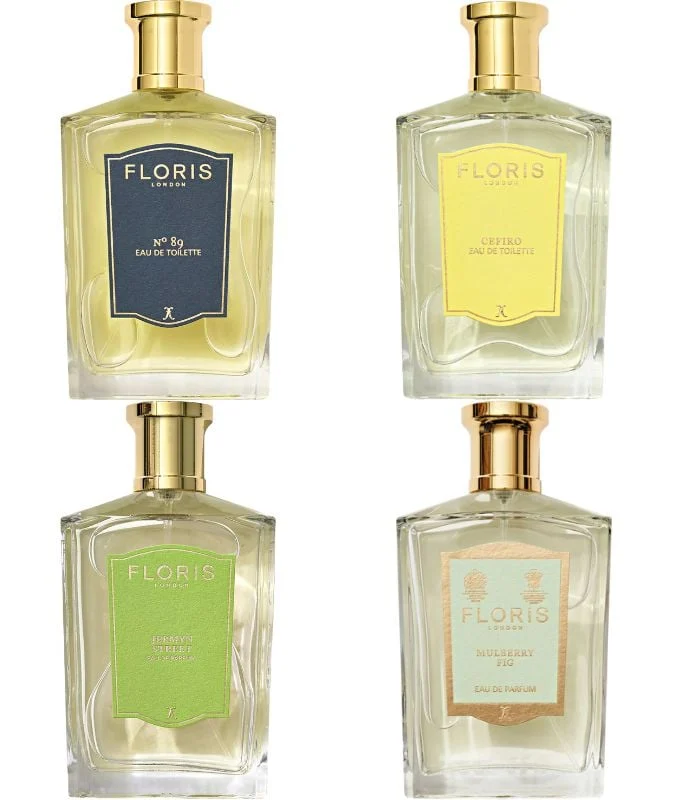
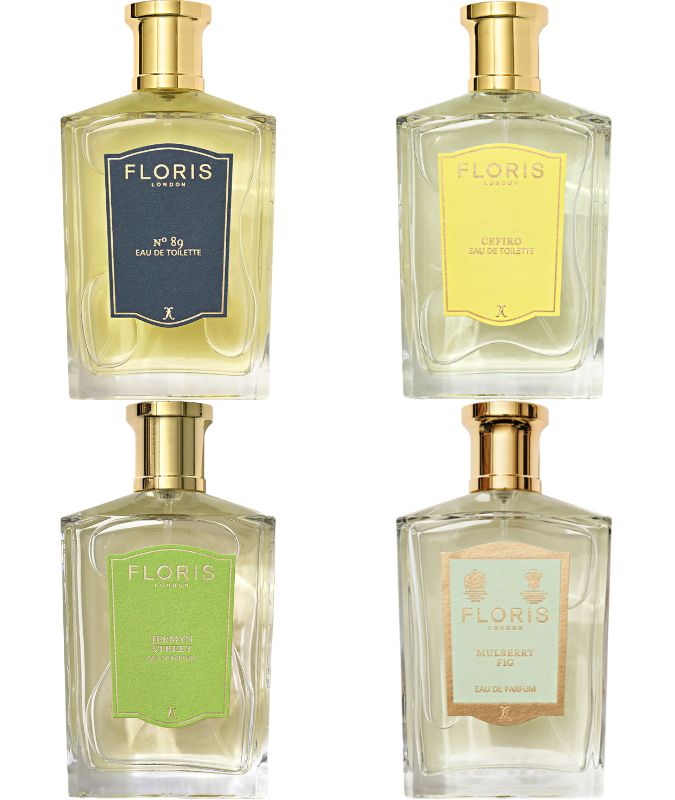
Floris, founded in 1730 by Juan Famenias Floris, remains the oldest independent perfumer in the United Kingdom and continues to operate from its original premises at 89 Jermyn Street. The company’s influence is woven into the fabric of British cultural history, most notably through its association with the fictional character James Bond. Ian Fleming, the creator of the Bond series, was a devotee of the brand, specifically the No. 89 Eau de Toilette. In the novels, Fleming often utilized specific brand mentions to anchor his protagonist in the refined reality of post-war London.

The fragrance profile of No. 89—a blend of bergamot, lavender, neroli, and nutmeg—reflects the mid-century preference for "barbershop" cleanliness coupled with sophisticated depth. Beyond the realm of fiction, the brand has maintained a diverse clientele. David Bowie, a figure synonymous with reinvention, was known to favor Floris Elite. This choice suggests a preference for fragrances that possess an aromatic, sharp edge, aligning with Bowie’s own aesthetic shifts. The longevity of Floris serves as a case study in brand resilience, demonstrating how a firm can maintain its relevance by balancing a rigid adherence to heritage with the evolving tastes of successive generations.
Guerlain and the Evolution of the Masculine Vetiver
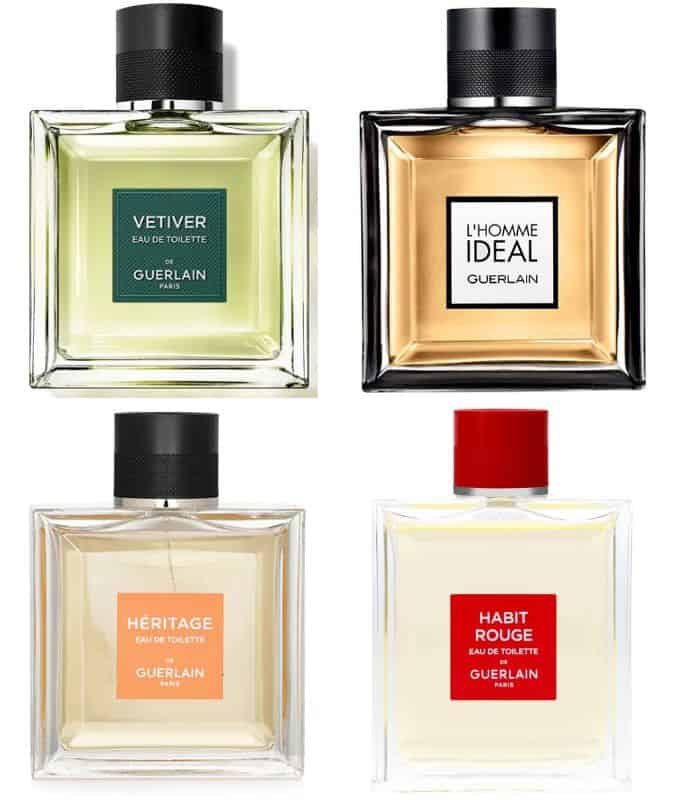
The French influence on perfumery is dominated by houses like Guerlain, which has been operational since 1828. While the house produced iconic scents for women for over a century, its entry into the men’s market in 1959 with Guerlain Vetiver marked a significant shift in masculine scent profiles. Vetiver, a complex root extract, provides a dry, smoky, and slightly bitter foundation that challenged the lighter, cologne-style fragrances of the era.

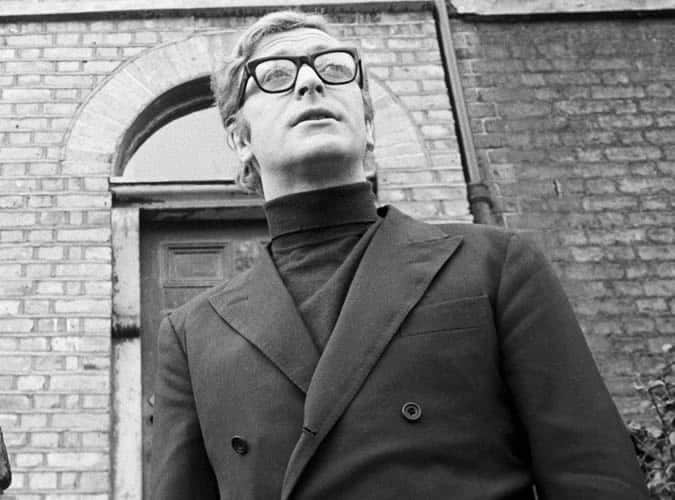
The cultural impact of this specific fragrance cannot be overstated. By the 1960s, it had become the standard-bearer for men of status. Michael Caine, an emblem of 1960s British cool, and Harrison Ford, who brought a rugged, cinematic masculinity to the screen, both utilized the scent. The composition—which utilizes a "triad" of citrus followed by a vetiver heart and a tobacco-heavy base—offered a level of longevity and projection that set a new benchmark for masculine perfumery. The success of Guerlain highlights the role of technical innovation in defining a "classic" product; by mastering the extraction and blending of difficult base notes, the house secured its place in the wardrobes of the mid-to-late 20th century’s most influential men.
Acqua Di Parma: The Italian Standard
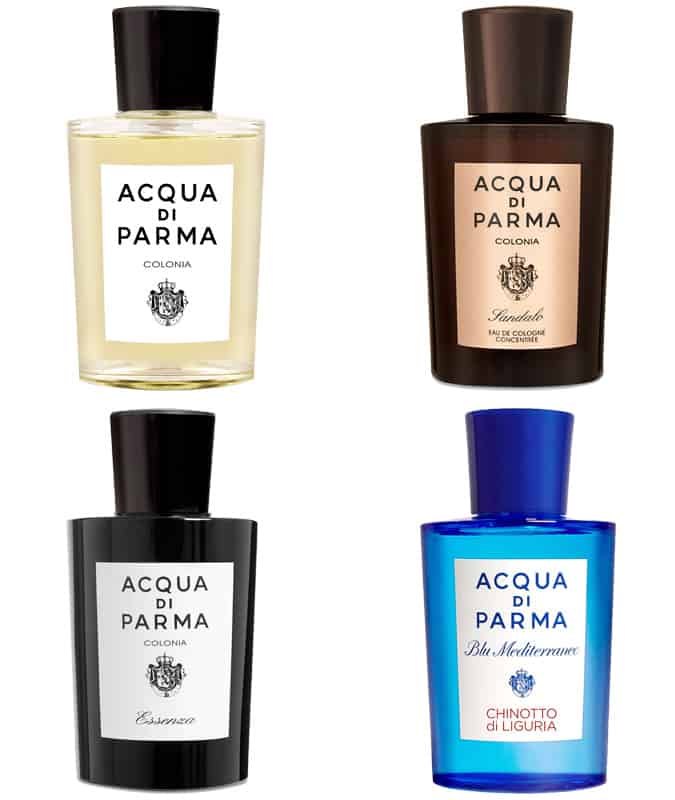
Acqua Di Parma, founded in 1916, represents the zenith of Italian "sprezzatura" in fragrance. Its signature scent, Colonia, was originally designed to scent the handkerchiefs of Italian gentlemen, serving as a subtle, understated accompaniment to high-quality tailoring. During the 1950s, the brand became the unofficial fragrance of Hollywood’s Golden Age, with figures such as Cary Grant and Gregory Peck integrating it into their daily grooming rituals.
The scent’s profile—lavender, rosemary, and citrus—is intended to mimic the freshness of a Mediterranean garden. In recent years, the brand has successfully bridged the gap to the modern era, with celebrities like Bradley Cooper opting for the brand’s expanded grooming ranges. This transition from a niche Italian classic to a global luxury staple is indicative of the "status symbol" phenomenon in men’s grooming, where the visual aesthetic of the bottle and the historical weight of the brand carry as much importance as the liquid within.
Aramis: The Department Store Pioneer
In 1964, the launch of Aramis by Estée Lauder Companies represented a fundamental shift in the distribution of high-end fragrance. Aramis was the first prestige men’s scent to be sold in department stores, a move that democratized access to luxury grooming. The fragrance itself belongs to the "chypre" family—a complex olfactory structure characterized by a contrast between a citrus top and a woody, oakmoss-heavy base.
Sammy Davis Jr., a member of the Rat Pack and a man known for his fastidious approach to style, was a prominent advocate for the brand. The fragrance’s aggressive, masculine profile of leather, patchouli, and cinnamon provided a sharp, potent signature that complemented the mid-century suits favored by his peers. The success of Aramis demonstrated that there was a massive, underserved market for high-quality men’s fragrances beyond the traditional barbershop, fundamentally altering the retail landscape for personal care products.
Eight & Bob: The Kennedy Legacy
The narrative surrounding Eight & Bob provides an example of the power of storytelling in luxury branding. The house traces its origins to 1937 and the amateur perfumer Albert Fouquet. The legend states that a chance encounter with a young John F. Kennedy on the French Riviera led to the creation of a limited batch of perfume, which Kennedy later requested be sent to the United States.
The scent, which features a proprietary, undisclosed botanical note discovered in Chile, offers a profile that is woody, light, and distinctly "preppy." The association with the Kennedy family, combined with the brand’s post-war history, has helped it maintain a niche but dedicated following among those who value exclusivity and narrative heritage. It serves as a reminder that in the fragrance industry, the "provenance" of a scent—the story of its discovery and the prestige of its historical wearers—is a powerful driver of consumer demand.
Caron and the Avant-Garde Masculine
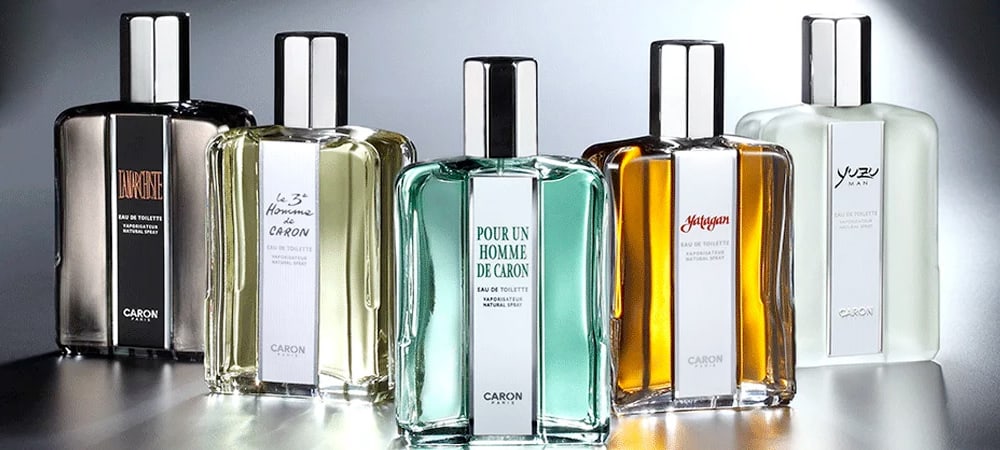
Caron, founded in 1903, has historically operated with an emphasis on artistic expression over mass-market appeal. With the release of Pour Un Homme De Caron in 1934, the house introduced the world to a pioneering blend of lavender and vanilla. This composition was intentionally simple yet jarring, creating a sweet-yet-aromatic profile that remains influential today.
James Dean, the archetypal rebel, was a notable user of Caron, illustrating the fragrance’s appeal across different social strata. Serge Gainsbourg, the French musician and cultural provocateur, also famously utilized the scent. The fact that the fragrance has inspired artistic responses—including musical compositions—speaks to its status as a piece of cultural history rather than a mere consumable good.
Carolina Herrera and the Nineties Evolution
The transition of the Carolina Herrera brand from high-fashion couture to the fragrance market in the early 1990s marked the beginning of a new era of lifestyle branding. Herrera for Men captured the zeitgeist of the decade, utilizing a blend of bergamot, rosemary, and tobacco that resonated with the changing aesthetic of the time.
The continued loyalty of modern figures like Justin Bieber to this classic scent demonstrates that while trends in fashion may fluctuate rapidly, the fundamental appeal of a well-balanced, tobacco-forward scent remains constant. The success of this fragrance line underscores the importance of the "brand ambassador" model in the modern fragrance industry, where a celebrity’s endorsement can bridge the gap between a decades-old formulation and a contemporary demographic.
Conclusion: The Implication of Olfactory Identity
The study of these eight fragrances reveals that a man’s choice of scent is rarely accidental. It is a decision informed by historical prestige, the chemistry of the ingredients, and the cultural resonance of the brand. As the global fragrance market continues to expand, the focus remains on the intersection of tradition and individual expression. For the well-dressed man, the signature scent is the final, essential detail that completes the portrait, proving that while style may be seen, it is also, quite profoundly, felt.
