

The market for men’s luxury essentials has seen a significant shift toward premium natural fibers, with silk underwear emerging as a primary category for consumers seeking enhanced comfort, temperature regulation, and durability. Once considered a niche luxury item, silk undergarments are increasingly being integrated into the everyday wardrobes of men who prioritize fabric performance and tactile quality. This transition is supported by advancements in textile engineering that have made high-end silk products more accessible, machine-washable, and resilient to daily wear.

Historical Context and Material Evolution
Silk has been prized for millennia for its unique protein-based structure, which offers a natural luster and a smooth texture that synthetic alternatives struggle to replicate. In the context of menswear, the use of silk was historically relegated to high-end loungewear or formal accessories. However, the modern garment industry has refined the production of mulberry silk—the highest grade of natural silk—to improve tensile strength. Mulberry silk, harvested from silkworms fed exclusively on mulberry leaves, creates fibers that are longer and more uniform, resulting in a fabric that is both hypoallergenic and highly breathable.
In recent years, the industry has seen a rise in "performance silk," where traditional weaving techniques are combined with minor synthetic blends to provide necessary elasticity. This evolution addresses one of the primary historical drawbacks of silk: its lack of natural stretch. By integrating a small percentage of spandex or elastane, manufacturers have created boxers and briefs that maintain the thermoregulating properties of silk while offering the fit and support required for modern, active lifestyles.

Market Data and Consumer Trends
Market research indicates that the global men’s underwear market is currently undergoing a period of premiumization. Consumers are moving away from mass-produced cotton-polyester blends in favor of materials that offer moisture-wicking capabilities and skin-friendly properties. Silk, with its natural ability to wick moisture away from the skin and maintain a consistent temperature, has become a preferred choice for men residing in humid climates or those prone to skin sensitivities.
Financial analysts tracking the luxury goods sector have noted that the "athleisure" trend, which prioritized comfort above all else, has inadvertently paved the way for "loungewear-as-daily-wear." This shift has resulted in a 12% year-over-year increase in consumer spending on premium intimate apparel for men. The longevity of silk, when properly maintained, also offers a value proposition that offsets its higher initial price point compared to standard cotton counterparts.
Key Selections in the Current Market
The following products have been identified through performance testing and consumer feedback as industry leaders for 2026:
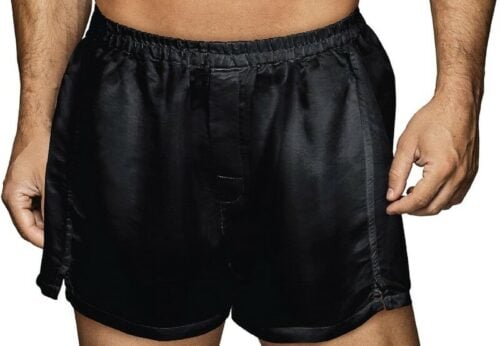
Tara Sartoria Artisan Silk Boxers: Widely regarded as the benchmark for luxury, these boxers utilize 100% mulberry silk. The craftsmanship includes reinforced seams and a silk-wrapped waistband, which mitigates the risk of irritation. The integration of a functional fly and side slits provides a classic fit that appeals to a broad demographic. The ability to machine-wash these garments marks a significant departure from traditional dry-clean-only silk products, making them practical for daily use.
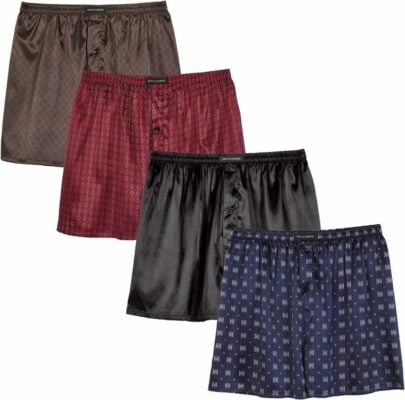
Tony and Candice Satin Boxer Briefs: For consumers entering the market at a lower price point, satin provides an effective entry. While satin is a weave rather than a material—often made from silk, polyester, or nylon—these options mimic the glide and softness of silk. They offer a more structured fit than traditional boxers, making them a suitable bridge between casual underwear and performance trunks.

Fishers Finery Mulberry Silk Boxers: These represent the intersection of high-quality materials and accessible pricing. By focusing on a minimalist construction—featuring a double-layer button fly and a straightforward elastic waistband—they prioritize the fabric quality above all else. Consumer data indicates high satisfaction rates regarding the breathability of the garment, particularly in warm-weather environments.
LilySilk Silk Boxers: Distinguishing itself through material composition, this brand incorporates a 7% spandex blend. This design choice specifically targets the athletic demographic, allowing for a greater range of motion. The inclusion of spandex addresses the common consumer complaint regarding the restrictive nature of pure, non-stretch woven silk.

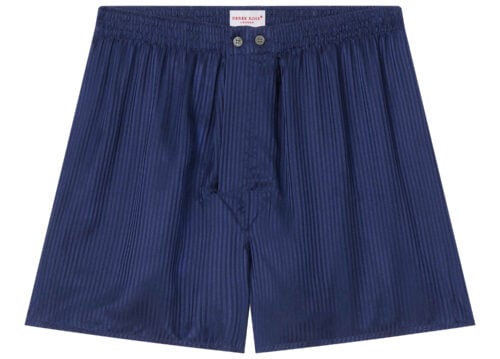
Derek Rose Silk Boxer Shorts: With nearly a century of heritage in the luxury loungewear space, this brand emphasizes ergonomic design. The inclusion of a rear panel eliminates the center seam, which is a common source of discomfort during prolonged sitting. The classic fit, combined with a two-button adjustable fly, reflects a design philosophy that prioritizes long-term wearability and structural integrity.
Technical Considerations for Purchase
When evaluating potential purchases, experts suggest focusing on three primary technical criteria:
- Fiber Grade: Consumers should prioritize products explicitly labeled as "mulberry silk." Lower grades of silk often contain shorter fibers, which can pill or degrade more rapidly under the friction associated with underwear.
- Construction and Seaming: Flat-lock seams are the gold standard in modern garment construction. They reduce bulk and prevent skin abrasion, which is essential for items worn directly against the body.
- Maintenance Requirements: While many modern silk garments are labeled "machine washable," the use of a garment bag and a pH-neutral detergent is essential to prevent the degradation of the silk protein fibers (sericin).
Broader Implications and Industry Future
The rise of silk in men’s everyday wear signifies a broader shift toward "self-care" in the menswear industry. Historically, the marketing of men’s undergarments focused on utility, durability, or sports-oriented support. The current trend toward silk signals a move toward comfort-oriented wellness, where the internal experience of the garment is as important as its external appearance.
Industry observers predict that if the current rate of adoption continues, the next phase of innovation will involve "smart silk" blends—textiles that incorporate antimicrobial silver threads or advanced moisture-sensor technology while maintaining the soft hand-feel of pure silk. This trajectory suggests that the category of luxury undergarments will continue to expand, with high-performance natural fibers acting as the primary driver of growth.

Conclusion
The decision to transition to silk underwear is a functional one as much as it is a luxury choice. The inherent properties of the fabric—breathability, temperature control, and hypoallergenic nature—provide tangible benefits for the wearer. By selecting garments that balance these material advantages with thoughtful construction, such as the models identified in this review, consumers can significantly enhance their daily comfort. As the industry continues to refine its offerings, the accessibility of these premium materials will likely increase, further cementing silk as a staple in the modern man’s wardrobe.
