
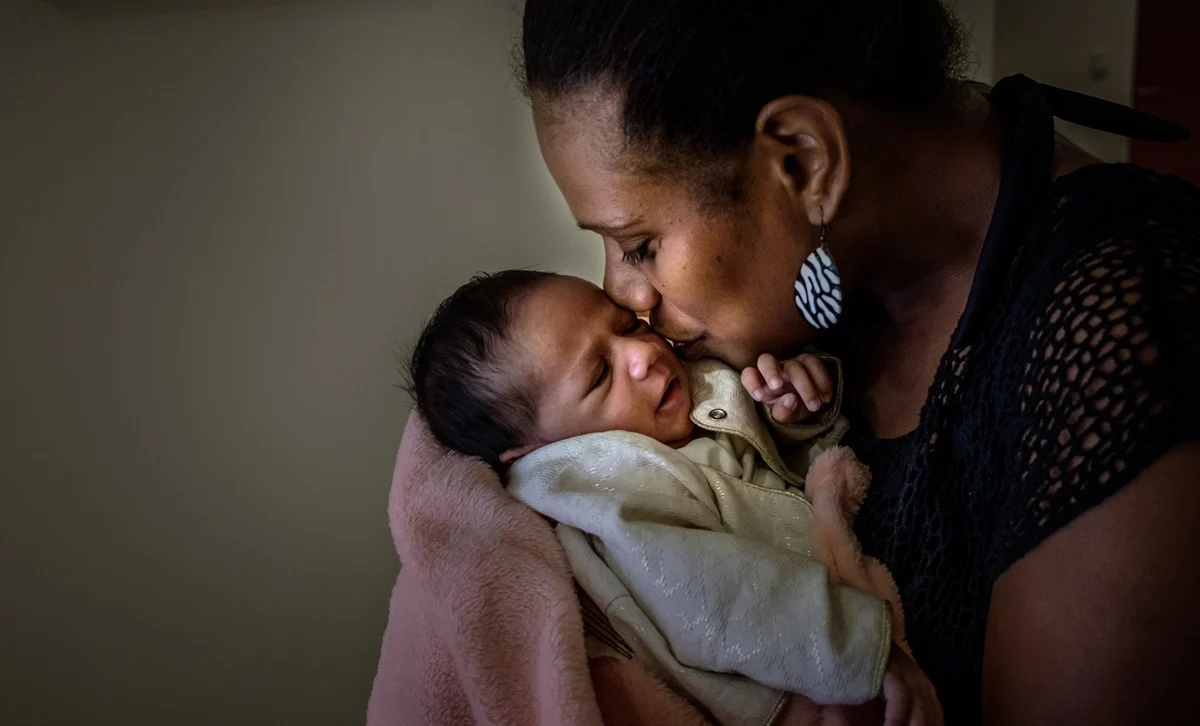
On the occasion of World Health Day 2025, observed annually on April 7, the World Health Organization (WHO) has orchestrated a massive, synchronized global advocacy campaign under the banner Healthier beginnings, hopeful futures. This year’s mobilization, spanning over 100 WHO country and regional offices, serves as a critical intervention in response to a stalling of progress in maternal and neonatal survival rates. By partnering with Member States, civil society organizations, frontline health workers, and academic institutions, the WHO aims to draw urgent political and financial attention to the fundamental necessity of protecting maternal and newborn health services in an era defined by fiscal austerity and humanitarian instability.
A Crisis in Maternal Survival
The urgency of this year’s theme is underscored by sobering global statistics. According to the latest data from the United Nations Maternal Mortality Estimation Inter-Agency Group (MMEIG), which includes the WHO, UNICEF, and the World Bank, the world has seen a concerning stagnation in the reduction of maternal deaths. In many regions, the gains made in the early 2000s are currently being threatened by a convergence of factors: the long-term socioeconomic impacts of the COVID-19 pandemic, the diversion of resources toward conflict-affected areas, and a persistent, global shortfall in funding for primary healthcare.
The World Health Day 2025 campaign is not merely a symbolic observance; it marks the official commencement of a year-long initiative dedicated to reversing these trends. The WHO’s data indicates that approximately 800 women continue to die every day from preventable causes related to pregnancy and childbirth. This figure remains unacceptably high, particularly when the vast majority of these deaths—estimated at over 90%—could be avoided through access to skilled birth attendants, emergency obstetric care, and timely postnatal services.
Regional Actions and Local Engagement
In the WHO Region of the Americas, the Pan American Health Organization (PAHO) has placed a strong emphasis on the intersection of maternal health and cultural inclusion. A poignant example occurred in Chile, where PAHO/WHO Country Representative Giovanni Escalante Guzmán participated in a collaborative dialogue with Mapuche leader Juana Cheuquepan. Their discussion, held on April 7, centered on the theme of maternal and newborn health as the foundation for healthy families and resilient communities. This event highlights the organization’s shift toward integrating traditional knowledge and community-based health models to improve outcomes for indigenous populations, who are often disproportionately affected by health inequities.
Across other regions, the response has been equally multifaceted. In the African Region, where maternal mortality ratios remain the highest globally, WHO offices have facilitated forums between ministries of health and regional development banks to discuss the restructuring of health budgets to prioritize maternal survival. Meanwhile, in the European and Western Pacific regions, the focus has shifted toward technological integration, digital maternal health monitoring, and the strengthening of regulatory frameworks to ensure that universal health coverage (UHC) specifically encompasses comprehensive reproductive health services.
Chronology of the Global Advocacy Effort
The path to World Health Day 2025 has been characterized by a series of alarm bells sounded by global health experts.
- Early 2024: UN agencies began identifying a "funding gap" in global reproductive health initiatives, noting that donor fatigue and geopolitical shifts were leading to a reduction in voluntary contributions to maternal health programs.
- Late 2024: A WHO-led analysis confirmed that for the first time in two decades, the pace of decline in maternal mortality rates had effectively plateaued in several low-to-middle-income countries.
- March 2025: The WHO launched a series of technical briefings for health ministers, warning that "aid cuts threaten fragile progress" and urging nations to insulate maternal health budgets from broader fiscal consolidations.
- April 7, 2025: The official observance of World Health Day, featuring the aforementioned global advocacy actions and the launch of the year-long "Healthier beginnings, hopeful futures" campaign.
Data-Driven Analysis of the Threat
The current state of global maternal health is defined by a dichotomy: while medical knowledge and the technology to save lives have never been more advanced, the capacity to deliver these interventions at scale is being hampered by structural economic constraints.
Analysis by health economists suggests that for every dollar invested in maternal and newborn health, the economic return in terms of increased productivity, reduced childhood mortality, and healthier future generations is significant. Yet, the current global fiscal climate has seen many governments prioritize short-term debt servicing over long-term social investments. The WHO’s current position is that this is a false economy. By failing to protect maternal health, countries risk a "backsliding" effect where the mortality rates of the 1990s could return, undoing decades of international development progress.
The most vulnerable populations are currently those living in conflict zones and regions experiencing rapid urbanization without commensurate infrastructure growth. In these settings, the lack of "continuity of care"—the seamless transition from prenatal care to safe delivery and postpartum support—is the primary driver of death.
Official Responses and Strategic Objectives
The WHO leadership has been explicit in its demands. Dr. Tedros Adhanom Ghebreyesus, the WHO Director-General, has reiterated that maternal and newborn health must be the "litmus test" for any functional health system. During his address on World Health Day, he emphasized that "a health system that cannot safely bring a new life into the world is a system that has fundamentally failed in its duty to society."
The official response from the global health community has focused on three pillars:
- Sustainable Financing: Moving away from unpredictable project-based funding toward institutionalized, tax-funded, or social-insurance-based healthcare that covers maternal services as a mandatory core benefit.
- Workforce Empowerment: Protecting the health workforce, particularly midwives and nurses, who are the backbone of maternal care, by ensuring competitive wages and safe working environments.
- Data Transparency: Encouraging Member States to implement rigorous, real-time maternal death surveillance and response (MDSR) systems to identify and rectify systemic failures as they occur.
Implications for the Future
The significance of World Health Day 2025 extends well beyond the calendar date. By launching a year-long campaign, the WHO is signaling a transition toward a more aggressive, long-term advocacy strategy. The implications for the international community are clear: if the current trends are not reversed, the world will fail to meet the Sustainable Development Goal (SDG) 3.1, which targets the reduction of the global maternal mortality ratio to less than 70 per 100,000 live births by 2030.
The collaboration with community leaders, such as the engagement seen in Chile, suggests that the WHO is also pivoting toward a "bottom-up" approach. By engaging directly with indigenous and marginalized communities, the organization hopes to overcome the trust deficit that often prevents women from seeking institutional care. This is a critical development, as maternal health is often a proxy for the overall health of a nation’s democracy and its commitment to social justice.
As the international community moves forward, the success of the 2025 campaign will be measured not by the number of events held, but by the tangible changes in national health policies and the stabilization of funding streams. The message from this year’s World Health Day is unequivocal: the progress toward ending preventable maternal and newborn deaths is not a guarantee, but a choice that requires sustained political courage and unwavering financial commitment. The world stands at a crossroads, and the decisions made in the coming months will determine the fate of millions of families for generations to come. The "hopeful futures" promised by the campaign’s theme remain a possibility, provided that the global community acts with the urgency that this silent crisis demands.
