
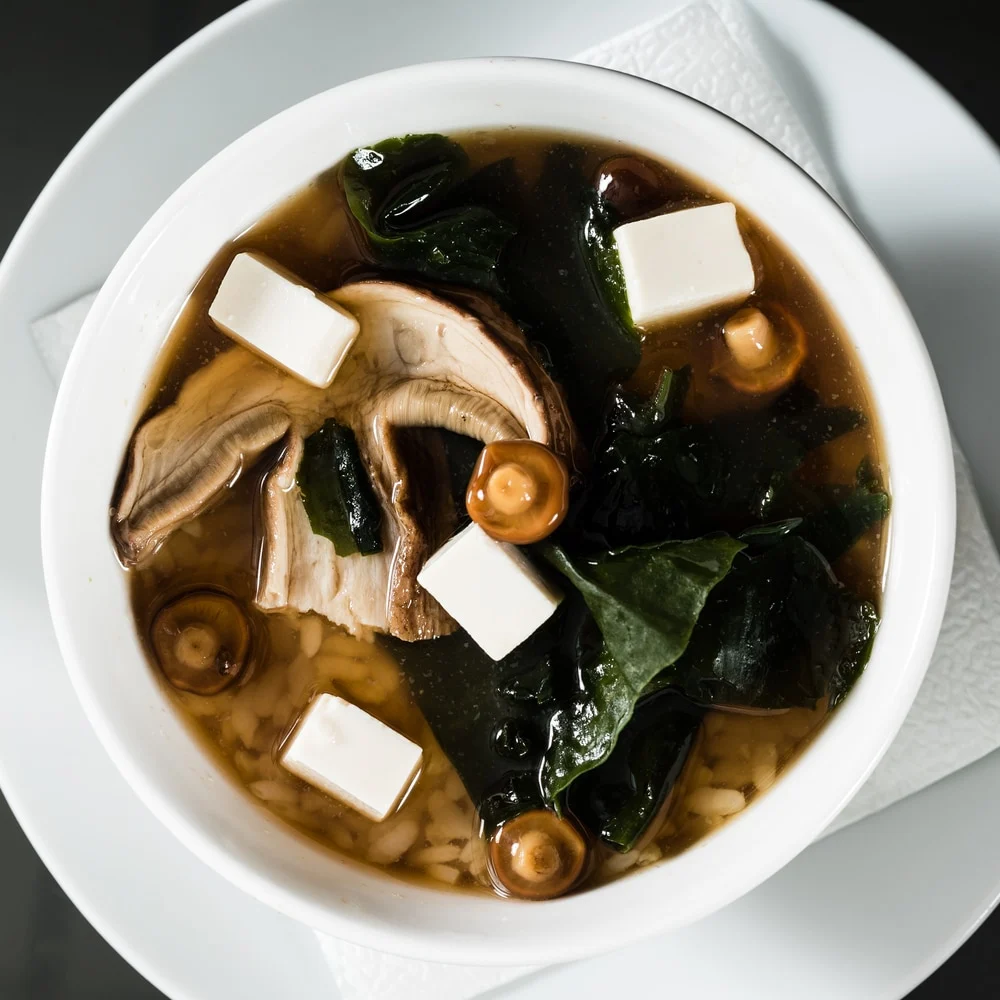
Managing Polycystic Ovary Syndrome (PCOS)—a complex endocrine disorder affecting an estimated 6 to 12 percent of reproductive-aged women—requires a multifaceted approach centered heavily on dietary and lifestyle interventions. Clinical endocrinologists and registered dietitians frequently emphasize that blood sugar regulation is the cornerstone of PCOS management. Because insulin resistance is present in up to 70 percent of women with PCOS, dietary choices made during the middle of the workday carry profound implications for sustained energy levels, inflammatory markers, and hormonal stability. A standard carbohydrate-heavy lunch often triggers a sharp glycemic spike followed by a rapid insulin surge, culminating in the dreaded afternoon fatigue, brain fog, and exacerbated androgen production. To counteract these physiological hurdles, nutritional protocols advocate for meals rich in lean proteins, healthy fats, complex unrefined carbohydrates, and high-fiber plant foods. The following compilation outlines twelve nutritionally dense, hormone-balancing lunch formulations engineered to sustain productivity while mitigating the metabolic challenges intrinsic to PCOS.
Understanding the Metabolic and Hormonal Imperative of Lunch
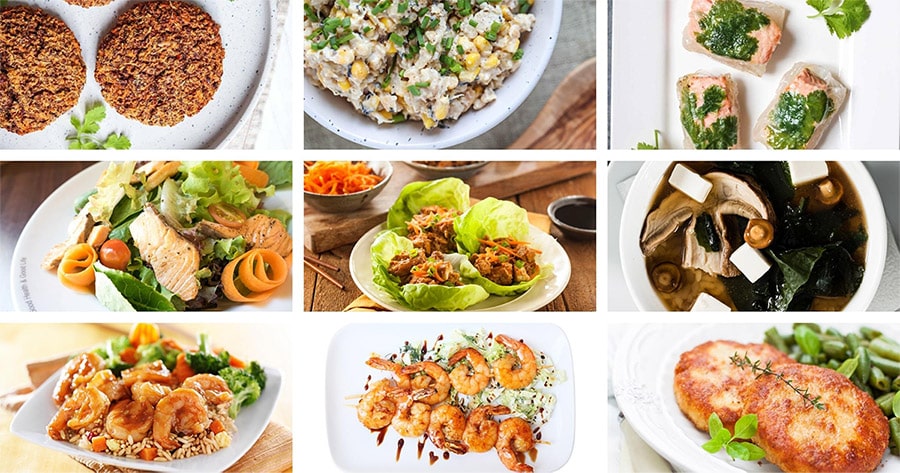
The physiological transition from the morning hours into the afternoon represents a critical window for metabolic stability in individuals with PCOS. Clinical research underscores that diets lower in glycemic load significantly improve insulin sensitivity, reduce circulating free testosterone levels, and ameliorate symptoms such as hirsutism and irregular menstruation. Incorporating specific therapeutic foods—such as wild-caught salmon rich in anti-inflammatory omega-3 fatty acids, high-fiber legumes that support the gut microbiome, and antioxidant-packed produce—serves a dual purpose. It provides immediate macronutrient fuel while systematically addressing the chronic low-grade inflammation that typically accompanies the syndrome. By shifting away from processed convenience foods and refined grains, patients can stabilize cortisol and insulin rhythms, preventing the hormonal volatility that frequently derails afternoon focus and long-term metabolic health.
Salmon Caesar Salad with Mushrooms, Tomato, and Avocado
A reimagined Caesar salad provides a sophisticated power lunch that merges classic culinary appeal with targeted metabolic support. Traditional commercial Caesar dressings are frequently manufactured with pro-inflammatory refined vegetable oils, excessive sodium, and added sugars that can exacerbate insulin resistance. Crafting a scratch-made dressing utilizing avocado oil serves as a stable, heart-healthy lipid base. Furthermore, wild-caught salmon introduces substantial quantities of eicosapentaenoic acid (EPA) and docosahexaenoic acid (DHA). Landmark clinical trials, including research published in the Iranian Journal of Reproductive Medicine, have demonstrated that omega-3 supplementation significantly optimizes androgen profiles and regulates menstrual frequency in women managing polycystic ovary syndrome. Combined with the potassium-rich profile of avocados and the immune-modulating properties of mushrooms, this dish anchors the afternoon with sustained micronutrient delivery.
Pomegranate, Chickpea, and Broccoli Salad
Plant-forward midday meals offer exceptional prebiotic benefits that directly influence metabolic health through the gut-liver axis. This vibrant formulation relies on chickpeas and cruciferous broccoli to deliver a robust matrix of insoluble and soluble fiber, which slows gastric emptying and dampens postprandial glucose excursions. The inclusion of fresh pomegranate arils supplies potent polyphenols and punicalagins, compounds extensively documented for their high antioxidant capacity and ability to combat oxidative stress. Preparing this salad requires soaking red onions in cold water to temper their pungency, lightly toasting cumin to release fat-soluble aromatics, and whisking together a dressing anchored by protein-rich yogurt and mineral-dense tahini. The resulting synergy of textures and flavors delivers sustained mental clarity without triggering the reactive hypoglycemia associated with refined midday carbohydrates.
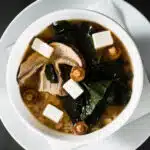
Avocado and Brown Rice Salmon Sushi with Miso Soup
Replicating a Japanese culinary experience within a PCOS-compliant framework demonstrates that dietary restrictions need not preclude culinary diversity. Standard white-rice sushi rolls present a high glycemic index that can disrupt hormonal equilibrium; substituting unrefined brown rice preserves the grain’s nutrient-dense bran and germ layers, ensuring a slow, measured release of glucose into the bloodstream. Combined with omega-3-dense raw salmon and healthy monounsaturated fats from sliced avocados, this preparation supports cellular membrane integrity and neurological function. Pairing the sushi with a traditional, gut-supportive miso soup—enriched with mineralized seaweeds like wakame and arame alongside a vegetable broth simmered with ginger, fennel, and root vegetables—fosters optimal digestive function. Fermented miso paste introduces beneficial probiotics, supporting the gut microbiome, which clinical studies increasingly link to systemic inflammation reduction in endocrine disorders.
Turkey Burger with Side Salad
For individuals seeking a hearty, savory midday meal that mimics traditional comfort food without metabolic compromise, a lean turkey burger serves as an optimal alternative. Red meats, when consumed in excess or from conventionally raised sources, can sometimes contribute to systemic inflammation in predisposed individuals; lean poultry offers a clean, high-protein alternative that promotes satiety via the stimulation of peptide YY and cholecystokinin. To maintain compliance with low-glycemic principles, the conventional refined wheat bun is eliminated in favor of a certified gluten-free alternative or enjoyed completely bunless wrapped in crisp greens. Ensuring the internal cooking temperature reaches 165 degrees Fahrenheit guarantees food safety, while an accompanying side salad provides the essential fiber matrix required to blunt any residual glycemic response.
BLT Gluten-Free Sandwich with Avocado and Tempeh Bacon
The traditional Bacon, Lettuce, and Tomato sandwich is frequently regarded as off-limits for those managing metabolic disorders due to the heavy processing associated with conventional pork bacon and refined white bread. However, strategic culinary substitutions restore this classic favorite to the therapeutic menu. Swapping pork bacon for marinated, pan-seared tempeh introduces a fermented soy product rich in plant protein, calcium, and prebiotics that actively nurture beneficial gut flora. Because gut dysbiosis is frequently correlated with heightened systemic inflammation in PCOS patients, incorporating fermented foods provides a distinct clinical advantage. Although gluten-free breads can sometimes exhibit high glycemic indexes, the inclusion of healthy fats from mashed avocado and complete proteins from the tempeh effectively lowers the overall glycemic load of the meal, ensuring steady energy production throughout the afternoon.
Lettuce Wrap with Grilled Chicken and Mixed Greens

Portability and nutritional density converge in handheld lettuce wraps, making them an ideal solution for professionals managing demanding, fast-paced work schedules. Marinating lean chicken breast in aromatic herbs and citrus breaks down muscle fibers while infusing deep flavor without the need for high-calorie, sugar-laden commercial sauces. Encasing the grilled protein in crisp butter lettuce leaves provides a low-carbohydrate vessel that keeps caloric density manageable while supplying essential vitamins A and K. Accompanied by a side salad of mixed greens tossed in a clean olive-oil-based vinaigrette, this lunch supplies the necessary amino acid building blocks required for neurotransmitter synthesis, thereby supporting cognitive focus and sustained productivity during critical afternoon hours.
Shrimp Fried Rice with Brown Rice and Veggies
Eliminating takeout favorites due to a medical diagnosis can often lead to dietary fatigue; consequently, recreating popular dishes at home using hormone-supportive ingredients offers a sustainable path forward. This modified shrimp fried rice utilizes fiber-rich brown rice as a direct replacement for stripped white rice, effectively preventing the rapid insulin spikes characteristic of restaurant-style Chinese cuisine. Shrimp provides a lean, low-fat source of high-quality protein alongside essential trace minerals such as selenium and iodine, which support thyroid function—an endocrine axis frequently intertwined with metabolic disorders. By incorporating a colorful array of diced vegetables, farm-fresh eggs, and a touch of sesame oil, this dish delivers a deeply satisfying, umami-rich experience that leaves the diner energized rather than lethargic.

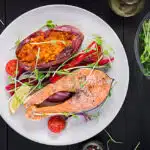
Baked Salmon with a Baked Potato
Simplicity in meal preparation does not necessitate a compromise in nutritional efficacy. A straightforward pairing of oven-baked wild salmon and a nutrient-dense sweet potato represents a balanced execution of complex carbohydrates, quality proteins, and essential fatty acids. Unlike conventional white potatoes, sweet potatoes possess a significantly lower glycemic index and are rich in beta-carotene, a precursor to vitamin A that supports cellular differentiation and immune function. Roasting the salmon alongside fibrous green asparagus spears introduces a natural diuretic effect and an abundance of prebiotic fibers. This minimalist culinary approach requires minimal active kitchen time while delivering precise macronutrient ratios tailored to support endocrine health and sustained metabolic equilibrium.
Vegan Tuna Salad

Plant-based protein alternatives offer valuable dietary diversity for individuals managing polycystic ovary syndrome, particularly those seeking to reduce their intake of heavy predatory fish or animal fats. A creative vegan “tuna” salad utilizes a base of protein- and fiber-packed legumes, which undergo specific culinary preparation to mimic the texture and mouthfeel of traditional seafood salads. Roasting and subsequently processing the legume base alongside aromatic vegetables, high-grade olive oil, and selective spices yields a rich, satisfying spread that can be layered onto gluten-free crackers or served atop a bed of mixed greens. This formulation provides an abundance of slow-burning complex carbohydrates and dietary fiber, ensuring prolonged satiety and steady cognitive performance throughout the afternoon work cycle.
Sweet Potato, Quinoa, and Bean Burger
Batch cooking remains one of the most effective behavioral strategies for maintaining dietary adherence amidst a busy lifestyle. Preparing a surplus of sweet potato, quinoa, and black bean burger patties on a weekend allows for rapid assembly throughout the workweek. Quinoa stands out as a rare plant-based complete protein, containing all nine essential amino acids required for human physiological function. When combined with mashed nutrient-dense sweet potatoes and protein-rich black beans, the resulting patty offers a balanced matrix of complex carbohydrates and sustained-release energy. These patties maintain their structural integrity well when refrigerated or frozen, providing a reliable, hormone-balancing lunch option that requires minimal effort during hectic weekdays.

Salmon Spring Rolls
Incorporating fresh, raw, or lightly cooked fish into midday meals provides a reliable pathway to optimal omega-3 fatty acid intake. Salmon spring rolls utilize pliable, moistened rice paper wrappers to encase flakes of tender salmon, fresh herbs like coriander, and cracked black pepper. Rather than deep-frying the rolls in inflammatory commercial oils, a brief pan-sear in minimal healthy fat achieves a delicate exterior crispness while preserving the integrity of the delicate proteins inside. Served alongside a crisp, acidic side salad and a modest dip of tamari or low-sodium soy sauce, this dish offers a light yet deeply satisfying culinary experience that aligns seamlessly with anti-inflammatory dietary protocols.
Cilantro Lime Shrimp Skewers with Cauliflower Rice
The bright, zesty flavor profiles characteristic of Latin-inspired cuisine can successfully revitalize a monotonous midday routine without compromising metabolic stability. Marinating shrimp in a vibrant blend of fresh lime juice, lime zest, minced garlic, cilantro, and high-phenolic olive oil infuses the shellfish with powerful antioxidants and antimicrobial compounds. Threading the shrimp onto portable skewers enhances convenience for dining in professional environments. To complete the meal, grated cauliflower serves as a nutritionally superior substitute for traditional grain-based rice. Cauliflower belongs to the cruciferous family, providing active compounds like sulforaphane, which supports hepatic detoxification pathways—an essential biological mechanism for clearing excess circulating androgens in women with PCOS.
Broader Implications of Targeted Dietary Intervention in PCOS Management
The strategic adoption of hormone-balancing, low-glycemic nutritional patterns extends far beyond immediate symptom management, offering profound long-term health implications. Clinical endocrinology data consistently highlights that unmanaged insulin resistance in women with PCOS significantly elevates the lifetime risk of developing type 2 diabetes, non-alcoholic fatty liver disease (NAFLD), and cardiovascular complications. By prioritizing meals that actively regulate blood glucose and suppress systemic inflammation, patients can fundamentally alter their metabolic trajectory. As specialized platforms and educational resources continue to expand access to tailored dietary planning—exemplified by communities like PCOS Foodies and structured clinical programs—patients are increasingly equipped to translate complex endocrinological science into sustainable, everyday culinary habits that foster enduring vitality and endocrine harmony.
