
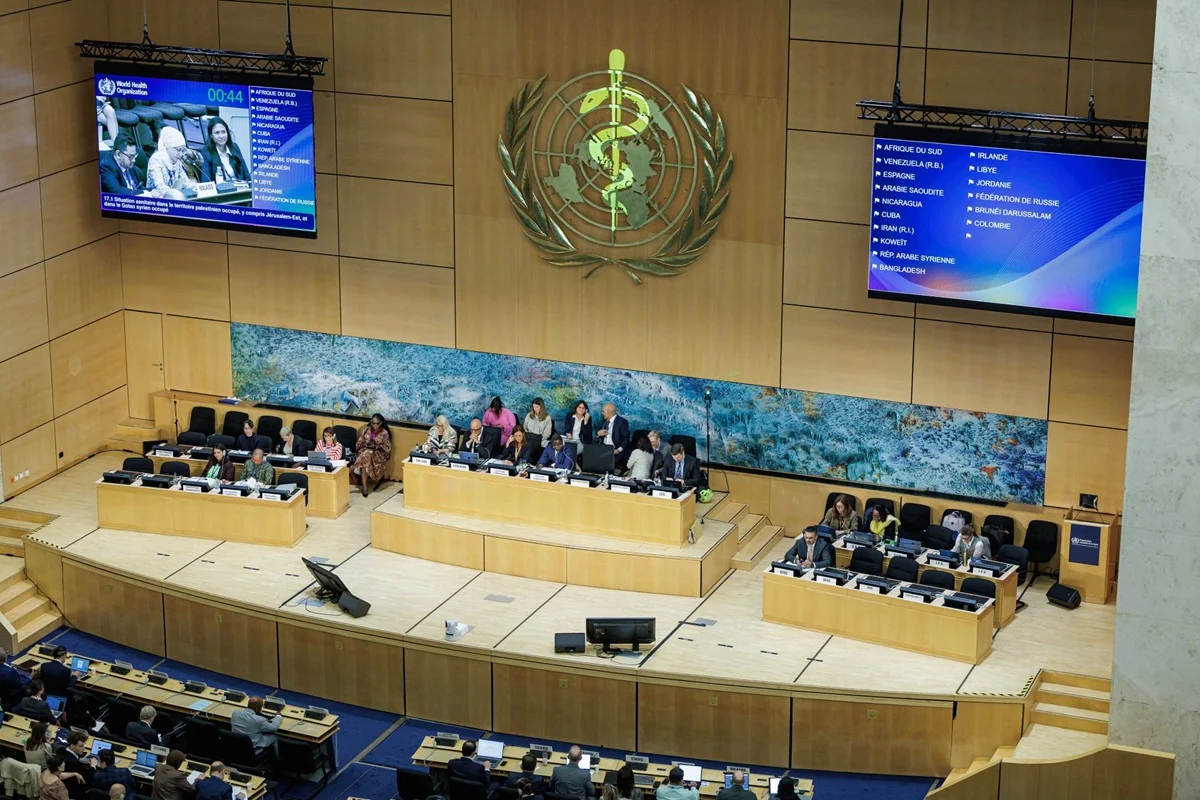
The World Health Assembly has formally endorsed a landmark decision requesting the Director-General of the World Health Organization to spearhead the development of a comprehensive post-2030 tuberculosis strategy, a move that signals a renewed global commitment to eradicating one of the world’s oldest and deadliest infectious diseases. This decision, reached during the most recent sessions of the Assembly, mandates a consultative process involving Member States and a broad spectrum of relevant stakeholders to ensure the new framework is robust, inclusive, and scientifically advanced. The finalized strategy is slated for submission to the Eighty-first World Health Assembly in 2028, positioning it as a cornerstone of the 2028 United Nations High-Level Meeting on TB.
The development of this post-2030 roadmap comes at a critical juncture in the global health landscape. As the current "End TB Strategy" approaches its final years, health leaders recognize the necessity of a successor framework that accounts for the rapid evolution of medical science, including new vaccine candidates, shorter treatment regimens, and digital health innovations. Furthermore, the new strategy is designed to harmonize TB response efforts with the broader agendas of primary health care, universal health coverage (UHC), and global health security. By integrating TB services into the foundational layers of national health systems, the WHO aims to ensure that the most vulnerable populations—those often missed by traditional vertical health programs—receive the life-saving care they require.
The State of the Global Tuberculosis Response: Progress and Persistence
In reviewing the progress of the current End TB Strategy, the Assembly evaluated a detailed report highlighting the dichotomy of the modern TB response: unprecedented success shadowed by persistent systemic barriers. Between the years 2000 and 2024, the expansion of TB diagnostic and treatment services saved an estimated 83 million lives. This figure represents one of the greatest triumphs in modern public health, illustrating the impact of sustained international cooperation and domestic investment. Notably, 2024 emerged as a milestone year, recording the first significant post-pandemic decline in TB incidence. This shift suggests that the disruptions caused by COVID-19, which saw TB resources diverted and case detection plummet, are finally being overcome.
Furthermore, 2024 saw the highest-ever recorded levels of access to essential TB services. This surge in service delivery is attributed to the adoption of rapid molecular diagnostics and the rollout of all-oral treatment regimens for drug-resistant TB, which have significantly improved patient adherence and outcomes. However, despite these quantitative gains, the qualitative reality remains somber. Tuberculosis continues to hold its position as a leading infectious killer globally, often surpassing HIV/AIDS in annual mortality rates. The Assembly’s report cautioned that the global targets set under both the End TB Strategy and the 2030 Agenda for Sustainable Development remain dangerously off track.
The reasons for this stagnation are multifaceted. Chronic underfunding remains the primary obstacle, with a multibillion-dollar annual gap in the resources needed for TB prevention, diagnosis, and treatment. This financial shortfall is exacerbated by external shocks, including the long-term "scarring" of health systems post-COVID-19, escalating global conflicts that displace populations and destroy infrastructure, and the growing threat of climate change. Displaced persons and those living in overcrowded, impoverished conditions are at the highest risk, yet they often face the greatest barriers to accessing care. The post-2030 strategy will be tasked with addressing these socio-economic determinants of health through a multisectoral lens, moving beyond purely clinical interventions.
Addressing the "Silent Epidemic" of Steatotic Liver Disease
In a significant shift in the noncommunicable disease (NCD) agenda, the Assembly approved a resolution recognizing steatotic liver disease (SLD) as a major and rapidly growing threat to global health. Formerly known as fatty liver disease, the rebranding to "steatotic liver disease" reflects a modern medical consensus aimed at reducing stigma and more accurately describing the pathology of the condition. SLD is estimated to affect 1.7 billion people—approximately one-quarter of the global population—making it one of the most prevalent yet under-addressed chronic conditions in the world today.
The resolution underscores that SLD is not merely an isolated liver ailment but a metabolic manifestation of broader systemic health issues. It is intricately linked to the rising global rates of obesity, type 2 diabetes, and cardiovascular disease. While alcohol-associated liver disease continues to contribute significantly to the global burden, the rise of metabolic dysfunction-associated steatotic liver disease (MASLD) is driving the current surge. If left unmanaged, SLD can progress to severe liver fibrosis, cirrhosis, and hepatocellular carcinoma (liver cancer), often necessitating liver transplants that are unavailable in many parts of the world.
To combat this "silent epidemic," the Assembly has called on Member States to integrate SLD management into their national NCD strategies. This involves a shift toward primary health care models that prioritize early screening and the management of shared risk factors. The resolution emphasizes multisectoral action to promote healthier diets, increase physical activity, and reduce the harmful use of alcohol. Crucially, the resolution highlights the need for specialized attention toward children and adolescents, as the rising rates of pediatric obesity are leading to an unprecedented early onset of liver disease, potentially burdening health systems for decades to come. The WHO has been tasked with providing technical support to countries and reporting biennially on the progress of these initiatives.
Strengthening Equity for Rare Bleeding Disorders
The Assembly also turned its attention to a long-neglected sector of the patient population: those living with haemophilia and other rare bleeding disorders. In a resolution that represents a major step toward health equity, Member States recommitted to closing the massive gaps in diagnosis and treatment that currently exist between high-income and low-to-middle-income countries. Statistics presented during the session revealed a staggering disparity: nearly 70% of individuals living with haemophilia worldwide remain undiagnosed. For these individuals, a minor injury or a routine surgery can be life-threatening, and spontaneous internal bleeding often leads to permanent joint damage and disability.
The resolution provides a comprehensive framework for the recognition and management of haemophilia, von Willebrand Disease, and other rare clotting factor deficiencies. By committing to integrate bleeding disorder management into national policies for NCDs and primary health care, Member States aim to move away from fragmented, episodic care toward a model of continuous, prophylactic treatment. A key component of this resolution is the encouragement to include life-saving therapies, such as factor concentrates and innovative non-factor therapies, in national Essential Medicines Lists.
Furthermore, the resolution stresses the importance of data collection. Without accurate national registries, many countries lack the evidence base needed to advocate for the procurement of expensive clotting factor treatments. By strengthening diagnostic capacity and ensuring timely referral to specialized treatment centers, the global health community hopes to improve the quality of life and longevity for millions of people. This move is seen as a vital component of the Universal Health Coverage mandate, ensuring that "no one is left behind," regardless of how rare their condition may be.
Rebuilding Trust: The Global Fight Against Health Misinformation
The final major pillar of the Assembly’s recent deliberations focused on the "infodemic"—the overwhelming surge of health mis- and disinformation that has eroded public trust in scientific institutions. A Strategic Roundtable session brought together leaders from government, the private sector, and civil society to address what many now consider a "public health threat" on par with biological pathogens. The consensus among participants was clear: misinformation is not merely a communication hurdle but a systemic barrier that actively undermines the delivery of vaccines, treatments, and preventative health measures.
The roundtable highlighted that the digital era has fundamentally changed how health information is consumed and shared. Participants shared strategies for building "information resilience," which includes moving beyond the reactive "fact-checking" of the past toward proactive engagement and "pre-bunking." This approach involves empowering health workers—the most trusted voices in most communities—with the tools and information they need to address concerns before they harden into conspiracy theories.
Looking forward, the Assembly emphasized the need for collaboration with technology platforms to ensure that credible, evidence-based health information is prioritized in digital algorithms. The WHO will continue to play a normative role, providing guidance on how to maintain information integrity while respecting freedom of expression. The ultimate goal is to rebuild the social contract between science and society, ensuring that when the next global health crisis emerges, the public has the trust and clarity needed to follow life-saving guidance.
Implications and the Path Forward
The resolutions passed during this Assembly reflect a strategic pivot in global health policy. By addressing the long-term challenges of tuberculosis, the metabolic crisis of liver disease, the equity gaps in rare disorders, and the modern threat of disinformation, the World Health Organization is attempting to build a more resilient and inclusive global health architecture.
The timeline leading to 2028 and 2030 will be decisive. The success of the post-2030 TB strategy will depend heavily on whether the current momentum in case detection can be sustained and whether the promised financial investments materialize. Similarly, the integration of SLD and bleeding disorders into national health systems will require significant shifts in how primary care is funded and delivered. As the world moves toward the 2030 Sustainable Development Goal deadlines, these Assembly decisions provide a necessary, evidence-based roadmap for navigating an increasingly complex and interconnected global health landscape.
