
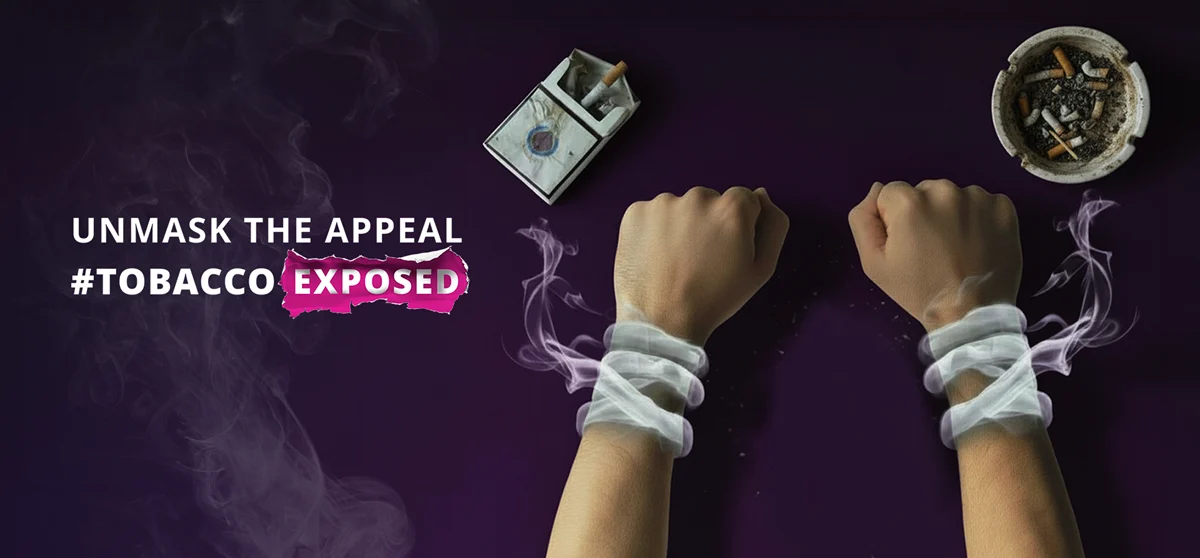
The World Health Organization (WHO) has issued a critical call to action for governments worldwide to implement stricter regulations and protective measures to shield the younger generation from the predatory marketing tactics of the tobacco and nicotine industries. As World No Tobacco Day approaches on May 31, the organization revealed staggering data showing that at least 40 million children aged 13 to 15 are currently using tobacco products. Furthermore, the rapid proliferation of e-cigarettes and nicotine pouches is creating a new wave of addiction that threatens to undo decades of progress in global public health.
The WHO’s warning highlights a strategic shift in the tobacco industry’s business model. As traditional cigarette consumption faces increased scrutiny and declining rates in many regions, multinational corporations are aggressively pivoting toward "novel and Emerging Products" (NEPs). These products, which include flavored vapes and discreet nicotine pouches, are being engineered specifically to appeal to adolescents, utilizing sleek designs, candy-like flavors, and sophisticated digital marketing campaigns.
The Evolution of a Global Health Crisis
Tobacco use remains the leading cause of preventable death globally, claiming more than 7 million lives every year. While the health risks of combustible cigarettes—ranging from lung cancer to cardiovascular disease—are well-documented, the WHO is now sounding the alarm on the specific dangers of nicotine itself, particularly for the youth.
Nicotine is a highly addictive substance that can have profound effects on the developing brain. Medical research indicates that the human brain continues to develop until the mid-20s. Exposure to nicotine during adolescence can disrupt the formation of brain circuits that control attention, learning, and impulse control. It also increases the risk of future addiction to other substances. The WHO emphasizes that the high concentrations of nicotine found in many modern e-cigarettes and pouches exacerbate these risks, making it harder for young users to quit once they have started.
The Rise of Nicotine Pouches and Unregulated Markets
A significant portion of the WHO’s recent concern focuses on nicotine pouches, one of the fastest-growing segments of the global nicotine market. Unlike traditional chewing tobacco or snus, these pouches often do not contain tobacco leaf but instead use nicotine salts or synthetic nicotine. This distinction has allowed many brands to bypass existing tobacco regulations in numerous jurisdictions.
According to a recent WHO report on nicotine pouches, approximately 160 countries currently lack specific regulations to govern the sale, marketing, and composition of these products. This regulatory vacuum has been exploited by manufacturers who use bright, attractive packaging and flavors such as "strawberry ice," "cool mint," and "mango" to entice a younger demographic.
The marketing of these products has moved away from traditional billboards and television ads toward more subversive channels. Social media influencers are frequently utilized to frame nicotine pouches as a "lifestyle" accessory, often portraying them as a modern, clean, and discreet alternative to smoking. This strategy is designed to bypass parental supervision and reach children directly on the platforms they use most.
A Chronology of Tobacco Control and the 2026 Milestone
The fight against tobacco has seen several key milestones over the past four decades, but the emergence of synthetic nicotine represents a new frontier.
- 1987: The World Health Assembly passed Resolution WHA40.38, calling for May 7, 1988, to be "a world no-smoking day."
- 1988: World No Tobacco Day was established as an annual event on May 31.
- 2003: The WHO Framework Convention on Tobacco Control (FCTC) was adopted, providing a legal framework for international tobacco control.
- 2010s: The rise of the "vaping" industry began to complicate global tobacco control efforts.
- 2020–2024: Rapid growth in the popularity of nicotine pouches and disposable e-cigarettes, particularly among school-aged children.
- May 2026: The WHO focuses its World No Tobacco Day theme on protecting the "next generation," recognizing that the industry has successfully rebranded nicotine for a digital age.
On May 19, 2026, the WHO recognized several global leaders with the World No Tobacco Day Awards. These awardees were selected for their "bold action" in countering the sophisticated tactics of the tobacco industry. These leaders include health ministers, municipal governors, and non-governmental organizations that have successfully lobbied for flavor bans and stricter age-verification processes for online sales.
Case Study: Local Action in Rio de Janeiro
While national legislation is vital, the WHO highlighted the city of Rio de Janeiro, Brazil, as a gold standard for local intervention. Rio de Janeiro has taken an aggressive stance against the normalization of e-cigarettes and nicotine pouches.
The city’s strategy involved a multi-pronged approach:
- Enforcement Intensification: Authorities conducted hundreds of coordinated inspections of retail outlets to ensure that e-cigarette sales—which are illegal in Brazil—were not occurring under the radar.
- Expanded Legislation: The city updated its smoke-free laws to explicitly include all forms of nicotine delivery systems, ensuring that public indoor spaces remain free of both smoke and vapor.
- Public Awareness: Large-scale campaigns were launched in schools and public transit hubs to educate parents and students about the deceptive nature of industry marketing.
By treating the "vaping epidemic" with the same urgency as traditional tobacco, Rio de Janeiro has managed to curb the visibility and accessibility of these products to its youth population.
Supporting Data: The Human and Economic Cost
The urgency of the WHO’s message is underscored by the broader economic and health data surrounding tobacco use. Beyond the 7 million annual deaths, tobacco use is a primary driver of non-communicable diseases (NCDs).
- Cancer: Tobacco use is linked to over 20 different types of cancer, accounting for approximately 25% of all cancer deaths globally.
- Cardiovascular Health: It is a major cause of heart disease and stroke, contributing to nearly 2 million deaths from cardiovascular diseases each year.
- Economic Impact: The global economic cost of smoking is estimated at over $1.4 trillion per year, which includes healthcare expenditures and productivity losses due to illness and premature death. This is equivalent to nearly 2% of the world’s annual gross domestic product (GDP).
The WHO notes that 80% of the world’s 1.3 billion tobacco users live in low- and middle-income countries, where the burden of tobacco-related illness is heaviest and healthcare systems are often least equipped to manage the fallout.
Analysis of Industry Tactics and Future Implications
The "reinvention" of the tobacco business model, as described by Dr. Etienne Krug, Director of the Department of Health Determinants at WHO, is a survival strategy. As smoking rates drop in high-income countries due to high taxes and social stigma, the industry requires a "replacement generation" to maintain profitability.
The engineering of these products is not accidental. By adjusting the pH levels of nicotine to make it less harsh on the throat, and by adding flavors that mask the natural bitterness of the chemical, companies have lowered the "barrier to entry" for non-smokers. Analysis suggests that many young people who start with e-cigarettes or pouches would never have picked up a traditional cigarette due to the harsh taste and immediate respiratory irritation.
The long-term implications of this trend are concerning for global health experts. There is significant evidence of a "gateway effect," where youth who use e-cigarettes are more likely to transition to combustible tobacco later in life. Additionally, the long-term health effects of inhaling the various chemicals found in e-cigarette aerosols—including heavy metals and volatile organic compounds—are still being studied, though early research suggests significant risks to lung and heart health.
WHO Recommendations for Governments
To combat these trends, the WHO recommends a comprehensive policy framework that leaves no room for industry loopholes. The organization urges governments to:
- Ban All Flavors: Eliminating flavors like candy, fruit, and dessert is seen as the most effective way to reduce the appeal of nicotine products to children.
- Strict Advertising Bans: Comprehensive bans on advertising, promotion, and sponsorship should be extended to digital platforms, including a crackdown on "stealth" marketing by social media influencers.
- Price and Tax Measures: Increasing taxes on all nicotine and tobacco products remains one of the most effective ways to reduce consumption, especially among price-sensitive youth.
- Smoke-Free Environments: Updating legislation to ensure that all public places are 100% smoke- and vape-free to protect bystanders and de-normalize the behavior.
- Plain Packaging: Implementing mandatory plain packaging for all nicotine products to remove the "lifestyle" branding that appeals to young consumers.
Conclusion: A Call to Quit
As World No Tobacco Day 2026 approaches, the WHO is not only targeting policymakers but also reaching out directly to the more than 1 billion current users of tobacco and nicotine products. The organization encourages users to utilize the "Quitting Toolkit" provided on its website, which offers resources and support for breaking the cycle of addiction.
The overarching message from the WHO is clear: the tobacco industry is evolving, and public health policy must evolve faster. Protecting the next generation from a lifetime of addiction and preventable disease requires a unified global front against the sophisticated engineering and marketing of a "deadly business model." By taking the first step to quit on May 31, individuals can join a global movement to reclaim health from the influence of the tobacco industry.
