
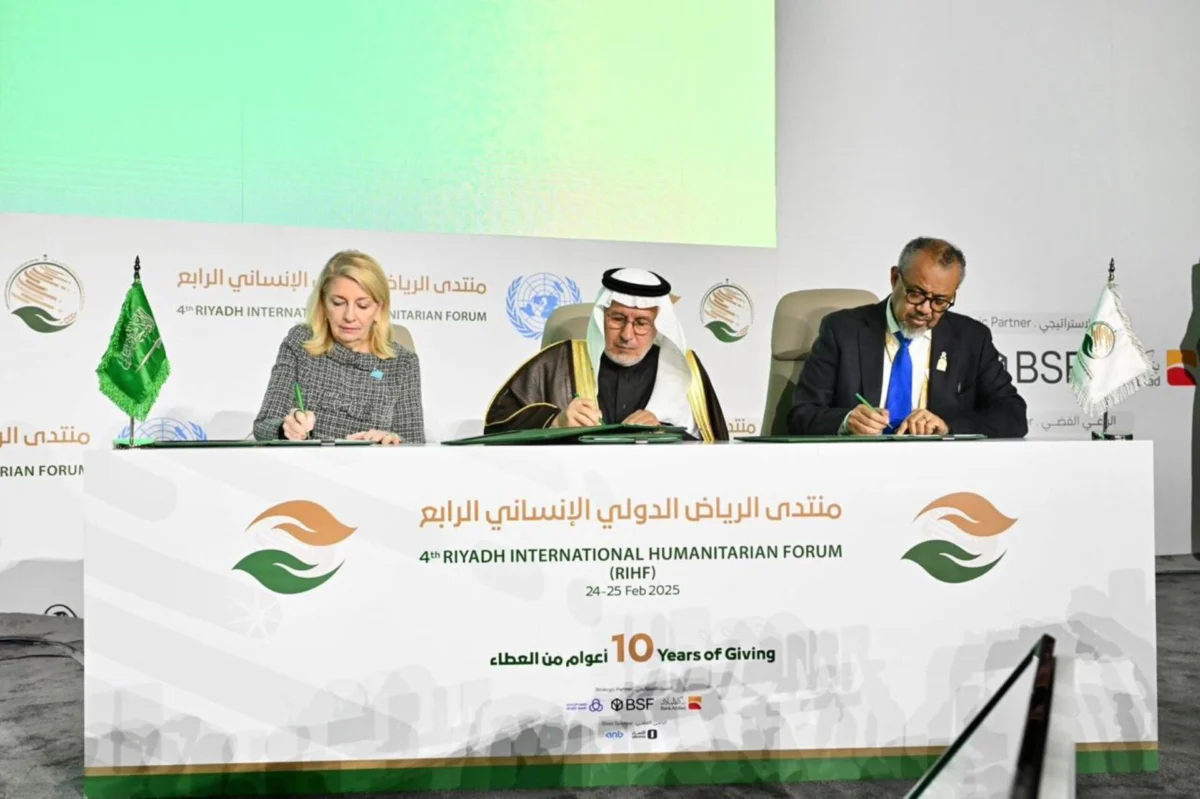
The Riyadh International Humanitarian Forum, held on February 24-25, 2025, served as a global convergence point for humanitarian leaders, policymakers, and international health organizations, marking the 10th anniversary of the King Salman Humanitarian Aid and Relief Centre (KSRelief). This year’s gathering was defined by high-stakes diplomacy and the formalization of significant funding agreements, aimed primarily at fortifying health systems in conflict-stricken nations and accelerating the eradication of polio. The event underscored a shift in humanitarian strategy, moving from reactive emergency aid to sustained, infrastructure-focused health diplomacy, with the Kingdom of Saudi Arabia cementing its position as a primary architect of these global initiatives.
A Decade of Humanitarian Evolution: The Context of the Forum
Established in 2015, KSRelief was envisioned as a centralized hub for Saudi Arabia’s international aid efforts. Over the past decade, the organization has evolved from a disaster response entity into a sophisticated global partner that works in tandem with organizations such as the World Health Organization (WHO), UNICEF, and the United Nations High Commissioner for Refugees (UNHCR).
The 2025 forum took place against a backdrop of unprecedented geopolitical volatility. From the ongoing instability in Sudan to the persistent public health crises in Yemen and the resurgence of polio in conflict-affected regions like Gaza and Afghanistan, the humanitarian landscape has become increasingly precarious. Consequently, the forum’s agenda shifted focus toward the "triple nexus" of humanitarian, development, and peace-building efforts, emphasizing that medical aid is ineffective without the underlying security of health workers and the dignity of the affected populations.
Chronology of Key Agreements and Strategic Pledges
The forum acted as a legislative engine, producing a series of concrete funding agreements that transitioned from political commitments to operational realities.
- February 24, 2025 (Morning): Dr. Tedros Adhanom Ghebreyesus, WHO Director-General, and Dr. Abdullah Al Rabeeah, Supervisor-General of KSRelief, opened proceedings by emphasizing the need for robust health diplomacy.
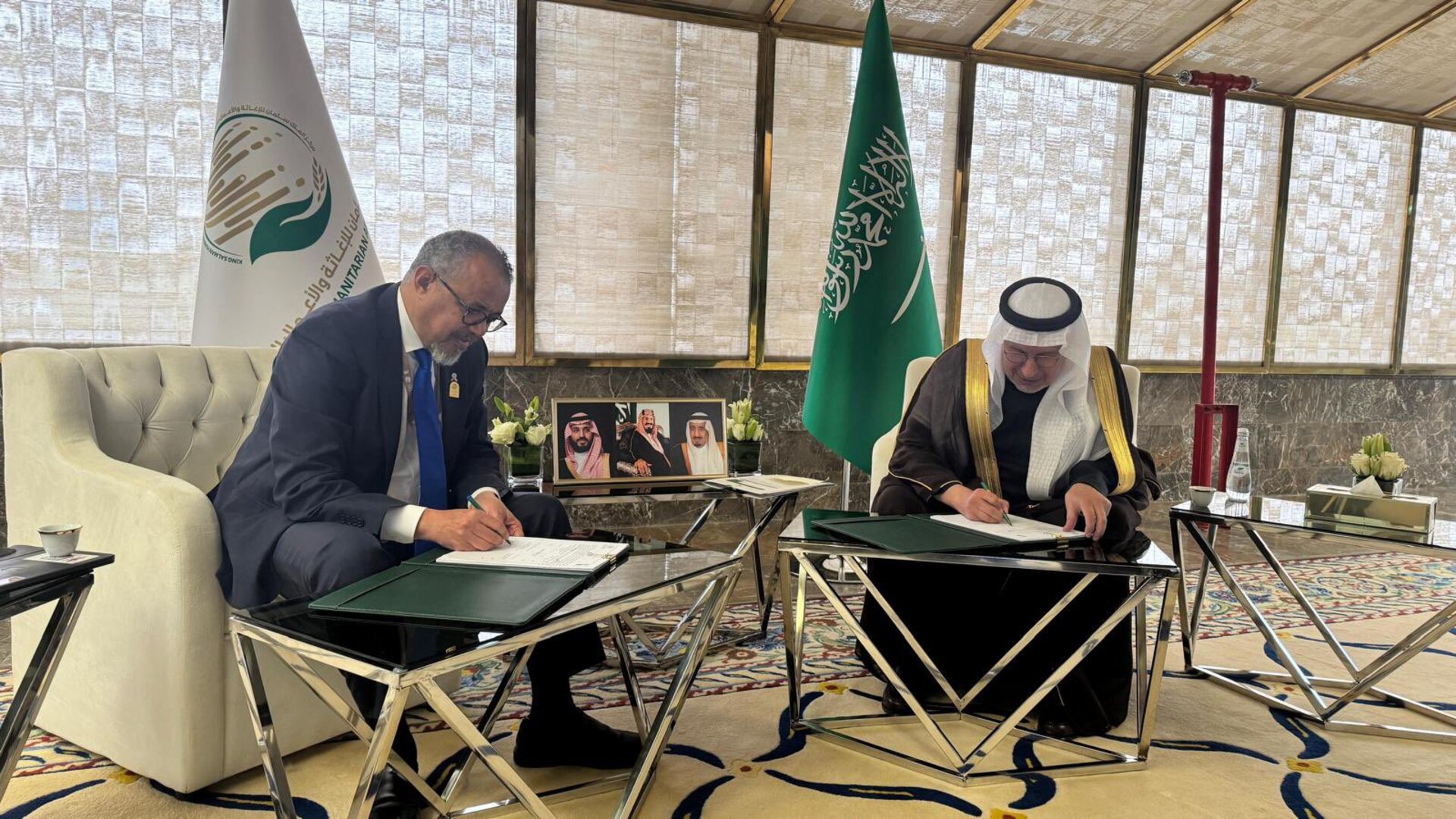
- February 24, 2025 (Afternoon): Signing of the primary bilateral agreements targeting endemic diseases in Yemen and refugee health support in Egypt.
- February 25, 2025: The formal confirmation of the US$ 500 million commitment to the Global Polio Eradication Initiative (GPEI), finalized through agreements with the WHO and UNICEF.
Addressing Regional Health Crises: Data-Driven Interventions
The specific agreements signed between KSRelief and the WHO represent a targeted approach to managing systemic health threats in high-risk zones.

In Yemen, where health infrastructure has been severely degraded by years of conflict, the burden of preventable disease remains a critical emergency. The US$ 12 million commitment toward malaria control is designed to scale up diagnostic services and vector control measures in areas where the parasite has become increasingly endemic. Simultaneously, the US$ 2.1 million allocation for cholera treatment is a proactive measure aimed at curbing the rapid transmission of the waterborne disease, which frequently surges in the aftermath of damaged water and sanitation infrastructure.
The agreement regarding Sudanese refugees in Egypt carries significant humanitarian weight. As of early 2025, the conflict in Sudan has forced millions to flee across borders, placing an immense strain on the healthcare systems of neighboring host countries. The US$ 3.6 million earmarked for dialysis services in Egypt directly addresses the needs of a vulnerable, displaced population that requires continuous, high-intensity medical care. This intervention serves as a model for "host-state burden sharing," a vital concept in modern humanitarian law.
The Global Polio Eradication Initiative: A Historic Investment
Perhaps the most significant outcome of the forum was the operationalization of the US$ 500 million pledge for the GPEI. The resurgence of polio in conflict zones—where vaccination campaigns are often disrupted by violence—has threatened decades of progress toward global eradication.
The split funding agreement—US$ 300 million for the WHO and US$ 200 million for UNICEF—is intended to bridge the "last mile" gap in immunization. With a target of vaccinating 370 million children annually, this investment is not merely financial; it is logistically intensive. The funds will be deployed to secure cold-chain logistics in remote and contested territories, hire local community health workers to build trust, and ensure that vaccine delivery remains shielded from political interference.
For the GPEI, this contribution represents one of the largest single-donor commitments in recent years, providing the financial runway necessary to sustain eradication efforts through 2026. The inclusion of regions like Gaza in the deployment strategy highlights the importance of "neutral health corridors" in international relations.
Implications for Global Health Diplomacy
The forum’s outcomes suggest a broader shift in the role of Middle Eastern powers within the international aid ecosystem. By aligning its financial capacity with the technical expertise of the UN, Saudi Arabia has effectively institutionalized its humanitarian influence.
Operational Implications
The reliance on technical partners like the WHO and UNICEF ensures that the funds provided by KSRelief are subject to rigorous oversight, transparent reporting, and evidence-based implementation. This professionalization of aid is critical for donor accountability and ensures that the impact of every dollar is measurable through reduced morbidity and mortality rates.
The Security of Aid Workers
A recurring theme during the forum was the protection of aid workers. In 2024 and early 2025, the global humanitarian community witnessed a record number of incidents involving the targeting of medical facilities and humanitarian staff. The forum provided a platform for advocating for the "deconfliction" of health sites, pushing for stricter adherence to international humanitarian law. The agreements signed in Riyadh included provisions that implicitly rely on the diplomatic weight of the signatory nations to ensure that medical facilities funded by these grants remain "zones of neutrality."
Long-Term Sustainability
The focus on dialysis for refugees and malaria/cholera control in Yemen marks a move toward sustainable health programming. Rather than short-term emergency "band-aid" solutions, these projects aim to integrate with local health systems. This approach acknowledges that humanitarian aid should ideally pave the way for sustainable development, even in the most volatile environments.
Conclusion: A Blueprint for Future Humanitarian Action
The 2025 Riyadh International Humanitarian Forum concluded with a clear consensus: the scale of modern humanitarian crises has outpaced the existing mechanisms of international response. The agreements reached—ranging from life-saving dialysis to the global eradication of a debilitating virus—demonstrate that when financial resources are paired with technical expertise and diplomatic will, the trajectory of a humanitarian crisis can be altered.
As the international community looks toward the next decade, the partnership between KSRelief and global health organizations stands as a primary example of how regional influence can be leveraged to address global challenges. Whether these initiatives will successfully reach the most isolated populations in Afghanistan or the war-torn districts of Yemen remains to be seen; however, the Riyadh forum has provided both the mandate and the momentum necessary to attempt this vital work. The success of these programs will ultimately be judged not by the volume of funds committed, but by the tangible reduction in disease burden and the protection of the millions of lives currently caught in the crossfire of global instability.
