
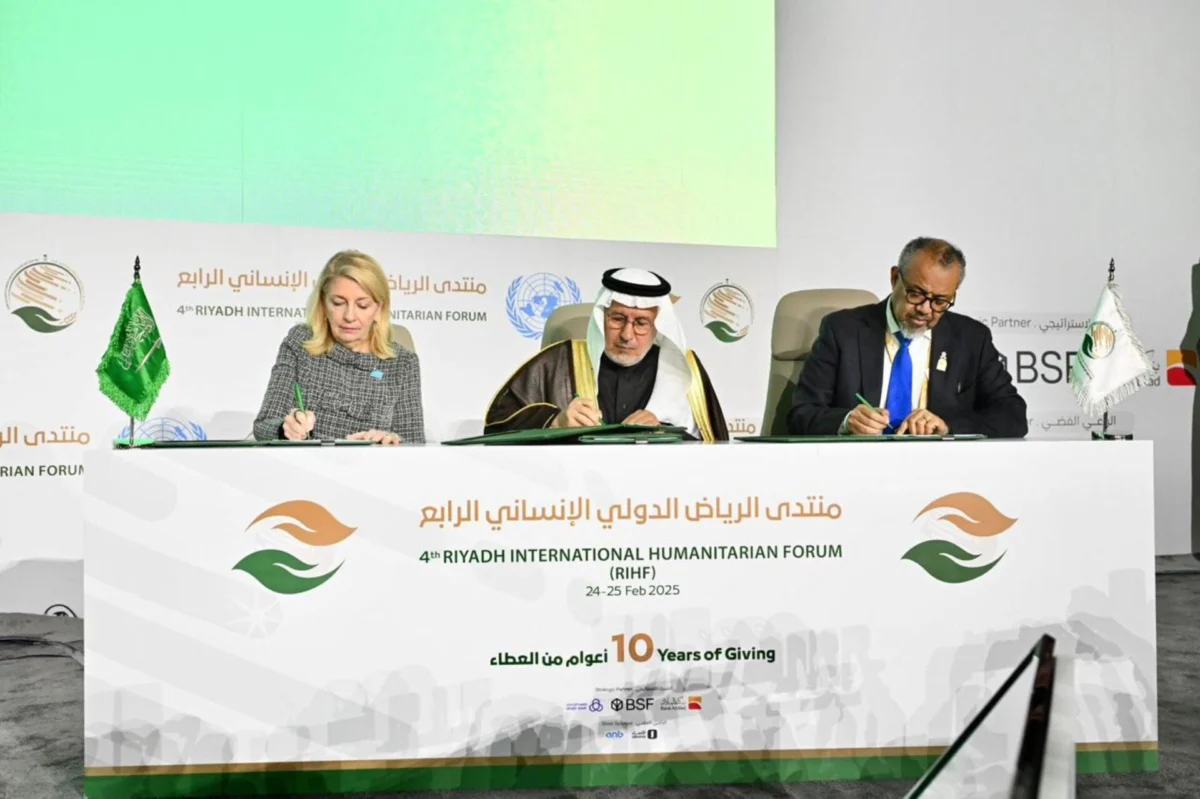
The Riyadh International Humanitarian Forum, held on February 24-25, 2025, served as a pivotal nexus for international diplomacy and humanitarian action, marking the tenth anniversary of the King Salman Humanitarian Aid and Relief Centre (KSRelief). As global humanitarian needs reach unprecedented levels due to compounding conflicts, climate change, and economic instability, the forum provided a platform for high-level stakeholders—including the World Health Organization (WHO) and UNICEF—to translate policy into tangible health interventions. The event concluded with the formalization of significant funding agreements aimed at addressing some of the world’s most stubborn health threats, including the resurgence of polio, the persistence of cholera in war-torn regions, and the medical vulnerability of displaced populations.
A Decade of KSRelief: Contextualizing the Milestone
The 2025 forum was not merely a conference but a reflection of a decade of institutional growth. Since its establishment in 2015, KSRelief has functioned as the primary international humanitarian arm of the Kingdom of Saudi Arabia. Over the past ten years, the organization has evolved from a regional aid provider to a central pillar of the global humanitarian architecture. The anniversary summit focused on the theme of "Humanitarian Resilience," emphasizing that aid must go beyond emergency response to include systemic health diplomacy. By convening global partners in Riyadh, the Kingdom sought to reaffirm its strategic position as a bridge between the Global South and international multilateral organizations, fostering an environment where advocacy for the dignity and survival of crisis-affected populations takes center stage.
Chronology of Key Developments and Pledges
The forum was characterized by a rapid succession of bilateral and multilateral agreements, demonstrating a move toward operational efficiency.
- February 24, 2025 (Morning): Opening sessions focused on the safety of aid workers and the legal frameworks governing health diplomacy in conflict zones.
- February 24, 2025 (Afternoon): The formal signing of the US$ 500 million agreement for the Global Polio Eradication Initiative (GPEI) took place, featuring WHO Director-General Dr. Tedros Adhanom Ghebreyesus and UNICEF Executive Director Catherine Russell.
- February 25, 2025 (Morning): KSRelief and the WHO finalized specific technical agreements targeting Yemen’s health infrastructure.
- February 25, 2025 (Afternoon): The forum concluded with discussions on the integration of Sudanese refugees into Egypt’s healthcare systems, leading to the signing of a US$ 3.6 million support package.
Addressing the Polio Resurgence: The US$ 500 Million Commitment
Perhaps the most significant outcome of the forum was the confirmation of the Kingdom of Saudi Arabia’s US$ 500 million contribution to the Global Polio Eradication Initiative. This pledge, originally announced in April 2024, has now been formalized into actionable funding agreements: US$ 300 million allocated to the WHO and US$ 200 million to UNICEF.
The urgency of this contribution cannot be overstated. After decades of progress toward eradicating the poliovirus, the world has seen a concerning resurgence in conflict-affected zones. In Pakistan and Afghanistan, the virus remains endemic, while the breakdown of public health infrastructure in Gaza has created a dangerous environment for transmission. This funding is designed to bolster the vaccination of 370 million children annually. By channeling these funds through the WHO and UNICEF, Saudi Arabia is leveraging established global health networks to ensure that the "last mile" of eradication—often the most difficult due to security constraints—is reached.

Targeted Interventions in Yemen and Sudan
Beyond the global scope of polio eradication, the forum addressed acute regional crises that threaten the stability of the Middle East and North Africa.
Yemen: Combating Cholera and Malaria
The partnership between KSRelief and the WHO has become the bedrock of Yemen’s public health response. The newly signed agreements include:
- US$ 12 million for Malaria Control: Designed to provide diagnostic tools, insecticide-treated bed nets, and essential antimalarial medications to vulnerable communities.
- US$ 2.1 million for Cholera Treatment: Given the cyclical nature of cholera outbreaks in Yemen due to damaged water and sanitation infrastructure, this funding aims to expand the capacity of rapid response teams and treatment centers.
The Sudanese Refugee Crisis in Egypt
The ongoing civil war in Sudan has precipitated one of the largest displacement crises in the world. As refugees stream into neighboring countries, host nations such as Egypt face significant pressure on their domestic healthcare systems. The US$ 3.6 million agreement between KSRelief and the WHO Egypt Country Office is specifically earmarked for dialysis treatment. This represents a strategic shift in humanitarian aid: moving from general food and shelter provisions to supporting the long-term, specialized medical needs of displaced persons suffering from chronic conditions.
Analytical Perspectives: Implications of Health Diplomacy
The Riyadh International Humanitarian Forum signals a maturation in the Kingdom’s humanitarian policy. By focusing on "health diplomacy," the event underscores a shift toward viewing medical care as a fundamental component of security and stability.
Economic and Operational Implications:
The reliance on established entities like the WHO and UNICEF for the distribution of these funds suggests a commitment to transparency and technical efficacy. For international NGOs, this provides a predictable stream of funding that allows for multi-year planning rather than sporadic emergency responses.
Geopolitical Considerations:
By addressing health crises in volatile regions like Gaza, Afghanistan, and Yemen, Saudi Arabia is effectively using health as a non-partisan platform for engagement. Even in contexts where political solutions remain elusive, the humanitarian imperative allows for the flow of aid, preventing the total collapse of health systems that would otherwise exacerbate regional insecurity.
Official Responses and the Future of the Partnership
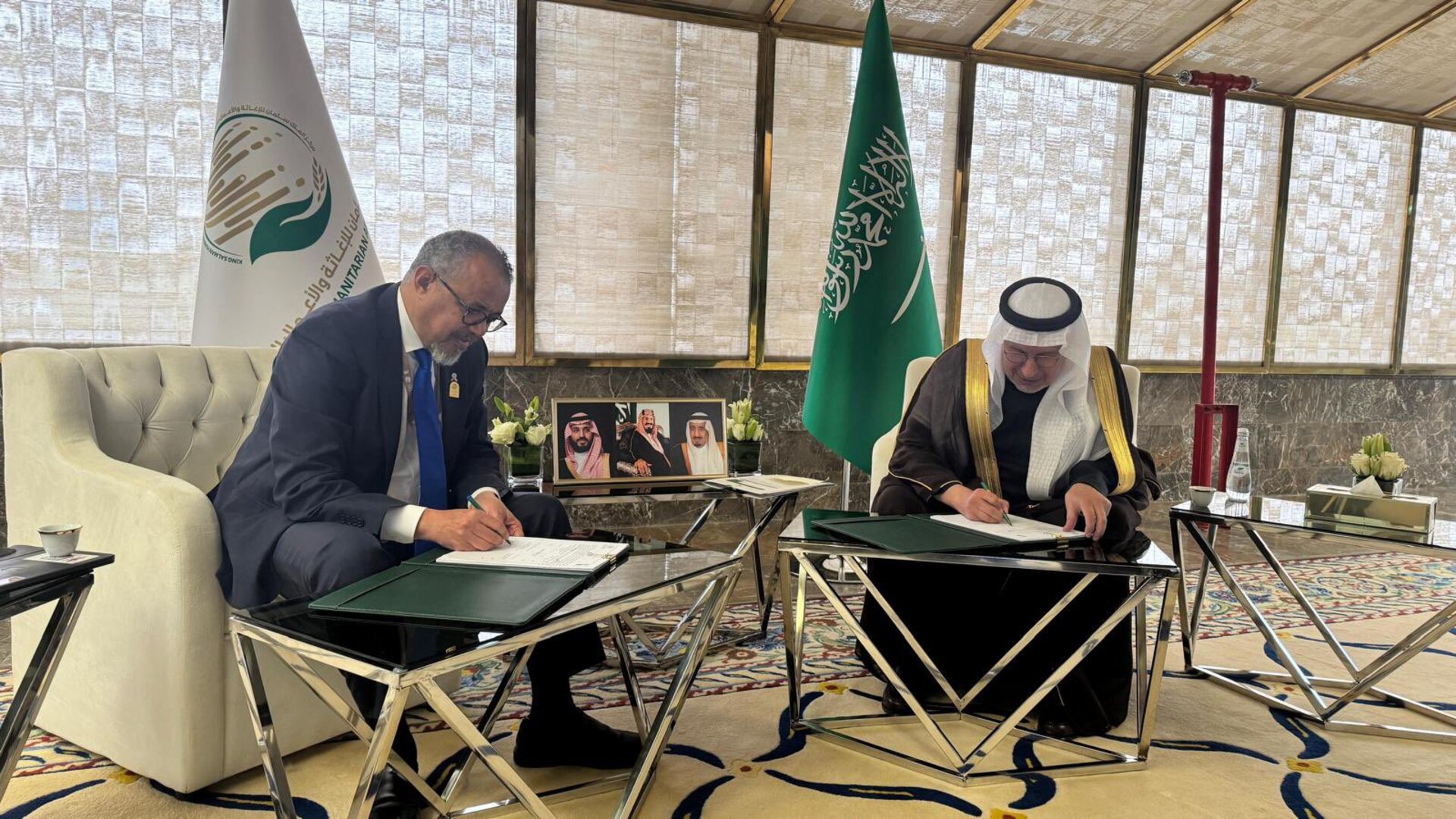
During the signing ceremonies, Dr. Tedros Adhanom Ghebreyesus, WHO Director-General, noted that the collaboration with KSRelief has been instrumental in navigating the "most complex humanitarian environments on earth." He emphasized that the financial commitment to polio eradication is not merely a donation but a long-term investment in the global health security architecture.
KSRelief Supervisor-General, Dr. Abdullah Al Rabeeah, reaffirmed the Kingdom’s stance, stating that the humanitarian mandate of the Saudi government is decoupled from political considerations, focusing instead on the preservation of human life and the mitigation of suffering. He highlighted that the 2025 forum provided the necessary consensus among international partners to tackle the root causes of health vulnerability, such as the destruction of water treatment facilities and the disruption of routine vaccination schedules.
Conclusion: Sustaining Momentum
The Riyadh International Humanitarian Forum 2025 has successfully established a template for how middle-power nations can exert positive influence through focused humanitarian investment. The agreements signed in Riyadh do not simply address symptoms; they target the structural barriers to health—vaccine access, chronic disease management in displacement, and the prevention of infectious disease outbreaks.
As the global community looks toward the remainder of 2025, the success of these initiatives will be measured by their implementation on the ground. The US$ 500 million polio commitment, in particular, will serve as a bellwether for the effectiveness of international coordination. With the infrastructure of cooperation now firmly in place, the challenge remains to maintain the political will and the logistical access required to deliver these life-saving interventions to the world’s most vulnerable populations. The Riyadh forum has provided the resources, but the ultimate impact will depend on the continued collaboration between state donors, international agencies, and local health workers who operate at the frontlines of the world’s most challenging crises.
