
Historical Context and the Evolution of the Strategy
The relationship between the WHO and the Swiss Confederation is unique, given that Switzerland hosts the WHO’s global headquarters in Geneva. However, the specific "Country Cooperation Strategy" (CCS) model is a more recent development in their diplomatic history. In 2013, Switzerland made history by becoming the first high-income country in the WHO European Region to adopt a structured cooperation strategy.
Before 2013, the WHO primarily focused its CCS frameworks on low- and middle-income countries, providing technical assistance and infrastructure support. By applying this model to Switzerland, both parties acknowledged that even highly developed health systems require systematic collaboration to address modern challenges such as aging populations, the digital transformation of healthcare, and cross-border health security. The 2013 pilot was widely considered a success, fostering a bidirectional exchange of knowledge where Switzerland provided expertise in health diplomacy while receiving technical guidance on national health policy alignment with international standards.
The 2025 Renewal: Objectives and Scope
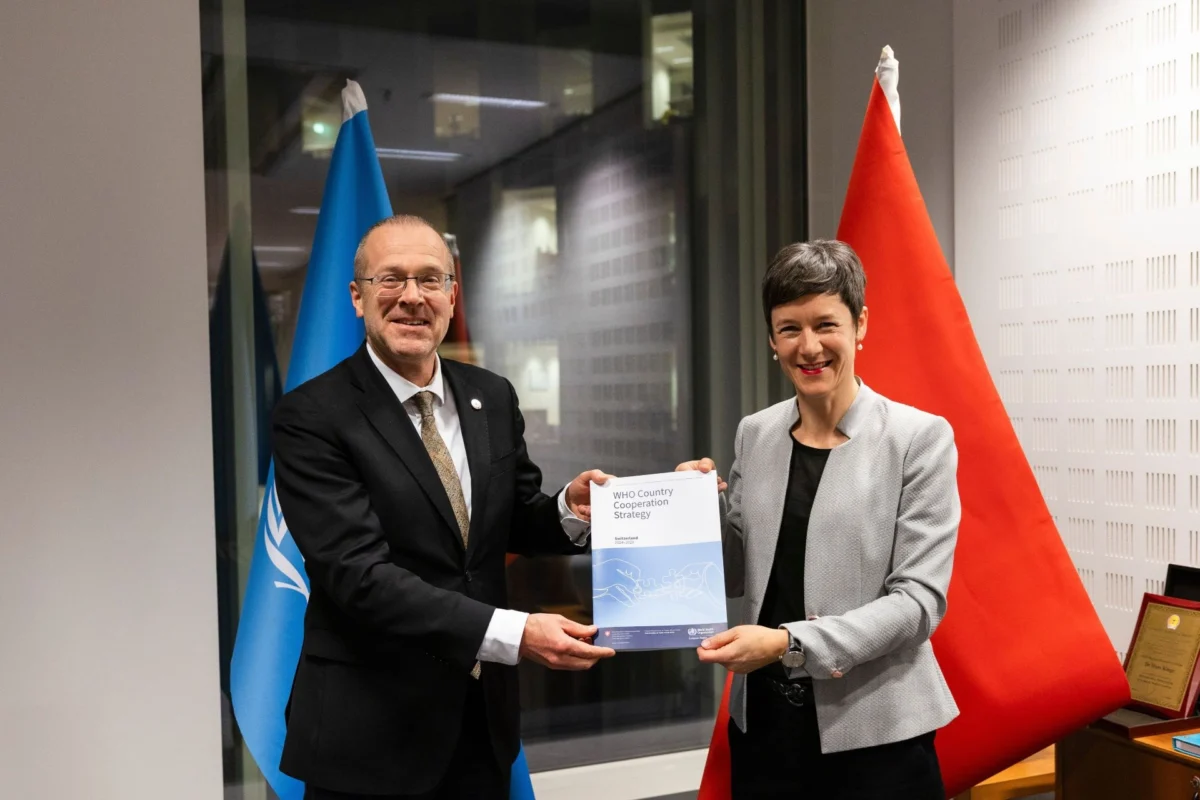
The signing ceremony on March 4, 2025, involving Dr. Hans Kluge, the WHO Regional Director for Europe, and Barbara Schedler, the Ambassador for Global Health at the Swiss Federal Office of Public Health, solidified a four-year roadmap. The 2024–2028 strategy focuses on three primary pillars: health security, health systems strengthening, and the promotion of health equity.
The new agreement explicitly prioritizes the integration of digital health tools, a move driven by the lessons learned during the global health crises of the early 2020s. Furthermore, the strategy outlines a commitment to strengthening the "One Health" approach, which recognizes the interconnectedness of human, animal, and environmental health. This is particularly relevant for Switzerland, a nation that sits at the center of European transit and maintains a robust agricultural sector, making it a critical node in zoonotic disease surveillance.
Chronology of the WHO-Switzerland Partnership
To understand the weight of this renewal, one must look at the timeline of the partnership’s development:
- 2013: Switzerland launches the first-ever CCS for a high-income nation within the WHO European Region, establishing a framework for domestic health alignment.
- 2019: The partnership is re-evaluated to address the increasing need for international solidarity in the face of rising non-communicable disease (NCD) burdens.
- 2020–2022: The COVID-19 pandemic tests the resilience of the collaboration. Switzerland plays a pivotal role in funding and policy coordination, leading to a joint decision in 2022 to overhaul the existing strategy for the post-pandemic era.
- 2024: Preparatory work concludes, setting the stage for the 2024–2028 cycle.
- March 4, 2025: The official signing ceremony takes place in Copenhagen, finalizing the commitments for the next four years.
Supporting Data and Policy Alignment
The effectiveness of this cooperation is underpinned by data-driven policy. According to the WHO European Region’s assessment, Switzerland ranks consistently among the highest globally in health expenditure per capita, yet it faces rising costs associated with chronic disease management and mental health support.
The 2024–2028 strategy integrates data from the WHO’s European Health Information Gateway. By utilizing this data, Switzerland aims to optimize its healthcare workforce distribution, a critical issue as the Swiss population ages. The agreement also includes provisions for shared technical expertise in "Global Health Diplomacy," a field in which Switzerland has become a world leader. This includes supporting the WHO in negotiations regarding the Pandemic Treaty and amendments to the International Health Regulations (IHR).
The Global BioHub System Connection
A critical component of this overarching partnership is the Switzerland-hosted Global BioHub system. Launched to facilitate the rapid sharing of pathogens and biological materials for the development of medical countermeasures, the BioHub serves as a practical demonstration of the cooperation strategy in action.

The BioHub represents a shift in how the international community approaches pandemic preparedness. By providing a secure, transparent, and standardized facility for the exchange of samples, Switzerland has provided the necessary infrastructure to reduce the time required to develop diagnostics and vaccines. The inclusion of this initiative within the broader 2024–2028 cooperation strategy signals that both the WHO and the Swiss government view the BioHub as a permanent, essential piece of global health infrastructure rather than a temporary crisis response mechanism.
Official Perspectives and Diplomatic Implications
While the signing was a formal administrative act, it carries significant diplomatic weight. Dr. Hans Kluge has frequently emphasized that the "Swiss model" of cooperation should be exported to other high-income nations. By aligning national health policies with the WHO’s "European Programme of Work" (EPW), Switzerland is demonstrating that international health cooperation is not merely an act of charity toward developing nations, but a strategic necessity for wealthy countries to manage their own domestic health challenges.
Barbara Schedler, representing the Swiss Federal Office of Public Health, has noted that the cooperation strategy serves as a bridge between Geneva’s multilateral environment and the operational realities of the Swiss healthcare system. For Switzerland, the value lies in the "feedback loop": the country helps shape WHO policy through its technical contributions and, in turn, adopts those global best practices to improve the health outcomes of its own citizens.
Analysis: Why This Strategy Matters for the Future
The renewal of this strategy comes at a time when multilateralism is under pressure. The ability of a sovereign state like Switzerland to enter into a multi-year, structured cooperation agreement with the WHO serves as a testament to the continued relevance of international health organizations.
Several implications of this partnership are clear:
- Standardization: As Switzerland adopts WHO-aligned health indicators, it facilitates better comparative data analysis across the European region. This allows researchers and policymakers to identify trends in health outcomes more effectively.
- Resource Optimization: By streamlining the communication channels between the Swiss Federal Office of Public Health and the WHO Regional Office, both parties reduce bureaucratic overlap, allowing for more agile responses to emerging health threats.
- Leadership in Health Diplomacy: Switzerland’s role as a "model partner" reinforces its position as a neutral, trusted intermediary in global health. This is vital for the WHO, as it provides a stable environment for sensitive negotiations and scientific research.
- Resilience Planning: The inclusion of climate-related health risks in the 2024–2028 strategy reflects a growing consensus that health systems must be "climate-proofed." Switzerland’s commitment to this goal provides a blueprint for other Alpine and European nations dealing with heatwaves and shifting disease vectors.
Looking Ahead to 2028
As the international community moves toward 2028, the success of this strategy will be measured by its tangible outcomes. Key performance indicators will include the integration of digital health records, the stability of the BioHub supply chains, and the efficacy of joint programs aimed at reducing the prevalence of non-communicable diseases.
The WHO-Switzerland cooperation is more than a diplomatic document; it is a working arrangement that reflects the modern reality of health. In an era where a health crisis in one corner of the globe can reach another within hours, the integration of national systems into a global network is no longer optional. By formalizing their collaboration through 2028, the WHO and Switzerland are providing a roadmap for how nations can successfully navigate the complexities of global health in the 21st century.
For those tracking the evolution of international health governance, the full details of the 2024–2028 country cooperation strategy are available via the official WHO/Europe portal. This document remains a primary reference point for stakeholders interested in the intersection of national health policy and international collaborative frameworks. As the world faces an uncertain health landscape, the partnership between the WHO and Switzerland stands as a pillar of stability and a blueprint for future regional and global health cooperation.
