
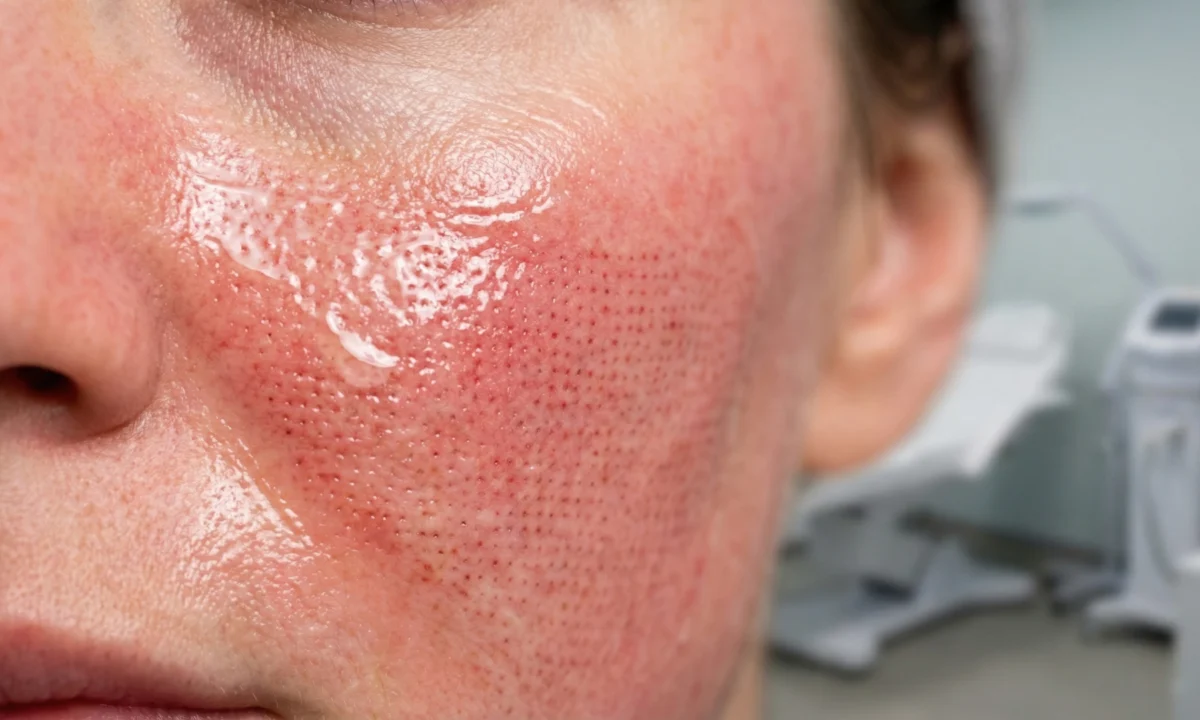
The Critical Nature of Facial Burn Pathophysiology
Facial skin is structurally distinct from the skin on the rest of the body. It is characterized by a high density of sebaceous glands, a rich vascular network, and a complex arrangement of musculature that facilitates expression and communication. When these tissues are compromised by thermal, chemical, or electrical burns, the stakes are exceptionally high. The primary goals of treatment are to minimize the depth of the wound—often referred to as preventing "burn wound conversion"—and to mitigate the risk of hypertrophic scarring, which can lead to functional impairment and profound psychological distress.
In the immediate aftermath of a burn, the tissue undergoes three distinct zones of injury: the zone of coagulation (irreversible tissue loss), the zone of stasis (potentially salvageable tissue), and the zone of hyperemia (tissue that usually recovers). The objective of clinical intervention, particularly through the use of HOCl, is to stabilize the zone of stasis. If infection or excessive inflammation occurs, this zone will progress to necrosis, deepening the burn and complicating the aesthetic outcome.
The Biochemistry of Hypochlorous Acid
Hypochlorous acid is a weak acid that forms when chlorine dissolves in water. In a biological context, it is the endogenous substance produced by neutrophils (white blood cells) during the "oxidative burst" to kill invasive microorganisms. Unlike traditional antiseptics like hydrogen peroxide or povidone-iodine, which can be cytotoxic to human fibroblasts and keratinocytes, HOCl is remarkably biocompatible.
The efficacy of HOCl lies in its ability to penetrate the cell walls of bacteria, viruses, and fungi. Because it carries no electrical charge, it can easily breach the negatively charged cell walls of pathogens, disrupting internal proteins and DNA. In the context of facial burns, this provides a "clean" environment for healing without the stinging or tissue irritation associated with alcohol-based or silver-based treatments.
A Chronology of Burn Management and HOCl Integration
The treatment of facial burns follows a strict clinical timeline, and the integration of HOCl has altered the standard protocols for many practitioners.
Phase 1: Acute Stabilization and Debridement (Hours 0–48)
Immediately following a burn, the focus is on cooling the tissue and removing debris. Traditionally, saline or tap water was used. However, the introduction of HOCl-based cleansers at this stage allows for early microbial load reduction. Because HOCl is non-irritating to the eyes and mucous membranes—areas frequently involved in facial burns—it can be applied more liberally than other disinfectants.

Phase 2: The Proliferative Phase (Days 3–21)
During this window, the body attempts to close the wound through the migration of epithelial cells. Infection is the greatest threat here. Data suggests that HOCl is highly effective against biofilms—complex communities of bacteria that are resistant to standard antibiotics. By disrupting these biofilms, HOCl ensures that the new skin cells can migrate across the wound bed without interference.
Phase 3: Remodeling and Maturation (Weeks 3 to 18 Months)
The final stage involves the formation of collagen. Excessive inflammation during the earlier phases often leads to the overproduction of collagen, resulting in raised, red scars. Because HOCl has been shown to downregulate pro-inflammatory cytokines, its use in the early stages is thought to lead to a more "quiet" healing process, ultimately resulting in a flatter, more natural skin texture.
Supporting Data and Clinical Efficacy
Clinical studies have increasingly validated the use of stabilized HOCl in wound care. Research indicates that HOCl can reduce the bacterial count in a wound by 99.9% within 30 seconds of application. In a comparative analysis of burn patients, those treated with HOCl-based solutions showed a significantly faster time to 100% epithelialization compared to those treated with silver sulfadiazine.
Furthermore, silver sulfadiazine, while a long-standing gold standard, is known to cause "pseudo-eschar" formation, which must be painfully scrubbed away during dressing changes. HOCl avoids this complication entirely. It can be applied as a spray, a gel, or via saturated gauze, providing a versatile toolkit for the clinician. In the aesthetic sector, where patient comfort and "downtime" are critical metrics, the painless nature of HOCl application is a significant advantage.
Perspectives from the Aesthetic and Medical Community
Dr. Helen Whyte and Dr. Ambreen Ayaz emphasize that the face is not merely a surface but a functional organ of social interaction. Their advocacy for HOCl reflects a broader shift in the aesthetic industry toward "biomimetic" treatments—solutions that work in harmony with the body’s natural chemistry.
Medical professionals specializing in burns have noted that the psychological recovery of a patient is inextricably linked to the physical outcome. "When we treat a facial burn, we are treating the patient’s identity," is a common sentiment in the field. The use of HOCl is seen as a preventative measure against the "second injury" of aggressive chemical treatments that can further traumatize delicate facial tissues.
While official responses from major health regulatory bodies like the FDA and MHRA have cleared various HOCl formulations for wound management, practitioners are cautioned to use only stabilized, medical-grade products. The stability of HOCl has historically been a challenge, as it tends to revert to saltwater if not formulated correctly. Modern manufacturing techniques have overcome this, allowing for shelf-stable products that maintain a consistent pH.

Broader Implications for Dermatology and Aesthetic Surgery
The implications of using HOCl for facial burns extend far beyond emergency medicine. The aesthetic industry is increasingly adopting HOCl for post-procedural care following CO2 laser resurfacing, deep chemical peels, and microneedling. These "controlled burns" or injuries require the same meticulous infection control and inflammation management as accidental thermal burns.
Furthermore, the rise of antibiotic-resistant bacteria, such as MRSA, has made the antimicrobial properties of HOCl even more relevant. Since HOCl kills through physical destruction of the pathogen rather than metabolic interference, bacteria cannot develop resistance to it. This makes it a sustainable long-term solution for wound care in an era of increasing pharmaceutical limitations.
Analysis of Future Trends
As the aesthetic industry continues to evolve, the focus is shifting toward "regenerative aesthetics." The use of HOCl fits perfectly into this paradigm. Future developments may see HOCl integrated into hydrogel dressings that provide a sustained release of the acid, or combined with growth factors to further accelerate the healing of the facial basement membrane.
The analysis of current clinical trends suggests that HOCl may eventually replace silver-based products as the primary topical agent for partial-thickness facial burns. Its lack of toxicity, ease of use, and superior aesthetic outcomes make it a compelling choice for both hospital-based burn units and private aesthetic clinics.
In conclusion, the insights shared by Dr. Whyte and Dr. Ayaz underscore a pivotal moment in wound care. By leveraging the body’s own defensive chemistry, clinicians can offer patients a path to recovery that prioritizes both survival and the restoration of their pre-injury appearance. As more data emerges, the role of hypochlorous acid is likely to expand, cementing its status as a cornerstone of modern facial burn management and aesthetic rehabilitation. The transition from harsh, exogenous chemicals to biocompatible, endogenous solutions marks a sophisticated advancement in the pursuit of optimal patient outcomes in the most challenging of clinical scenarios.
