
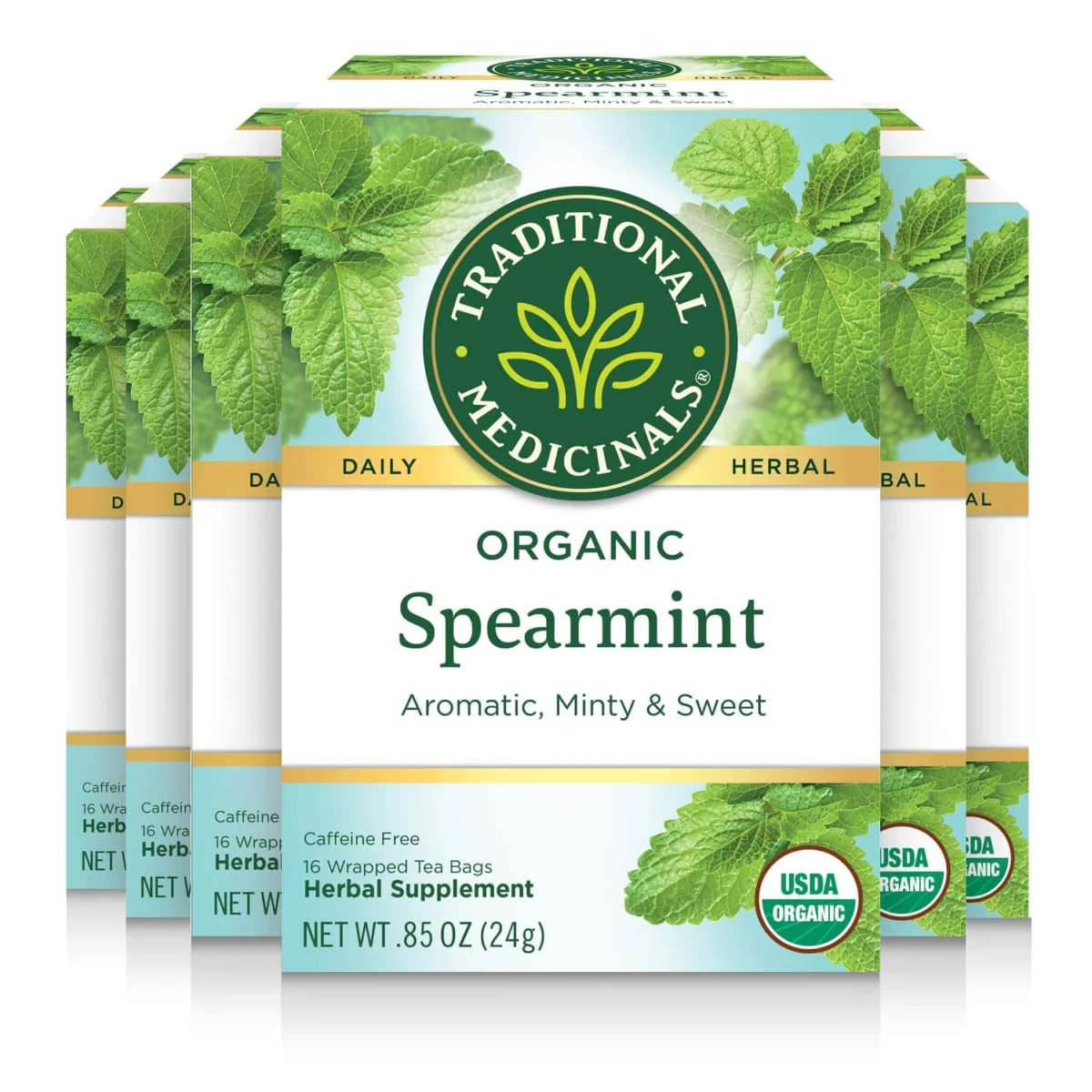
Clinical research and emerging dermatological studies are increasingly highlighting the efficacy of spearmint tea as a non-pharmacological intervention for women diagnosed with Polycystic Ovary Syndrome (PCOS). This endocrine disorder, which affects an estimated 8% to 13% of reproductive-aged women worldwide, is characterized by a complex interplay of hormonal imbalances, insulin resistance, and ovulatory dysfunction. While pharmaceutical treatments such as oral contraceptives and anti-androgens remain the standard of care, a growing body of evidence suggests that the consumption of spearmint tea (Mentha spicata) can significantly mitigate the symptoms of hyperandrogenism, including hirsutism, inflammatory acne, and irregular menstrual cycles.
The Clinical Foundation: Understanding the Impact on Androgens
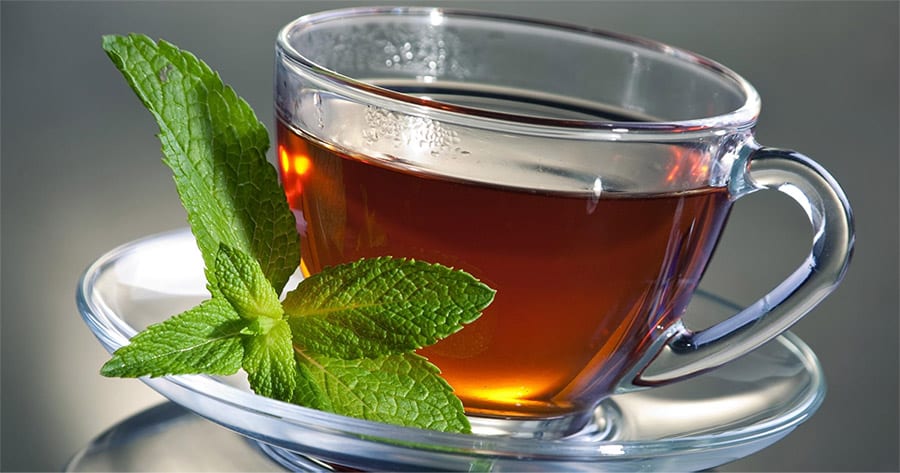
The primary catalyst for the medical community’s interest in spearmint tea stems from a seminal randomized controlled trial involving 42 women diagnosed with PCOS. In this study, participants were divided into two cohorts: the intervention group consumed spearmint herbal tea twice daily for a one-month duration, while the control group was administered a placebo herbal tea. The findings, published in "Phytotherapy Research," revealed a statistically significant reduction in both total and free testosterone levels among the spearmint group.
Furthermore, the study observed an increase in luteinizing hormone (LH) and follicle-stimulating hormone (FSH). These shifts are critical because PCOS is often defined by an elevated LH-to-FSH ratio, which disrupts the normal maturation of ovarian follicles. By normalizing these gonadotropins and suppressing androgens, spearmint tea acts as a natural anti-androgen. While the clinical measurement of hirsutism—excessive terminal hair growth in a male-pattern distribution—did not show a drastic objective change within the short 30-day window, the subjective reports from participants indicated a perceived reduction in hair growth, suggesting that long-term adherence might yield more visible dermatological results.
A Chronology of Research: From Traditional Remedy to Modern Science
The use of mint species for medicinal purposes dates back centuries, with traditional Persian and Middle Eastern medicine employing spearmint for its digestive and carminative properties. However, its specific application for endocrine health is a relatively modern development in clinical phytotherapy.
In 2007, early pilot studies first suggested the anti-androgenic potential of spearmint in women with hirsutism. This was followed by the more robust 2009 trial that established the hormonal parameters. By 2015, the American Academy of Dermatology began acknowledging the plant’s role in skin health, noting that organic spearmint tea could reduce inflammatory acne lesions by 25% after one month and by up to 51% after three months of consistent use.
The research trajectory shifted toward metabolic and cognitive health in the late 2010s. A 2017 study published in the "Iranian Journal of Pharmaceutical Research" utilized animal models to demonstrate the hypoglycemic and antioxidant activities of spearmint, providing a link between the herb and the management of insulin resistance—a core feature of PCOS. Most recently, in 2018, research published in the "Journal of Alternative and Complementary Medicine" expanded the scope of spearmint’s benefits to include cognitive function, showing that spearmint extract could improve working memory and mental focus in individuals with age-associated memory impairment.
Metabolic Implications: Addressing Insulin Resistance and Blood Sugar
Insulin resistance is a primary driver of the pathophysiology of PCOS, affecting approximately 70% of women with the condition regardless of their Body Mass Index (BMI). When the body becomes less responsive to insulin, the pancreas compensates by producing more of the hormone. Elevated insulin levels directly stimulate the ovarian theca cells to produce excess androgens, exacerbating PCOS symptoms.
While human-specific trials focusing exclusively on spearmint and insulin in PCOS are still limited, preliminary animal data suggests a promising correlation. In studies involving diabetic rats, spearmint aqueous extract demonstrated a notable capacity to lower blood glucose levels. For women with PCOS, this suggests that spearmint tea may serve as a supportive tool in reducing the risk of developing Type 2 diabetes and metabolic syndrome. By potentially improving insulin sensitivity, spearmint tea addresses the root cause of androgen overproduction rather than merely masking the outward symptoms.

Dermatological and Reproductive Outcomes
The most visible manifestations of PCOS—acne and hirsutism—often carry a significant psychological burden, leading to increased rates of anxiety and depression among patients. The anti-androgenic effects of spearmint tea offer a dual-action approach to these issues:
- Inflammatory Acne: High levels of circulating androgens stimulate the sebaceous glands to produce excess oil, which clogs pores and fosters the growth of acne-causing bacteria. By lowering free testosterone, spearmint tea reduces the hormonal trigger for these breakouts.
- Hirsutism and Hair Loss: Conversely, while androgens stimulate hair growth on the face and body, they can cause follicular miniaturization on the scalp, leading to female pattern hair loss (androgenic alopecia). Spearmint’s ability to modulate the hormonal environment helps in slowing unwanted facial hair growth while potentially preserving scalp hair density.
Regarding reproductive health, the normalization of the LH and FSH balance is essential for restoring regular ovulation. Many women with PCOS experience oligomenorrhea (infrequent periods) due to the presence of multiple immature follicles on the ovaries. By encouraging a more favorable hormonal milieu, spearmint tea may assist in regulating the menstrual cycle and reducing the "string of pearls" appearance of ovarian follicles often seen on ultrasounds.
Cognitive Function and the Management of "Brain Fog"
A frequently overlooked symptom of PCOS is cognitive fatigue, often colloquially referred to as "brain fog." This condition is frequently linked to fluctuations in blood sugar and the inflammatory nature of the syndrome. Spearmint contains high concentrations of polyphenols, including rosmarinic acid, which have been shown to possess neuroprotective and antioxidant properties.

The 2018 study on memory impairment highlighted that spearmint extract significantly improved "working memory"—the ability to hold and manipulate information over short periods. For women with PCOS, this suggests that the tea may help mitigate the mental fatigue and lack of focus that often accompany hormonal shifts. Furthermore, the act of consuming herbal tea has been associated with lower cortisol levels, providing a secondary benefit of stress reduction.
Guidelines for Preparation and Consumption
To achieve the therapeutic benefits observed in clinical settings, the method of preparation and the consistency of consumption are paramount. Medical experts and herbalists generally recommend the following protocol:
- Dosage: Two cups (approximately 12 ounces each) per day are typically cited in research as the effective dose for hormonal modulation.
- Preparation: Use approximately one gram of dried spearmint leaves or one high-quality tea bag per cup. The tea should be steeped in boiling water for at least 10 minutes to ensure the extraction of essential volatile oils and polyphenols.
- Duration: Unlike pharmaceutical interventions that may work within days, herbal remedies require patience. Most clinical studies indicate that significant hormonal changes and symptomatic relief take between three to six months of daily adherence to manifest.
- Temperature: The tea may be consumed hot or cold, as the active compounds remain stable. Iced spearmint tea is often recommended as a palatable alternative during warmer months.
Safety Profiles and Contraindications
While spearmint tea is generally recognized as safe (GRAS) by regulatory bodies, it is not without potential side effects. The most common adverse reaction is gastrointestinal distress. Because mint can relax the lower esophageal sphincter, it may exacerbate symptoms of gastroesophageal reflux disease (GERD) or heartburn.
There are also theoretical concerns regarding the overconsumption of spearmint in supplement form. Concentrated extracts or essential oils should only be used under the guidance of a healthcare professional, as excessive doses can potentially impact liver or kidney function. Furthermore, because spearmint affects hormone levels, its use is generally discouraged during pregnancy or breastfeeding unless specifically cleared by an obstetrician.
The Broader Impact on PCOS Management and Healthcare
The integration of spearmint tea into PCOS management plans represents a broader shift toward integrative medicine. For many patients, the side effects of standard medications—such as the potassium-sparing effects of Spironolactone or the gastrointestinal upset associated with Metformin—make long-term compliance difficult. Spearmint tea offers a low-cost, accessible, and side-effect-minimal adjunct that empowers patients to take an active role in their hormonal health.
From a public health perspective, the use of evidence-based herbal interventions could potentially reduce the economic burden of PCOS. By managing symptoms early through diet and lifestyle, the long-term costs associated with infertility treatments, diabetes management, and cardiovascular complications may be mitigated.

Analysis of Implications
The growing evidence for spearmint tea underscores a critical need for more large-scale, long-term human clinical trials. While current data is promising, much of the understanding of its metabolic impact still relies on animal models. However, the existing human trials on androgens are robust enough to suggest that spearmint is more than just a folk remedy; it is a functional food with specific endocrine targets.
For women navigating the complexities of PCOS, spearmint tea should not be viewed as a "cure-all" but as one component of a holistic strategy that includes nutritional changes, exercise, and, when necessary, medical supervision. As the medical community continues to validate these natural interventions, the stigma surrounding herbal medicine is likely to diminish, paving the way for more comprehensive and personalized treatment protocols for endocrine disorders.
