
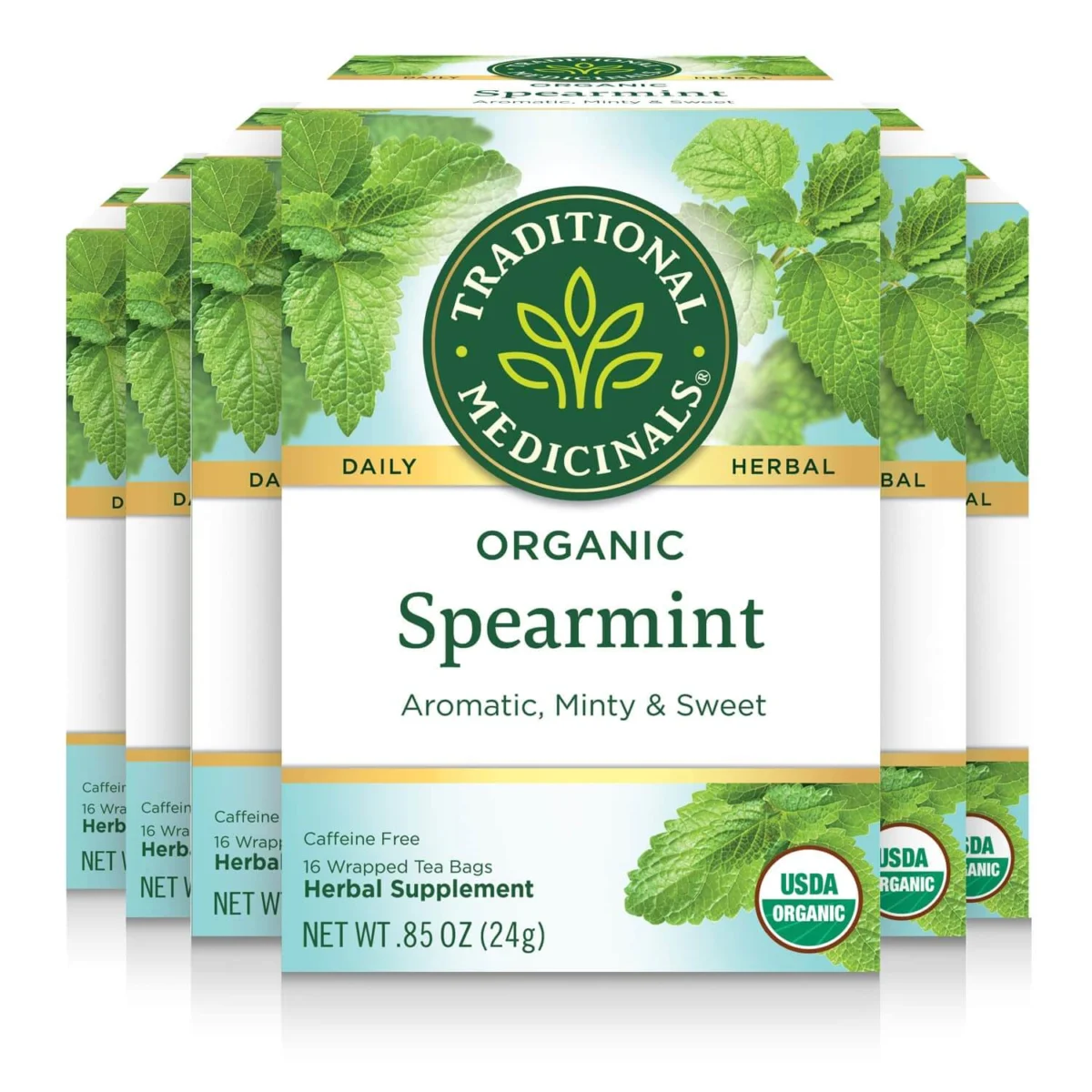
Polycystic Ovary Syndrome (PCOS) remains one of the most common endocrine disorders affecting individuals of reproductive age, impacting an estimated 6 to 12 percent of women globally. Characterized by a complex interplay of hormonal imbalances, insulin resistance, and metabolic disruptions, PCOS frequently manifests in challenging symptoms such as hirsutism (unwanted facial and body hair growth), inflammatory acne, irregular menstrual cycles, and alopecia. While conventional pharmacological treatments—including oral contraceptives and anti-androgen medications—are standard, a growing segment of patients and clinical researchers are exploring natural, complementary therapies. Among these, spearmint tea (Mentha spicata) has emerged as a subject of significant scientific interest due to its notable anti-androgen properties.
Understanding the Biochemical Mechanism of Spearmint and Androgens
The physiological foundation for utilizing spearmint tea in PCOS management lies in its ability to modulate androgen levels. Androgens, often referred to as male hormones, are naturally present in women but are typically elevated in those diagnosed with PCOS. This hormonal excess is the primary driver behind clinical manifestations such as stubborn acne, male-pattern hair loss, and excessive facial hair.
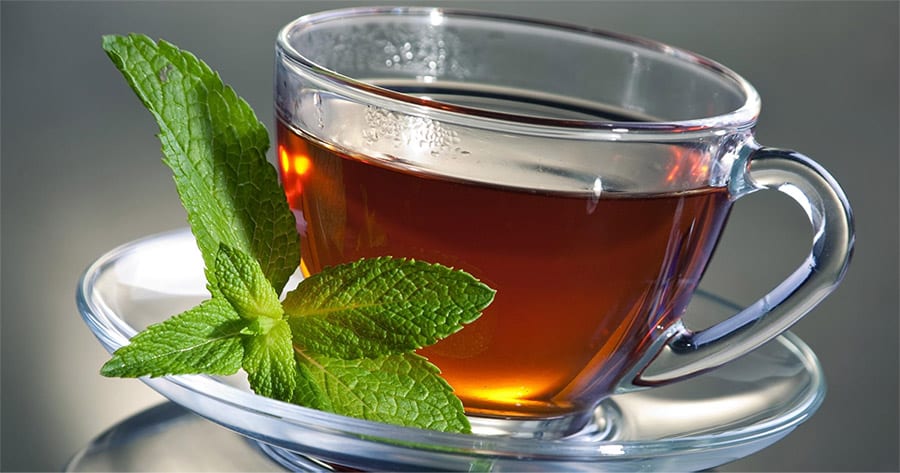
Clinical investigations into the botanical properties of spearmint have demonstrated that regular consumption can significantly reduce both total and free testosterone concentrations in the bloodstream. By acting as a natural anti-androgen, spearmint helps to recalibrate the endocrine environment, offering a biochemical pathway to mitigate symptoms at their root source rather than merely masking them topically or temporarily.
Key Clinical Findings and Randomized Controlled Trials
Scientific inquiry into spearmint’s efficacy gained substantial momentum following randomized controlled trials evaluating its impact on women with PCOS. In a landmark clinical study, researchers divided forty-two participants diagnosed with PCOS into two cohorts: one consumed spearmint tea twice daily for a period of one month, while the control group ingested a placebo herbal beverage.
The physiological outcomes of the trial revealed distinct markers of hormonal shifts. Participants in the spearmint intervention group exhibited statistically significant reductions in circulating free and total testosterone levels. Furthermore, the study noted compensatory increases in luteinizing hormone (LH) and follicle-stimulating hormone (FSH). Although clinical measurements of hair reduction via clinical scoring systems did not show dramatic shifts within the relatively short one-month timeframe, participants subjectively reported noticeable decreases in unwanted hair growth, aligning with the biochemical drop in androgens.
Dermatological Impacts: Addressing Hirsutism and Inflammatory Acne
Dermatological symptoms associated with PCOS often impose a heavy psychological toll on patients. Acne and hirsutism are notoriously difficult to treat and frequently resistant to conventional over-the-counter regimens. Expanding upon the anti-androgenic profile of spearmint, subsequent dermatological research has highlighted its efficacy in clearing inflammatory skin lesions.
Data published by the American Academy of Dermatology highlights that consuming two cups of organic spearmint tea daily yields measurable improvements in skin health over time. Clinical observations indicate a 25 percent reduction in inflammatory acne lesions after one month of consistent intake, with improvements escalating to a 51 percent reduction after three months. These findings suggest that cumulative botanical consumption exerts a sustained suppressive effect on the sebaceous gland stimulation caused by excess circulating androgens.
Metabolic Implications: Insulin Resistance and Glycemic Control

Beyond its endocrine and dermatological effects, PCOS is inextricably linked to metabolic dysfunction, most notably insulin resistance. Up to 70 percent of women with PCOS experience difficulty with insulin processing, placing them at an elevated long-term risk for developing prediabetes, type 2 diabetes, and cardiovascular complications.
While human clinical trials specifically targeting blood sugar regulation via spearmint tea remain limited, robust animal model studies provide foundational insights. Research examining the effects of aqueous extracts of Mentha spicata leaves on diabetic rodent models demonstrated notable hypoglycemic and hypocholesterolemic outcomes. Researchers observed that spearmint extracts contributed to lowered blood glucose levels and improved lipid profiles. In the context of human PCOS pathology, mitigating insulin resistance through dietary adjuncts like spearmint tea could theoretically support broader metabolic stabilization, reducing the downstream risks associated with chronic hyperglycemia.
Cognitive Function, Oxidative Stress, and Menstrual Regularity
The systemic nature of PCOS extends into neurological and inflammatory domains. Many patients report chronic fatigue, heightened levels of oxidative stress, and cognitive difficulties commonly described as "brain fog."

Clinical studies evaluating spearmint extracts containing rosmarinic acid and other phenolic compounds have demonstrated positive impacts on cognitive performance. In trials involving individuals experiencing age-associated memory impairment, supplementation with spearmint extract over a 90-day period resulted in statistically significant enhancements in working memory, sustained attention, and overall cognitive processing. Because women with PCOS frequently navigate chronic low-grade systemic inflammation and elevated oxidative stress markers, the potent antioxidant properties of spearmint tea serve a dual purpose by helping to neutralize free radicals and protect cellular integrity.
Additionally, by helping to normalize the overarching hormonal cascade and suppress hyperandrogenism, spearmint tea may indirectly support the reduction of ovarian follicular micro-cysts. This internal normalization often correlates with improvements in oligomenorrhea, gradually fostering a more predictable and regular menstrual cycle for those who previously experienced severe irregularity.
Preparation Protocols, Dosage, and Administration
Translating clinical research into practical, daily application requires adherence to preparation methods that preserve the botanical’s active compounds. Standard preparation mirrors traditional herbal tea brewing: approximately one gram of dried spearmint leaves or a high-quality spearmint tea bag is steeped in roughly 12 ounces of freshly boiled water for approximately 10 to 15 minutes.
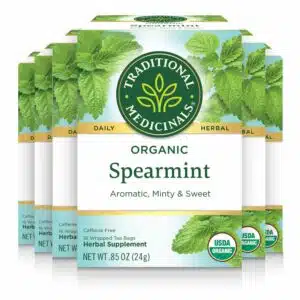
Based on clinical trial parameters, the standard therapeutic dosage utilized to achieve measurable reductions in testosterone typically involves consuming two cups of spearmint tea per day. The beverage can be ingested hot or allowed to cool and served iced, depending on individual preference, without diminishing the chemical efficacy of the active constituents. For individuals who prefer cultivation, Mentha spicata is a hardy perennial herb that can be easily grown from seeds or starter plants, providing a continuous supply of fresh leaves for home brewing.
Timeline of Efficacy and Patient Expectations
Medical professionals and nutritionists emphasize the necessity of patience when integrating botanical interventions into a healthcare regimen. Unlike pharmaceutical agents engineered for immediate potency, herbal remedies operate gradually within human physiological systems.
Data from longitudinal observations indicate that meaningful, sustained shifts in hormonal balance and associated clinical symptoms generally require a consistent consumption period ranging from three to six months. Patients are advised to maintain realistic expectations and view spearmint tea as a supportive, long-term dietary modification rather than an overnight therapeutic fix.

Cautions, Potential Side Effects, and Contraindications
While spearmint tea is widely regarded as safe for general consumption, certain precautions must be observed. Overconsumption, particularly when utilizing concentrated spearmint extracts or essential oil supplements rather than brewed tea, can occasionally lead to gastrointestinal discomfort, such as mild stomach upset.
Individuals diagnosed with gastroesophageal reflux disease (GERD) should exercise caution, as mint derivatives can relax the lower esophageal sphincter, potentially exacerbating acid reflux symptoms. Furthermore, pregnant or breastfeeding individuals, as well as those managing complex underlying medical conditions, are strongly advised to consult a qualified healthcare provider before introducing concentrated herbal regimens into their daily routines. Consulting a physician ensures that botanical strategies safely complement existing medical treatments without causing adverse interactions.
Broader Implications for Integrative PCOS Management
The integration of lifestyle modifications, dietary adjustments, and botanical supports like spearmint tea underscores a broader paradigm shift in the management of chronic endocrine disorders. As modern medicine increasingly embraces integrative and patient-centric models of care, accessible dietary tools provide individuals with agency in managing their symptoms.
While spearmint tea is not a standalone cure for Polycystic Ovary Syndrome, the cumulative body of clinical research substantiates its role as a valuable, evidence-based adjunct therapy. By naturally lowering androgen levels, supporting dermatological health, offering antioxidant protection, and potentially aiding metabolic stability, spearmint tea represents a simple yet scientifically grounded strategy for enhancing the quality of life for individuals navigating the complexities of PCOS.
