

Polycystic Ovary Syndrome (PCOS) stands as the most prevalent endocrine and metabolic disorder affecting women of reproductive reproductive age, yet securing a clinical diagnosis remains an arduous and protracted undertaking. Recent public health research indicates that patients routinely endure a diagnostic odyssey spanning up to two years, frequently necessitating consultations with at least three distinct medical professionals before receiving definitive confirmation. This substantial delay highlights systemic inefficiencies in women’s healthcare, leaving millions of individuals to manage distressing physical and psychological symptoms without adequate clinical guidance or validation.
The clinical manifestations of PCOS are diverse and often overlapping, encompassing irregular menstrual cycles, hyperandrogenism resulting in excess facial and body hair, thinning scalp hair, and significant fertility challenges. Compounding these physical burdens are severe psychological ramifications, including elevated risks for anxiety, depression, and long-term metabolic complications such as type 2 diabetes, cardiovascular disease, and endometrial hyperplasia. Given these stakes, the traditional diagnostic timeline is increasingly viewed by health advocates and endocrinologists as unacceptable, prompting a search for more streamlined, accessible diagnostic pathways.
Traditional Diagnostic Frameworks and Their Limitations

The conventional approach to diagnosing PCOS relies heavily on a multifaceted evaluation process rather than a single definitive pathology test. Clinicians predominantly utilize the Rotterdam criteria, an international standard established in 2003. To receive a formal diagnosis under these guidelines, a patient must present with at least two of three cardinal features: chronic oligo- or anovulation manifested as irregular or absent menstrual periods; clinical or biochemical signs of hyperandrogenism; and the presence of polycystic ovaries identified via pelvic ultrasonography.
Before confirming a PCOS diagnosis, physicians must systematically exclude a myriad of differential diagnoses that mimic its presentation. These include Cushing’s syndrome, congenital adrenal hyperplasia, androgen-secreting neoplasms, thyroid disorders such as hypothyroidism, hyperprolactinemia, and drug-induced hirsutism. The investigative protocol typically involves a transvaginal ultrasound, which utilizes high-frequency sound waves to visualize the ovaries and assess for the characteristic accumulation of multiple small fluid-filled follicles surrounding the eggs. However, medical literature notes that up to twenty percent of healthy women may present with polycystic ovarian morphology on an ultrasound without exhibiting the systemic hormonal disturbances definitive of true PCOS.

Concurrently, healthcare providers order comprehensive blood panels to evaluate circulating hormone levels, including total and free testosterone, dehydroepiandrosterone sulfate (DHEAS), luteinizing hormone (LH), follicle-stimulating hormone (FSH), and sex hormone-binding globulin (SHBG). For patients actively trying to conceive, clinicians frequently assess anti-Müllerian hormone (AMH) concentrations to gauge ovarian reserve. The necessity of coordinating these imaging appointments, laboratory visits, and specialist referrals largely accounts for the prolonged timeline documented in patient dissatisfaction surveys.
The Integration of Decentralized Diagnostics
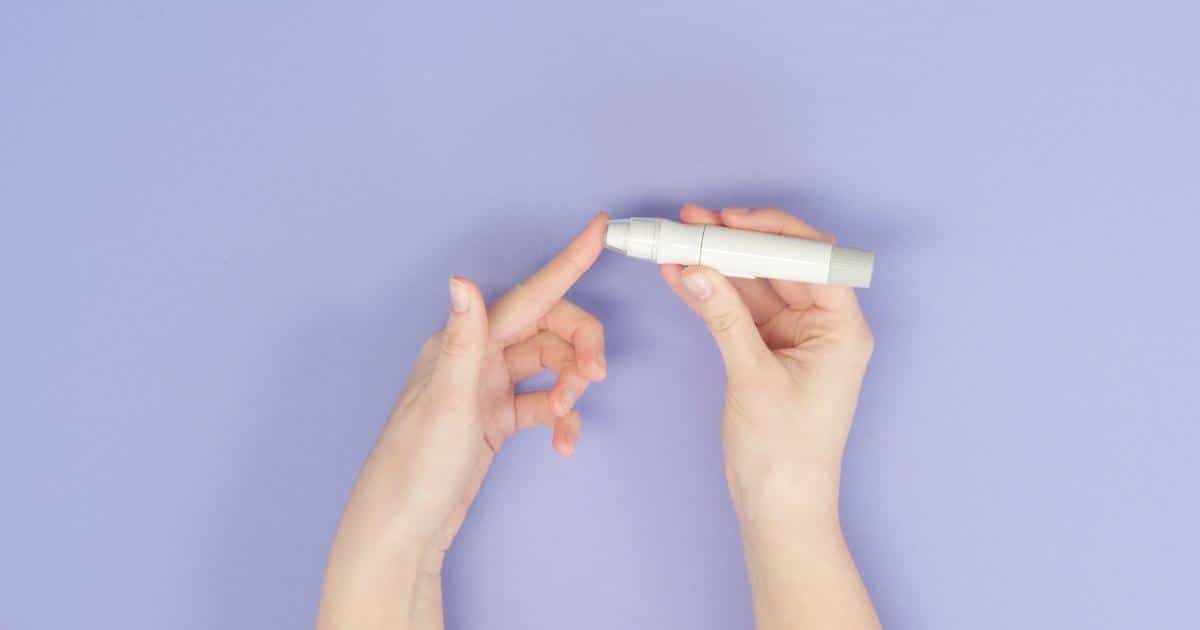
To mitigate the systemic bottlenecks inherent in traditional healthcare models, decentralized diagnostic tools have emerged within the medical technology sector. Among these innovations is the at-home hormone testing kit designed specifically to evaluate biological markers associated with polycystic ovary syndrome. Utilizing a capillary blood sample obtained via a simple finger-prick collection method, these home kits aim to streamline the initial investigative phase for patients experiencing suspected endocrine disruptions.
The operational protocol for at-home hormone testing requires precise adherence to physiological timing. For individuals maintaining a relatively regular menstrual cycle, sample collection is typically scheduled between the third and fifth days following the onset of menses to capture baseline reproductive hormone fluctuations accurately. Conversely, patients experiencing chronic amenorrhea or profound cycle irregularity are advised to collect samples across three consecutive days, accommodating the unpredictable nature of their endocrine status. Clinical review teams incorporate these historical data points when interpreting laboratory assays to provide a probable preliminary assessment.

Crucially, medical experts emphasize that individuals utilizing hormonal contraceptives must discontinue their use prior to sample collection. Exogenous hormones profoundly suppress endogenous hypothalamic-pituitary-ovarian axis activity, artificially altering circulating gonadotropins and androgens, which inevitably skews diagnostic profiling. Once collected, specimens are shipped via prepaid priority mail to certified clinical laboratories that adhere to rigorous quality control standards comparable to those utilized by institutional hospitals and commercial pathology networks.
Clinical Implications and Broader Healthcare Impact

The introduction of direct-to-consumer and at-home endocrine assessments marks a significant shift in patient empowerment and proactive health management. While these kits do not formally replace comprehensive physical examinations, pelvic imaging, or the clinical oversight of a qualified endocrinologist or gynecologist, they serve a vital triage function. By providing concrete biological data early in the symptom management cycle, patients are equipped with objective evidence to present during subsequent physician consultations, effectively bypassing preliminary diagnostic delays.
Public health analysts note that bridging the diagnostic gap carries profound economic and social implications. Early identification of hormonal imbalances enables timely lifestyle interventions, pharmacological management of insulin resistance, and proactive monitoring for metabolic comorbidities. Furthermore, mitigating the psychological distress associated with prolonged uncertainty improves overall quality of life for millions of reproductive-aged women. As telehealth and decentralized diagnostics continue to evolve, the integration of validated home-testing modalities into standard clinical workflows represents a promising step toward more equitable, efficient, and patient-centered endocrine care.
