

Polycystic Ovary Syndrome (PCOS) stands as one of the most prevalent endocrine disorders affecting individuals of reproductive age, impacting an estimated 6 to 13 percent of women worldwide. Characterized by a complex constellation of hormonal imbalances, metabolic disruptions, and chronic low-grade inflammation, the syndrome presents significant clinical management challenges. Among the emerging therapeutic approaches, the traditional Mediterranean diet has garnered substantial attention from the endocrinology and gynecology research communities. Recent medical investigations highlight the potential of this plant-forward nutritional framework to alleviate core pathology associated with PCOS, offering a sustainable, food-as-medicine intervention for long-term health.
Understanding the Pathophysiology and the Metabolic Burden of PCOS
To comprehend the therapeutic value of the Mediterranean diet, medical professionals must first examine the physiological mechanisms driving PCOS. The condition is clinically diagnosed primarily through hyperandrogenism (elevated male hormones such as testosterone), ovulatory dysfunction, and polycystic ovarian morphology visualized via ultrasound. However, the systemic implications extend far beyond reproductive health.
Epidemiological and clinical data indicate that approximately 50 to 70 percent of women with PCOS suffer from insulin resistance. This metabolic defect occurs when cells fail to respond effectively to the hormone insulin, prompting the pancreas to produce compensatory hyperinsulinemia (excess circulating insulin). This state of elevated insulin not only drives weight gain, irregular menstrual cycles, and an elevated long-term risk of cardiovascular disease, but it also directly stimulates the ovaries to produce excess testosterone. Consequently, patients experience distressing dermatological and physical manifestations, including hirsutism (excess hair growth), inflammatory acne, and female-pattern hair loss.
Furthermore, chronic low-grade systemic inflammation is an intrinsic component of the syndrome. This persistent immune response exacerbates insulin resistance, creating a self-reinforcing cycle of metabolic dysfunction. Additionally, clinical findings demonstrate that roughly 33 percent of women with PCOS meet the diagnostic criteria for metabolic syndrome, elevating their susceptibility to type 2 diabetes, stroke, and non-alcoholic fatty liver disease (NAFLD) at an earlier age compared to the general population.
The Mediterranean Diet Framework: Core Principles and Nutritional Composition
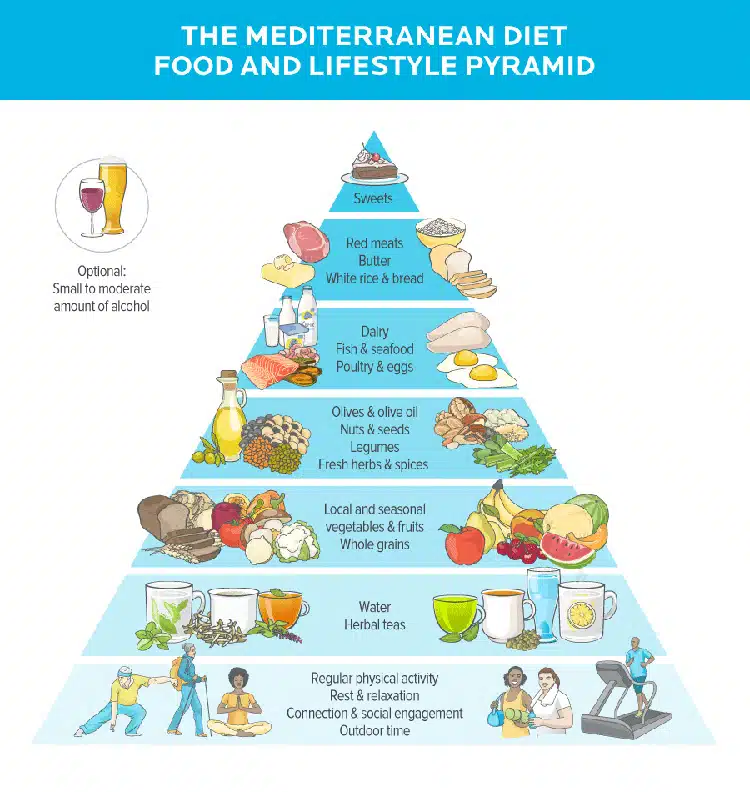
Originating from the traditional dietary patterns of countries bordering the Mediterranean Sea—such as Greece, Southern Italy, and Spain—the Mediterranean diet is defined not by strict caloric restriction, but by qualitative nutritional choices. The framework prioritizes fresh fruits and vegetables, whole grains, legumes, nuts, seeds, and extra virgin olive oil as the primary source of dietary fat. Moderate consumption of fish, poultry, fermented dairy products such as yogurt and cheese, and eggs is permitted, while red meat, highly processed items, and refined sugars are strictly minimized.
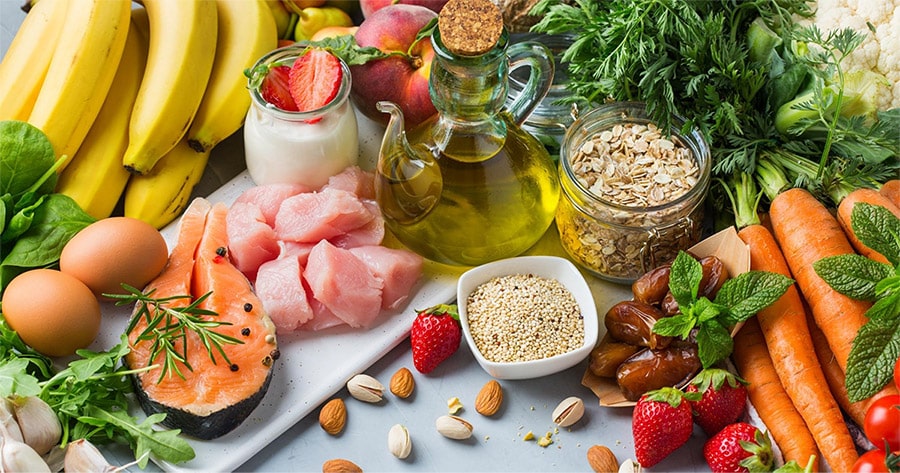
Unlike the standard Western diet—which is heavy in trans fats, highly refined carbohydrates, added sugars, and processed meats—the Mediterranean diet is exceptionally dense in antioxidants, dietary fiber, and monounsaturated and omega-3 fatty acids. This unique compositional profile directly targets the pathophysiological roots of PCOS, functioning as a comprehensive metabolic stabilizer.
Mitigating Chronic Inflammation and Improving Insulin Sensitivity
Recent clinical reviews published in medical journals such as Endocrine, Metabolic & Immune Disorders – Drug Targets and Nutrients emphasize the profound anti-inflammatory capacity of the Mediterranean dietary pattern. The abundance of polyphenols, carotenoids, and omega-3 fatty acids found in olive oil, fatty fish, walnuts, and colorful produce acts to suppress systemic inflammatory pathways, notably reducing circulating levels of C-reactive protein (CRP) and interleukins.
By dampening chronic inflammation, the Mediterranean diet concurrently improves cellular receptor responsiveness to insulin. Clinical trials evaluating long-term dietary interventions demonstrate that adherence to this regimen significantly lowers fasting blood glucose and fasting insulin levels. Enhanced insulin sensitivity breaks the pathological loop wherein hyperinsulinemia drives ovarian hyperandrogenism. Consequently, reductions in circulating insulin facilitate normalization of the hypothalamic-pituitary-ovarian axis, leading to more regular menstrual cycles and spontaneous ovulation.
Reversing Hormonal Imbalances and Lowering Testosterone
Hyperandrogenism remains a hallmark feature causing significant psychological and physical distress for PCOS patients. Emerging clinical data indicate that the specific lipid profile of the Mediterranean diet plays a direct role in mitigating elevated androgen levels.
Research investigating dietary patterns and body composition in women with PCOS reveals an inverse relationship between strict adherence to the Mediterranean diet and circulating total and free testosterone concentrations. This hormonal modulation is largely attributed to the high intake of omega-3 polyunsaturated fatty acids and the favorable ratio of monounsaturated fats. By improving insulin sensitivity, the liver increases its production of Sex Hormone-Binding Globulin (SHBG), a protein that binds to free testosterone and renders it biologically inactive. Lower free testosterone levels directly translate to clinical improvements in acne severity, reductions in unwanted facial and body hair growth, and the halting of scalp hair thinning.
Enhancing Reproductive Outcomes and Fertility Rates
For women attempting to conceive, PCOS is recognized as a leading cause of anovulatory infertility. Traditional pharmaceutical interventions, such as ovulation-induction agents, are frequently utilized, yet lifestyle and nutritional optimization serve as a vital foundational therapy.
Landmark studies published in prominent journals including Human Reproduction evaluated the association between the Mediterranean diet and assisted reproductive technology (ART) outcomes. The findings revealed that non-obese women adhering closely to a Mediterranean dietary pattern exhibited a 65 to 68 percent greater likelihood of achieving a clinical pregnancy and a successful live birth during in vitro fertilization (IVF) cycles compared to those with low adherence. The researchers attributed this success to the reduction of systemic oxidative stress within the follicular microenvironment, which subsequently enhances oocyte (egg) quality and embryonic development. Furthermore, parallel studies suggest that male partners who adopt similar dietary habits experience notable improvements in semen quality, sperm motility, and overall reproductive fitness.
Optimizing the Gut Microbiome and Managing Comorbidities
The human gastrointestinal tract houses trillions of microorganisms that profoundly influence host metabolism, immune function, and endocrine signaling. Clinical investigations confirm that women with PCOS frequently exhibit gut dysbiosis—characterized by reduced microbial diversity and an unfavorable Firmicutes-to-Bacteroidetes ratio—which worsens systemic inflammation and metabolic dysfunction.
The high fiber content, prebiotics, and diverse plant polyphenols inherent in the Mediterranean diet act as vital nourishment for beneficial gut bacteria. Studies examining gut microbiome-diet interactions demonstrate that this nutritional approach fosters a diverse and functionally robust microbiome, which subsequently strengthens the intestinal epithelial barrier, decreases gut permeability, and lowers circulating endotoxins that trigger chronic inflammation.
Beyond reproductive and metabolic markers, adherence to the Mediterranean diet provides substantial hepatoprotective benefits. Women with PCOS face an elevated risk of developing Non-Alcoholic Fatty Liver Disease (NAFLD). Clinical gastroenterology trials show that maintaining a Mediterranean dietary pattern for a sustained period of twelve months significantly reduces hepatic fat accumulation and improves hepatic insulin sensitivity, independent of significant weight loss. Additional systemic advantages include a reduced risk of cardiovascular events, improved blood pressure regulation, and enhanced long-term weight management without the psychological burden associated with restrictive, fad-based dieting.
Practical Implementation: Translating Clinical Recommendations to the Plate
While the clinical benefits are robust, practical adoption requires an understanding of how the Mediterranean diet compares to other endocrinological recommendations for PCOS. Traditional PCOS nutritional guidelines often emphasize a low-carbohydrate or ketogenic approach to strictly control blood glucose. Conversely, the traditional Mediterranean diet tends to be moderately higher in carbohydrates, derived primarily from whole, unrefined, low-glycemic-index sources such as legumes, whole grains, and starchy vegetables.
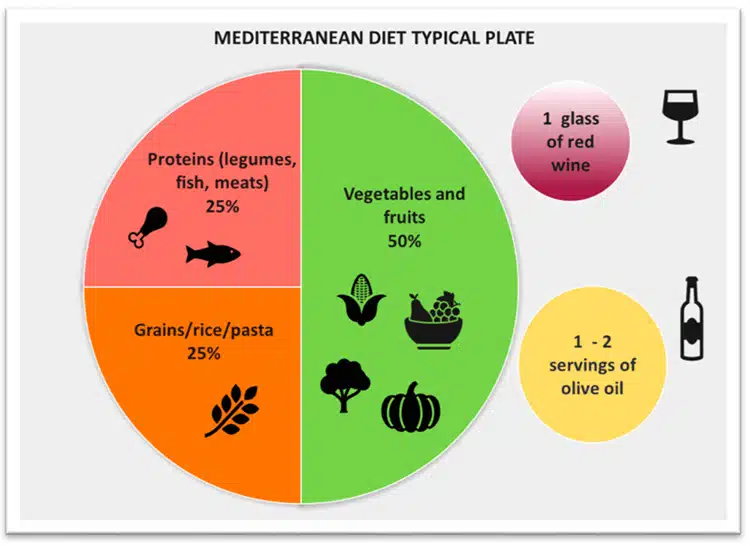
Endocrinologists and registered dietitians advise patients to integrate Mediterranean principles gradually to ensure long-term sustainability rather than attempting drastic dietary overhauls.
Sample Daily Nutritional Framework:
- Breakfast: A morning regimen initiated with warm water and lemon to stimulate digestive activity, followed by a protein-dense meal such as poached eggs served with sliced avocado, black olives, and fresh culinary herbs on a bed of greens. This combination delivers high-quality protein, essential monounsaturated fats, and fat-soluble vitamins while maintaining a negligible glycemic impact.
- Lunch: A substantial, nutrient-dense salad bowl featuring leafy greens like kale and spinach, cruciferous vegetables, cucumbers, tomatoes, and protein sources such as chickpeas or lentils. The meal is completed with the addition of quinoa or brown rice and dressed generously with extra-virgin olive oil.
- Dinner: Grilled wild-caught fish—such as salmon or sardines, rich in anti-inflammatory omega-3 fatty acids—garnished with fresh lemon and herbs, accompanied by roasted non-starchy vegetables and a side of lentils.
Lifestyle Integration and Behavioral Strategies
True to its cultural origins, the Mediterranean lifestyle extends far beyond the contents of the dinner plate. Behavioral components integral to this framework include the conscious sourcing of locally produced, seasonal foods that minimize exposure to chemical preservatives and highly processed ingredients. Furthermore, the cultural practice of eating slowly and mindfully is strongly advocated. Clinical behavioral research indicates that pacing meals improves gastric signaling, enhances satiety cues, and mitigates the binge-eating tendencies frequently reported by individuals struggling with hormonal dysregulation and erratic insulin surges.
Conclusion and Future Outlook
The integration of the Mediterranean diet into the clinical management of Polycystic Ovary Syndrome offers a scientifically validated, evidence-based nutritional strategy. By addressing the root drivers of the syndrome—chronic low-grade inflammation, insulin resistance, hyperandrogenism, gut dysbiosis, and oxidative stress—this dietary pattern provides a holistic mechanism to alleviate symptoms and improve long-term metabolic health. While further large-scale clinical trials continue to refine targeted nutritional therapies for endocrine disorders, current medical consensus firmly supports the Mediterranean diet as a premier, sustainable, and patient-friendly therapeutic intervention for women navigating PCOS.
