

Polycystic Ovary Syndrome (PCOS) is a complex endocrine disorder affecting approximately 8% to 13% of reproductive-aged women worldwide, posing significant challenges for those attempting to conceive and maintain a healthy pregnancy. Clinical research indicates that women with PCOS face a higher risk of pregnancy-related complications, including gestational diabetes, pre-eclampsia, and preterm birth. Consequently, the selection of a prenatal vitamin is not merely a routine health choice but a critical component of a targeted medical strategy to mitigate these risks and support fetal development.
Understanding the Pathophysiology of PCOS and Pregnancy
PCOS is characterized by a triad of symptoms: irregular menstrual cycles, elevated androgen levels, and the presence of polycystic ovaries. At the root of these symptoms is often insulin resistance, which affects up to 70% of women with the condition regardless of body mass index. During pregnancy, insulin resistance naturally increases to ensure the fetus receives adequate glucose; however, for women with PCOS, this baseline resistance can escalate into gestational diabetes.
Furthermore, PCOS is associated with chronic low-grade inflammation. This inflammatory state can interfere with the implantation of the embryo and the early development of the placenta. Therefore, nutritional interventions through prenatal supplementation must address not only the standard requirements of fetal growth but also the specific metabolic and inflammatory hurdles presented by the syndrome.
The Chronology of Nutritional Support: From Preconception to Postpartum
Medical professionals emphasize that the nutritional window for a healthy pregnancy begins long before a positive pregnancy test. The "preconception period"—ideally three to six months before conception—is vital for improving egg quality.
- The 90-Day Egg Cycle: It takes approximately 90 days for an egg to mature before it is released during ovulation. During this time, the egg is susceptible to damage from oxidative stress and hormonal imbalances. Supplementing with antioxidants and specific B vitamins during this phase can significantly improve the chances of a viable pregnancy.
- The First Trimester: This is the critical period for organogenesis. The neural tube closes within the first 28 days of pregnancy, often before a woman knows she is pregnant. This underscores the necessity of consistent folate intake.
- The Second and Third Trimesters: As the blood volume of the mother increases and the skeletal system of the fetus develops, the demand for iron and calcium reaches its peak.
- Postpartum and Lactation: Nutritional demands remain high as the body recovers from childbirth and begins milk production, requiring continued supplementation to prevent maternal depletion.
Core Nutrients for PCOS Pregnancy Management
The American Pregnancy Association and the American College of Obstetricians and Gynecologists (ACOG) provide clear guidelines on essential nutrients. However, for those with PCOS, certain dosages and forms of these nutrients require closer scrutiny.

Folate and the MTHFR Consideration
Folate (Vitamin B9) is essential for DNA synthesis and the prevention of neural tube defects like spina bifida. While the standard recommendation is 400 mcg to 800 mcg daily, many women with PCOS may carry a variant of the MTHFR gene, which hinders the body’s ability to convert synthetic folic acid into its active form. Journalistic analysis of recent clinical trends suggests a shift toward "methylated folate" (L-5-methyltetrahydrofolate), which is more bioavailable and bypasses the genetic mutation hurdle.
Vitamin D and Insulin Sensitivity
An estimated 80% of women with PCOS suffer from Vitamin D deficiency. Vitamin D is not just a vitamin but a pro-hormone that plays a pivotal role in insulin signaling and glucose metabolism. Studies have shown that adequate Vitamin D levels (often requiring 4000 IU daily during pregnancy) can lower the risk of gestational diabetes and improve the success rates of fertility treatments.
Omega-3 Fatty Acids: DHA and EPA
Omega-3s are critical for the development of the fetal brain and retina. For the PCOS patient, Omega-3s serve an additional purpose: they are potent anti-inflammatory agents. Regular intake of Docosahexaenoic acid (DHA) and Eicosapentaenoic acid (EPA) has been shown to reduce androgen levels and improve the lipid profile in women with PCOS, potentially easing the metabolic strain of pregnancy.

Iron and Blood Volume
Pregnancy requires a 50% increase in blood volume. Iron is the primary component of hemoglobin, which carries oxygen to the fetus. The recommended daily intake is 27 mg. Because women with PCOS may experience heavy menstrual bleeding prior to pregnancy (menorrhagia), they may enter pregnancy with low iron stores, making early supplementation vital to prevent maternal anemia.
Calcium and Bone Density
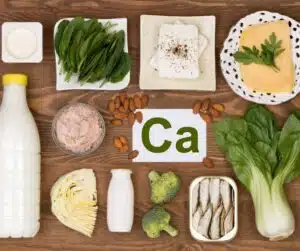
If maternal calcium intake is insufficient, the body will demineralize the mother’s own bones to provide for the fetus. A daily intake of 1,000 mg is recommended. For PCOS patients, calcium also plays a secondary role in follicular maturation and egg quality.
Comparative Analysis of Leading Prenatal Supplements
When evaluating the market for prenatal vitamins, three products consistently emerge as top recommendations for the PCOS community due to their ingredient transparency and clinical-grade formulations.
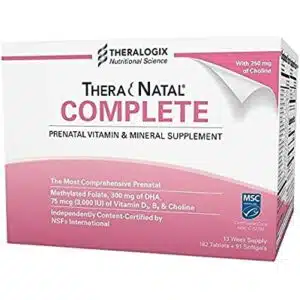
1. TheraNatal Complete (Theralogix)
TheraNatal Complete is often cited as the gold standard for PCOS prenatal care. Produced by Theralogix—the manufacturers of the widely researched Ovasitol—this supplement is independently tested and certified by NSF International. Its formulation includes 1,000 mcg of methylated folate and a robust 3,000 IU of Vitamin D3. It also provides 300 mg of DHA in a separate softgel, ensuring the highest purity and potency without the metallic aftertaste common in lower-quality vitamins.
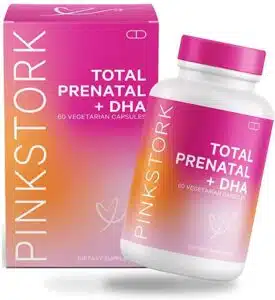
2. Pink Stork Total Prenatal Vitamin
Pink Stork focuses on a holistic approach, incorporating a wide array of trace minerals such as selenium, chromium, and manganese. Chromium is particularly noteworthy for PCOS patients, as it has been linked to improved insulin sensitivity. This product is also gluten-free and non-GMO, catering to the dietary sensitivities often associated with inflammatory PCOS.
3. Nature Made Prenatal with Folic Acid + DHA
For those seeking an accessible and cost-effective option, Nature Made provides a USP-verified supplement that covers the essential bases. While it utilizes synthetic folic acid rather than methylated folate, it remains a reliable choice for women without the MTHFR mutation. It combines DHA and essential vitamins in a single daily softgel, improving compliance for patients who struggle with "pill fatigue."
Broader Implications: Managing Long-Term Risks
The decision to take a high-quality prenatal vitamin extends beyond the immediate goal of a healthy birth. Emerging research in the field of epigenetics suggests that the intrauterine environment can influence the long-term health of the child. For mothers with PCOS, managing blood sugar and inflammation through nutrition may reduce the child’s future risk of developing metabolic syndrome or PCOS themselves.
Furthermore, the risk of pre-eclampsia—a dangerous condition characterized by high blood pressure during pregnancy—is significantly higher in the PCOS population. Supplemental calcium and Vitamin D have been identified as protective factors against the development of hypertensive disorders of pregnancy.
Expert Recommendations and Clinical Outlook
Healthcare providers emphasize that supplements should complement, not replace, a PCOS-friendly diet. A diet low in refined carbohydrates and high in fiber and lean proteins remains the cornerstone of management. However, given the increased metabolic demands and the specific deficiencies common in PCOS, supplementation provides a necessary "insurance policy."
Medical professionals recommend that women with PCOS consult with their OB-GYN or a Reproductive Endocrinologist to perform blood panels for Vitamin D, ferritin (iron), and B12 before selecting a supplement. This allows for a personalized dosage strategy rather than a one-size-fits-all approach.
Conclusion
Navigating pregnancy with PCOS requires a proactive and informed strategy. The integration of high-quality prenatal vitamins—specifically those containing methylated folate, high-dose Vitamin D, and Omega-3 fatty acids—is essential for mitigating the unique risks associated with the condition. By addressing insulin resistance and inflammation through targeted nutrition, women with PCOS can significantly improve their fertility outcomes and ensure the long-term health of both themselves and their children. As clinical understanding of PCOS continues to evolve, the emphasis on specialized prenatal care remains a vital pillar of maternal-fetal medicine.
