

Polycystic Ovary Syndrome (PCOS) remains one of the most prevalent endocrine disorders affecting women of reproductive age globally, serving as a primary driver of ovulatory infertility. Clinical data indicates that approximately 8% to 13% of women worldwide are affected by this complex condition, characterized by hormonal imbalances, irregular menstrual cycles, and the presence of small cysts on the ovaries. For many patients, the journey toward conception is marked by significant emotional and physiological hurdles, often requiring a multifaceted approach that integrates medical oversight with intensive lifestyle and nutritional modifications. Experts in the field of reproductive endocrinology emphasize that while a diagnosis can be distressing, targeted interventions—specifically those focusing on insulin regulation and hormonal harmony—can significantly improve the likelihood of a successful pregnancy.
The Pathological Context of PCOS and Fertility
The physiological challenges of PCOS are rooted in a feedback loop of hormonal dysfunction. At the center of this cycle is insulin resistance, a condition where the body’s cells do not respond effectively to insulin, leading the pancreas to produce more of the hormone to compensate. Elevated insulin levels are not merely a metabolic concern; they directly stimulate the ovaries to produce excess androgens, such as testosterone. High levels of these "male" hormones interfere with the development and release of eggs, a process known as ovulation.

For women attempting to conceive, this hormonal environment creates a state of unpredictability. Common clinical presentations include amenorrhea (absence of menstruation) or oligomenorrhea (infrequent periods), making it difficult to track fertile windows. Furthermore, even when conception occurs, women with PCOS face higher risks of complications, including gestational diabetes, preeclampsia, and miscarriage. Consequently, the clinical focus has shifted toward proactive management of the internal environment months before conception is attempted.
Nutritional Strategies for Insulin and Testosterone Regulation
Dietary intervention serves as the cornerstone of PCOS management. Because every nutritional choice impacts endocrine signaling, the primary objective is to maintain stable blood glucose levels to prevent insulin spikes. Clinical nutritionists advocate for a Low Glycemic Index (GI) diet, which prioritizes complex carbohydrates that break down slowly, providing a steady release of energy.
The synergy between carbohydrates and proteins is critical. By balancing carb intake with lean proteins, the rate of glucose absorption is further tempered. This nutritional strategy aims to lower circulating insulin, which in turn reduces the stimulus for ovarian androgen production. When testosterone levels begin to normalize, many women experience a return of regular ovulatory cycles. Research suggests that a diet rich in fiber, healthy fats, and unprocessed whole foods can alleviate the metabolic stress that characterizes the syndrome.

The Estrogen Balance and Environmental Factors
Beyond insulin, the management of estrogen levels is vital for reproductive health. Women with PCOS often suffer from "estrogen dominance" or, conversely, insufficient estrogen levels, both of which impede fertility. One of the more complex areas of study involves xenoestrogens—synthetic compounds found in plastics, pesticides, and certain cosmetics that mimic the body’s natural estrogen. These endocrine disruptors can bind to hormone receptors, further complicating an already disordered system.
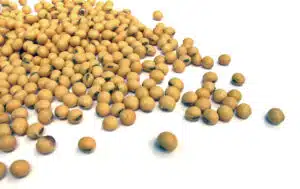
The role of phytoestrogens, particularly those found in soy products, remains a subject of scientific debate. Phytoestrogens have a molecular structure similar to estradiol. They function by attaching to estrogen receptors; however, their impact can be twofold. In some cases, they may block the body’s more potent natural estrogens from binding, potentially lowering overall estrogenic activity. In other scenarios, they may contribute to an excess of estrogenic signaling. Some studies have indicated that high soy consumption may lead to delayed ovulation in certain individuals. As a result, many fertility specialists recommend a cautious approach to soy intake during the preconception phase to ensure that the delicate hormonal balance required for egg maturation is not disrupted.
Furthermore, the source of animal proteins is a significant consideration. Conventional livestock is often treated with growth hormones and antibiotics to increase production yields. Ingesting these exogenous hormones can interfere with a patient’s endocrine system. Clinical recommendations often lean toward organic, pasture-fed meats to minimize exposure to synthetic hormones, despite the higher cost associated with these products.
The Clinical Impact of Weight Management
Weight loss is frequently cited as one of the most effective non-pharmacological treatments for PCOS-related infertility. While the metabolic disturbances of PCOS make weight loss notoriously difficult for patients, the clinical rewards are substantial. Data from various reproductive health studies suggest that losing as little as 5% to 10% of total body weight can lead to a significant restoration of regular menstrual cycles.
This modest reduction in weight helps to improve insulin sensitivity and reduces the adipose tissue that can contribute to hormonal imbalances. For many patients, this weight loss is the "tipping point" that allows for spontaneous ovulation without the need for intensive fertility drugs like Clomiphene or Letrozole. However, experts stress that the focus should be on sustainable, health-oriented weight loss rather than "crash dieting," which can further stress the adrenal glands and worsen hormonal profiles.
Targeted Micronutrient Supplementation
Given the metabolic nature of PCOS, many women suffer from specific nutrient deficiencies that can hinder fertility. Supplementation is often used to bridge these gaps and optimize the body for pregnancy.

Chromium and Insulin Sensitivity
Chromium is a trace mineral that plays a vital role in the metabolism of glucose. It enhances the action of insulin and has been shown in several trials to improve insulin sensitivity in women with PCOS. By lowering insulin levels, chromium indirectly helps to reduce testosterone, thereby creating a more favorable environment for conception. Medical professionals caution that patients already taking insulin-sensitizing medications, such as Metformin, should consult their physicians before adding chromium to avoid hypoglycemia.
Vitamin D and Calcium
Vitamin D deficiency is remarkably common among women with PCOS and is linked to insulin resistance, mood disorders, and poor follicular development. Research indicates that supplementing with Vitamin D and Calcium can help regulate the menstrual cycle and improve the number of mature follicles produced during a cycle. This is essential for ensuring that an egg is available for fertilization.
The B-Vitamin Complex
B-vitamins, particularly B6 and B9 (Folic Acid), are indispensable for reproductive health. Vitamin B6 is involved in the regulation of progesterone, a hormone critical for maintaining the uterine lining after conception. A deficiency can lead to a shortened luteal phase, making it difficult for a fertilized egg to implant. Folic Acid is globally recognized for its role in preventing neural tube defects, such as spina bifida, and is recommended for all women planning a pregnancy.
Omega-3 Fatty Acids
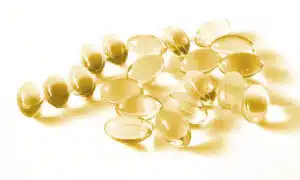
Omega-3 fatty acids, found in fish oil and certain seeds, are known for their anti-inflammatory properties. In the context of PCOS, Omega-3s have been shown to help lower testosterone levels and improve the quality of the eggs produced. They also contribute to the overall health of the endocrine system by serving as building blocks for hormone production.
Chronology of PCOS Management and Conception
The timeline for managing PCOS fertility usually follows a structured progression. Upon diagnosis, patients typically undergo a period of "metabolic priming" lasting three to six months. During this phase, dietary changes and supplement protocols are established to stabilize blood sugar.
If regular ovulation does not return after this period of lifestyle modification, medical providers may introduce ovulation induction agents. Throughout this process, monitoring through ultrasound and blood work is common to track the development of follicles. The objective is to achieve a state where the body can support a "miracle" pregnancy through its own regulated hormonal cycles, supplemented by medical science where necessary.

Broader Implications and Future Outlook
The shift toward lifestyle-based management of PCOS reflects a broader trend in functional medicine that seeks to treat the root cause of infertility rather than just the symptoms. As the global prevalence of metabolic syndrome rises, the lessons learned from PCOS management—such as the importance of the Glycemic Index and the impact of environmental toxins—are becoming increasingly relevant to the general population.
The psychological impact of this journey cannot be overstated. The frustration of "messed up hormones" and the uncertainty of monthly cycles take a toll on mental health. However, the emerging consensus among experts is that PCOS is not a barrier to motherhood, but rather a condition that requires a specific, disciplined roadmap. By focusing on insulin regulation, nutrient density, and weight management, women with PCOS are not only improving their chances of conceiving but are also ensuring a healthier foundation for their future children.
As research continues to evolve, particularly in the realm of the gut microbiome and its influence on PCOS, the protocols for fertility are expected to become even more personalized. For now, the integration of a rigorous PCOS diet, targeted supplements, and medical guidance remains the gold standard for those seeking to overcome the challenges of the syndrome and achieve a healthy pregnancy.
