
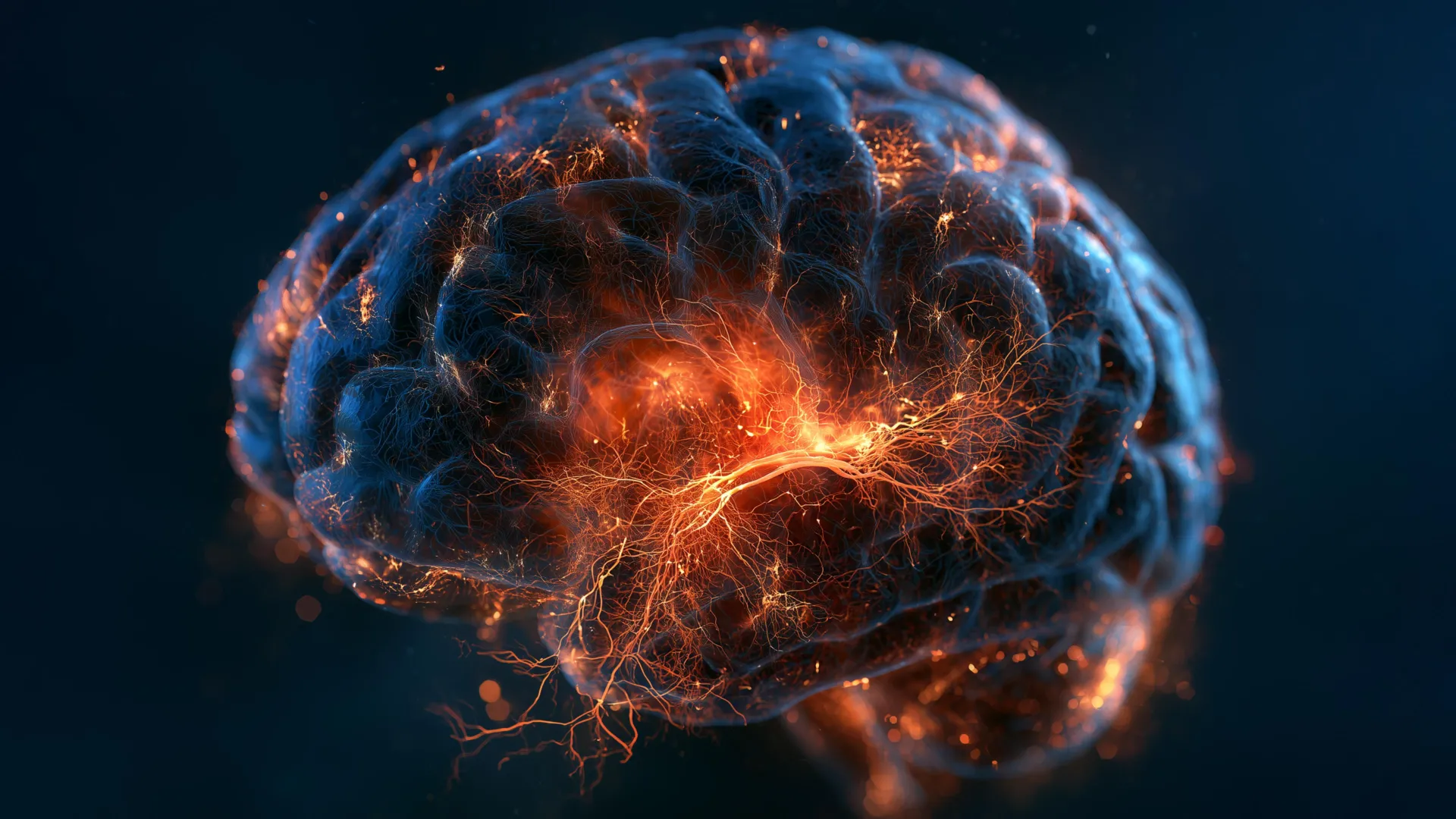
Groundbreaking research conducted by a team at the Columbia University Vagelos College of Physicians and Surgeons has provided the first definitive biological evidence that neurogenesis—the physiological process responsible for generating new neurons—comes to a halt in the brains of adults suffering from major depressive disorder (MDD). Published on August 21, 2026, in the peer-reviewed journal Nature Medicine, the study sheds new light on the intricate cellular and molecular architecture underpinning psychiatric illness. While conventional psychiatric frameworks have historically characterized clinical depression as a chemical imbalance primarily governed by neurotransmitter deficiencies, particularly involving serotonin, this fresh investigation challenges that paradigm. Instead, the findings suggest that depression is fundamentally rooted in a systemic failure of neural adaptation, marked by an inability of brain cells to properly respond to chronic stress and shifting environmental demands.
Background Context and Historical Paradigms of Depression Research
For decades, the prevailing consensus in psychopharmacology relied heavily on the monoamine hypothesis of depression, which posited that clinical symptoms arise from a deficit of chemical messengers such as serotonin, norepinephrine, and dopamine. This foundational theory successfully guided the development of widely prescribed medications, including selective serotonin reuptake inhibitors (SSRIs), which remain a cornerstone of modern psychiatric care. However, despite the widespread clinical utility of these pharmacological agents, a significant proportion of patients continue to experience treatment-resistant depression, and the precise mechanisms linking neurotransmitter modulation to mood elevation have long remained opaque.
In recent years, neuroscientists have increasingly shifted their focus toward neuroplasticity—the brain’s intrinsic capacity to structurally and functionally reorganize itself in response to learning, memory formation, and environmental adversity. Central to this concept of neuroplasticity is adult hippocampal neurogenesis. While the vast majority of the human brain’s approximately 100 billion neurons are generated during embryonic and fetal development, specific niches within the adult brain retain the ability to produce functional new neurons. The hippocampus, a seahorse-shaped structure nestled deep within the temporal lobe, serves as one of the primary sites where adult neurogenesis persists.
By analyzing post-mortem brain tissue using state-of-the-art single-cell genomic and proteomic techniques, the Columbia University research team sought to bridge the historical gap between macroscopic behavioral symptoms and microscopic cellular pathology. Their work underscores that depression is not merely a transient chemical fluctuation, but rather a complex, multi-system disorder characterized by widespread molecular disruptions across hippocampal circuits.
The Mechanics of Pattern Separation and Emotional Processing
To understand why the stalling of neurogenesis profoundly impacts mood and cognition, researchers examined the specific functional role of the hippocampus. Beyond its well-documented involvement in spatial navigation and episodic memory consolidation, the hippocampus acts as a crucial gatekeeper for emotional regulation. It facilitates pattern separation, a cognitive mechanism that enables the human brain to distinguish between similar yet distinct experiences and decouple past emotional connotations from current, unrelated events.
When pattern separation functions optimally, an individual can process a minor social ambiguity—such as a friend appearing fatigued and quiet during a lunch outing—as a singular, neutral event. However, when hippocampal neurogenesis stalls and pattern separation becomes impaired, the boundaries separating distinct memories begin to dissolve. Consequently, current experiences bleed into historical archives of past rejection or trauma. Under these impaired conditions, the brain struggles to retrieve objective data, predominantly flooding consciousness with negative emotional information.
According to lead researcher Dr. Maura Dupont, professor of psychiatry at Columbia University, this cognitive distortion is a frequent clinical observation among patients struggling with severe depression. The inability to generate new neurons robs the brain of the structural flexibility required to integrate new experiences into distinct memory circuits. Without these freshly minted, highly responsive newborn neurons—which naturally integrate more readily into existing neural networks—patients lose the cognitive resilience needed to adapt to daily environmental stressors, cementing a persistent cycle of negative rumination.
Detailed Chronology and Methodological Rigor
The publication of these findings represents the culmination of an intensive multi-year investigative effort led by the Maura Dupont laboratory at the Columbia University Irving Medical Center and the New York State Psychiatric Institute. The research timeline spanned multiple phases, beginning with the collection and preservation of human brain tissue.
To execute the study, investigators analyzed nearly half a million individual brain cells sourced from both donors diagnosed with major depressive disorder and healthy control subjects shortly after death. The sheer scale of the dataset necessitated advanced cross-institutional collaboration. Following tissue acquisition, high-throughput genomic sequencing was performed at the JP Sulzberger Columbia Genome Center. Subsequently, complex data clustering and computational analyses were managed by Columbia’s Center for Computational Biology and Bioinformatics, while specialized proteomics were conducted at the Department of Biology’s Quantitative Proteomics and Metabolomics Center.
By deploying these cutting-edge methodologies, the research team was able to map the exact activity of every gene within individual cells and evaluate structural modifications to cellular proteins. This granular approach allowed scientists to pinpoint the exact spatial localization of distressed cells within the hippocampal circuitry—specifically focusing on the trisynaptic circuit, the brain’s primary pathway responsible for establishing new emotional memories. The data revealed widespread inflammation and cellular stress markers concentrated precisely within this critical pathway among donors with depression.
Genetic Alterations and Epigenetic Environmental Influences
Beyond the cessation of neurogenesis, the Columbia study uncovered a vast array of molecular disruptions affecting the broader hippocampal network. The affected genes identified by the research team govern essential cellular functions, including the synthesis of synaptic connections, intercellular communication, cellular energy supply, and intracellular transport mechanisms.
Significantly, the analysis demonstrated altered activity across multiple genes whose specific genetic variants have historically been linked to increased susceptibility to major depressive disorder. Furthermore, investigators observed widespread epigenetic modifications among other disrupted genes. Epigenetic mechanisms function analogously to biological dimmer switches, modulating the degree to which specific genes are activated or silenced without altering the underlying nucleotide sequence of the DNA.
Dr. Dupont noted that these epigenetic alterations directly reflect the cumulative impact of environmental exposures, including chronic psychological stress, learning experiences, aging, and chemical toxins. This intricate interplay between inherited genetic vulnerability and environmental stressors helps elucidate why the clinical presentation of depression varies so drastically from one patient to another. The broad spectrum of molecular anomalies identified in the study strongly implies that clinical depression is not a uniform monolithic pathology, but rather a heterogeneous collection of distinct biological conditions sharing overlapping behavioral symptoms.
Broader Implications for Psychiatric Medicine and Personalized Therapeutics
The publication of the Nature Medicine study marks a pivotal shift in how the medical community conceptualizes psychiatric disorders. By defining depression with unprecedented resolution at the cellular and molecular levels, the research lays a robust foundation for the development of next-generation therapeutic interventions.
One of the most promising translational goals emerging from this research is the eventual reclassification of psychiatric illnesses. Dr. Dupont and her colleagues advocate for a paradigm shift akin to the revolution seen in modern oncology. Over the past several decades, cancer treatment transitioned away from categorization based strictly on the anatomical location of tumors toward classification driven by cellular and molecular characteristics, yielding targeted therapies that dramatically improved patient outcomes.
Translating this model to psychiatry could fundamentally transform clinical trials and treatment protocols. If clinicians can accurately identify the specific molecular and cellular subtype driving an individual patient’s depression—whether it stems primarily from impaired adult neurogenesis, trisynaptic circuit inflammation, or specific epigenetic dysregulations—therapies can be tailored accordingly. Rather than relying on trial-and-error prescriptions of broad-spectrum antidepressants, future clinicians may be able to administer targeted agents designed to reactivate neurogenesis, repair compromised synaptic connections, or reverse specific epigenetic silencing within the hippocampus.
Official Reactions and the Path Forward
While the scientific community has widely praised the methodological rigor and translational potential of the Columbia University study, experts emphasize that significant research remains ahead. Translating observations from post-mortem human tissue and murine models into safe, effective clinical treatments requires rigorous, multi-phase human clinical trials. Researchers must untangle the exact causal mechanisms governing how newborn neurons integrate into human memory circuits and determine how pharmacological or behavioral interventions can safely restart stalled neurogenesis without inducing adverse neurological side effects.
Nevertheless, the study offers a powerful message of biological validation for millions of individuals worldwide who struggle with major depressive disorder. By framing depression as a disease of cellular adaptability and stress resilience rather than a personal failing or a simple chemical imbalance, this research paves the way for destigmatizing psychiatric illness and accelerating the advent of truly personalized, molecularly targeted mental healthcare.
