
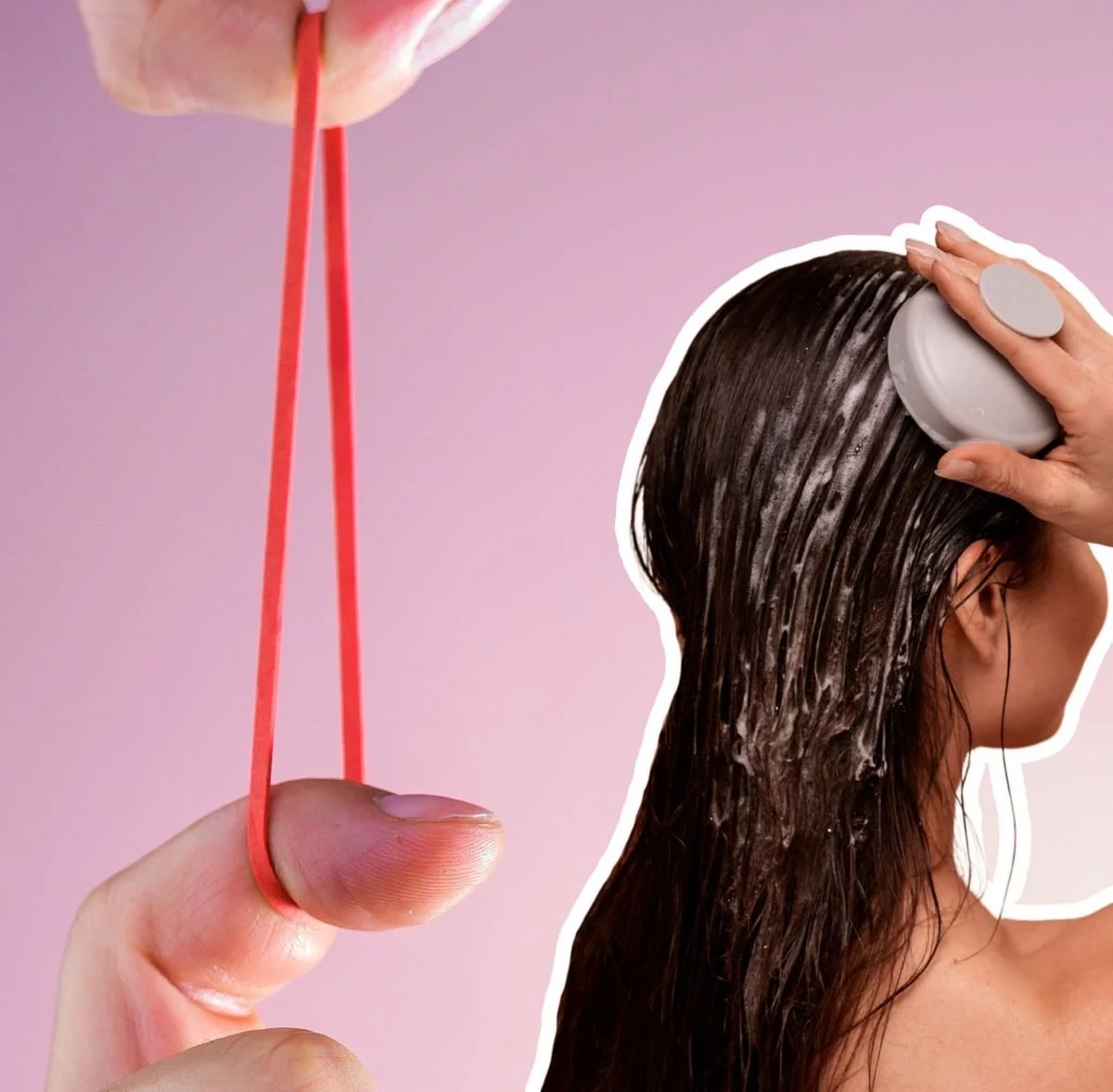
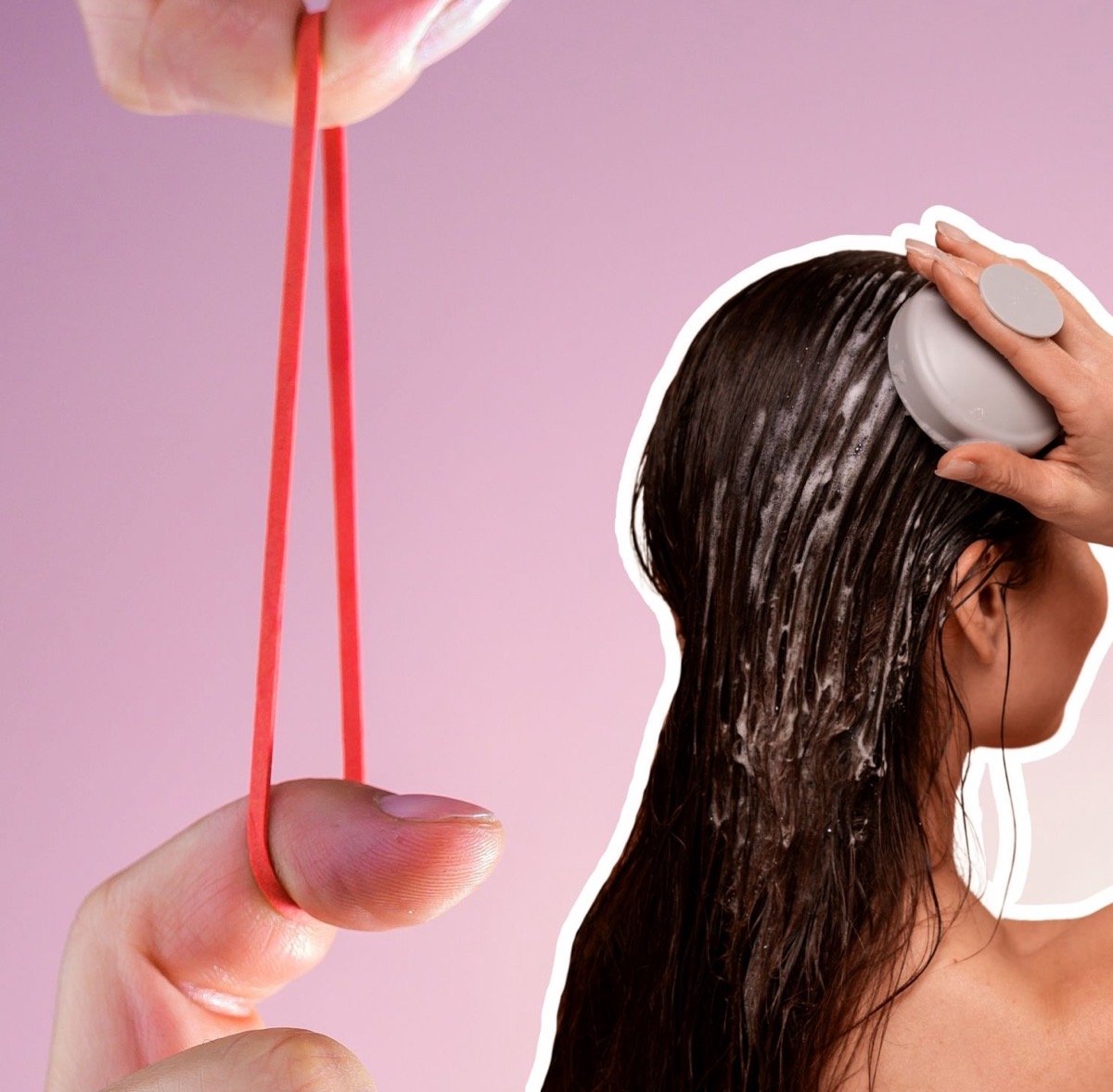
The interaction of water with human hair has long been a fertile ground for both scientific inquiry and persistent myths, with one of the most enduring being the concept of "hygral fatigue." This widely circulated belief posits that the repeated cycles of wetting and drying hair inherently lead to damage, weakening the strands over time. However, rigorous scientific analysis, including a critical re-evaluation of studies often cited in support of this theory, largely refutes the notion of hygral fatigue as a direct consequence of water exposure alone. Leading hair scientists emphasize that while hair is more vulnerable when wet, the reversible nature of water’s interaction with hair’s molecular structure prevents the cumulative, irreversible damage implied by the "fatigue" label.
Understanding Hair’s Molecular Architecture and Water Interaction
To truly grasp why the hygral fatigue myth is scientifically unsound, it is crucial to first understand the fundamental structure of hair and how it interacts with water at a molecular level. Hair is primarily composed of keratin, a complex protein arranged in a hierarchical structure. The outermost layer, the cuticle, consists of overlapping scales that protect the inner cortex. The cortex, making up the bulk of the hair shaft, is composed of keratin bundles held together by various types of chemical bonds.
Three primary types of bonds contribute to hair’s strength and structure:
- Disulfide Bonds: These are strong, permanent covalent bonds between sulfur atoms in the amino acid cysteine. They are largely responsible for hair’s overall shape and strength, and are only broken by strong chemical treatments (like perms or relaxers) or extreme heat.
- Ionic Bonds (Salt Bonds): These are weaker electrostatic attractions between positively and negatively charged amino acid side chains. They are temporarily broken by changes in pH (e.g., using acidic or alkaline hair products) but reform easily when the pH returns to neutral.
- Hydrogen Bonds: These are the weakest but most numerous bonds in hair, formed between hydrogen atoms and highly electronegative atoms like oxygen or nitrogen. They are responsible for hair’s flexibility and its ability to change shape temporarily (e.g., when styled with heat).
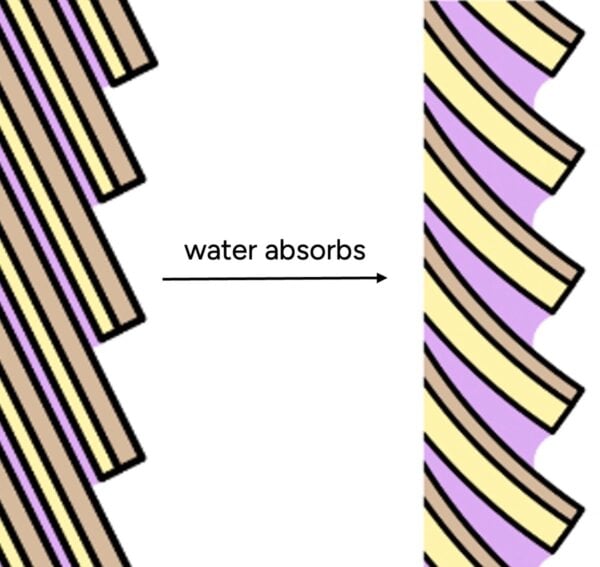
Water’s primary interaction with hair involves these hydrogen bonds. When hair gets wet, water molecules penetrate the hair shaft and disrupt the existing hydrogen bonds within the keratin structure. This process causes the hair fibers to swell, increasing their diameter and making them more elastic and pliable. As the hair dries, the water molecules evaporate, and the hydrogen bonds largely reform in their original or new positions, depending on how the hair was shaped during drying. This swelling and deswelling is a natural and reversible process, analogous to the expansion and contraction of a sponge, rather than the irreversible stretching and tearing of a rubber band.
The Genesis and Persistence of the "Hygral Fatigue" Myth
The term "hygral fatigue" gained traction in some hair care communities, particularly those focused on curly or textured hair, where concerns about maintaining moisture balance and minimizing damage are paramount. The analogy often used to describe this supposed phenomenon is that of repeatedly stretching a rubber band until it loses its elasticity and eventually snaps. Proponents argued that the constant swelling and contracting of hair due to wetting and drying cycles would similarly degrade hair’s internal structure, leading to increased porosity, brittleness, and breakage. This myth often fueled advice to wash hair less frequently to "protect" it from water damage.
However, the rubber band analogy is fundamentally flawed when applied to hair’s molecular behavior. A rubber band’s elasticity relies on long polymer chains that, when stretched, cause permanent bond dislocations and micro-fractures that accumulate over time. In contrast, hair’s hydrogen bonds are temporary and highly dynamic. They break and reform with remarkable ease and efficiency, making the "fatigue" mechanism posited for rubber bands inapplicable. Electrons and protons, the fundamental components involved in hydrogen bonding, do not "wear down" or become damaged through repeated interactions.
While hair is undeniably more fragile when wet due to the disrupted hydrogen bonds and increased elasticity, this increased fragility primarily translates to a higher susceptibility to mechanical damage (e.g., rough towel-drying, aggressive brushing, or tight styling) rather than intrinsic damage from the water itself. The act of water entering and leaving the hair shaft, in isolation, does not cause cumulative structural degradation.
Critically Examining Supporting Evidence: The 2011 Hair Drying Study
One of the peer-reviewed papers frequently cited in discussions of hygral fatigue is the 2011 study by Lee et al., published in Annals of Dermatology, which investigated hair shaft damage from different drying methods. The researchers compared air-drying with blow-drying at various temperatures. Their findings suggested that blow-drying at a low temperature caused the least damage, and they observed "bulges" on the surface of air-dried hair samples. They concluded these bulges were a form of damage caused by water swelling the hair for a prolonged period during air drying.
However, a closer examination of this study’s methodology and conclusions reveals significant limitations. Air-drying is a standard and common practice in both personal hair care and scientific hair experiments worldwide. If air-drying inherently caused significant structural damage visible as "bulges," such observations would be widely reported across numerous hair studies and commonly acknowledged within the scientific community. The absence of such widespread reporting casts doubt on the interpretation of these specific findings.
Hair scientists, including those experienced in hair microscopy, suggest that the observed "bulges" in the Lee et al. study could stem from various confounding factors or experimental anomalies. These might include:
- Pre-existing damage: The specific hair samples used might have had prior damage from other sources (e.g., excessive sun exposure, chemical treatments) that manifested as structural irregularities during air drying.
- Sample preparation artifacts: The process of preparing hair samples for microscopic examination can sometimes introduce artifacts or alter the hair’s natural state.
- Limited replication or statistical power: The paper does not extensively detail the number of repetitions or statistical analysis, making it difficult to ascertain if the observations were consistent or merely a fluke.
- Misinterpretation of natural variations: Hair, being a biological material, exhibits natural variations in structure. What was interpreted as damage might have been a normal structural feature or a non-damaging effect of the drying process.
Therefore, while the study highlighted differences in drying methods, attributing the "bulges" solely to prolonged water exposure during air-drying as evidence of hygral fatigue lacks robust corroboration from broader hair science literature. The consensus remains that gentle air-drying is generally less damaging than high-heat blow-drying, primarily because it avoids thermal damage, not because it mitigates water-induced "fatigue."
The Coconut Oil Controversy: Water Blocking vs. Lubrication
Another line of research that inadvertently fed into the hygral fatigue narrative involved studies on coconut oil, which some researchers proposed could "block" hair from absorbing water, thereby protecting it from hygral fatigue. Several studies from the early 2000s, often citing the term "hygral fatigue" without providing a foundational reference for its existence, explored this hypothesis.
These experiments typically involved coating hair samples with different oils (coconut, mineral, sunflower) and then subjecting them to dynamic vapor sorption (DVS) analysis, which measures the weight change of hair at varying humidities. The observation that coconut-oiled hair showed the smallest percentage increase in weight when exposed to humidity led to the conclusion that coconut oil effectively prevented water absorption.
However, hair scientist Trefor Evans has critically pointed out a potential experimental error in these interpretations. When hair is coated with oil, its total weight increases. If the absolute amount of water absorbed by the hair remains the same, but the total weight (hair + oil) used in the calculation is larger, the percentage increase in weight due to water absorption will appear smaller. This mathematical artifact could create the illusion of reduced water absorption, even if the actual amount of water entering the hair shaft is unchanged.
Furthermore, the structural reality of hair makes it highly improbable for any topical treatment, including oils, to completely "seal" out water. The cuticle layer, while protective, is composed of overlapping scales, creating numerous microscopic gaps and edges. Water molecules are exceedingly tiny and can readily penetrate these minute spaces. The water content of hair is primarily dictated by the ambient relative humidity, and it is highly resistant to being fully blocked by external applications.
Despite the debunking of its water-blocking capabilities, coconut oil does offer genuine benefits for hair. Its unique molecular structure, particularly its smaller size and linearity compared to other oils, allows it to penetrate deeper into the hair shaft than many other oils. Once inside, it can fill gaps within the oily parts of the cell membrane complex – the "mortar" between the keratin "bricks" of the hair cells. This internal penetration can help reduce protein loss, improve hair’s tensile strength, and minimize internal cracking, especially during washing and drying cycles. Oils also act as lubricants on the hair’s surface, smoothing the cuticle and reducing friction and mechanical damage during combing, detangling, and styling. Therefore, while coconut oil is beneficial, its protection against damage is not due to preventing water absorption or mitigating "hygral fatigue," but rather through lubrication and internal structural support.
Broader Implications for Hair Care and Consumer Education
The debunking of the hygral fatigue myth has significant implications for how consumers approach their daily hair care routines. It reassures individuals that washing their hair frequently, even daily, does not inherently cause cumulative damage from water itself. Instead, the focus shifts to minimizing mechanical damage that occurs when hair is wet and therefore more vulnerable.
Key takeaways for effective and gentle hair care include:
- Gentle Handling of Wet Hair: Since wet hair is more elastic and prone to breakage, it should be handled with utmost care. This includes gently squeezing out excess water with a microfibre towel or old T-shirt rather than rough rubbing, and using a wide-tooth comb or fingers to detangle, starting from the ends and working upwards.
- Optimal Drying Practices: While air-drying doesn’t cause hygral fatigue, aggressive towel-drying or high-heat blow-drying can cause damage. If using a blow dryer, opting for a lower heat setting and keeping the dryer moving, at a distance from the hair, is recommended.
- The Role of Conditioners: Conditioners are vital for protecting hair. They smooth the cuticle, reduce friction, provide lubrication, and can help mitigate protein loss during washing. They make hair easier to detangle, thus preventing mechanical damage.
- Focus on Real Damage Factors: Consumers should be educated on the true culprits of hair damage, which include excessive heat styling (flat irons, curling irons, high-heat blow drying), harsh chemical treatments (bleaching, perming, relaxing), aggressive brushing, and prolonged UV exposure.
Conclusion: A Scientific Perspective on Hair Hydration
In conclusion, the scientific consensus firmly establishes that water itself does not inherently damage hair through repeated wetting and drying cycles, thereby dispelling the myth of "hygral fatigue." The interaction between water and hair’s hydrogen bonds is a natural, reversible process fundamental to hair’s flexibility and hydration. While hair is indeed more susceptible to mechanical damage when wet, this vulnerability is distinct from a cumulative "fatigue" caused by water absorption and desorption.
The re-evaluation of studies previously interpreted as supporting hygral fatigue, coupled with a deeper understanding of hair’s molecular biology, reinforces the importance of evidence-based practices in hair care. For consumers, this means embracing regular washing routines that prioritize gentle handling and protection against mechanical and chemical stressors, rather than fearing the very element essential for hair’s health and cleanliness: water. Ongoing research continues to refine our understanding of hair science, but on the matter of hygral fatigue, the evidence points decisively towards a myth debunked.
