
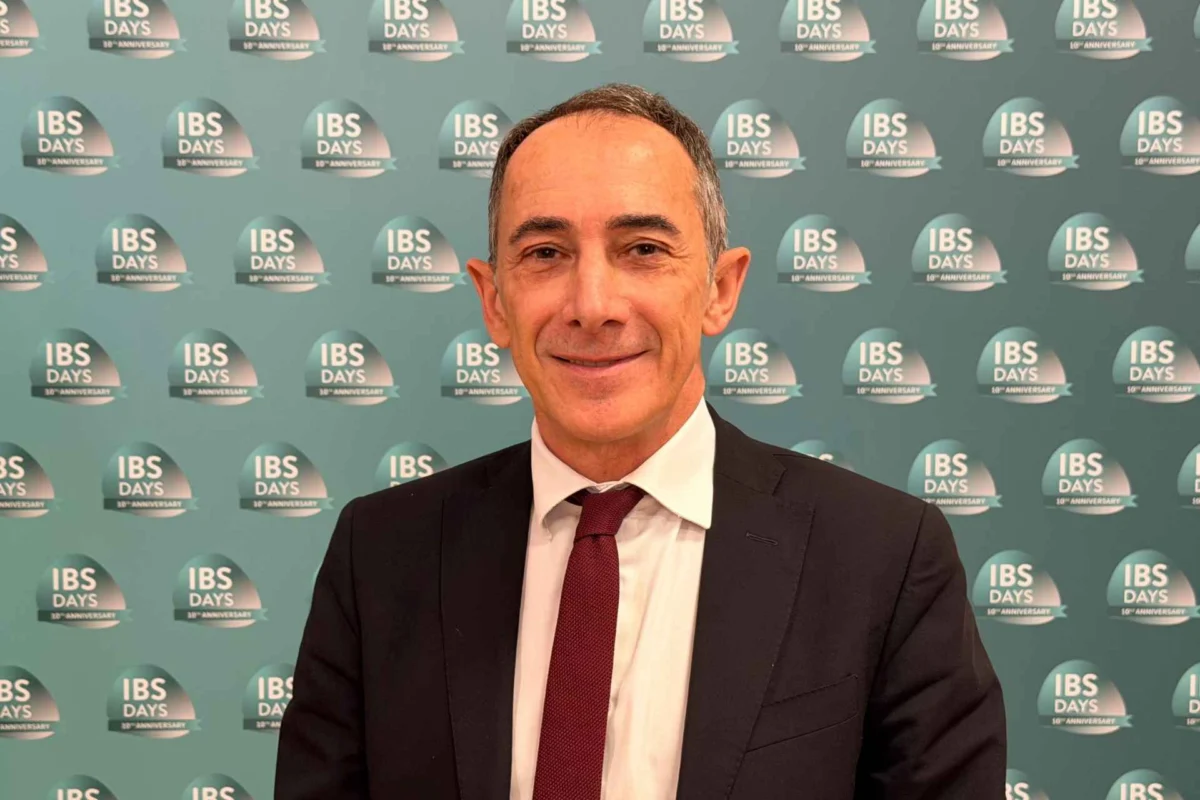
The fifth edition of the IBS Days congress recently concluded in Bologna, Italy, marking a significant milestone as the event celebrated its tenth anniversary since its inception in 2014. This biennial gathering has established itself as a premier forum for gastroenterologists, researchers, and healthcare professionals dedicated to the study and treatment of Irritable Bowel Syndrome (IBS), a complex disorder of gut-brain interaction (DGBI) that affects a significant portion of the global population. Chaired by Professor Giovanni Barbara of the University of Bologna, the 2024 edition attracted approximately 500 participants from across the globe, facilitating a rigorous exchange of scientific knowledge, clinical updates, and therapeutic strategies. The three-day programme was meticulously structured to bridge the gap between basic science and clinical application, reflecting the evolving landscape of a condition that was once poorly understood but is now at the forefront of neuro-gastroenterology.
The Evolution of IBS Days: A Decade of Scientific Advancement
The tenth anniversary of IBS Days serves as a chronological marker for the rapid advancement in the field of gastroenterology. When the first edition was held in 2014, IBS was frequently viewed through a restrictive lens, often categorized as a functional disorder with limited organic evidence. Over the past decade, the meeting has tracked the paradigm shift toward recognizing IBS as a multi-faceted condition involving biological, psychological, and social factors. The timeline of the congress mirrors the transition from the Rome III diagnostic criteria to the current Rome IV standards, which moved away from the term "functional" to emphasize the importance of the gut-brain axis.
Professor Giovanni Barbara, a leading figure in the research of intestinal permeability and inflammation, has guided the congress through these transitions. Under his leadership, the event has grown from a localized meeting into an international hub for innovation. The 2024 edition focused heavily on the "post-genomic" era of IBS research, looking at how the integration of microbiota data, proteomic analysis, and patient-reported outcomes can lead to more personalized treatment pathways. The meeting highlighted that the last ten years have seen more progress in identifying the biomarkers of IBS than the previous fifty, moving the medical community closer to a future of precision medicine.
Comprehensive Analysis of IBS Pathophysiology
One of the central pillars of the fifth edition was a deep dive into the underlying mechanisms of IBS. The scientific sessions were dedicated to exploring the intricate web of factors that contribute to symptom manifestation. Key topics included the role of the gut microbiota, intestinal permeability, immune activation, and the enteric nervous system (ENS).
The Gut Microbiota and Dysbiosis
Data presented at the congress underscored the critical role of the microbiome in IBS. Research indicates that patients with IBS often exhibit "dysbiosis," or an imbalance in microbial communities, compared to healthy individuals. Supporting data suggests that specific bacterial strains, such as those belonging to the Firmicutes and Bacteroidetes phyla, are often altered in IBS subtypes. The sessions explored how microbial metabolites, such as short-chain fatty acids (SCFAs), influence gut motility and sensation. The discussion also extended to the potential of "psychobiotics"—probiotics that may yield mental health benefits—given the high comorbidity of anxiety and depression in IBS patients.
Intestinal Permeability and the "Leaky Gut"
A significant portion of the scientific programme was devoted to the concept of the epithelial barrier. IBS Days 2024 reviewed evidence showing that many IBS patients suffer from increased intestinal permeability. This "leaking" allows luminal contents, such as bacteria and food antigens, to cross the epithelial lining and interact with the mucosal immune system. This interaction is believed to trigger low-grade inflammation, a theory that has gained substantial traction over the last decade. Data shared during the sessions highlighted that stress and certain dietary components can further compromise these tight junctions, exacerbating symptoms.
Immune Activation and Mast Cells
The congress also focused on the role of the immune system, particularly the activation of mast cells in close proximity to nerve endings in the gut. This "neuro-immune" interaction is a hallmark of IBS pathophysiology. Scientific presentations detailed how the release of mediators like histamine and tryptase can sensitize enteric neurons, leading to visceral hypersensitivity—a condition where the patient feels pain at pressure levels that would be normal for others.
Clinical Management and the Postgraduate Course
Beyond the theoretical and laboratory-based science, IBS Days placed a heavy emphasis on practical, patient-centered care. A dedicated postgraduate course focused on the day-to-day management of the condition, providing clinicians with updated algorithms for diagnosis and treatment. The course addressed the reality that IBS is not a "one-size-fits-all" condition, requiring a tailored approach that may include pharmacological, dietary, and psychological interventions.
The role of diet was a major theme, particularly the efficacy of the Low-FODMAP (Fermentable Oligosaccharides, Disaccharides, Monosaccharides, and Polyols) diet. While the diet has become a gold standard for symptom reduction, experts at the congress warned about the risks of long-term restrictive eating, such as nutritional deficiencies and alterations to the microbiome. The consensus reached during the sessions was that dietary interventions should be supervised by specialized dietitians and implemented in phases: restriction, reintroduction, and personalization.
Pharmacological updates were also a highlight, with discussions on the latest secretagogues, bile acid sequestrants, and non-absorbable antibiotics like rifaximin. The meeting emphasized that while these drugs are effective for many, the "placebo response" in IBS clinical trials remains high (often between 30% and 40%), highlighting the significant impact of the patient-provider relationship and the psychological components of the disease.
Supporting Data: The Global Burden of IBS
To provide context for the discussions at IBS Days, it is essential to look at the broader epidemiological data. IBS is estimated to affect between 5% and 10% of the global population at any given time. It is more prevalent in women than in men and typically affects individuals under the age of 50.
The economic implications are profound. In the United States alone, the direct and indirect costs associated with IBS are estimated to exceed $20 billion annually. These costs stem from frequent physician visits, diagnostic testing (which is often unnecessary if the Rome IV criteria are applied correctly), and significant loss of workplace productivity. Furthermore, the impact on Quality of Life (QoL) is severe; studies have shown that patients with severe IBS have QoL scores comparable to those with chronic kidney failure or late-stage diabetes. These statistics reinforced the sense of urgency among the 500 participants at the congress to find more effective and accessible treatments.
Official Responses and Professional Perspectives
In his closing remarks, Professor Giovanni Barbara emphasized the collaborative spirit of the event. He noted that the success of the fifth edition was not just in the volume of data presented, but in the "clinical exchange" between seasoned experts and young researchers. This sentiment was echoed by many attendees who praised the meeting for its multidisciplinary approach, integrating gastroenterology with nutrition, psychology, and basic immunology.
Observers noted that the 2024 congress felt more "integrated" than previous years. There was a clear move away from "siloed" thinking. For instance, instead of discussing the microbiota and the nervous system as separate entities, the sessions focused on the "microbiota-gut-brain axis" as a single, interconnected system. This holistic view is expected to influence clinical guidelines in the coming years, encouraging more gastroenterologists to work alongside mental health professionals and dietitians.
Broader Impact and Future Implications
The implications of the fifth edition of IBS Days extend far beyond the walls of the lecture halls in Bologna. As the medical community moves forward, several key takeaways will likely shape the future of the field:
- De-stigmatization: By continuing to uncover the organic, biological basis of IBS—such as mast cell activation and genetic predispositions—meetings like IBS Days help to remove the stigma that the condition is "all in the patient’s head."
- Reduction of Unnecessary Testing: A major goal of the clinical sessions was to empower doctors to make a positive diagnosis based on symptoms and limited "red flag" screening, rather than a diagnosis of exclusion. This could save healthcare systems millions by reducing the number of unnecessary colonoscopies and CT scans.
- The Rise of Digital Therapeutics: The congress touched upon the future role of digital health, including apps for cognitive behavioral therapy (CBT) and symptom tracking, which can provide patients with tools to manage their condition outside of the clinic.
- The Search for Biomarkers: The ultimate goal remains the identification of a reliable biomarker—a blood or stool test that can definitively diagnose IBS or its subtypes. While not yet a reality for general practice, the data presented in Bologna suggests that researchers are narrowing in on specific microbial signatures and inflammatory markers.
As the meeting concluded, the organizers announced that the community would reconvene in two years. While the location remains to be finalized—potentially returning to Bologna or moving to another major Italian city—the mission remains the same: to refine the understanding of one of the most common and challenging conditions in modern medicine. The tenth anniversary of IBS Days has proven that through consistent scientific inquiry and international collaboration, the path toward a better quality of life for millions of patients is becoming increasingly clear. The legacy of this fifth edition will be defined by its commitment to scientific rigor and its unwavering focus on the human element of the disease.
