
The Mediterranean diet has long been studied in clinical research laboratories, but a recent five-day immersive expedition across Italy’s Campania region sought to bridge the gap between abstract dietary guidelines and the physical realities of food production. Organized as a precursor to the fifth annual Gut Instinct conference, the initiative—titled Percorsi nel Gusto 2026—brought together an international delegation of microbiome researchers, nutritionists, and clinicians to examine how traditional food systems, agricultural landscapes, and cultural heritage intersect with modern preventative medicine.
The journey began on Monday, October 12, in the historic Cilento region, tracing a deliberate path from local agricultural ecosystems to advanced clinical discussions at the European Biomedical Research Institute of Salerno (EBRIS). By embedding researchers directly within the environments where staples like extra virgin olive oil, artisanal anchovies, and buffalo mozzarella are produced, the delegation aimed to contextualize decades of epidemiological data concerning the Mediterranean diet and metabolic health.
Tracing the Roots: A Chronological Journey Through Campania
The itinerary was structured to expose scientists to the complete lifecycle of Mediterranean foods, from raw agricultural inputs to traditional culinary processing.
On the opening day, October 12, the delegation visited the Alento River Oasis and the Living Museum of the Mediterranean Diet in Pioppi, the coastal village where American physiologist Ancel Keys famously observed and documented the dietary habits of local populations in the mid-20th century. The group then traveled to Casal Velino to examine regional heritage grains and techniques used in preparing traditional Cilentan pizza, known locally as L’Ammaccata.
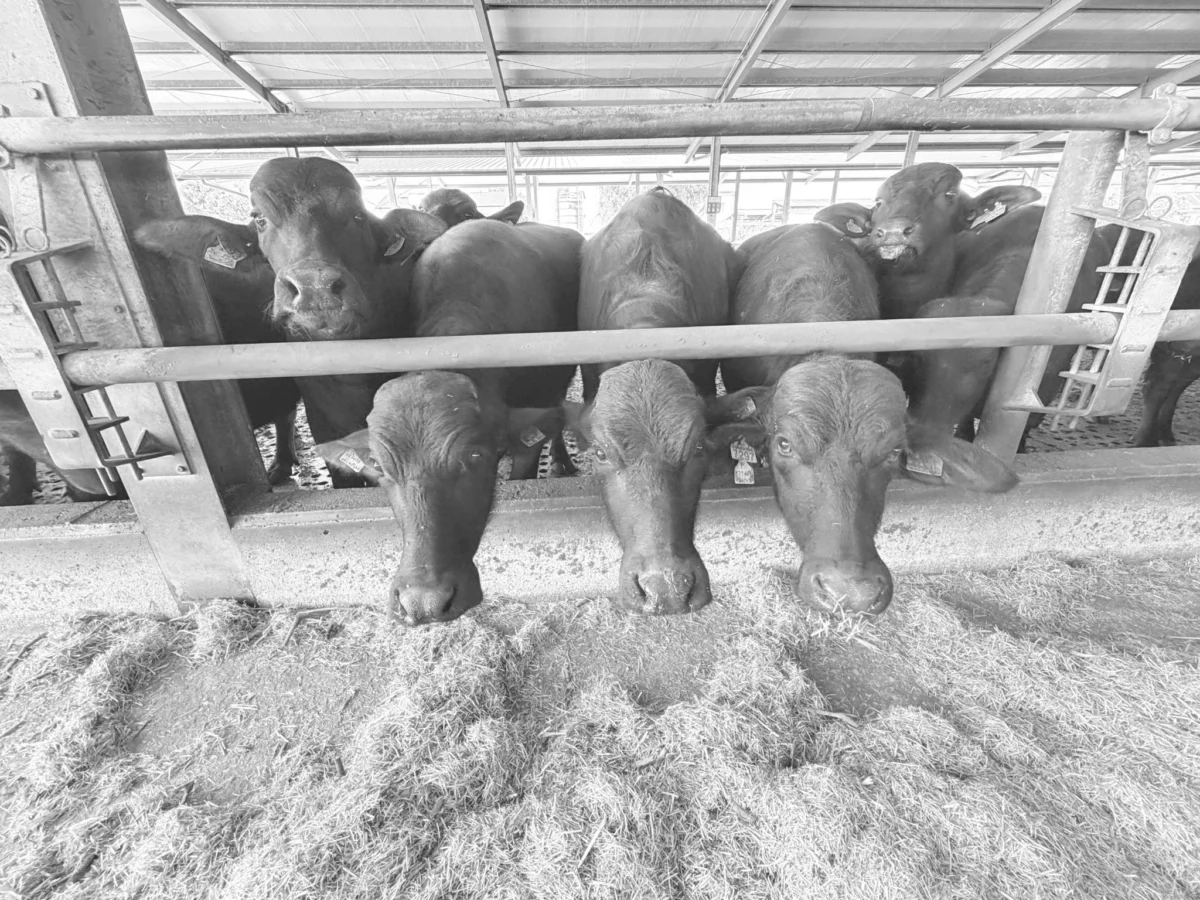
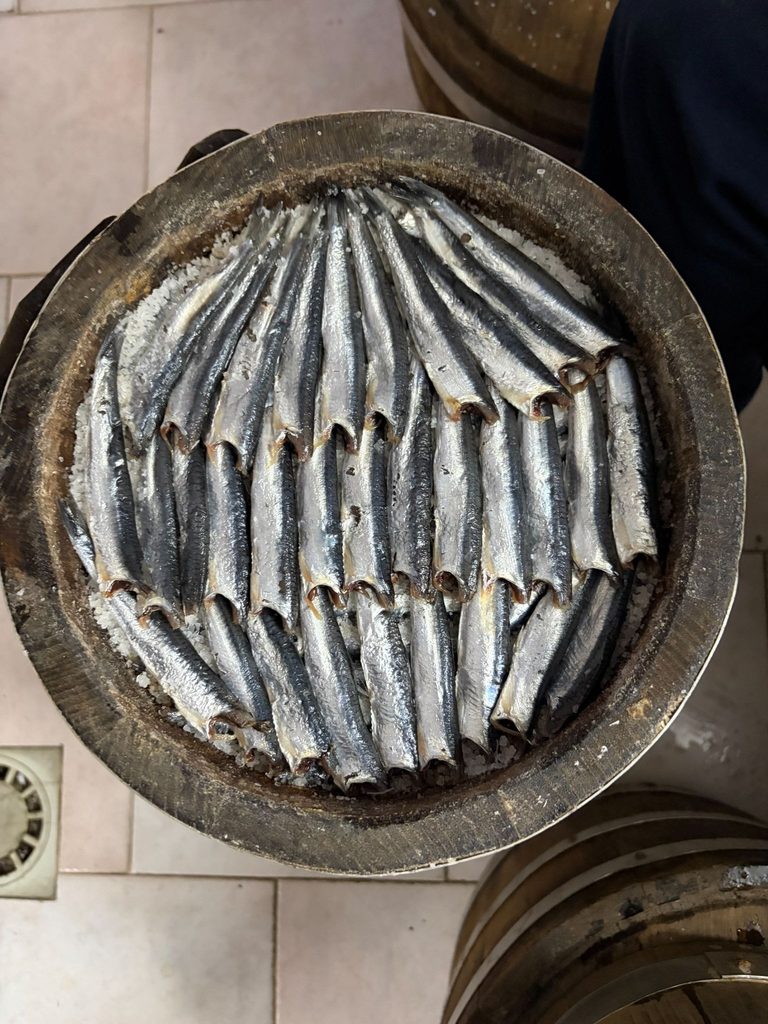
Over the subsequent days, the delegation’s route expanded across the rolling hills of Cilento, the Cetara coastline, the Lattari Mountains, and the Sorrento Peninsula. Key stops included encounters with artisanal producers preserving centuries-old practices, such as Donatella Marino’s traditional alici di Menaica anchovies, olive oil production at Piero Matarazzo’s farm, and sustainable livestock management at Azienda Agricola Jemma, which specializes in Mediterranean buffalo farming.
A central highlight occurred in Prignano Cilento, where researchers participated in a collaborative workshop alongside chef Marisa Iocco and local schoolchildren. This educational outreach underscored the importance of early-life dietary habits—a recurring theme that would later dominate scientific debates in Salerno.
As the itinerary wound northward, the delegation explored social farming models at Fattoria Zero in Pimonte and technological innovation in agriculture at Finagricola’s Serroni educational farm in Battipaglia, where closed-loop systems, biolakes, and environmental stewardship highlighted the modern evolution of regional farming.
From Regional Producers to the Scientific Podium at EBRIS
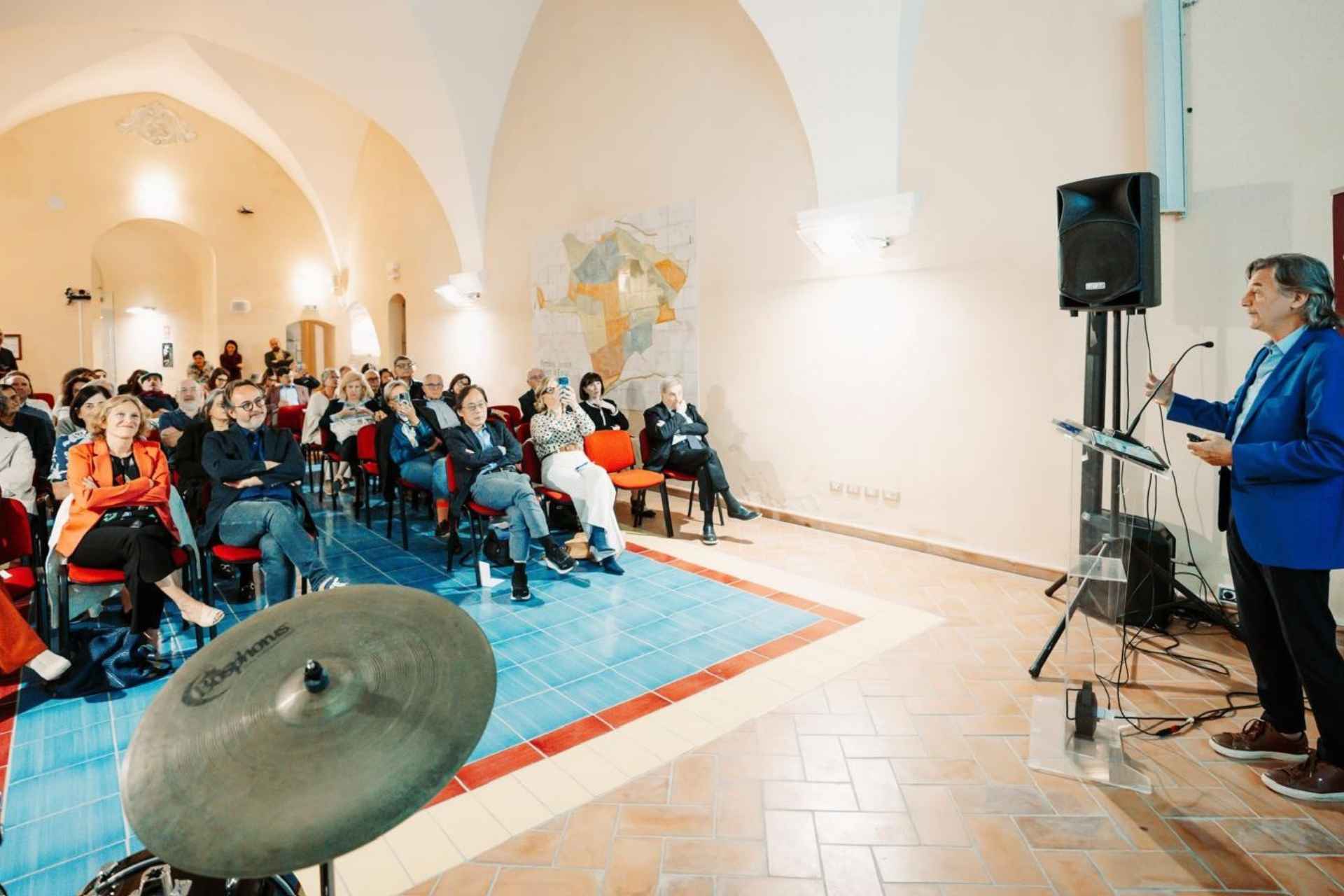
Following the five-day field study, the delegation convened at the EBRIS Foundation in Salerno for the fifth Gut Instinct conference. Moderated by Dr. Ronald E. Kleinman of Harvard Medical School, the symposium translated the practical observations of the countryside into rigorous clinical and molecular frameworks.
Professor Alessio Fasano, president and scientific director of EBRIS, and Professor Frank Hu, chair of the Department of Nutrition at the Harvard T.H. Chan School of Public Health, opened the scientific sessions by addressing the escalating global crisis of childhood obesity. Both experts emphasized that chronic disease prevention must begin early in life, reinforcing the lessons learned during the school workshop in Prignano Cilento.
Fasano defended the decision to immerse clinical researchers in agricultural settings, noting that understanding the biological mechanisms of food requires a parallel understanding of its economic and cultural value.
The conference agenda featured deep dives into the complex biochemistry of the Mediterranean dietary pattern. Presentations evaluated the role of dietary fiber in nurturing a diverse gut microbial ecosystem, the anti-inflammatory and antioxidant properties of specific phenolic compounds found in extra virgin olive oil, and the precise protein intake required to preserve muscle mass and metabolic homeostasis in aging populations.
Clinical Implications in the Era of Modern Pharmacology
As nutritional science intersects with rapid pharmacological advancements, conference speakers also addressed how traditional diets function alongside modern therapeutics.
Dr. Kathleen O’Neil, founder and medical director of Treat Wellness in Boston, delivered a forward-looking presentation on integrating Mediterranean nutritional principles into patient care during the era of GLP-1 receptor agonist medications. Her analysis focused on protecting the gut-mitochondria axis in patients undergoing rapid pharmacologically induced weight loss.
Complementing this perspective, Dr. Ilaria Cavecchia, head of the Clinical Microbiomics Centre at Koelliker Hospital in Turin, discussed the therapeutic prospects of targeted dietary interventions designed to intentionally modulate the human gut microbiota. Cavecchia highlighted the translational challenges facing the field, questioning how far current microbiome science can be reliably applied in routine clinical practice without overpromising results.
The Challenge of Communicating Nutritional Science
A critical analysis of public health messaging was introduced by delegates examining the communication lifecycle of nutritional research. Modern nutritional science occupies a uniquely vulnerable position in public discourse because food is universally consumed, making personal anecdotes powerful competitors to empirical data.
Discussions highlighted how preliminary findings concerning fermented foods, microbial diversity, and metabolic markers frequently undergo linguistic distortion as they transition from peer-reviewed journals to press releases, mainstream journalism, and social media. Subtle scientific verbs such as modulate are routinely inflated to increase, then boost, and finally improve, ultimately transforming a modest biological observation into an absolute guarantee of health benefits.
Experts noted that vague industry and media shorthand—such as claims that a specific food "rebalances the microbiota"—often strips away necessary context regarding dosage, baseline health status, and study design. The delegation concluded that researchers and science communicators share a professional obligation to preserve this complexity, advocating for the promotion of the Mediterranean diet as a holistic dietary pattern rather than a collection of isolated "superfood" remedies.
Redefining the Food Pyramid for Modern Sustainability
The scientific and cultural dialogues of the week found structural alignment in the updated food pyramid released by the Italian Society of Human Nutrition (SINU). Unlike older models focused strictly on macronutrients, the updated SINU framework integrates environmental sustainability, agricultural biodiversity, food waste reduction, and the social dimensions of conviviality directly into dietary guidance.
This expanded paradigm mirrors the realities observed during the field visits in Campania. Dietary choices do not occur in a vacuum; they are intrinsically shaped by regional food availability, agricultural innovation, culinary education, and communal eating traditions.
Fact-Based Analysis and Broader Implications
The convergence of field-based agricultural study and high-level molecular research at Percorsi nel Gusto 2026 underscores a broader shift in preventative medicine. As chronic metabolic and inflammatory diseases continue to burden global healthcare systems, epidemiological and clinical data increasingly point toward whole-diet interventions rather than single-nutrient supplementation.
However, translating these insights into actionable public health policy remains complex. Socioeconomic barriers, shifting agricultural landscapes, and the proliferation of ultra-processed foods threaten traditional dietary patterns even within regions of origin like the Mediterranean basin. Initiatives that foster direct engagement between clinical researchers and local food producers serve a vital role, ensuring that scientific recommendations remain anchored in agricultural reality and cultural sustainability.
The conference concluded with a musical performance by an ensemble from Salerno’s G. Martucci Conservatory, providing a cultural cadence to a week dedicated to preserving both the science and the heritage of the Mediterranean way of life.
