
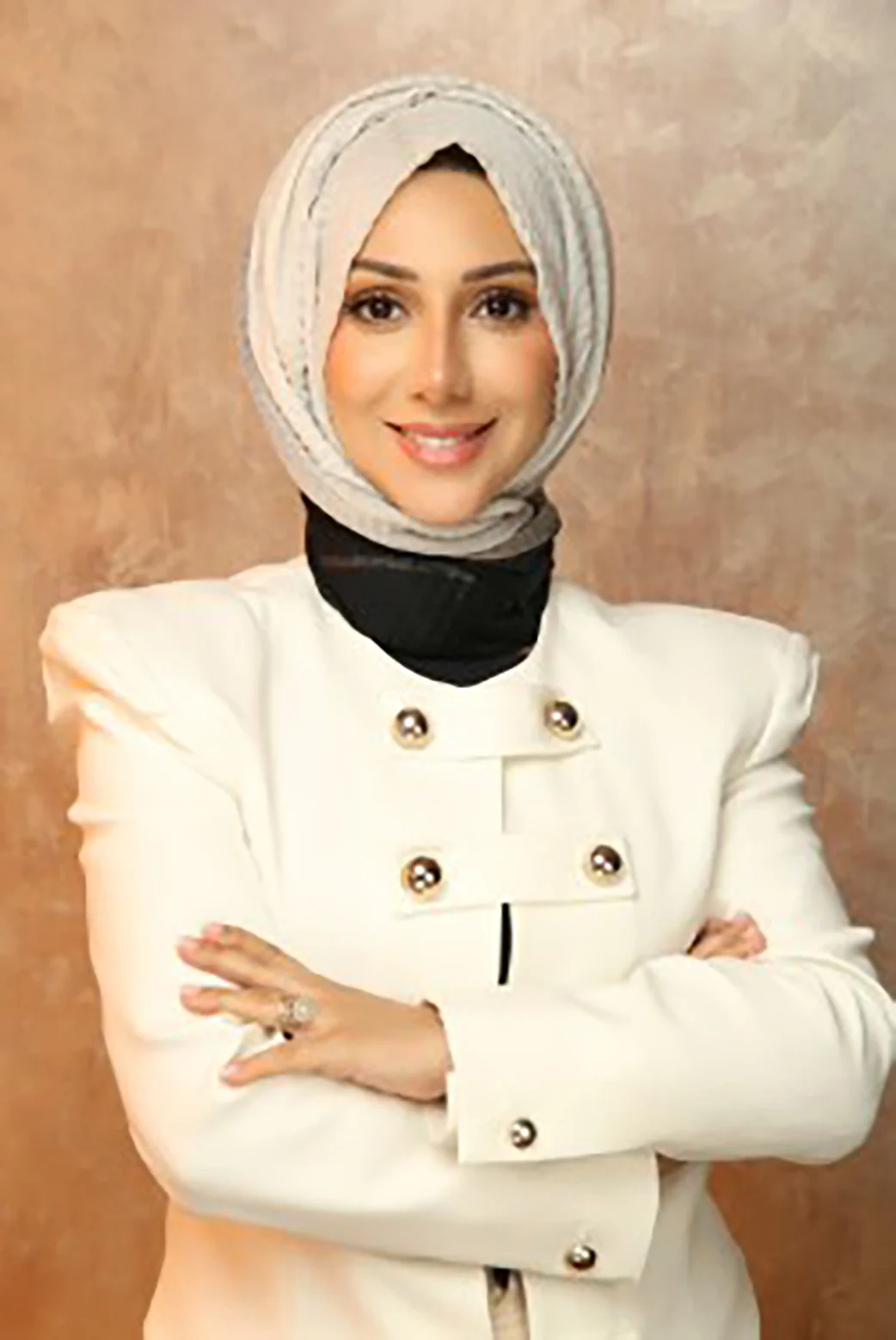
The transition of dental professionals into the specialized field of aesthetic medicine has become one of the most prominent career shifts within modern healthcare, reflecting broader changes in how practitioners manage their professional autonomy, skill diversification, and business enterprises. At the forefront of this evolution is Dr Zainab Al-Mukhtar, an aesthetic practitioner, clinic owner, and former general dentist whose journey underscores the rigorous demands, strategic pivots, and unwavering dedication required to succeed in the competitive medical aesthetics sector. Born in Scotland and raised as the eldest of four daughters, Dr Al-Mukhtar’s trajectory from traditional National Health Service and private dental practice to establishing a thriving aesthetic clinic offers valuable insights into the intersection of clinical precision, entrepreneurial ambition, and professional resilience. Her career path illustrates a growing trend among healthcare clinicians who seek to leverage their foundational anatomical knowledge to address the rising consumer demand for non-surgical cosmetic interventions.
Background Context and Industry Evolution
The medical aesthetics industry has experienced exponential global growth over the last two decades, driven by advancements in minimally invasive technologies, greater social acceptance of cosmetic procedures, and an increasingly aging demographic seeking preventative care. According to market research data compiled by industry analysts, the global medical aesthetics market was valued at approximately $15 billion, with projections indicating a compound annual growth rate exceeding 10 percent over the next decade. Within this expanding ecosystem, dental surgeons, medical doctors, and registered nurses have emerged as key providers, drawn by the clinical autonomy and direct-to-consumer nature of aesthetic practice.
Traditionally, dental professionals undergo rigorous training in facial anatomy, local anesthesia, infection control, and fine motor skills—competencies that translate directly to advanced facial rejuvenation procedures such as dermal fillers and botulinum toxin administration. However, moving from a structured clinical environment, such as a traditional dental surgery, to building an independent aesthetic enterprise requires an entirely separate set of competencies. These include advanced business management, digital marketing, patient journey curation, and continuous professional development tailored specifically to aesthetic dermatology and facial architecture. Dr Al-Mukhtar’s career trajectory mirrors this sectoral maturation, highlighting the necessity for clinicians to view themselves not merely as medical operators, but as comprehensive healthcare entrepreneurs.
Chronology of a Clinical Transition
Dr Al-Mukhtar’s professional narrative began with her formative years in Scotland, where her upbringing instilled a strong work ethic and a deep sense of responsibility as the eldest sibling. This foundation propelled her toward the rigorous academic demands of dental school. Upon graduation, she entered standard dental practice, where she spent years honing her diagnostic capabilities, managing patient anxiety, and performing complex restorative and surgical procedures.
Despite the stability and professional fulfillment offered by dentistry, a growing interest in the artistic and structural nuances of facial aesthetics prompted Dr Al-Mukhtar to explore Continuing Professional Development (CPD) courses outside her primary discipline. The chronology of her transition involved several distinct phases:
- Foundational Awareness and Exploration: Recognizing the synergistic relationship between dental occlusion, perioral aesthetics, and facial balance, Dr Al-Mukhtar began attending introductory seminars on facial rejuvenation during her early years in dental practice.
- Initial Training and Certification: Undertaking accredited foundation training in botulinum toxin and dermal filler administration, ensuring her clinical competencies met rigorous safety and regulatory standards.
- Dual Practice Era: Balancing traditional dental commitments with part-time aesthetic consultations, a period characterized by long working hours, continuous peer-reviewed learning, and meticulous portfolio building.
- Full-Time Pivot and Enterprise Launch: Stepping away from mainstream dentistry to focus entirely on aesthetic medicine, ultimately leading to the foundation of her own specialized clinic.
- Business Scaling and Clinical Leadership: Establishing her clinic as a recognized hub for safe, evidence-based aesthetic treatments, emphasizing patient safety, ethical consultations, and natural-looking outcomes.
This phased progression illustrates that successful career transitions in healthcare cannot be rushed; they require deliberate planning, financial foresight, and a steadfast commitment to patient safety above commercial interests.
Supporting Data and the Rise of Aesthetic Dentistry
The crossover of dental professionals into aesthetic medicine is supported by statistical trends within the healthcare sector. Data from regulatory bodies and professional associations indicate that dentists now account for a significant percentage of practitioners registered with oversight organizations in aesthetic medicine. This migration is driven by several operational factors:
- Anatomical Expertise: Dentists complete hundreds of hours of didactic and practical training focusing on the head, neck, and oral maxillofacial complex, providing them with a superior understanding of facial vasculature and nerve pathways compared to many other allied health professionals.
- Patient Rapport: Dental practitioners are accustomed to building long-term, trust-based relationships with patients through regular recall appointments, fostering high patient retention rates when introducing aesthetic services.
- Practice Diversification: Facing economic pressures within traditional healthcare funding models, many practitioners diversify their service offerings to include private, cash-pay aesthetic treatments, thereby stabilizing their business revenue.
Industry surveys also reveal that patient demand for non-surgical facial treatments remains robust, despite broader economic fluctuations. Consumers increasingly prioritize preventative anti-aging treatments, skin health maintenance, and subtle enhancements administered by medically qualified personnel rather than unregulated beauty therapists. This consumer preference places clinicians like Dr Al-Mukhtar in a strong market position, provided they maintain rigorous clinical standards and engage in lifelong learning.
Professional Insights and Patient Safety Imperatives
A central theme in Dr Al-Mukhtar’s professional philosophy is the rejection of complacency. In interviews and clinical seminars, she frequently emphasizes that mastery in aesthetic medicine is an ongoing pursuit rather than a static destination. As she notes, "There is no room for complacency when you really want something," a sentiment that applies equally to acquiring advanced procedural skills and managing the inherent risks associated with cosmetic interventions.
The medical aesthetics sector operates in a complex regulatory environment. While surgical procedures are heavily restricted, the non-surgical sector—comprising injectables, skin-resurfacing lasers, and chemical peels—has historically faced regulatory loopholes in various jurisdictions, leading to concerns regarding patient safety and rogue practitioners. Professional bodies, including the General Dental Council (GDC) and the General Medical Council (GMC), alongside specialized organizations such as the Aesthetics Journal, continuously advocate for stricter oversight, mandatory qualifications, and standardized complication-management protocols.
In this context, Dr Al-Mukhtar’s approach serves as a benchmark for ethical practice. By grounding her aesthetic treatments in a robust clinical framework, prioritizing comprehensive patient consultations, and maintaining transparency regarding potential risks and realistic outcomes, she exemplifies the standards required to elevate the credibility of the industry. Her practice emphasizes complication management—ensuring that every clinician is fully equipped to handle adverse vascular events, allergic reactions, or delayed inflammatory responses.
Broader Impact and Implications for the Future of Healthcare
The successful transition of practitioners from traditional clinical roles to dynamic aesthetic enterprises has profound implications for the future of healthcare delivery. First, it demonstrates the adaptability of modern clinicians who are no longer confined to traditional career silos. By utilizing transferable skills, healthcare professionals can redesign their career paths to achieve better work-life balance, creative fulfillment, and financial independence.
Second, the influx of medically trained practitioners into aesthetics helps raise the overall safety bar of the industry. As consumers become more discerning, they increasingly seek out medically qualified practitioners who operate out of clinical-grade environments rather than domestic or unregulated settings. This consumer shift pressures regulatory bodies to implement more stringent oversight, ultimately protecting public health and marginalizing unqualified operators.
Finally, narratives like Dr Al-Mukhtar’s inspire the next generation of clinicians. As medical and dental curricula evolve, students are increasingly exposed to the business of healthcare and the myriad career paths available beyond traditional hospital or clinic employment. By sharing the realities of her journey—highlighting both the triumphs and the operational challenges—Dr Al-Mukhtar contributes to a culture of mentorship and peer-reviewed excellence that is vital for the continued maturation of the aesthetic medicine specialty.
In conclusion, Dr Zainab Al-Mukhtar’s evolution from a Scottish-trained dentist to a respected aesthetic practitioner and clinic owner is a testament to the power of resilience, continuous education, and uncompromising clinical standards. As the medical aesthetics sector continues to expand and face new regulatory and technological horizons, the experiences of clinicians who navigate these waters successfully will serve as a vital blueprint for the future of patient-centric, entrepreneurial healthcare.
