
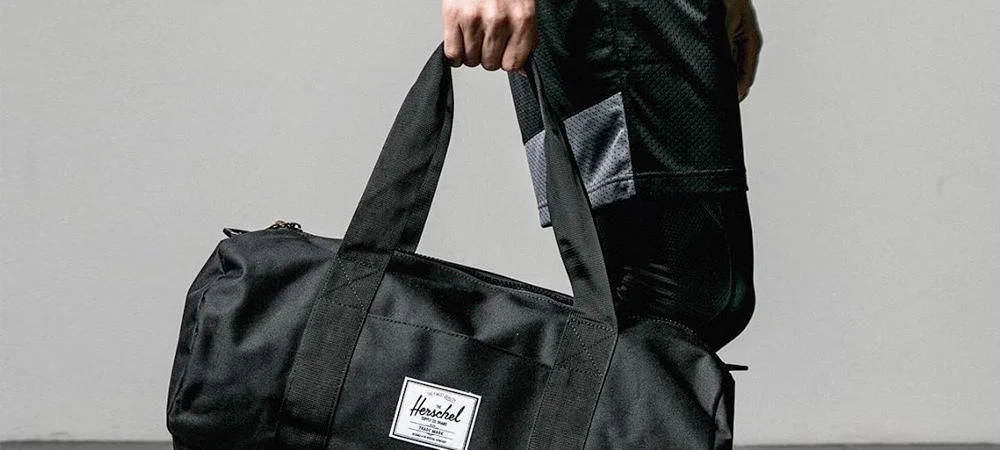
The transition from student-grade drawstring sacks to professional-grade carryalls is a rite of passage for the modern man. As fitness culture continues to evolve, the gym bag has graduated from a mere receptacle for damp towels and worn-out trainers into a sophisticated piece of performance gear that functions as a critical bridge between the corporate office and the training floor. Recent market analysis indicates that the global men’s accessories sector, particularly within the segment of "active-lifestyle luggage," has seen a steady annual growth rate of approximately 5.8 percent, driven by an increased consumer focus on high-performance materials and ergonomic design.

The Evolution of Athletic Carryalls
Historically, athletic bags were designed with singular utility in mind: to transport equipment from point A to point B. However, the contemporary consumer’s demand for "transitional gear"—products that look as appropriate in a boardroom as they do in a squat rack—has forced a shift in manufacturing standards. Modern gym bags now prioritize specialized compartments, odor-neutralization technology, and professional aesthetics.
The integration of antimicrobial linings, waterproof zippers, and dedicated wet/dry separation zones has become the industry standard for premium brands. This evolution reflects a broader trend in men’s fashion: the blurring of lines between formal, casual, and athletic wear. As professionals increasingly prioritize pre-work or post-work fitness sessions, the equipment they carry must reflect a standard of quality that complements their professional wardrobe.
Industry Leaders and Design Innovations
The market for high-end gym bags is currently dominated by a mix of heritage luggage labels and technical sportswear giants, each offering unique approaches to durability and style.
Bennett Winch: The Craftsmanship Benchmark
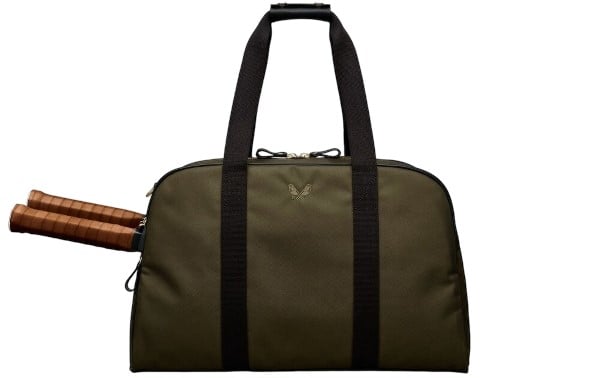
Bennett Winch has established a reputation for "the boardroom-to-locker-room" aesthetic. Their manufacturing process, centered in England, emphasizes traditional craftsmanship combined with modern technical specifications. Unlike mass-produced alternatives, these holdalls utilize full-grain Italian leather and 24oz waterproof bonded cotton canvas. The inclusion of bespoke hardware—such as solid brass fittings and industrial-strength Riri zippers—positions these bags as long-term investments rather than disposable commodities. For the modern executive, the ability to store a 16-inch laptop alongside athletic apparel demonstrates an understanding of the multi-hyphenate lifestyle of the modern worker.

Technical Pioneers: Nike, Adidas, and Under Armour
These giants remain the bedrock of the industry due to their massive investment in research and development. Data from product development cycles suggests that these brands utilize advanced polymer testing to ensure that their bags can withstand high-impact environments. Nike’s focus remains on "tech-forward" design, frequently utilizing recycled materials that align with corporate ESG (Environmental, Social, and Governance) goals. Under Armour, conversely, has leaned into the "high-intensity" niche, focusing on extreme durability and moisture-management systems that appeal to athletes operating in demanding, high-sweat environments.
Sustainable Performance: Patagonia and Rains
Patagonia has long set the gold standard for corporate environmental responsibility. Their luggage line, often constructed from recycled polyester and bluesign®-approved fabrics, appeals to a consumer base that values longevity and ethical sourcing. The brand’s reliance on TPU-film laminates provides a level of water resistance that is critical for commuters in urban environments. Similarly, the Danish firm Rains has capitalized on the demand for minimalist, weather-proof design. By leveraging the same polyurethane fabric used in their signature raincoats, they provide a sleek, urban-focused solution for those who commute via bicycle or on foot, ensuring that equipment remains protected in inclement weather.

Comparative Material Analysis and Utility
Choosing a gym bag in 2026 requires an understanding of material science. The following table summarizes the primary construction methods favored by top-tier manufacturers:
| Material Type | Primary Benefit | Best For |
|---|---|---|
| Ballistic Nylon | Abrasion resistance | High-traffic, daily use |
| Bonded Canvas | Professional aesthetic | Office-to-gym transitions |
| TPU-Coated Fabric | Total weather protection | Urban commuters/cyclists |
| Perforated Mesh | Breathability | Post-workout ventilation |
The Role of Ergonomics and Organization
Beyond aesthetics, the internal architecture of the bag is the most significant factor in user satisfaction. A 2025 consumer survey by a major fitness analytics group noted that 72 percent of users identify "ease of organization" as their primary pain point. Manufacturers have responded by implementing:

- Dedicated Footwear Tunnels: These isolated compartments prevent odors and dirt from contaminating clean garments.
- Padded Tech Sleeves: Essential for those carrying tablets or laptops, these sleeves utilize high-density foam to absorb shock during transit.
- Vented Panels: Strategic placement of laser-cut eyelets allows for airflow, which is critical in preventing the buildup of bacteria in damp environments.
Socio-Economic Implications of Athletic Gear
The rise of the "premium" gym bag is indicative of a broader shift in consumer behavior. Men are spending a greater proportion of their discretionary income on wellness-adjacent products. This is not merely a fashion trend; it is a manifestation of the "wellness economy." As physical health is increasingly viewed as a prerequisite for professional success, the tools of the trade—including the bag that carries them—have become symbols of personal discipline and organizational prowess.
Maintenance and Longevity
To extend the lifespan of a premium gym bag, manufacturers recommend a standardized care protocol:
- Weekly Decontamination: Empty the bag entirely and wipe down the interior with a mild, pH-neutral disinfectant.
- Air Drying: Never store a damp bag in a closed locker. If the bag has been exposed to significant moisture, it must be hung in a well-ventilated area for at least 12 hours.
- Hardware Inspection: Periodically check brass fittings and zippers. Lubricating zippers with a silicon-based spray can prevent the accumulation of grit and salt, which can lead to mechanical failure.
Market Outlook for 2026 and Beyond
Looking forward, the sector is expected to integrate "smart" features into high-end luggage. Early prototypes from luxury athletic brands indicate that we may soon see bags with built-in solar charging capabilities for mobile devices and integrated tracking sensors that allow users to locate their gear via smartphone applications.
Furthermore, the emphasis on circular fashion is gaining momentum. Brands like Eastpak and Patagonia are already leading the way with extended warranties—some spanning three decades or more—which fundamentally alters the value proposition for the consumer. By prioritizing repairability over replacement, these brands are shifting the market away from the "fast fashion" model that dominated the previous decade.

Conclusion: Making the Right Investment
Ultimately, the selection of a gym bag is a functional decision dictated by the user’s daily routine. For the individual who commutes by train and values a minimalist aesthetic, a brand like Rains or Carl Friedrik offers the perfect balance of form and function. For the athlete whose schedule is dominated by high-intensity training and the need for maximum durability, Under Armour or The North Face remains the superior choice.
The "right" bag is one that minimizes the friction of the daily commute, protects the integrity of one’s professional attire, and encourages consistency in training. In 2026, the market offers a diverse array of options that ensure no man has to sacrifice professional standards for athletic convenience. By investing in quality, the modern man not only secures a durable tool for his fitness journey but also upholds a standard of personal presentation that remains consistent from the office to the squat rack.
