
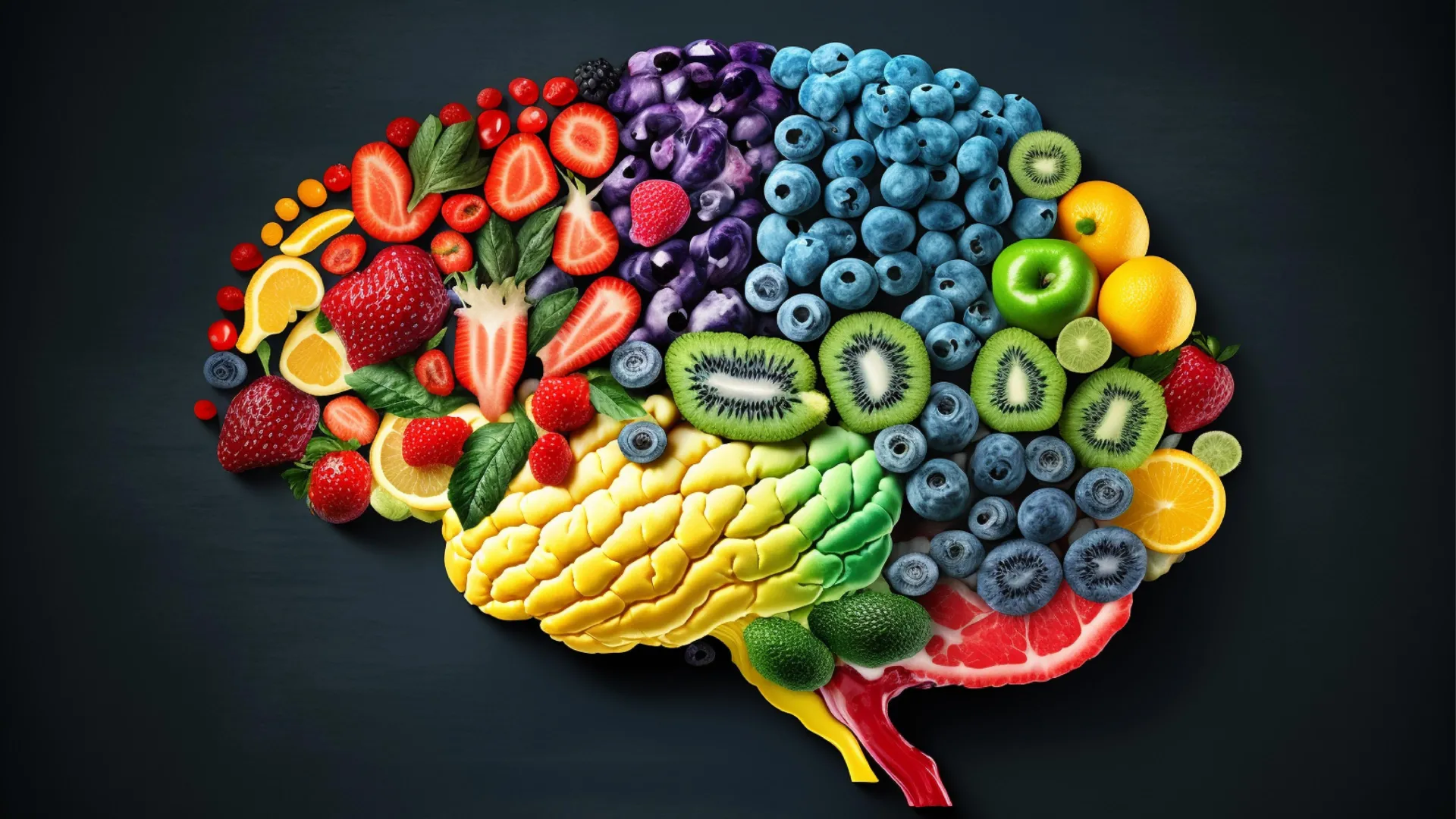
The intersection of nutritional science and neurology has yielded a compelling new perspective on how dietary habits influence the physical structure of the aging brain. According to recent research published online in the Journal of Neurology Neurosurgery & Psychiatry, adhering to the MIND diet—a nutritional framework blending elements of the Mediterranean diet with DASH (Dietary Approaches to Stop Hypertension) protocols—is associated with a slower rate of age-related structural brain deterioration. Specifically, researchers observed that greater compliance with this dietary pattern correlated with reduced loss of grey matter and less enlargement of the brain’s ventricles over time, offering tangible biological markers that connect what we eat to the preservation of neural architecture.
These findings arrive at a critical juncture for public health. As global populations age, the socioeconomic and personal burdens of neurodegenerative disorders, such as Alzheimer’s and Parkinson’s disease, continue to mount. While decades of research have established the heart-healthy benefits of structured eating plans, neurologists and nutritional epidemiologists are increasingly focused on how these same regimens might safeguard cognitive vitality. The latest data from this extensive cohort study provide an important piece of that puzzle, mapping out precise physical changes in the brain that correspond with specific dietary patterns.
Background and Evolution of the MIND Diet
The MIND diet—formally known as the Mediterranean-Dietary Approaches to Stop Hypertension Diet Intervention for Neurodegenerative Delay—was developed to specifically target neurological health and cognitive decline. Pioneered by researchers at Rush University Medical Center and introduced in 2015, the diet integrates the most neuro-protective components of two well-established eating plans: the Mediterranean diet and the DASH diet, which was originally formulated to lower blood pressure.
While both antecedent diets are widely recognized for lowering cardiovascular risk and supporting overall longevity, the MIND diet was meticulously engineered to combat dementia. It places a distinct emphasis on specific food groups known to contain high concentrations of flavonoids, carotenoids, and vitamins E and K—compounds that have been shown to reduce oxidative stress, inflammation, and the accumulation of neurotoxic beta-amyloid proteins in the brain.
The dietary prescription is explicit. It champions the daily consumption of green leafy vegetables, along with at least one other vegetable serving daily, and advocates for regular intake of berries, nuts, whole grains, fish, beans, poultry, and olive oil, accompanied by moderate wine consumption. Conversely, it strictly advises limiting foods that promote systemic inflammation and vascular damage, including butter and margarine, cheese, red meat, pastries, sweets, and fried fast foods. Prior to this recent investigation, the clinical consensus suggested a strong correlation between high MIND scores and better cognitive performance over time; however, the precise structural impacts on brain tissue atrophy and ventricular expansion remained less clearly defined.
Methodology and Chronology of the Framingham Study Analysis
To bridge this knowledge gap, an investigative team turned to one of the most robust and longest-running epidemiological initiatives in medical history: the Framingham Heart Study (FHS). Specifically, researchers utilized data from the FHS Offspring cohort, a multigenerational study designed to track cardiovascular disease and other chronic conditions across decades.
The study analyzed a sample of 1,647 middle-aged and older adults. At the commencement of the targeted nutritional and imaging assessments, participants had an average age of 60. The chronological framework of the study spanned several decades of data collection, structured around rigorous multi-year evaluations:
- Dietary Assessments: Participants’ food intake was meticulously tracked through at least one food frequency questionnaire (FFQ) administered during structured clinical check-ups across three distinct intervals: 1991 to 1995, 1995 to 1998, and 1998 to 2001.
- Brain Imaging Chronology: Beginning in 1999, participants underwent serial magnetic resonance imaging (MRI) brain scans conducted at intervals ranging from every two to six years, concluding around 2019.
- Clinical Screening: To ensure that acute neurological events did not skew the structural measurements, researchers excluded any individuals who showed evidence of stroke or dementia at the time of their baseline MRI scan.
Throughout the average follow-up period of 12 years, each participant completed at least two brain MRI assessments, allowing researchers to calculate precise rates of tissue change relative to their reported nutritional habits. The average adherence score among the cohort was just under 7 out of a possible maximum score of 15, with higher scores denoting superior alignment with the MIND dietary guidelines.
Demographic profiles of participants in the highest third of MIND diet adherence revealed distinct socioeconomic and lifestyle correlations. These individuals were more likely to be women and college-educated, and significantly less likely to smoke cigarettes or suffer from obesity. Furthermore, high adherners exhibited a lower prevalence of major comorbidities known to compromise cerebral microvasculature, including type 2 diabetes, hypertension, and cardiovascular disease.
Quantitative Findings: Grey Matter Preservation and Ventricular Slowing
Over the course of the 12-year follow-up, serial MRI scans captured the normative structural trajectories associated with human aging. Across the entire cohort, expected neurodegenerative markers emerged: total brain volume, grey matter, white matter, and hippocampal volumes progressively decreased. Simultaneously, cerebrospinal fluid volumes, ventricular volumes, and white matter hyperintensities—bright spots on MRI scans indicative of small vessel ischemic damage—all increased.
Despite these universal aging trends, the rate of physical degradation varied significantly depending on dietary adherence. Participants with higher MIND diet scores experienced a demonstrably slower loss of grey matter. Grey matter is critical for cognitive function, housing the neuronal cell bodies responsible for memory formation, sensory perception, decision-making, executive function, and information processing.
The statistical modeling revealed that every three-point increase in a participant’s MIND diet score was associated with a reduction in grey matter loss equivalent to 0.279 cubic centimeters per year. According to the research team, this slowdown translates to roughly 20 percent less age-related decline, providing a biological preservation effect comparable to delaying brain aging by approximately 2.5 years.
A remarkably similar protective trend was observed in the expansion of the brain’s ventricles. Ventricles are the fluid-filled cavities within the brain that naturally enlarge as surrounding neural tissue shrinks and atrophies. The data demonstrated that each three-point rise in the MIND diet score was associated with a slower expansion of total ventricular volume by 0.071 cubic centimeters per year. This deceleration corresponded to roughly 8 percent less tissue loss, yielding the functional equivalent of approximately one year of delayed brain aging.
Dissecting the Impact of Individual Food Groups
While the cumulative diet score offered robust predictive value, a deeper dive into the specific components of the nutritional questionnaire revealed that certain food groups played an outsized role in driving these neurological outcomes.
Berries and poultry emerged as standout contributors to structural preservation. Higher dietary intake of berries—particularly blueberries and strawberries, which are rich in anthocyanins and other potent polyphenols—was directly linked to slower increases in ventricular volume. Similarly, regular consumption of poultry was associated with both attenuated ventricular enlargement and a slower rate of grey matter decline.
Conversely, dietary items targeted for restriction by the MIND guidelines demonstrated detrimental structural correlates. Higher consumption of commercial sweets and pastries was associated with accelerated ventricular enlargement and greater hippocampal atrophy. Similarly, frequent intake of fried and fast foods—which are notoriously high in saturated fats, trans fats, and advanced glycation end-products (AGEs)—correlated with a pronounced reduction in hippocampal volume.
Commenting on these specific correlations, the study authors highlighted the underlying biochemical mechanisms at play. "MIND-recommended foods rich in antioxidants, such as berries, and high-quality protein sources like poultry may reduce oxidative stress and mitigate neuronal damage," the researchers noted. "Conversely, fried fast foods, often high in unhealthy fats, trans fats, and advanced glycation end-products, may contribute to inflammation and vascular damage."
Paradoxical Findings and Lifestyle Synergies
Scientific investigations frequently yield nuanced or unexpected data points, and this study was no exception. Not all recommended or restricted foods conformed to the anticipated structural patterns.
Most notably, higher whole-grain intake was unexpectedly associated with several unfavorable structural metrics in this cohort, including faster rates of grey matter loss, accelerated hippocampal volume reduction, and more rapid ventricular enlargement. Conversely, cheese consumption exhibited an inverse trend: greater intake of cheese was associated with slower declines in both grey matter and hippocampal volume, reduced ventricular expansion, and fewer white matter hyperintensities. Epidemiologists and nutritionists emphasize that single-food correlations within observational studies must be interpreted with caution, as they often reflect complex dietary substitution effects or broader, unmeasured lifestyle behaviors rather than isolated biochemical impacts.
Furthermore, the protective associations of the MIND diet were not uniform across all demographics. The positive structural correlations appeared stronger among older participants, suggesting that adopting a brain-healthy diet may yield the most pronounced clinical dividends for individuals at elevated risk of accelerated brain aging or those already exhibiting variable trajectories of neurodegeneration.
Stronger associations were also documented among participants who maintained higher levels of physical activity and those who avoided being overweight or obese. This synergistic pattern underscores a vital public health reality: mitigating the risk of cognitive decline likely requires a multi-modal approach. Combining an anti-inflammatory, antioxidant-rich diet with consistent physical exercise and weight management creates a more formidable defense against neurodegenerative diseases than any single lifestyle modification enacted in isolation.
Methodological Limitations and Caveats
Despite the extensive duration of the study, the large sample size, and the rigorous imaging protocols employed, the researchers were careful to acknowledge several inherent methodological limitations.
First and foremost, because this was an observational study, it cannot establish definitive cause and effect. While the statistical models controlled for a wide array of demographic and health-related confounders, the data demonstrate correlation rather than direct causation. It remains theoretically possible that individuals with pre-existing, subclinical neurological health or distinct socioeconomic advantages simply gravitated toward these dietary patterns.
Second, the reliance on food frequency questionnaires introduces the potential for recall bias. Participants were asked to remember and report their dietary habits over extended periods, a methodology notoriously susceptible to under-reporting of unhealthy foods and over-reporting of perceived health-conscious choices. Additionally, the study could not fully account for subtle dietary shifts that may have occurred outside the specific multi-year survey windows, nor could it completely rule out mild cognitive impairment present at the time of the baseline MRI scans.
Finally, the demographic composition of the Framingham Offspring cohort presents a generalizability challenge. The participants were predominantly of European descent. Consequently, the observed associations between the MIND diet and structural brain preservation may not translate directly to racially and ethnically diverse populations, whose nutritional baselines, genetic risk profiles, and environmental exposures differ significantly.
Implications for Future Public Health Strategies
Notwithstanding these limitations, the broader clinical and public health implications of the research are substantial. By demonstrating a quantifiable, structural link between diet and the physical preservation of grey matter and ventricular volume, the study provides biological plausibility to decades of epidemiological observations regarding nutrition and cognitive health.
As global healthcare systems grapple with the rising human and economic tolls of dementia and cognitive impairment, identifying modifiable risk factors remains a paramount scientific priority. Pharmaceuticals targeting neurodegenerative diseases have seen mixed clinical success and often come with substantial financial costs and side effects. In contrast, dietary interventions represent an accessible, low-risk, and scalable tool for population-wide primary prevention.
Medical professionals and nutritional scientists emphasize that the value of the MIND diet extends far beyond cardiovascular metrics, reinforcing the concept that the brain is deeply interconnected with systemic metabolic health. The findings lend robust support to ongoing preventative strategies aimed at delaying neurodegeneration and preserving functional independence in aging populations.
In their concluding remarks, the research team summarized the strategic value of their findings: "These findings reinforce the potential of the MIND diet as a brain-healthy dietary pattern and support its role in strategies aimed at slowing neurodegeneration in aging populations." As further clinical trials continue to explore the precise biochemical pathways linking nutrition to neural maintenance, adopting an eating pattern rich in antioxidants, healthy proteins, and leafy greens stands out as a prudent, scientifically grounded step toward long-term cognitive resilience.
