
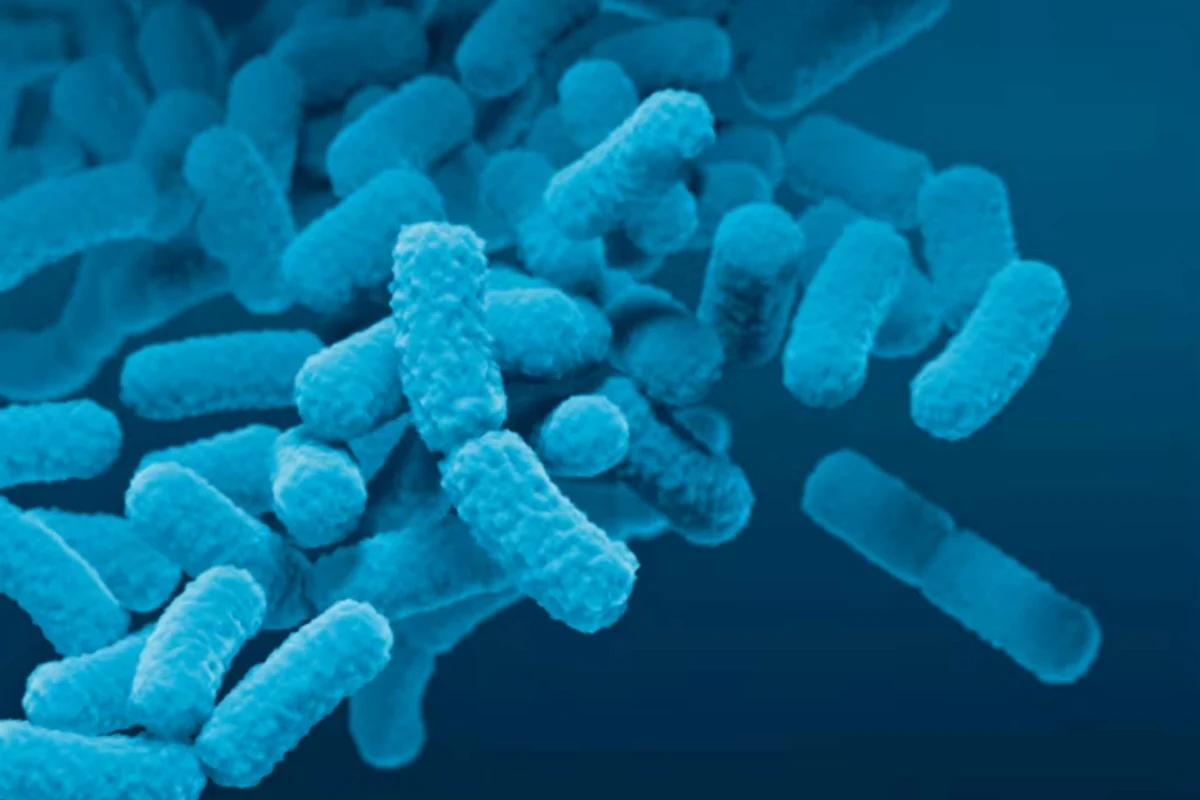
The global nutraceutical landscape is undergoing a paradigm shift, moving away from brute-force nutritional dosing toward precision delivery systems designed to interact directly with the human gut microbiome. At the forefront of this evolution is dsm-firmenich, a global leader in nutrition, health, and beauty, which has officially introduced Humiome B2. Utilizing an advanced, patented multi-unit pellet coating technology, this novel iteration of vitamin B2—also known as riboflavin—is engineered to bypass standard upper gastrointestinal absorption and release approximately 90% of its active payload directly into the ileal-colonic region. This innovation marks a significant departure from conventional oral supplementation, effectively transforming an essential human micronutrient into a targeted tool for microbial modulation and bridging the gap between traditional vitamins and advanced biotics.
Background and Context of the Innovation
To understand the magnitude of dsm-firmenich’s latest development, one must examine the physiological limitations of standard dietary supplements. Riboflavin is a water-soluble B vitamin that plays an indispensable role in human metabolism, functioning primarily as a precursor for enzymatic cofactors involved in critical cellular processes, redox reactions, and antioxidant defense mechanisms. Under normal physiological conditions, conventional oral riboflavin is almost entirely absorbed in the proximal sections of the small intestine to satisfy the host’s baseline nutritional requirements.
However, this efficient upper-GI absorption creates a delivery gap for the lower gastrointestinal tract. The vast majority of the human gut microbiota—comprising trillions of microorganisms vital for metabolic, immunological, and neurological health—resides further down in the colon. Consequently, only a negligible fraction (historically estimated at roughly 2%) of standard dietary riboflavin ever reaches the colonic microbial ecosystem.
For years, researchers attempted to overcome this barrier through high-dose administration, utilizing 50 mg to 100 mg of riboflavin daily to force a higher residual spillover into the colon. While these high-dose studies occasionally demonstrated positive shifts in microbial diversity and short-chain fatty acid (SCFA) production—such as increases in acetate and butyrate—overdosing remains a blunt and inefficient pharmacological strategy. Recognizing that increased systemic exposure does not equate to targeted delivery, dsm-firmenich pivoted toward formulation science to protect the nutrient during transit, ensuring localized microbial availability without requiring excessive, supraphysiological intake.
The Dual-Trigger Delivery Mechanism
The engineering behind Humiome B2 centers on a sophisticated multi-unit pellet system designed with dual-trigger functionality. The ingredient is manufactured using renewable resources, yielding a microplastic-free composition produced via a completely solvent-free process.
The structural architecture of the pellet consists of distinct, functionally specialized coating layers. The outer coating is engineered to be pH-responsive, remaining stable through the acidic environment of the stomach and initiating controlled dissolution only as the pellet transits through the small intestine. Beneath this outer shell lies an inner coating designed to react specifically to microbial enzymes present within the colon. This dual-action mechanism ensures that approximately 90% of the encapsulated riboflavin is safely conserved until it reaches the ileal-colonic region, while the remaining 10% is released earlier in the digestive tract to satisfy standard host nutritional pathways.
Laboratory simulations and in vitro models have verified this pharmacokinetic profile. Data derived from the TIM-1 and TIM-2 gastrointestinal simulation models confirmed that Humiome B2 pellets remain structurally intact throughout simulated upper-GI transit, subsequently discharging the bulk of their cargo upon reaching simulated colonic conditions. Furthermore, the TIM-2 intestinal model demonstrated that this targeted release directly stimulates microbial fermentation, resulting in elevated production of beneficial short-chain fatty acids like acetate and butyrate.
Chronology of Scientific Validation and Market Entry
The development of Humiome B2 is backed by a comprehensive and multi-layered evidence ladder compiled over years of preclinical and clinical investigation:
- Preclinical Fermentation Studies: Initial evaluations demonstrated that targeted riboflavin delivery, particularly when combined with dietary antioxidants, successfully enhanced microbial diversity, boosted SCFA yields, and selectively supported the proliferation of key health-associated taxa such as Blautia and Faecalibacterium prausnitzii.
- Probiotic Compatibility Trials: Unpublished company assays confirmed that the targeted ingredient exhibits strong compatibility with widely utilized commercial probiotic strains, including Lacticaseibacillus rhamnosus GG, Bacillus coagulans BC30, and Bifidobacterium animalis subsp. lactis, paving the way for multi-ingredient formulations.
- Human Interventions and Clinical Trials: Earlier pilot studies utilizing high-dose oral riboflavin established correlations between colonic B2 availability and increases in butyrate-producing species like F. prausnitzii and Roseburia, alongside reductions in potentially pathogenic Enterobacteriaceae. More recently, a four-week human trial utilizing 75 mg per day of colon-delivered riboflavin documented measurable increases in alpha diversity and relative species abundance.
- Emerging Long-Term Data: dsm-firmenich has completed a 12-week dose-ranging study evaluating colon-delivered Humiome B2 doses of 1.4 mg, 10 mg, and 75 mg per day in older adults. While currently under peer review, preliminary company summaries indicate dose-dependent improvements in microbial diversity, butyrate synthesis, keystone species stability, and overall ecosystem functionality.
- Commercialization (2025): The transition from laboratory research to commercial shelf space materialized in early 2025. In Poland, pharmaceutical company Hexanova launched Lactinova Stress—a gut-brain axis formulation integrating Humiome B2 alongside established prebiotics and probiotics. Distributed primarily through medical channels such as pharmacies and hospitals, this launch represents the blueprint for future deployments across Denmark, Germany, and the broader European market.
Official Responses and Strategic Market Positioning
In positioning this ingredient, dsm-firmenich has introduced a novel commercial descriptor: the "biotic vitamin." While not an official regulatory or scientific classification, the term strategically frames the ingredient as a nutrient explicitly engineered to interact dynamically with the gut microbiome, sitting precisely at the intersection of conventional vitamins, prebiotics, and postbiotics.
Industry analysts note that this category positioning offers formulators a distinct competitive advantage in an increasingly saturated digestive health market. Driven by escalating consumer awareness linking gut wellness to systemic health, market forecasts project biotic-ingredient growth of 4.5% in Europe and 6.6% in the Middle East and Africa between 2024 and 2030. By offering a familiar micronutrient identity paired with cutting-edge delivery technology, dsm-firmenich provides brands with an accessible, science-backed innovation narrative that avoids the consumer skepticism sometimes associated with entirely novel microbial strains.
Moreover, the ingredient’s compatibility with existing biotics opens up lucrative development territories across multiple health segments, including digestive wellness, healthy aging, post-antibiotic recovery regimens, gut-brain axis formulations, and advanced metabolic support products.
Implications, Regulatory Considerations, and Future Outlook
Despite the robust scientific rationale and promising early commercial traction, industry experts emphasize that technical success must be matched by rigorous claims discipline. Demonstrating that a nutrient successfully reaches the colon or alters in vitro fermentation pathways does not automatically confer authorization for sweeping consumer health claims.
Manufacturers incorporating Humiome B2 into finished formulations must navigate complex, region-specific regulatory frameworks. The adoption of terms like "biotic vitamin" or any microbiome-related marketing messaging must strictly align with local statutory guidelines. Regulatory bodies across Europe and North America continue to scrutinize functional food and supplement claims, placing the ultimate legal and compliance responsibility squarely on finished-product brands to substantiate their product labeling through peer-reviewed human clinical data.
As the nutraceutical industry moves deeper into an era defined by microbial functionality rather than mere organism enumeration, precision-delivered micronutrients are poised to become standard fixtures in formulation science. Humiome B2 demonstrates that established, foundational nutrients do not need to be replaced by novel molecules to drive innovation; rather, through advanced delivery systems, they can be entirely repositioned to unlock new dimensions of human health and microbial synergy. Whether biotic vitamins evolve into a formally recognized market segment will depend heavily on upcoming clinical validation, regulatory clarity, and the continued commercial success of pioneering formulations entering the global marketplace.
