
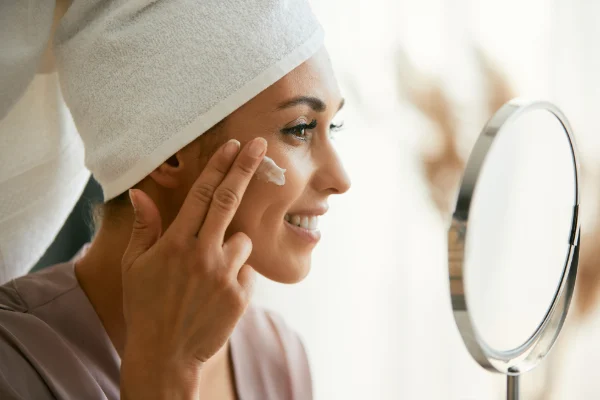
The debate surrounding the efficacy, formulation, and regulatory definitions of skincare products has reached a critical juncture within the aesthetic medicine community. As consumer demand for advanced topical treatments surges globally, practitioners are increasingly forced to navigate the blurred lines between over-the-counter cosmetics and prescription-strength or physician-dispensed regimens. Nurse practitioner Dr Jenni Thain has recently examined whether the designation of medical-grade skincare offers distinct, measurable clinical advantages over traditional retail alternatives, shedding light on a lucrative yet frequently misunderstood sector of modern dermatology and aesthetic practice.
Skincare has evolved dramatically over the past two decades, transitioning from a basic, superficial adjunct to aesthetic treatments into an integral, sophisticated component of comprehensive patient management. No longer viewed simply as a daily cleansing routine, modern topical regimens play a pivotal role in clinical protocols. Practitioners routinely rely on advanced formulations to prepare the skin barrier before aggressive procedural interventions, such as laser resurfacing and chemical peels, to optimize physiological healing timelines, and to maintain long-term cutaneous health and homeostasis post-procedure.
Main Facts and the Core Clinical Debate
At the heart of Dr Thain’s clinical exploration is a fundamental question that divides dermatologists, plastic surgeons, and aesthetic nurses alike: Do medical-grade skincare products—often referred to as physician-dispensed or cosmeceuticals—truly deliver superior clinical outcomes compared to high-end retail products, or is the distinction largely a marketing construct?
In clinical practice, the term medical-grade generally denotes products that contain higher concentrations of active ingredients, utilize superior delivery systems, and undergo rigorous stability testing. Unlike standard cosmetics, which are strictly regulated to act only on the outermost layer of the stratum corneum, certain medical-grade formulations are engineered to penetrate deeper into the epidermis and dermis. This targeted penetration allows them to influence cellular function, stimulate collagen synthesis, regulate melanogenesis, and modulate inflammatory pathways.
However, the regulatory landscape presents a significant challenge. Globally, regulatory bodies such as the United States Food and Drug Administration (FDA) and the United Kingdom’s Medicines and Healthcare products Regulatory Agency (MHRA) do not officially recognize "medical-grade" as a formal legal or scientific category. Instead, products are classified either as cosmetics or as drugs, depending on their intended use and active ingredient claims. Consequently, the burden of proof regarding efficacy largely falls upon independent clinical trials, manufacturer-sponsored research, and the empirical observations of experienced practitioners.
Chronological Evolution of Topical Skincare in Aesthetics
To understand the current prominence of medical-grade skincare, it is essential to examine the historical trajectory that brought the industry to this point.
During the late 20th century, topical skincare was largely bifurcated. On one side were mass-market cosmetic creams focused primarily on basic hydration and sensory experience (fragrance, texture, and immediate tactile smoothing). On the other side were strictly pharmaceutical interventions, such as topical tretinoin and hydroquinone, prescribed by physicians to treat specific dermatological pathologies like acne vulgaris or hyperpigmentation.
By the early 2000s, the rise of minimally invasive aesthetic procedures—such as botulinum toxin injections, dermal fillers, and light-based therapies—created a commercial and clinical vacuum. Patients required supportive home-care regimens to protect their financial and physical investment in these procedures. This period marked the birth of the modern cosmeceutical market, where skincare brands began collaborating closely with dermatologists and plastic surgeons to formulate products containing stabilized antioxidants, growth factors, and advanced peptides.
Over the subsequent decade, the market experienced exponential growth. By the 2010s, physician-dispensed skincare lines became a primary revenue stream for aesthetic clinics. Clinics realized that prescribing customized home-care regimens not only enhanced procedural outcomes but also fostered long-term patient loyalty and recurring revenue.
In recent years, the timeline has shifted toward molecular precision and personalized medicine. Contemporary clinical discussions, such as those led by Dr Thain, focus less on broad categories and more on specific pharmacokinetic properties: How stable is the L-ascorbic acid in the bottle? What is the molecular weight of the hyaluronic acid? Does the delivery mechanism rely on encapsulation technology to prevent degradation before reaching the target cellular receptor?
Supporting Data and Market Dynamics
The economic and clinical relevance of advanced skincare is underscored by robust market data. According to industry analyses by Grand View Research and Statista, the global cosmeceutical market size was valued at approximately $53.8 billion, with projections indicating a compound annual growth rate (CAGR) exceeding 8% through 2030. This growth is fueled by an aging global demographic, increased consumer health literacy, and the destigmatization of aesthetic treatments across diverse populations.
Clinical data supporting the efficacy of high-potency topical agents is equally compelling. Multiple peer-reviewed studies published in dermatological journals have demonstrated that stabilized, low-pH topical Vitamin C (L-ascorbic acid) at concentrations between 10% and 20% significantly reduces ultraviolet-induced erythema, neutralizes free radicals, and upregulates pro-collagen gene expression. Similarly, clinical trials evaluating prescription-strength retinoids consistently confirm their unmatched ability to accelerate cellular turnover and reverse signs of photoaging.
However, independent dermatological reviews frequently caution that price does not always correlate linearly with efficacy. A 2021 comparative analysis published in the Journal of Drugs in Dermatology noted that while many physician-dispensed brands utilize superior vehicle technologies to enhance active ingredient stability and skin penetration, certain retail formulations achieve comparable clinical results at a fraction of the cost, provided their active ingredient concentrations and pH levels are scientifically optimized.
Official Responses and Industry Perspectives
Reactions from key stakeholders across the aesthetic medicine ecosystem reveal a nuanced consensus. Professional associations, such as the British Association of Cosmetic Nurses (BACN) and the American Academy of Dermatology (AAD), emphasize the necessity of clinical education when dispensing potent topicals.
According to aesthetic nursing leaders, the primary advantage of medical-grade skincare lies not merely in the bottle, but in the diagnostic expertise of the practitioner prescribing it. A retail consumer purchasing a product off a shelf risks misdiagnosing their skin condition, potentially exacerbating inflammatory disorders such as rosacea, perioral dermatitis, or severe acne. Conversely, when a qualified nurse practitioner or dermatologist evaluates the patient, formulates a bespoke regimen, and monitors the skin’s physiological response over time, the risk of adverse reactions diminishes significantly while therapeutic outcomes improve.
Conversely, consumer advocacy groups and cosmetic chemists often urge caution against excessive marketing hyperbole. Industry watchdogs frequently point out that terms like "medical-grade," "clinical-strength," and "doctor-formulated" are frequently leveraged as commercial justifications for premium pricing, occasionally masking formulations that differ only marginally from well-formulated, science-backed mass-market alternatives.
Broader Impact and Implications for Clinical Practice
The ongoing investigation into medical-grade skincare by clinicians like Dr Thain carries profound implications for the future of aesthetic medicine. As patients become increasingly sophisticated and discerning, the demand for transparency, evidence-based claims, and measurable clinical results will only intensify.
For clinical practices, integrating high-performance skincare into patient management protocols is no longer an optional commercial add-on; it is an ethical and clinical necessity. Ensuring that patients properly prepare their skin barrier prior to energy-based devices or surgical procedures significantly reduces post-inflammatory hyperpigmentation, minimizes recovery times, and lowers the incidence of complications such as infection or prolonged erythema.
Furthermore, the integration of Continuing Professional Development (CPD) and peer-reviewed clinical education into aesthetic training ensures that practitioners remain grounded in scientific fact rather than manufacturer marketing. As the regulatory frameworks surrounding cosmeceuticals continue to evolve, the ability of clinicians to critically appraise clinical trials, analyze ingredient decks, and understand pharmacokinetics will define the standard of excellence in patient care. Ultimately, the true value of advanced skincare is realized when scientific rigor, professional clinical oversight, and individual patient anatomy converge to achieve optimal, safe, and sustainable dermatological health.
