
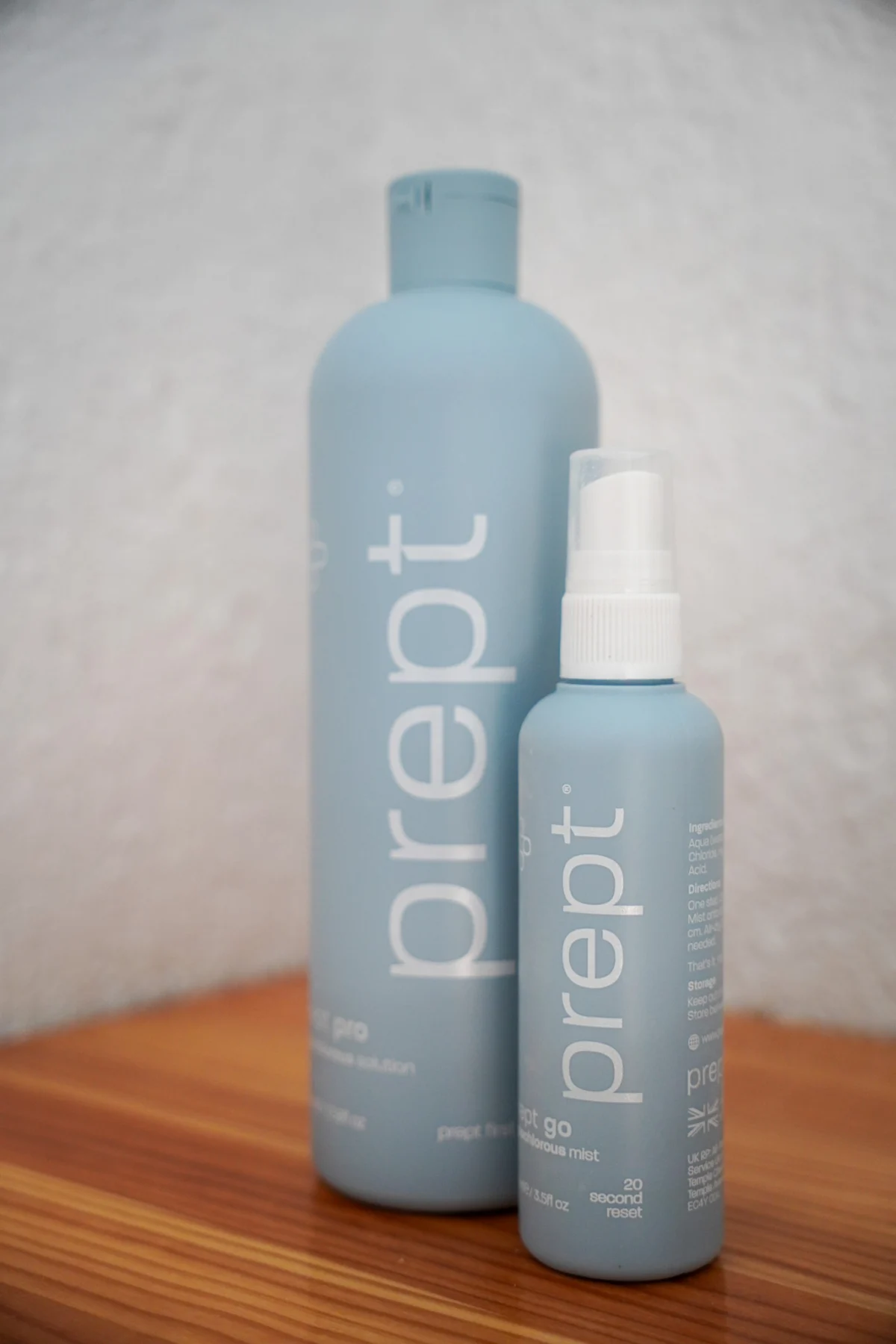
The landscape of medical aesthetics and clinical skin preparation in the United Kingdom is undergoing a significant shift with the official market introduction of prept, a specialized clinic-first skin-preparation brand. The company has formally launched its professional hypochlorous acid (HOCl) solution systems, designated as prept PRO and prept GO, nationwide. Designed to address a long-standing gap in clinical protocols, the newly introduced range aims to modernize how practitioners and patients approach pre- and post-procedural skin management.
The launch brings two distinct formulations to the UK market: prept PRO, a high-strength system engineered exclusively for in-clinic applications by medical aesthetics professionals, and prept GO, a tailored companion product intended for targeted at-home post-procedure use. According to the brand’s developers, the core solution is distinguished by its high-purity composition, utilizing only purified water and medical-grade sodium chloride. Engineered to maintain a near-neutral pH balance ranging from 6.25 to 7.4, the formula has been meticulously designed with high biological compatibility to minimize irritation while optimizing the skin’s recovery environment following treatments such as microneedling, laser resurfacing, chemical peels, and injectable procedures.
The Evolution and Background of Clinical Skin Preparation
To understand the significance of the prept launch, it is essential to examine the broader context of clinical skin preparation within modern medical aesthetics. Historically, the phase immediately preceding and following a dermatological or aesthetic procedure has relied on a variety of broad-spectrum antiseptics, including chlorhexidine, alcohol-based solutions, and various iodine derivatives. While effective at reducing surface microbial loads, many of these legacy agents present notable drawbacks, including cellular cytotoxicity, prolonged skin barrier disruption, increased post-procedural inflammation, and delayed healing timelines.
In recent years, aesthetic medicine has pivoted rapidly toward biologically aligned solutions that support, rather than compromise, the skin barrier. Hypochlorous acid has emerged as a frontrunner in this scientific evolution. Naturally produced by human white blood cells as part of the immune system’s defense mechanism, HOCl is a potent antimicrobial agent that effectively neutralizes bacteria, fungi, and viruses without causing systemic toxicity or harming healthy human tissue.
However, the commercial availability of stable, high-purity HOCl has historically been plagued by inconsistencies. Many over-the-counter and early-generation aesthetic HOCl formulations suffered from rapid degradation, fluctuating pH levels, and the presence of unwanted chemical byproducts such as free chlorine or residual salts. These instability issues often limited the clinical utility of the molecule, forcing practitioners to compromise between powerful microbial control and gentle skin compatibility. The introduction of prept represents an intentional effort to resolve these technical challenges through pharmaceutical-grade manufacturing standards.
Chronology of Development and Market Introduction
The journey toward the launch of prept spans several years of formulation, clinical observation, and regulatory alignment within the UK aesthetic sector. The brand’s inception was driven by aesthetic practitioner and co-founder Dr. Kam Lally, who encountered persistent limitations in the quality and purity of existing skin-preparation options during daily clinical practice.
The developmental timeline of prept reflects a rigorous, practitioner-led approach:
- Initial Concept Phase: Identified by clinical leadership as a response to inconsistent commercial HOCl products that lacked true biological compatibility and precise pH stability.
- Formulation and Laboratory Testing: Years dedicated to stabilizing the HOCl molecule using advanced electrochemical activation methods, ensuring a shelf-stable solution containing only purified water and medical-grade sodium chloride without synthetic preservatives.
- Clinical Beta-Testing: Limited-release trials conducted within select UK aesthetic clinics to evaluate the efficacy, skin tolerance, and recovery acceleration of prept PRO during intensive dermatological treatments.
- Official UK Launch: The simultaneous commercial rollout of the dual-tier system—prept PRO for clinical protocols and prept GO for patient homecare regimens.
This structured rollout reflects a growing trend within the aesthetic industry where practicing clinicians take an active role in product research and development, ensuring that new releases directly target the operational and clinical realities faced in modern treatment rooms.
Technical Specifications and Supporting Data
The scientific foundation of the prept system rests on its precise chemical composition and stringent manufacturing controls. In aesthetic medicine, the introduction of any topical agent to compromised skin—such as skin treated with ablative lasers or deep chemical peels—requires rigorous adherence to physiological parameters.
Key technical specifications of the prept PRO and prept GO formulations include:
- Active Ingredient Integrity: Pure hypochlorous acid generated through advanced electrochemical processing, avoiding harsh chemical synthesis pathways.
- Excipient Simplicity: Formulated strictly with purified water and medical-grade sodium chloride, entirely free of synthetic fragrances, parabens, sulfates, and alcohol.
- Physiological pH Range: Maintained tightly between 6.25 and 7.4. This near-neutral pH is critical, as highly acidic or alkaline solutions can disrupt the acid mantle of the skin, exacerbating erythema and extending downtime.
- Biocompatibility Profile: Designed to mimic the body’s natural immune response molecules, reducing the likelihood of allergic contact dermatitis or adverse immunological reactions.
Supporting dermatological data highlights that maintaining an optimal microbial balance on the skin surface without inducing cellular damage is the single most effective way to prevent post-inflammatory hyperpigmentation (PIH) and secondary bacterial infections following clinical interventions. By providing a clean, non-cytotoxic canvas before treatment and a soothing, protective microenvironment during the crucial 72-hour post-procedure recovery window, systems like prept seek to standardize clinical outcomes across diverse patient skin types.
Official Responses and Practitioner Perspectives
The introduction of the brand has generated considerable discussion among UK-based aesthetic professionals, dermatologists, and clinical educators. The reaction centers largely on the brand’s explicit mission to challenge existing industry standards regarding product purity and categorization.
Articulating the philosophy behind the brand, aesthetic practitioner and co-founder Dr. Kam Lally offered detailed insight into the motivation for creating the line: “Before and after any aesthetic procedure, I want the purest, most biologically compatible option available. When I couldn’t find it, I decided to formulate my own. prept exists to challenge the assumption that all HOCl is equal, and to raise category standards to the level clinics and patients should expect and deserve.”
Industry observers have noted that Dr. Lally’s practitioner-first perspective addresses a long-standing frustration within the medical aesthetics community: the blending of medical-grade treatments with lower-tier consumer products. By establishing a clear bifurcation between prept PRO—optimized for high-volume, professional clinical environments—and prept GO—packaged for intuitive, compliant patient use at home—the brand bridges a vital operational gap in continuity of care.
Broader Impact and Market Implications
The launch of prept arrives at a pivotal time for the UK aesthetic sector, which is currently experiencing heightened scrutiny regarding patient safety, product transparency, and regulatory compliance. As regulatory bodies and professional associations push for higher standards of clinical governance, the demand for traceable, high-purity ancillary products is at an all-time high.
The broader implications of this product launch can be examined across several key areas:
- Elevating Clinical Protocols: Clinics are increasingly judged not only by the primary devices and injectables they use, but also by the meticulousness of their pre- and post-care protocols. The availability of a standardized, pharmaceutical-grade HOCl system allows clinics to implement uniform hygiene and preparation protocols that reduce liability and enhance treatment efficacy.
- Patient Compliance and Homecare Integration: Post-procedural complications often arise from improper aftercare or the use of incompatible over-the-counter products by patients at home. By providing a dedicated consumer counterpart (prept GO), the brand empowers patients to continue clinical-grade care in their home environments, thereby safeguarding treatment results.
- Market Education on HOCl Quality: Not all hypochlorous acid solutions are created equal; stability, concentration, and purity vary dramatically across the market. The arrival of prept is expected to drive greater consumer and practitioner awareness regarding the chemical stability and manufacturing standards required for effective dermatological application.
As prept establishes its presence across clinics in the United Kingdom, its trajectory will likely serve as a benchmark for how specialized ancillary skincare brands can successfully integrate clinical rigor with consumer accessibility. By focusing on fundamental biological compatibility and rigorous quality control, the brand represents a notable step forward in the ongoing refinement of modern medical aesthetic practices.
