
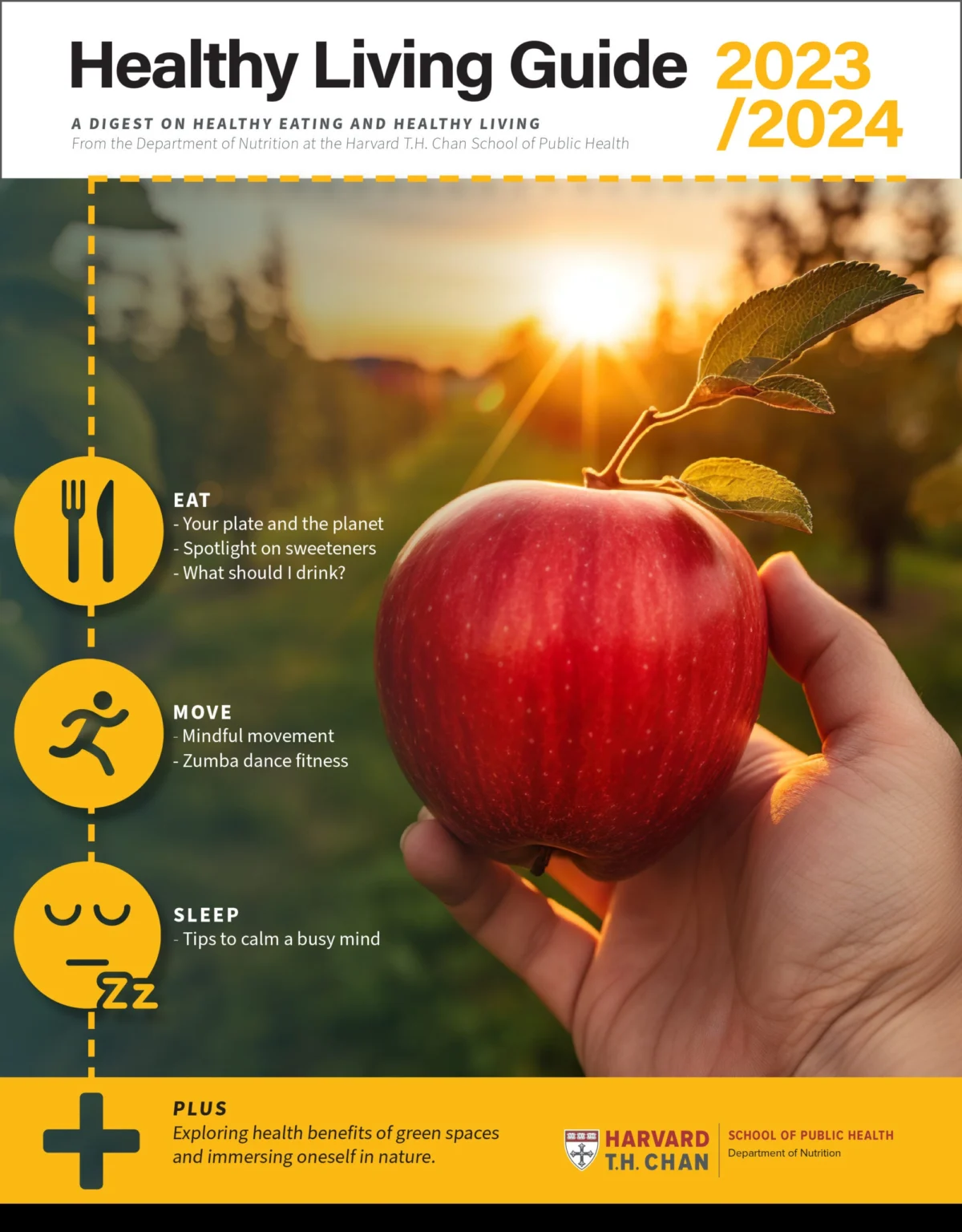
The fourth edition of the Healthy Living Guide has been released, marking a significant milestone for the Department of Nutrition at Harvard T.H. Chan School of Public Health. This comprehensive resource, published at the start of 2024, not only offers updated insights into nutrition, physical activity, and sleep but also prominently integrates the principles of mindfulness, a key focus stemming from the recent launch of the Thich Nhat Hanh Center for Mindfulness in Public Health. The guide aims to equip individuals and communities with actionable knowledge to foster holistic well-being, emphasizing the interconnectedness of personal health and planetary health.
The Rise of Mindfulness in Public Health
The establishment of the Thich Nhat Hanh Center for Mindfulness in Public Health in 2023 represents a strategic initiative to bridge the gap between contemplative practices and population-level health interventions. Named in honor of the esteemed Zen Master, the Center is dedicated to rigorous research exploring how mindfulness can be effectively applied to enhance well-being across diverse communities and demographics. This includes investigating the profound impact of mindful eating on both individual health outcomes and the sustainability of global food systems. The integration of these themes into the Healthy Living Guide underscores a growing recognition within public health circles that mental and emotional states play a crucial role in dietary choices, physical activity levels, and overall health trajectories.
The Center’s mission aligns with a broader trend in health sciences to move beyond purely biomedical approaches and embrace a more holistic understanding of health. Research has increasingly demonstrated the efficacy of mindfulness-based interventions in managing stress, improving emotional regulation, and fostering healthier behaviors. By focusing on population-level applications, the Center aims to scale these benefits, moving from individual therapeutic settings to community-wide programs and public health policies. This proactive approach seeks to build resilience and promote preventative health strategies on a larger scale.
Key Themes and Research Highlights
This year’s Healthy Living Guide delves into several critical areas of health and wellness, presenting the latest scientific findings and practical advice. Among the highlighted topics are:
-
Ultra-Processed Foods and Mental Health: The guide sheds light on emerging research linking the consumption of ultra-processed foods (UPFs) to adverse mental health outcomes. UPFs, often characterized by high levels of added sugars, unhealthy fats, and artificial ingredients, have been associated with increased risks of depression, anxiety, and cognitive decline. A recent meta-analysis published in JAMA Network Open in 2023, for instance, reviewed multiple studies and found a significant association between higher UPF intake and a greater likelihood of developing depression. The guide provides context for these findings, explaining the potential biological mechanisms, such as inflammation and gut microbiome disruption, that may underlie these associations. It also offers practical strategies for reducing UPF consumption, focusing on whole, minimally processed foods.
-
The Power of Movement with Zumba: Recognizing the importance of physical activity, the guide explores the benefits of engaging and enjoyable exercise routines. Zumba, a popular dance fitness program, is highlighted for its ability to combine cardiovascular exercise with elements of fun and social interaction. Studies have shown that Zumba can significantly improve cardiorespiratory fitness, enhance mood, and reduce stress levels. A systematic review in the Journal of Sports Science and Medicine in 2022 indicated that Zumba participation leads to notable improvements in aerobic capacity and body composition. The guide encourages individuals to find forms of physical activity they genuinely enjoy, emphasizing that consistency is key to achieving long-term health benefits.
-
Understanding Sleep Chronotypes: Sleep health remains a cornerstone of the guide, with this edition focusing on the concept of "chronotypes"—individual differences in the timing of our natural sleep-wake cycles. The guide explains the distinct characteristics of "larks" (early risers) and "owls" (night owls), as well as intermediate chronotypes. It presents evidence suggesting that misalignment between an individual’s chronotype and societal schedules (such as work or school hours) can lead to sleep deprivation, reduced cognitive function, and an increased risk of chronic diseases, including metabolic disorders and cardiovascular issues. Research published in Sleep Medicine Reviews in 2021 highlighted the association between chronotype and various health outcomes, underscoring the importance of sleep hygiene tailored to individual chronobiological needs. The guide offers insights into optimizing sleep schedules and creating conducive sleep environments for different chronotypes.
Chronology of the Healthy Living Guide
The Healthy Living Guide has evolved over the past few years, reflecting advancements in nutritional science and public health priorities.
- 2021-2022 Edition: This inaugural edition laid the groundwork, introducing the core pillars of healthy eating, physical activity, and sleep, and establishing the Department of Nutrition’s commitment to disseminating evidence-based health information.
- 2022-2023 Edition: The second edition expanded on these themes, potentially delving deeper into specific dietary patterns or exercise modalities. It also likely began to incorporate early discussions on the intersection of nutrition and mental well-being.
- 2023-2024 Edition: This current edition marks a significant shift with the prominent integration of mindfulness, driven by the launch of the Thich Nhat Hanh Center. The content is curated to reflect this new emphasis, linking mindful practices to all aspects of healthy living. The guide is presented as a downloadable PDF, facilitating wider accessibility and enabling users to print specific sections for easy reference.
Broader Impact and Implications
The Healthy Living Guide serves as a critical tool for public health education, translating complex scientific research into accessible language and actionable advice. By emphasizing mindfulness, the guide is not only promoting individual well-being but also contributing to a cultural shift towards more conscious and sustainable living.
The integration of mindful eating, for instance, has profound implications. It encourages individuals to pay attention to their hunger and satiety cues, fostering a healthier relationship with food and potentially reducing disordered eating patterns. Furthermore, a mindful approach to food consumption can lead to greater awareness of the environmental impact of dietary choices, encouraging more sustainable food sourcing and consumption habits. This aligns with global efforts to address climate change and promote food security.
The inclusion of research on UPFs also has significant societal implications. As UPFs dominate the food landscape in many parts of the world, understanding their detrimental effects on both physical and mental health is crucial for informing public health policy. This could lead to increased advocacy for clearer food labeling, stricter regulations on marketing of unhealthy foods, and support for initiatives that promote access to affordable, nutritious foods.
The focus on sleep chronotypes offers a personalized approach to health. Recognizing that a one-size-fits-all approach to sleep is ineffective, the guide empowers individuals to understand their unique biological rhythms and make informed decisions about their sleep patterns. This can lead to improved daily functioning, enhanced productivity, and a reduced risk of sleep-related health issues.
Official Statements and Reactions
While specific quotes from individuals involved in the guide’s creation were not provided in the original text, the introductory message from the Department of Nutrition reflects a clear commitment to advancing public health through evidence-based knowledge dissemination. The timing of the guide’s release, coinciding with the New Year, signals an intention to inspire and empower readers to embark on a healthier journey. The explicit mention of the Thich Nhat Hanh Center for Mindfulness in Public Health suggests a collaborative effort to integrate contemplative practices into mainstream health initiatives. This initiative is likely to garner positive attention from public health advocates, researchers, and individuals seeking to improve their well-being.
Looking Ahead: A Mindful Future for Health
The Healthy Living Guide’s fourth edition represents a forward-thinking approach to public health, recognizing the interconnectedness of mind, body, and environment. By championing mindfulness alongside traditional pillars of health, the guide aims to foster a more holistic and sustainable model of well-being. As the Thich Nhat Hanh Center for Mindfulness in Public Health continues its research, it is anticipated that future editions of the guide will further explore the transformative potential of mindfulness in addressing pressing global health challenges. The commitment to providing accessible, evidence-based information positions Harvard’s Department of Nutrition as a key player in shaping a healthier future for individuals and communities worldwide. The guide’s availability in a printable PDF format further underscores its dedication to broad reach and practical application, inviting readers to engage actively with its valuable content.
