
The year 2022 was a pivotal period for discussions surrounding food and nutrition, culminating in significant national initiatives aimed at combating hunger and promoting healthier lifestyles. Central to these efforts was the White House Conference on Hunger, Nutrition, and Health, a landmark event that reignited a national dialogue on these critical issues. This conference, the first of its kind since 1969, catalyzed the development of a comprehensive national strategy with ambitious targets: to end hunger and significantly increase healthy eating and physical activity by the year 2030.
The National Strategy: A Bold Vision for 2030
The Biden-Harris Administration’s national strategy, released in the wake of the White House Conference, outlines a multi-faceted approach to addressing the complex challenges of food insecurity and poor nutrition. Key components of the strategy include expanding access to vital nutrition assistance programs, such as SNAP (Supplemental Nutrition Assistance Program) and WIC (Women, Infants, and Children), to reach more vulnerable populations. A particularly forward-thinking element is the proposal to cover medically tailored meals under Medicare, recognizing the profound impact of diet on managing chronic diseases and improving health outcomes for seniors. This initiative acknowledges that for many individuals, access to nutritious food is not merely a matter of preference but a critical medical necessity.
The strategy also emphasizes increasing physical activity, understanding that a holistic approach to health requires addressing both dietary habits and sedentary lifestyles. Educational campaigns, community-based programs, and partnerships with schools and workplaces are envisioned to foster environments that encourage regular movement and active living. The administration has set forth a clear vision: a nation where everyone has access to affordable, nutritious food and the resources to live healthy, active lives.
Expert Perspectives and Noted Omissions
While the national strategy has been met with widespread approval for its ambition and scope, experts from the Harvard T.H. Chan School of Public Health’s Department of Nutrition have also highlighted areas where they believe the plan could be strengthened. In a joint reflection, Drs. Frank Hu, Walter Willett, and Lilian Cheung pointed out several significant omissions that could hinder the strategy’s ultimate success.
One prominent concern is the inadequate protection of children from the pervasive marketing of unhealthy foods. The digital landscape and ubiquitous advertising channels often bombard young audiences with messages promoting sugary drinks, processed snacks, and fast food, contributing to early development of poor eating habits and obesity. Addressing this issue would require robust regulatory measures and a concerted effort to limit the influence of such marketing on impressionable minds.
Another critical omission identified by the experts is the insufficient attention paid to transforming the food system in response to the escalating climate crisis. The current food production and distribution systems are significant contributors to greenhouse gas emissions, deforestation, and water pollution. A truly sustainable food system must prioritize environmentally friendly agricultural practices, reduce food waste, and promote diets that have a lower ecological footprint.
Drs. Hu, Willett, and Cheung emphasized the need for a collaborative, cross-sectoral approach. They articulated, "To have a significant impact, the administration must bring together the public and private sectors, along with philanthropists, academia, and individuals to develop truly sustainable food systems that support both public and planetary health." This sentiment underscores the understanding that achieving these ambitious goals requires a united front, transcending traditional silos and fostering innovative solutions.
The Broader Context: A Legacy of Inaction and a Call for Systemic Change
The White House Conference on Hunger, Nutrition, and Health was not an isolated event but rather a reawakening of a national consciousness that had, in many ways, been dormant since the original conference in 1969. For over five decades, the interconnected issues of hunger, diet-related diseases, and the accessibility of healthy food have persisted, often exacerbated by socioeconomic disparities and systemic failures in the food system.
Historically, the United States has faced persistent challenges with food insecurity. According to the USDA’s Economic Research Service, in 2022, an estimated 12.8% of U.S. households (17 million households) were food insecure, meaning they lacked consistent access to enough food for an active, healthy life. This translates to significant public health consequences, including higher rates of obesity, diabetes, heart disease, and certain cancers, particularly among low-income communities and minority populations.
The 1969 White House Conference on Food, Nutrition, and Health, led by President Nixon and chaired by Senator George McGovern, resulted in groundbreaking recommendations that laid the foundation for many of the nutrition programs we have today, including the expansion of the Special Supplemental Nutrition Program for Women, Infants, and Children (WIC) and improvements to school lunch programs. However, the momentum generated by that conference gradually waned, and many of its more ambitious proposals were never fully implemented or sustained.
The resurgence of a national conference in 2022 signals a renewed commitment to tackling these enduring problems. The current national strategy builds upon the lessons learned from past efforts, aiming to integrate scientific advancements, address socioeconomic determinants of health, and leverage technological innovations to create a more equitable and sustainable food future.
Data Snapshot: The Impact of Diet on Health
The importance of healthy eating is underscored by a wealth of scientific data demonstrating its profound impact on individual and public health.
- Obesity Rates: The Centers for Disease Control and Prevention (CDC) reports that in 2020-2021, the prevalence of obesity among U.S. adults was 41.5%, a significant increase over the past few decades. Obesity is a major risk factor for numerous chronic diseases.
- Diabetes Epidemic: Type 2 diabetes, largely preventable through diet and exercise, affects an estimated 35.3 million Americans, according to the CDC. This chronic condition can lead to devastating complications, including kidney disease, blindness, and amputations.
- Cardiovascular Disease: Heart disease remains the leading cause of death in the United States. Dietary factors, such as high intake of saturated fats, sodium, and added sugars, contribute significantly to the development of hypertension, high cholesterol, and atherosclerosis.
- Cancer Prevention: The World Health Organization (WHO) estimates that a significant proportion of cancers are preventable through lifestyle modifications, including a healthy diet rich in fruits, vegetables, and whole grains, and limiting consumption of processed meats and red meat.
These statistics highlight the urgent need for public health interventions that promote healthy eating and address the root causes of poor nutrition. The national strategy’s focus on increasing healthy eating and physical activity directly targets these critical public health challenges.
Timeline of Key Events and Initiatives
The journey towards the current national strategy has been a gradual process, marked by key milestones:
- 1969: The first White House Conference on Food, Nutrition, and Health is held, leading to significant policy recommendations and the establishment of critical nutrition programs.
- 1970s-2000s: Various federal initiatives and programs are introduced and expanded to address food insecurity and promote nutrition, including SNAP, WIC, and school meal programs. However, progress is often incremental, and challenges persist.
- 2010: The Affordable Care Act includes provisions aimed at improving nutrition and reducing obesity, signaling a growing recognition of diet’s role in healthcare costs.
- 2015: The U.S. Departments of Agriculture and Health and Human Services release the Dietary Guidelines for Americans, providing science-based recommendations for healthy eating patterns.
- 2022:
- September 27: The White House hosts the Conference on Hunger, Nutrition, and Health, bringing together diverse stakeholders to discuss solutions.
- September 28: The Biden-Harris Administration releases its National Strategy on Hunger, Nutrition, and Health, outlining key pillars and goals for the next decade.
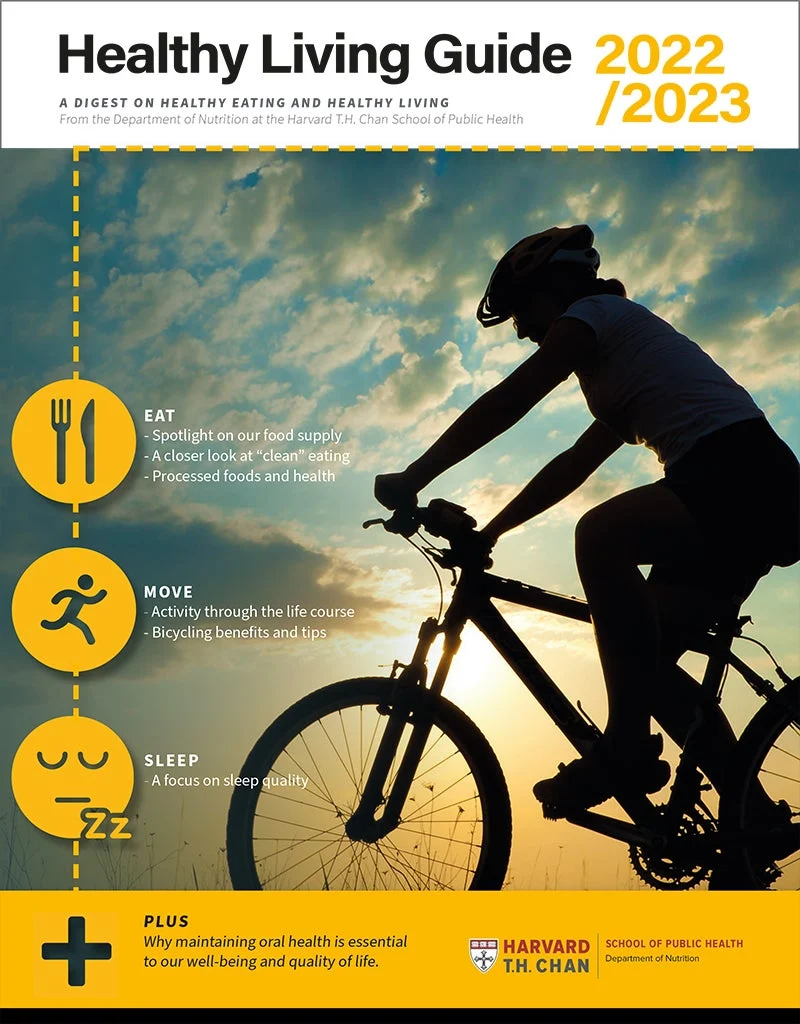
- Late 2022 / Early 2023: The Harvard Department of Nutrition releases its "Healthy Living Guide," reflecting on the year’s developments and offering practical advice.
This timeline illustrates a long-standing commitment to nutrition and health, punctuated by periods of intensified focus and policy development. The 2022 conference and subsequent strategy represent a significant effort to re-energize these endeavors.
Implications and the Path Forward
The national strategy, while comprehensive, faces significant hurdles in its implementation. Ensuring that optimal food choices are not only accessible but also affordable for all segments of the population remains a paramount challenge. This requires addressing issues of food deserts, supporting local food economies, and potentially implementing policies that subsidize healthy foods while taxing unhealthy options.
The call for public-private partnerships is crucial. Corporations within the food industry have a vital role to play in reformulating products to be healthier, adopting more sustainable sourcing practices, and ceasing aggressive marketing of unhealthy foods to vulnerable populations. Philanthropic organizations can provide essential funding for community-based initiatives and research. Academia contributes by providing the scientific evidence base and developing innovative solutions.
The individual responsibility aspect, while important, cannot be the sole driver of change. As the Harvard experts noted, systemic transformations are necessary. The "Healthy Living Guide" offered by the Department of Nutrition serves as a valuable resource for individuals seeking to make healthier choices in their daily lives. However, its impact will be amplified when complemented by robust public policies and a food system that inherently supports well-being.
The ambition to end hunger and increase healthy eating and physical activity by 2030 is a monumental undertaking. It demands sustained political will, interdisciplinary collaboration, and a commitment to equity. The national strategy provides a roadmap, but its success will ultimately be measured by its ability to create lasting, tangible improvements in the health and well-being of all Americans, while simultaneously safeguarding the health of the planet. The ongoing dialogue and the practical guidance offered by institutions like Harvard’s Department of Nutrition are indispensable components of this vital, long-term effort.
