
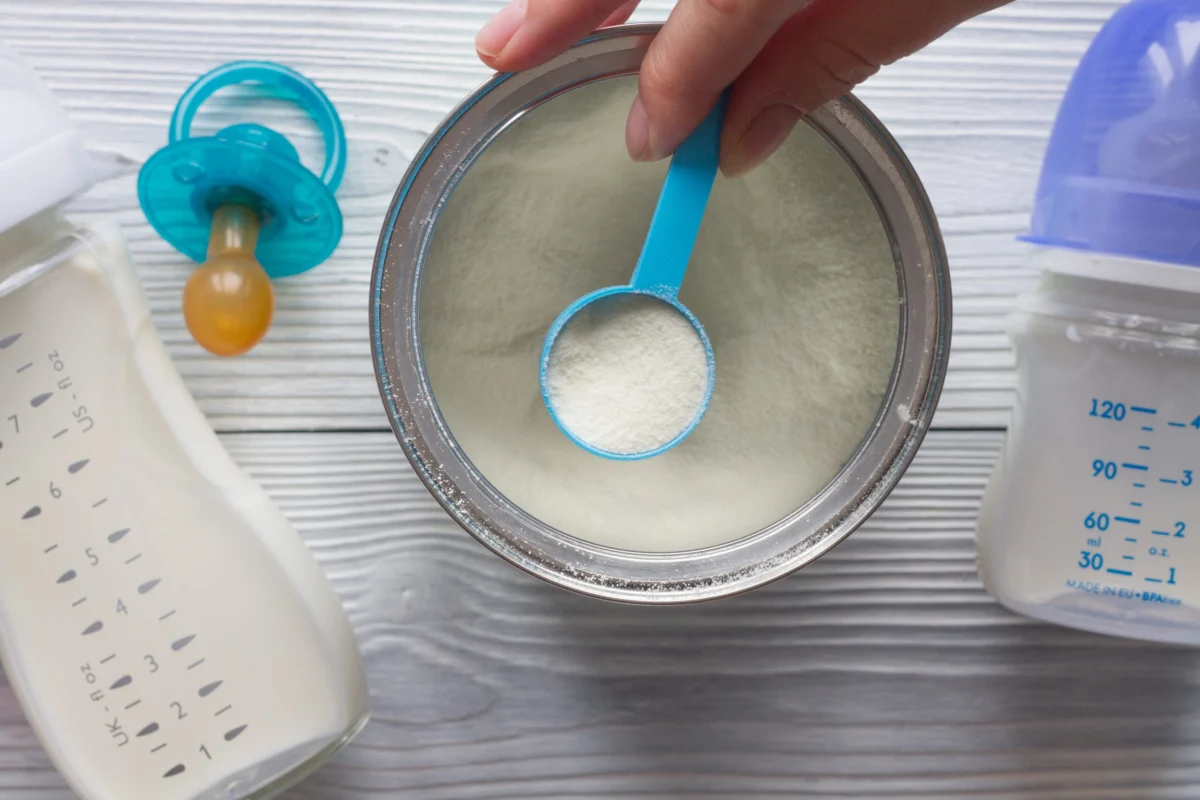
The U.S. has grappled with significant infant formula shortages over the past two years, a crisis largely attributed to widespread pandemic-related supply chain disruptions. This scarcity has instilled deep alarm in families nationwide, as infant formula is a critical necessity for infants when human milk is not accessible or insufficient. While breastfeeding is widely encouraged as the optimal source of nutrition for newborns, it is not always a practical or feasible option for all mothers. Factors such as returning to work early, lack of adequate lactation support systems, or specific infant health conditions can necessitate the use of formula. Furthermore, infants with allergies, metabolic or gastrointestinal disorders, or disabilities that impede breastfeeding often rely on specialized infant formulas, making the availability of these products a matter of urgent public health concern.
The Unfolding Crisis: A Timeline of Disruption
The roots of the infant formula shortage can be traced back to the early stages of the COVID-19 pandemic. As global supply chains began to falter under unprecedented pressure, the production and distribution of many essential goods, including infant formula, faced significant challenges. Manufacturing plants, already operating under strict regulatory oversight and complex production schedules, struggled with labor shortages, raw material procurement, and transportation bottlenecks.
By late 2021 and early 2022, these compounding issues began to manifest as localized shortages. However, the situation escalated dramatically in February 2022 when Abbott Nutrition, one of the largest U.S. formula manufacturers, voluntarily recalled several of its product lines due to concerns about potential bacterial contamination, specifically Cronobacter sakazakii, at its Sturgis, Michigan, manufacturing facility. This recall, while a necessary step to ensure infant safety, had an immediate and devastating impact on an already strained market. The Sturgis plant was a significant producer of specialized formulas, including those for infants with serious medical conditions.
The subsequent shutdown and investigation of the Sturgis facility by the Food and Drug Administration (FDA) further exacerbated the shortage. This period saw a sharp decline in the availability of infant formula across the country, with reports of empty shelves in major retailers and desperate parents resorting to extreme measures to find formula for their infants. The crisis highlighted the fragility of the U.S. infant formula supply chain, which was heavily reliant on a small number of manufacturers.
Underlying Vulnerabilities in the U.S. Infant Formula Market
The U.S. infant formula market, while robust in normal times, possesses inherent vulnerabilities that the pandemic and the Abbott recall exposed. The industry is highly consolidated, with a few major players dominating the market. This concentration means that disruptions at a single facility or with a single manufacturer can have a disproportionately large impact on overall supply.
Furthermore, the stringent regulatory environment, while crucial for ensuring the safety and nutritional adequacy of infant formula, can also create barriers to entry for new manufacturers. The process of obtaining FDA approval for infant formula production is lengthy and complex, making it difficult to quickly scale up production or introduce new products to meet sudden demand spikes.
The reliance on imported formula also plays a role. While the U.S. produces a substantial amount of infant formula domestically, it also imports a portion of its supply. Global events, trade policies, and international shipping challenges can all influence the availability of imported products, further complicating the supply chain.
Supporting Data and the Scale of the Problem
The impact of the shortage was starkly illustrated by data tracking product availability. In early May 2022, as the crisis reached its peak, NielsenIQ reported that out-of-stock rates for infant formula in U.S. stores had reached an alarming 43%. This meant that nearly half of all infant formula products were unavailable to consumers. Reports from parents and pediatricians painted an even more dire picture, with some families driving hundreds of miles in search of formula or resorting to online marketplaces where prices were often inflated.
The situation was particularly acute for infants requiring specialized formulas. These formulas are designed to address specific dietary needs for premature infants, those with allergies to cow’s milk or soy protein, or those with metabolic disorders. The recall of certain specialized products from Abbott Nutrition meant that many of these vulnerable infants had limited or no alternatives available.
Official Responses and Interventions
The severity of the crisis prompted swift, albeit delayed, action from government agencies and policymakers. The Biden administration implemented several measures to address the immediate shortage:
- Operation Fly Formula: Launched in May 2022, this initiative aimed to expedite the importation of infant formula from overseas. The administration leveraged Defense Production Act authorities and worked with U.S. manufacturers and international partners to airlift formula into the country. This operation facilitated the import of millions of pounds of formula, providing much-needed relief to families.
- FDA Actions: The FDA worked to streamline the regulatory process for foreign-manufactured formula that met U.S. safety standards. This included granting "enforcement discretion" for certain imported products, allowing them to be temporarily sold in the U.S. market. The agency also engaged with manufacturers to address production issues and reopen facilities.
- Increased Domestic Production: Efforts were made to encourage U.S. manufacturers to increase their production output. This involved providing resources and support to help them overcome production bottlenecks and expand their capacity.
- WIC Program Flexibility: The Special Supplemental Nutrition Program for Women, Infants, and Children (WIC) program, which provides formula to low-income families, adjusted its rules to allow participants to purchase a wider variety of formula brands and sizes, including those that might not have been previously covered by their specific contracts.
These interventions, while critical in mitigating the immediate crisis, also highlighted the need for a more robust and resilient long-term strategy.
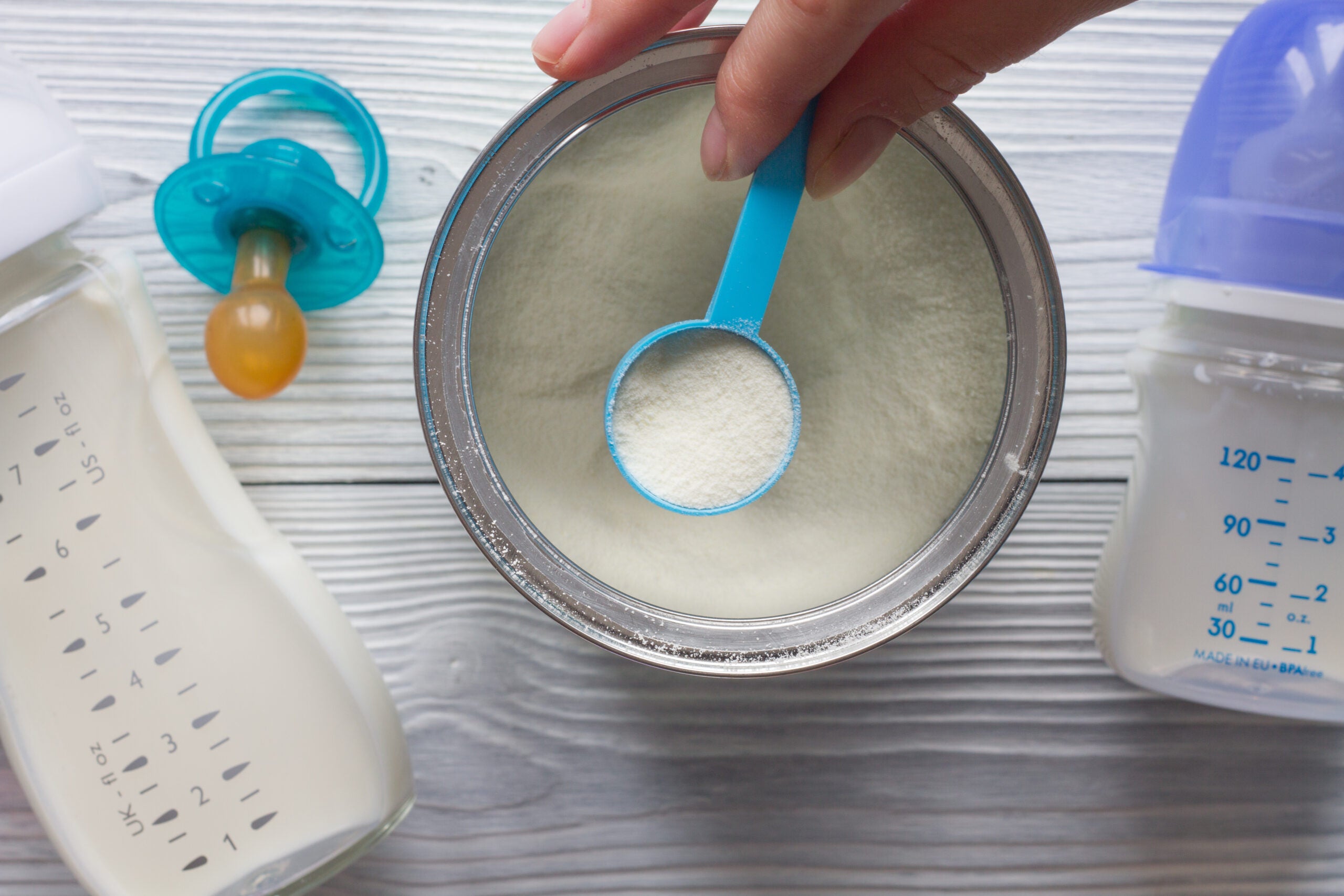
"What You Can Do Now" and "What Not to Do" – Guidance Amidst Crisis
During the peak of the shortage, parents and caregivers were provided with critical guidance on how to navigate the difficult situation. This guidance, often disseminated by pediatricians, public health organizations, and government agencies, aimed to ensure infant safety and well-being.
What You Can Do Now:
- Contact Your Pediatrician: Healthcare providers were a crucial resource, often having access to information about available formula supplies in their area or through hospital networks. They could also advise on safe alternative formulas if needed.
- Check Multiple Retailers: Parents were encouraged to broaden their search beyond their usual shopping locations, checking smaller stores, pharmacies, and even online retailers.
- Utilize the WIC Program: For eligible families, the WIC program offered a vital lifeline.
- Consider Formula Exchange Programs: Some community groups and online forums organized formula sharing or exchange initiatives, connecting parents with surplus formula.
- Explore Trusted International Brands: With FDA enforcement discretion, some safe and approved international formulas became available.
What Not to Do:
- Do Not Dilute Formula: Thinning formula with extra water is extremely dangerous and can lead to serious health problems, including electrolyte imbalances and developmental issues.
- Do Not Make Homemade Formula: Homemade formulas are not nutritionally complete or safe for infants. They can lack essential vitamins and minerals and may contain harmful bacteria.
- Do Not Use Recalled Formula: Parents were strongly cautioned against using any formula that had been recalled due to safety concerns.
- Do Not Buy Formula Online from Unverified Sources: The shortage led to an increase in counterfeit or expired formula being sold online. Purchasing from reputable retailers was paramount.
- Do Not Hoard Formula: While understandable, hoarding formula could exacerbate shortages for other families.
Future Directions: Preventing Recurrence
The infant formula crisis served as a stark wake-up call, underscoring the urgent need for policy changes to prevent such severe shortages from happening again. An article published in the American Journal of Clinical Nutrition (academic.oup.com/ajcn/advance-article/doi/10.1093/ajcn/nqac149/6587046) outlines key action steps recommended by experts. These recommendations focus on strengthening the domestic supply chain, fostering competition, and improving regulatory responsiveness.
Strengthening the Domestic Supply Chain and Manufacturing Capacity
A primary recommendation involves investing in and diversifying domestic infant formula manufacturing. This could include incentives for companies to build new production facilities or expand existing ones, particularly for specialized formulas. Enhancing the resilience of the supply chain means reducing reliance on single points of failure. This could involve diversifying sources of raw materials and establishing robust contingency plans for unforeseen disruptions.
Fostering Competition and Market Diversity
The highly consolidated nature of the U.S. infant formula market is a significant vulnerability. Policies aimed at encouraging new entrants and increasing competition could lead to a more stable and responsive market. This might involve streamlining the FDA approval process for new manufacturers while maintaining stringent safety standards. Increased competition can drive innovation and ensure a broader range of products are available to meet diverse infant needs.
Enhancing Regulatory Agility and Preparedness
The FDA plays a critical role in ensuring the safety and availability of infant formula. Enhancing the agency’s capacity to respond to emerging threats and to quickly assess and approve safe alternative products is crucial. This could involve pre-qualifying a broader range of international manufacturers and developing more agile regulatory pathways for emergency situations. Regular audits and inspections of manufacturing facilities, along with proactive risk assessments, can help identify and mitigate potential issues before they escalate into crises.
Improving Data Collection and Surveillance
Better data collection and surveillance systems are needed to monitor infant formula production, distribution, and availability in real-time. This would enable policymakers and manufacturers to identify potential shortages early and implement targeted interventions. Understanding consumption patterns and demand for different types of formula is also essential for effective planning.
International Collaboration and Trade Agreements
While strengthening domestic production is paramount, maintaining access to safe and regulated imported formula can serve as a critical backstop. Reviewing and potentially revising trade agreements to facilitate the import of infant formula from countries with equivalent safety standards could enhance supply chain resilience.
Broader Impact and Implications
The infant formula shortage had profound implications beyond the immediate challenge of feeding babies. It exposed existing inequities in the healthcare system, disproportionately affecting low-income families and those in underserved communities who have fewer resources to navigate such crises. The prolonged stress and anxiety experienced by parents were significant, impacting maternal mental health and family well-being.
The crisis also underscored the critical importance of infant nutrition as a public health imperative. It highlighted that access to safe, appropriate infant formula is not a luxury but a necessity for a significant portion of the population. The long-term health and developmental outcomes of infants affected by the shortage will continue to be a subject of study and concern.
Ultimately, the U.S. infant formula shortage served as a critical lesson in supply chain vulnerability and the need for proactive, robust public health preparedness. By implementing the recommended policy changes and fostering a more resilient and competitive market, the nation can better safeguard its youngest and most vulnerable citizens from future crises.
