
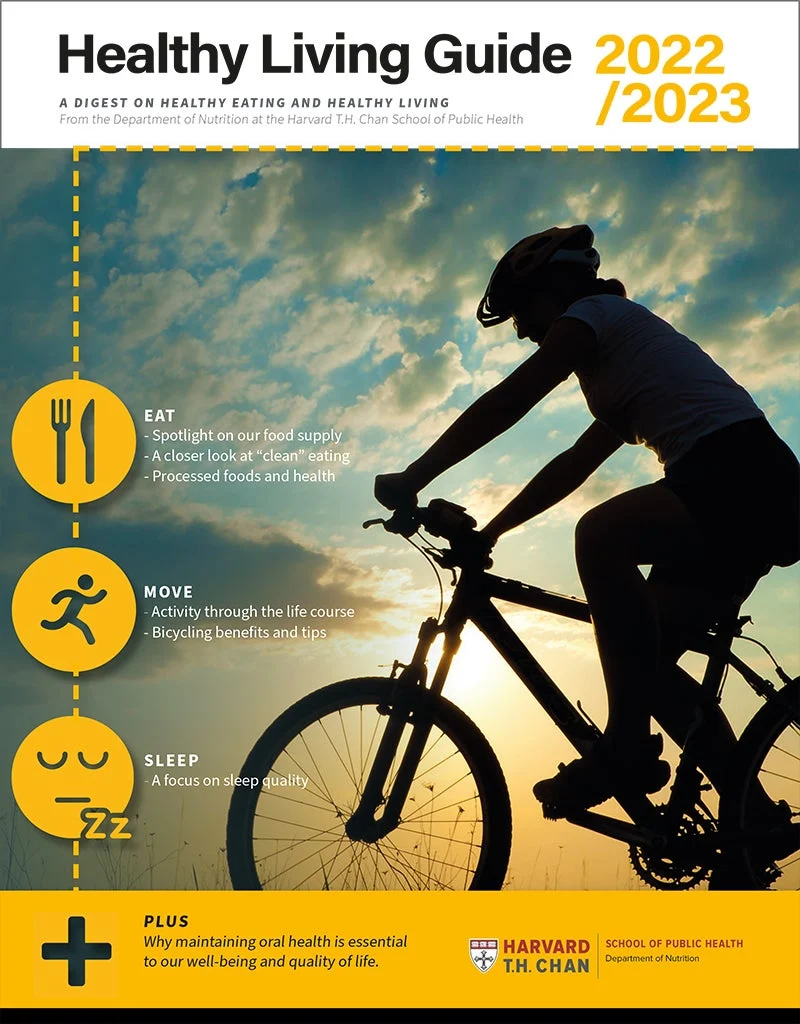
The year 2022 was a pivotal period for discussions surrounding food and nutrition, culminating in significant policy dialogues and a renewed focus on public health. A landmark event that underscored this growing emphasis was the White House Conference on Hunger, Nutrition, and Health. This conference, the first of its kind since 1969, catalyzed the development of a comprehensive national strategy aimed at eradicating hunger and substantially improving healthy eating and physical activity levels across the United States by the year 2030. While this ambitious plan introduces a range of promising initiatives, such as the expansion of vital nutrition assistance programs and the potential coverage of medically tailored meals under Medicare, experts from Harvard T.H. Chan School of Public Health’s Department of Nutrition have also highlighted critical areas that warrant further attention and policy integration.
The National Strategy: Ambitions and Omissions
The Biden-Harris Administration’s national strategy, released following the White House Conference, outlines a multi-faceted approach to address complex issues of food insecurity and suboptimal health outcomes. The strategy’s stated goals are ambitious, seeking to create a healthier future for all Americans. Key components of the plan include:
- Expanding Access to Nutritious Food: This involves strengthening and broadening existing nutrition assistance programs like SNAP (Supplemental Nutrition Assistance Program) and WIC (Women, Infants, and Children), ensuring that more individuals and families can access affordable, healthy food options.
- Promoting Healthy Eating Habits: The strategy aims to encourage healthier dietary choices through education, public awareness campaigns, and potentially policy interventions related to food labeling and availability.
- Increasing Physical Activity: Recognizing the interconnectedness of diet and exercise, the plan also emphasizes promoting physical activity as a cornerstone of overall well-being.
- Investing in Research and Development: A commitment to advancing scientific understanding of nutrition and health is also a crucial element, paving the way for evidence-based policy and interventions.
However, in a reflective analysis, esteemed nutrition experts Drs. Frank Hu, Walter Willett, and Lilian Cheung, all affiliated with the Harvard T.H. Chan School of Public Health, pointed out significant omissions within the initial framework of the national strategy. Their critique, published in the Harvard Nutrition Source, underscored the need for a more holistic and robust approach to food system transformation. Among the most notable omissions identified were:
- Protecting Children from Unhealthy Food Marketing: The experts emphasized the critical need for stronger regulations to shield children from pervasive and often predatory marketing of unhealthy food products. This includes addressing the influence of digital media and advertising on young, impressionable minds.
- Transforming the Food System in Response to Climate Change: The strategy, in their view, did not sufficiently address the profound links between the food system, public health, and environmental sustainability. The urgent need to transition towards food systems that are resilient to climate change and contribute to planetary health was highlighted as a crucial, yet underdeveloped, aspect.
Drs. Hu, Willett, and Cheung articulated their concerns by stating, "To have a significant impact, the administration must bring together the public and private sectors, along with philanthropists, academia, and individuals to develop truly sustainable food systems that support both public and planetary health." This statement encapsulates the call for a broader, more collaborative, and systemic approach to tackling the interconnected challenges of food, health, and the environment.
A Call for Systemic Change and Individual Action
The sentiments expressed by the Harvard nutrition experts resonate with a broader understanding of the challenges involved in achieving widespread healthy eating and living. The development of effective policies requires a comprehensive approach that not only ensures the availability of sufficient food for current and future generations but also makes optimal dietary choices accessible and affordable for all segments of the population. This involves addressing systemic inequities in food access, economic barriers to healthy food, and the pervasive influence of the food industry.
The White House Conference on Hunger, Nutrition, and Health represented a significant step in acknowledging these issues on a national scale. The executive summary of the national strategy, released by the White House, detailed a roadmap that includes five pillars:
- Improve Food Access and Affordability: Focusing on initiatives to make healthy food more accessible and affordable, particularly for low-income communities.
- Integrate Nutrition and Health: Emphasizing the role of nutrition in preventing and managing chronic diseases and exploring how healthcare systems can better incorporate nutritional guidance.
- Empower All Consumers to Make Healthy Choices: Through education, clear labeling, and promoting healthier food environments.
- Support Physical Activity: Encouraging opportunities for physical activity for all ages.
- Enhance Nutrition Research: Investing in research to deepen our understanding of nutrition science and its impact on health.
The timeline for the national strategy is ambitious, with a target year of 2030. This provides a clear, albeit challenging, benchmark for progress. The strategy acknowledges that achieving these goals requires a sustained, multi-sectoral effort.
Background and Context of the White House Conference
The 2022 White House Conference on Hunger, Nutrition, and Health was a landmark event, marking a critical moment for national dialogue and action. Its significance is amplified by its historical context. The first White House Conference on Food, Nutrition, and Health was convened in 1969 by President Richard Nixon. That conference led to significant policy changes, including the expansion of food assistance programs and a greater awareness of the link between diet and health.
The convening of the 2022 conference signaled a recognition by the Biden-Harris administration that despite decades of progress, persistent challenges related to hunger, diet-related diseases, and food insecurity remained. The conference brought together a diverse array of stakeholders, including government officials, scientists, public health experts, community leaders, and individuals with lived experience of hunger and nutrition insecurity. The goal was to solicit input, foster collaboration, and develop actionable recommendations to address these pressing issues in the 21st century.
The conference served as a catalyst for the development of the national strategy, which outlines specific policy objectives and proposed actions. The timing of the conference also coincided with a growing global awareness of the interconnectedness of food systems, public health, and environmental sustainability. Issues such as the impact of climate change on food production, the rise of diet-related chronic diseases, and ongoing food insecurity have placed nutrition and food policy at the forefront of public discourse.
Supporting Data and Implications
The urgency for such a strategy is underscored by stark data. According to the USDA, in 2022, approximately 10.2% of U.S. households (13.5 million households) were food insecure. This translates to a significant portion of the population lacking consistent access to enough food for an active, healthy life. Furthermore, the prevalence of diet-related chronic diseases remains alarmingly high. The Centers for Disease Control and Prevention (CDC) reports that leading causes of death and disability in the U.S. are largely preventable through healthy diets and lifestyles, including heart disease, type 2 diabetes, and certain types of cancer.
The implications of the national strategy, if fully realized, could be profound. By addressing food insecurity and promoting healthier eating patterns, the nation could see:
- Reduced Healthcare Costs: A healthier population would likely lead to a decrease in the incidence of chronic diseases, thereby lowering healthcare expenditures.
- Improved Educational and Economic Outcomes: Access to nutritious food and better health can positively impact cognitive development and productivity, leading to improved educational attainment and economic opportunities.
- Enhanced National Security: A food-secure nation with a healthier population is better positioned to address domestic and global challenges.
- Greater Environmental Sustainability: A food system that is more responsive to climate change can contribute to a healthier planet.
However, the success of the strategy hinges on its effective implementation and the willingness of various sectors to collaborate. The omission of certain key policies, as highlighted by the Harvard experts, poses a significant challenge. For instance, the pervasive influence of marketing on children’s food choices is a complex issue that requires robust regulatory intervention. Studies have consistently shown a correlation between exposure to food marketing and children’s preferences for less healthy foods. Without strong measures to counteract this, efforts to promote healthy eating may face significant headwinds.
Similarly, the integration of food systems and climate change is no longer an optional consideration but a necessity. The agricultural sector is a significant contributor to greenhouse gas emissions, and conversely, climate change poses substantial threats to food production through extreme weather events, water scarcity, and changes in pest and disease patterns. Transforming the food system towards more sustainable practices is crucial for both public health and environmental resilience.
Reactions and Broader Impact
The release of the national strategy and the subsequent expert commentary have sparked discussions across various domains. Public health organizations and advocacy groups have largely welcomed the renewed federal focus on nutrition and health. Many have echoed the call for comprehensive action, emphasizing the need to address the social determinants of health, including poverty, racism, and inequitable access to resources, which are deeply intertwined with food insecurity and poor health outcomes.
The private sector, including the food industry, is also a key player. While some companies have expressed support for the goals of the strategy, there remains a critical need for their active participation in developing and implementing healthier food environments and more sustainable practices. Critics often point to the influence of lobbying efforts and the profit motives of the food industry as potential obstacles to implementing some of the more stringent public health recommendations.
Academics and researchers continue to play a vital role in providing the evidence base for policy decisions. The ongoing dialogue between researchers, policymakers, and community leaders is essential for ensuring that strategies are informed by science and responsive to the needs of the diverse populations they aim to serve.
Looking Ahead: A Call to Action
The "Healthy Living Guide" serves as a timely reminder that while large-scale policy changes are crucial, individual actions also play a vital role in fostering a healthier society. The guide, which offers printable tip sheets and summaries, aims to empower individuals to make small, yet impactful, changes in their daily lives. This dual approach – systemic policy reform and individual behavioral change – is essential for achieving the ambitious goals set forth in the national strategy.
The year 2023 presents an opportunity to build upon the momentum generated in 2022. The ongoing work of organizations like the Harvard T.H. Chan School of Public Health’s Department of Nutrition, coupled with the commitment of government agencies and the engagement of the public, will be critical in navigating the complexities of food and nutrition policy. The ultimate aim is to create a future where healthy eating and healthy living are not aspirational goals but accessible realities for everyone, fostering both public and planetary well-being. The call for a collaborative effort, involving all sectors of society, remains paramount in transforming the food system into one that truly nourishes both people and the planet.
