

Polycystic Ovary Syndrome (PCOS) remains the most prevalent endocrine disorder among women of reproductive age globally, characterized by a complex interplay of hormonal imbalances, ovulatory dysfunction, and metabolic disturbances. Central to the pathophysiology of PCOS is insulin resistance, a condition affecting an estimated 75% of diagnosed individuals. In the clinical effort to mitigate the long-term health risks associated with this condition—including Type 2 diabetes and cardiovascular disease—healthcare providers frequently utilize insulin-sensitizing agents. Two of the most prominent options in the current medical landscape are Metformin, a long-standing pharmaceutical staple for glucose management, and Inositol, a naturally occurring carbohydrate that has gained significant traction as a clinical-grade nutraceutical.
The Pathophysiology of Insulin Resistance in PCOS
To understand the comparative utility of Inositol and Metformin, it is necessary to examine why insulin sensitization is a primary goal in PCOS therapy. Insulin resistance occurs when the body’s cells, particularly in muscle, fat, and liver tissue, do not respond appropriately to insulin, the hormone responsible for regulating blood glucose. Consequently, the pancreas compensates by producing excess insulin, leading to hyperinsulinemia.

In women with PCOS, elevated insulin levels serve as a secondary driver for the overproduction of androgens (male-type hormones) by the ovaries. This hormonal cascade often results in the hallmark symptoms of the disorder: hirsutism (excessive hair growth), persistent acne, and irregular menstrual cycles. Furthermore, high insulin levels can inhibit the development of ovarian follicles, leading to anovulation and subsequent fertility challenges. By addressing the root cause of insulin resistance, clinicians aim to restore hormonal equilibrium and improve both metabolic and reproductive outcomes.
Metformin: The Pharmaceutical Standard
Metformin has served as a cornerstone in the treatment of Type 2 diabetes for decades and has been used "off-label" for PCOS management since the 1990s. As a biguanide class medication, its primary function is to decrease glucose production in the liver and increase the sensitivity of peripheral tissues to insulin.
Mechanisms of Action
Metformin operates through three primary physiological pathways. First, it suppresses hepatic gluconeogenesis, reducing the amount of glucose the liver releases into the bloodstream. Second, it slows the absorption of glucose from the intestines during digestion. Third, and perhaps most importantly for PCOS patients, it improves insulin sensitivity by increasing peripheral glucose uptake and utilization. Research indicates that Metformin also enhances the activity of adenosine monophosphate-activated protein kinase (AMPK), an enzyme that plays a crucial role in cellular energy homeostasis.

Clinical Evidence and Chronology
The adoption of Metformin for PCOS was catalyzed by studies in the late 20th century that identified the link between hyperinsulinemia and hyperandrogenism. A landmark randomized, double-blind, placebo-controlled trial published in the year 2000 demonstrated that Metformin significantly improved clinical features and endocrine profiles in women with PCOS over a six-month period. Subsequent meta-analyses have confirmed its efficacy in reducing androgen levels, restoring regular ovulation, and improving pregnancy rates among those struggling with infertility.
Inositol: The Emerging Nutraceutical Alternative
Inositol, specifically in its Myo-inositol and D-chiro-inositol forms, is a sugar alcohol found in various fruits, beans, and grains. While once classified as a B-vitamin, it is now recognized as a vital signaling molecule within the human body. In the context of PCOS, Inositol acts as a "second messenger" in the insulin signaling pathway.
Mechanisms of Action
Inositol functions at the cellular level by facilitating the "lock and key" mechanism of insulin receptors. When insulin binds to a cell wall, inositol-containing molecules (inositol phosphoglycans) are released to transmit the signal into the cell, triggering glucose uptake. In many women with PCOS, a deficiency in these inositol-based messengers contributes to insulin resistance. By supplementing with Inositol, the efficiency of these receptors is restored, allowing the body to manage glucose with lower levels of circulating insulin.

The 40:1 Ratio and Therapeutic Discovery
The scientific community’s interest in Inositol grew significantly in the early 2000s. Research identified that the human body maintains a specific 40:1 ratio of Myo-inositol to D-chiro-inositol in the blood. Myo-inositol is primarily responsible for glucose uptake and the regulation of Follicle-Stimulating Hormone (FSH), while D-chiro-inositol is involved in glycogen synthesis and androgen regulation. Modern supplements, such as Ovasitol, often utilize this specific 40:1 ratio to mimic physiological conditions and maximize therapeutic impact.
Comparative Clinical Efficacy: Data from Systematic Reviews
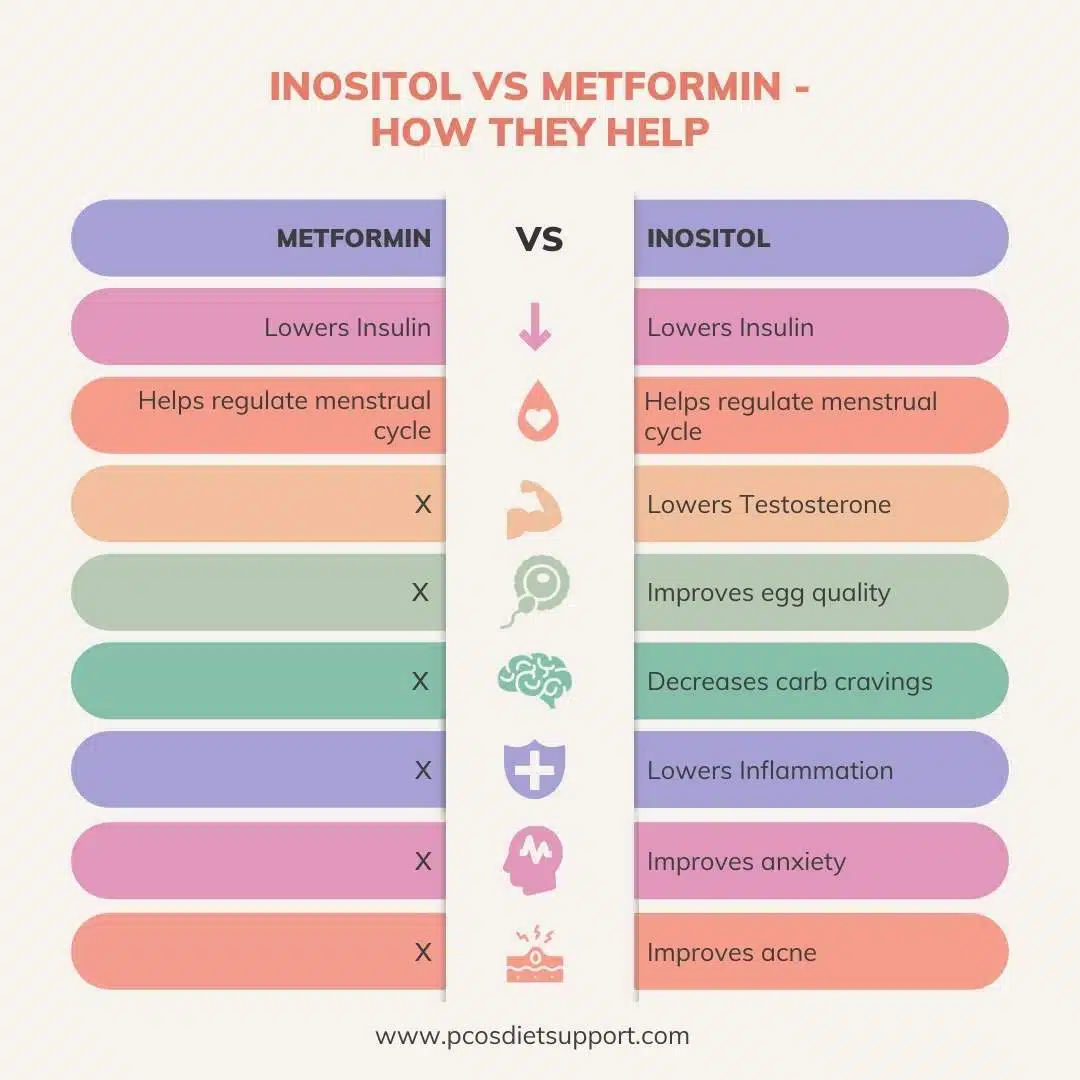
The debate over which agent is superior has led to numerous head-to-head clinical trials. A comprehensive systematic review and meta-analysis published in the European Review for Medical and Pharmacological Sciences in 2021 compared the effects of Myo-inositol and Metformin on ovarian function. The findings indicated that Myo-inositol was as effective as Metformin in improving insulin resistance, reducing androgen levels, and restoring ovulation.
Weight Management and Metabolic Profiles
While both agents contribute to metabolic health, their impact on Body Mass Index (BMI) varies across studies. Some research suggests that Metformin may have a slight edge in promoting weight loss in certain populations due to its appetite-suppressant effects. However, Inositol has demonstrated a superior ability to improve the lipid profile (cholesterol and triglycerides) and reduce the risk of gestational diabetes in pregnant women with PCOS.

Reproductive Outcomes
For patients prioritizing fertility, both treatments show promise. Metformin is often used in conjunction with ovulation induction agents like Clomiphene Citrate. Conversely, Inositol has been shown to improve the quality of oocytes (eggs) and the environment of the follicular fluid, which is particularly beneficial for women undergoing In-Vitro Fertilization (IVF).
Safety Profiles and Patient Tolerability
The most significant divergence between Metformin and Inositol lies in their side-effect profiles and patient adherence rates.
The Challenges of Metformin
Metformin is notorious for gastrointestinal side effects. Clinical data suggests that up to 30% of patients experience nausea, abdominal cramping, diarrhea, or a metallic taste in the mouth. These effects are often dose-dependent and can lead to high discontinuation rates. Long-term use of Metformin has also been linked to Vitamin B12 deficiency, necessitating regular monitoring and supplementation. In rare cases, more severe complications such as lactic acidosis can occur, particularly in patients with underlying renal or hepatic impairment.

The Tolerability of Inositol
In contrast, Inositol is remarkably well-tolerated. Because it is a naturally occurring substance that the body recognizes, side effects are rare and typically mild, such as slight digestive upset or headaches at very high doses. This high safety profile makes Inositol an attractive option for women who cannot tolerate the side effects of Metformin or who prefer a non-pharmaceutical approach to management.
Expert Consensus and Medical Guidelines
The international medical community has gradually integrated these findings into clinical guidelines. The International Evidence-based Guideline for the Assessment and Management of Polycystic Ovary Syndrome recognizes Metformin as a recommended treatment, particularly for metabolic management and as an adjunct for infertility.
While Inositol was previously viewed as an experimental supplement, recent updates from professional bodies, including the American Society for Reproductive Medicine (ASRM), acknowledge the growing evidence supporting its use. Many endocrinologists now view Inositol as a first-line intervention for mild-to-moderate PCOS or as a complementary therapy alongside lifestyle modifications.
Combined Therapy and Future Implications
A growing trend in PCOS management is the combination of Metformin and Inositol. Since the two agents utilize different biochemical pathways—Metformin focusing on hepatic glucose output and Inositol on cellular signaling—they can work synergistically. However, medical professionals caution that combining two insulin sensitizers increases the risk of hypoglycemia (low blood sugar), requiring careful monitoring and dose adjustment.
The broader implications of this therapeutic comparison extend beyond symptom management. As the global incidence of metabolic syndrome rises, the shift toward highly tolerable, effective agents like Inositol represents a movement toward patient-centered, integrative medicine. For women with PCOS, the choice between Metformin and Inositol often depends on individual health priorities, tolerance for side effects, and specific goals regarding fertility versus metabolic regulation.
Conclusion
Both Metformin and Inositol represent powerful tools in the clinical arsenal against PCOS-related insulin resistance. Metformin remains the gold standard for pharmaceutical intervention with a vast body of long-term data, despite its significant gastrointestinal drawbacks. Inositol has emerged as a formidable alternative, offering comparable efficacy in hormonal and ovulatory regulation with a vastly superior safety profile. As research continues to evolve, the integration of these agents into personalized treatment plans offers hope for improved long-term health outcomes for millions of women worldwide. Clinical consultation remains essential to determine the most appropriate course of action based on the patient’s unique metabolic profile and medical history.
