
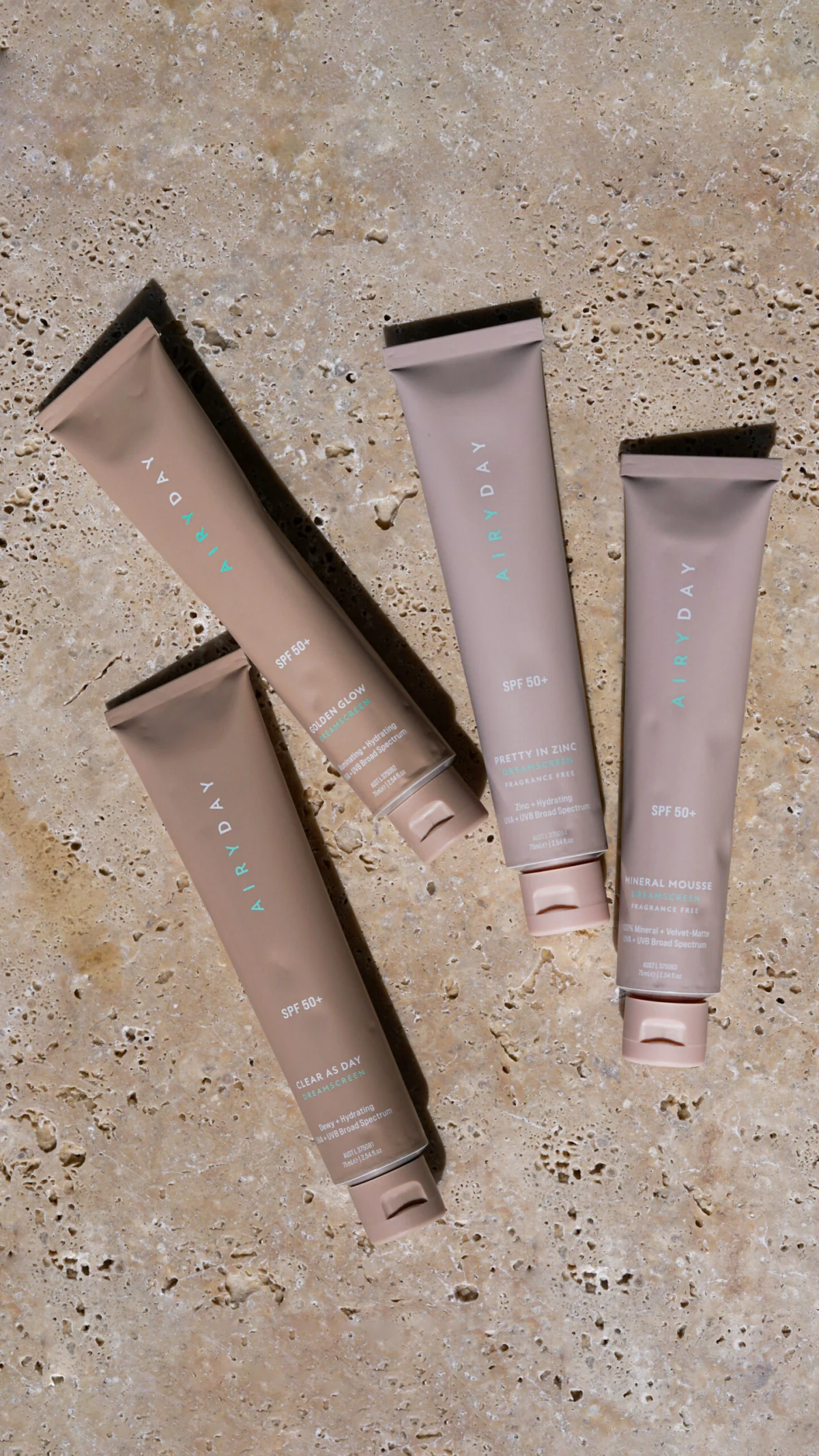
The expansion of the Australian suncare brand Airyday into the United Kingdom marks a significant milestone in the global beauty and dermatological market, bringing a specialized "SPF Wardrobe" to a consumer base increasingly focused on preventative skincare. This strategic launch introduces a comprehensive suite of SPF 50+ formulations designed to bridge the gap between traditional sun protection and high-performance skincare. By offering a variety of textures and finishes tailored to specific skin concerns, Airyday aims to overcome common barriers to daily sunscreen use, such as greasiness, white casts, and skin irritation. The range, which has already seen substantial success in the rigorous Australian market, includes specialized products such as the Glow Range, Clear As Day SPF 50+, Mineral Mousse SPF 50+, and Pretty in Zinc SPF 50+.
The SPF Wardrobe: A Specialized Approach to UV Protection
The cornerstone of the Airyday philosophy is the "SPF Wardrobe," a concept that acknowledges that a single sunscreen formulation cannot meet the needs of every individual or every environmental context. In the UK market, where weather conditions vary significantly and indoor blue light exposure is a concern for urban professionals, this versatility is a key selling point.
The Glow Range represents the brand’s foray into the "skinification" of suncare. Comprising three sheer-tinted sunscreens, these products are engineered to enhance skin radiance while providing broad-spectrum UV protection. These formulations utilize light-reflecting particles to offer a luminous finish, catering to the growing consumer demand for "no-makeup" makeup looks that prioritize skin health.
For consumers with dry or dehydrated skin, the Clear As Day SPF 50+ serves as a technical solution. This invisible gel formulation is designed to deliver intense hydration without the heavy, occlusive feeling associated with traditional sun creams. Its dewy finish is intended to mimic the effects of a high-end moisturizer, making it a viable primer for cosmetic application.
Addressing the needs of oily and combination skin types, the Mineral Mousse SPF 50+ utilizes an ultra-light texture that provides a matte or satin finish. Mineral sunscreens have historically been criticized for their thick, difficult-to-blend textures; however, Airyday’s mousse formulation aims to provide the benefits of physical blockers (zinc oxide or titanium dioxide) without the aesthetic drawbacks.
The range is rounded out by Pretty in Zinc SPF 50+, a breathable mineral cream. This product is specifically formulated for sensitive, reactive, and acne-prone skin. By utilizing zinc as the primary active ingredient, the cream offers soothing properties while leaving a soft-focus, second-skin finish that helps to blur imperfections without clogging pores.
Chronology of Brand Development and International Expansion
The journey of Airyday from a conceptual Australian startup to an international contender began with the personal mission of its founder, Frances van der Velden.
2021-2022: Formulation and Australian Launch
Airyday was developed in Australia, a region governed by some of the strictest sun protection regulations in the world. The Therapeutic Goods Administration (TGA) in Australia treats sunscreens as therapeutic goods, requiring rigorous testing for efficacy and stability. During this period, van der Velden collaborated with leading dermatologists and chemists to create "skinscreens"—hybrids of skincare and sunscreen—that met these high standards while remaining aesthetically pleasing for daily use.
2023: Market Consolidation and Recognition
Following its domestic launch, Airyday quickly gained traction in the Australian beauty industry, winning several awards for its innovative textures. The brand focused on building a community of "SPF enthusiasts," emphasizing the importance of year-round protection rather than seasonal application.
2024: Strategic Entry into the United Kingdom
The decision to enter the UK market was driven by a surge in demand for high-SPF products that integrate seamlessly into complex skincare routines. The UK beauty market has seen a 15-20% increase in the "prejuvenation" category—younger consumers investing in products to prevent premature aging. Airyday’s launch in the UK involves partnerships with major beauty retailers and a digital-first marketing strategy to educate consumers on the "SPF Wardrobe" concept.
Market Data and the Changing Landscape of Suncare
The entry of Airyday into the UK occurs amidst a global shift in consumer behavior regarding sun protection. Market research data highlights several key trends that support the brand’s expansion:
- The Growth of the Daily SPF Market: According to industry reports, the global suncare market is projected to reach approximately $16.8 billion by 2030. A significant portion of this growth is attributed to "daily wear" sunscreens rather than "beach wear."
- The Rise of Skinification: Data indicates that 65% of consumers are more likely to purchase a sunscreen if it contains active skincare ingredients like hyaluronic acid, niacinamide, or vitamin C. Airyday’s formulations are designed specifically to meet this preference.
- UK Skin Cancer Statistics: Despite the UK’s temperate climate, the incidence of melanoma has increased by over 140% since the early 1990s. Public health initiatives have led to a higher awareness of UV damage, creating a market for high-factor (SPF 50+) products that are comfortable enough for everyday use.
- Australian Efficacy Standards: Australian-made sunscreens carry a "gold standard" reputation globally. In the UK, products that have survived the Australian sun are perceived as highly reliable, providing Airyday with a competitive edge over local or European brands that may follow different testing protocols.
Perspectives from the Founder and Industry Experts
The launch is underpinned by a clear vision of behavioral change. Founder Frances van der Velden emphasized that the primary obstacle to skin protection is not a lack of awareness, but a lack of desirable products.
“Airyday was born because I wanted to create formulas people would genuinely want to wear every day,” van der Velden stated. “Products that protect, feel beautiful on skin and fit seamlessly into real routines. If sunscreen feels good, people use it. That was the starting point.”
Industry analysts suggest that the "wardrobe" approach—having different sunscreens for different days—mirrors how consumers use serums or moisturizers. Sarah Thompson, a beauty market analyst, notes: "The UK consumer is becoming increasingly sophisticated. They no longer want a one-size-fits-all solution. They want a sunscreen for the gym, a sunscreen for the office, and a sunscreen for social events. Airyday’s arrival addresses this niche perfectly."
While official reactions from UK dermatological bodies are generally supportive of any high-SPF product launch, experts often highlight the importance of "re-application." The lightweight textures offered by Airyday are expected to encourage users to re-apply throughout the day, a practice that is often neglected when using heavier, more traditional formulations.
Technical Analysis of Implications and Future Outlook
The introduction of Airyday to the UK market has several broader implications for the beauty industry and public health.
Environmental and Ethical Standards
As an Australian brand, Airyday often adheres to "reef-friendly" standards, avoiding ingredients like oxybenzone and octinoxate which are linked to coral bleaching. As the UK government and consumers become more environmentally conscious, the demand for "blue beauty"—products that do not harm aquatic ecosystems—is rising. Airyday’s commitment to vegan and cruelty-free formulations further aligns with modern UK consumer values.
The Democratization of Professional Suncare
Historically, high-quality, aesthetically pleasing sunscreens were often restricted to luxury price points or dermatologists’ offices. The arrival of brands like Airyday suggests a democratization of suncare, making advanced formulations available to a wider audience. This could lead to a long-term reduction in UV-related skin damage across the population.
Pressure on Local Competitors
The arrival of "Australian-standard" products puts pressure on UK and European manufacturers to innovate. Local brands may need to reformulate to compete with the "weightless" feel and high-performance ingredients of imported Australian "skinscreens." This competition is likely to drive further innovation in the sector, benefiting the end consumer.
The Role of Education
Airyday’s marketing focus on the "SPF Wardrobe" serves an educational purpose. It shifts the narrative from "sunscreen as a chore" to "sunscreen as a luxury skincare step." By categorizing products based on skin type (oily, dry, sensitive) rather than just SPF level, the brand helps consumers make more informed choices about their skin health.
In conclusion, the UK launch of Airyday’s SPF Wardrobe represents more than just the expansion of a retail brand; it reflects a fundamental shift in the global approach to dermatological protection. By combining the rigorous safety standards of Australia with the cosmetic elegance of premium skincare, Airyday is positioned to become a significant player in the UK’s evolving beauty landscape. As consumers continue to prioritize long-term skin health over short-term cosmetic fixes, the demand for innovative, daily-use UV protection is set to remain on an upward trajectory.
