

Polycystic Ovary Syndrome (PCOS) remains the most prevalent endocrine disorder among women of reproductive age globally, affecting an estimated 8% to 13% of this population. Characterized by a complex interplay of hormonal imbalances, ovulatory dysfunction, and metabolic disturbances, the condition is increasingly understood through the lens of insulin resistance. Recent clinical data suggests that up to 75% of women diagnosed with PCOS exhibit some degree of impaired insulin sensitivity, regardless of their Body Mass Index (BMI). As medical professionals and patients seek to manage the multifaceted symptoms of the syndrome—ranging from infertility and irregular cycles to hirsutism and weight gain—two primary insulin-sensitizing agents have emerged at the forefront of the debate: the pharmaceutical staple Metformin and the nutritional supplement Inositol.
The Pathophysiological Foundation: The Role of Insulin in PCOS
To understand why insulin-sensitizing agents are considered the cornerstone of PCOS management, one must examine the "Insulin-Androgen Connection." In a healthy physiological state, insulin regulates blood glucose levels by facilitating the uptake of sugar into the cells for energy. In women with PCOS, the body’s cells often become less responsive to insulin signals, a state known as insulin resistance. To compensate, the pancreas secretes higher volumes of insulin to maintain stable blood sugar levels.

This chronic hyperinsulinemia has profound effects on the female reproductive system. High levels of circulating insulin stimulate the theca cells in the ovaries to produce excessive amounts of androgens, such as testosterone. Simultaneously, excess insulin suppresses the production of Sex Hormone-Binding Globulin (SHBG) in the liver, the protein responsible for "mopping up" free testosterone in the blood. The resulting androgen excess halts the development of ovarian follicles, leading to the "cysts" (undeveloped follicles) characteristic of the condition, and triggers physical symptoms like acne and male-pattern hair growth. By addressing the root cause—insulin sensitivity—both Metformin and Inositol aim to restore hormonal equilibrium and restart the ovulatory cycle.
Metformin: The Pharmaceutical Gold Standard
Metformin has served as a frontline treatment for Type 2 diabetes since its approval by the U.S. Food and Drug Administration (FDA) in 1994, though its use in PCOS is primarily "off-label." As a biguanide, Metformin targets insulin resistance through three distinct mechanisms. First, it inhibits gluconeogenesis in the liver, reducing the amount of glucose the liver releases into the bloodstream. Second, it increases the sensitivity of muscle cells to insulin, improving glucose uptake. Third, it delays the absorption of glucose in the intestines.
Clinical research, including a pivotal study by Lashen (2010), has demonstrated that Metformin significantly improves insulin resistance and lowers androgen levels in women with PCOS. By reducing the insulin stimulus on the ovaries, the medication can effectively restore regular menstruation and improve pregnancy rates. However, the data regarding its impact on weight loss remains mixed. A 2000 study by Moghetti et al. indicated that while Metformin improved metabolic profiles over a six-month period, participants showed negligible changes in BMI, suggesting that the drug is not a primary weight-loss solution despite its metabolic benefits.

Inositol: The Emerging Nutritional Alternative
Inositol, often referred to as Vitamin B8 (though it is technically a sugar alcohol), is a naturally occurring compound found in fruits, beans, and grains. In the context of PCOS, research focuses primarily on two isomers: Myo-inositol (MI) and D-chiro-inositol (DCI). These molecules act as "second messengers" in the insulin signaling pathway.
The mechanism of Inositol is often described using a "lock and key" analogy. While insulin acts as the key, the Inositol-based messengers facilitate the opening of the cellular "lock." If the body is deficient in these messengers, the insulin signal is ignored, leading to resistance. Supplementing with Myo-inositol has been shown to improve the efficiency of insulin receptors, thereby reducing the need for the body to overproduce the hormone.
A significant meta-analysis published in the European Review for Medical and Pharmacological Sciences (2021) compared Myo-inositol directly to Metformin. The findings suggested that Myo-inositol was just as effective as the pharmaceutical counterpart in improving insulin resistance, reducing androgen levels, and restoring ovulation. Furthermore, Inositol has shown specific promise in improving oocyte (egg) quality, a factor that is often compromised in women with PCOS undergoing fertility treatments.

A Chronological Shift in Treatment Paradigms
The approach to PCOS has evolved significantly over the last several decades. In the mid-20th century, treatment was largely surgical, involving "wedge resections" of the ovaries to stimulate ovulation. By the 1970s and 80s, the focus shifted to hormonal management, primarily through the use of oral contraceptive pills to mask androgenic symptoms and regulate cycles.
The 1990s marked a turning point as researchers identified the link between PCOS and the metabolic syndrome. This led to the experimental use of Metformin. However, the early 2000s saw a rising interest in "nutraceuticals" as patients sought treatments with fewer side effects. The discovery of the specific role of Myo-inositol in the insulin signaling pathway in the late 2000s and early 2010s provided a scientific basis for its use. Today, the medical community is increasingly adopting an integrative approach, where supplements like Inositol are considered viable alternatives or adjuncts to traditional pharmaceuticals.
Comparative Efficacy and Side Effect Profiles
While both substances offer comparable benefits for insulin sensitivity and ovulation, their side effect profiles represent a major point of divergence for clinicians and patients.

Metformin Side Effects
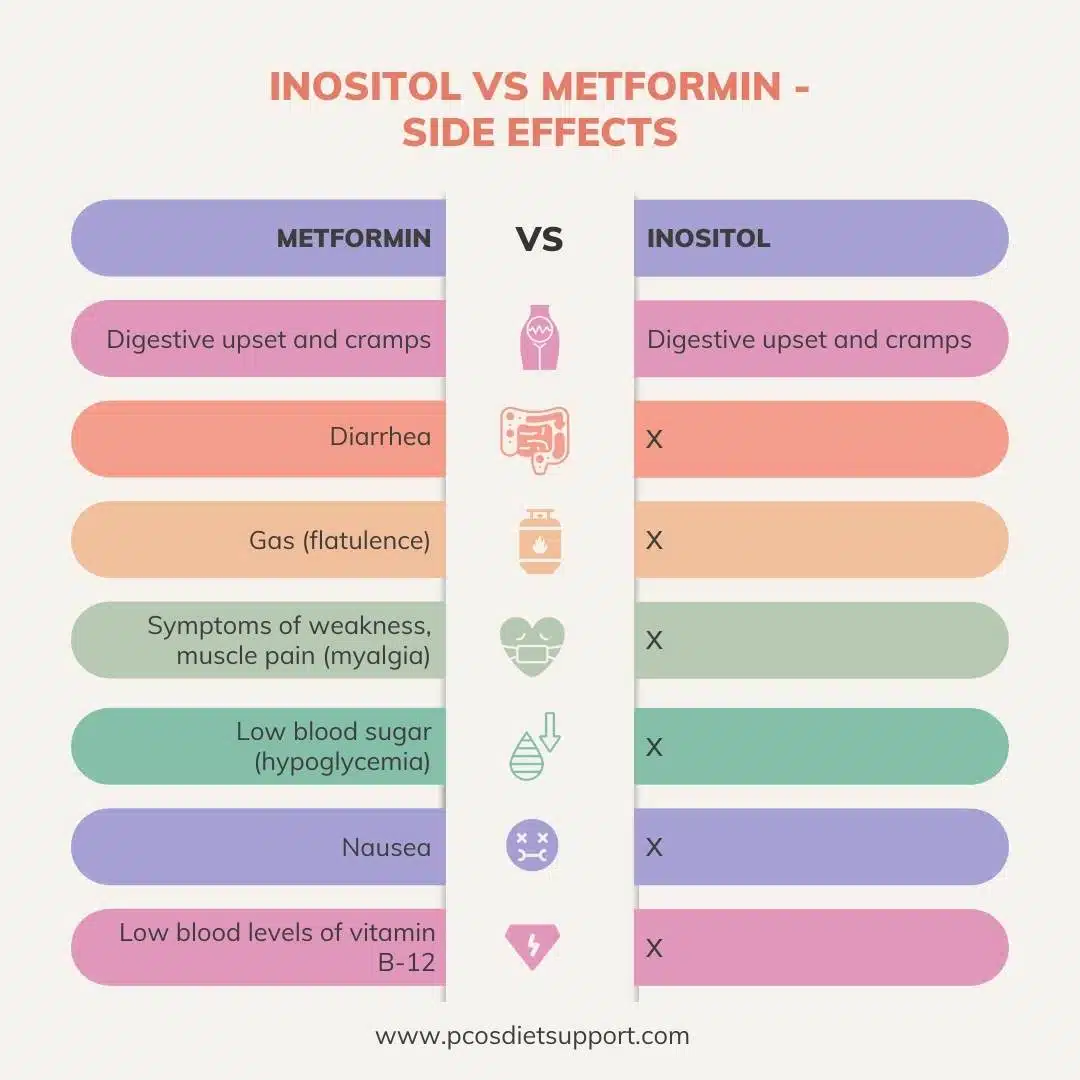
The most significant barrier to Metformin adherence is gastrointestinal distress. Clinical data indicates that a substantial percentage of users experience:
- Nausea and vomiting
- Abdominal cramping and bloating
- Persistent diarrhea
- Metallic taste in the mouth
Furthermore, long-term Metformin use has been linked to Vitamin B12 deficiency. Because B12 is essential for nerve health and energy levels, chronic users must often supplement the vitamin to prevent anemia or peripheral neuropathy. In rare cases, Metformin carries a risk of lactic acidosis, a serious metabolic complication.
Inositol Side Effects
In contrast, Inositol is generally regarded as having an exceptional safety profile. Because it is a compound the body produces naturally, side effects are rare and typically mild. Reported issues include:

- Mild digestive upset (often mitigated by taking the supplement with food)
- Occasional headaches
Because Inositol does not carry the same risk of severe GI distress, it often sees higher patient compliance rates in clinical settings compared to Metformin.
Supporting Data: Head-to-Head Clinical Findings
A side-by-side comparison of clinical outcomes reveals that while the efficacy is similar, the "experience" of the treatment differs. According to various randomized controlled trials (RCTs):
- Ovulation Rates: Both treatments show a similar percentage of women resuming regular cycles (approximately 60-70% within six months).
- Androgen Reduction: Both significantly lower free testosterone; however, some studies suggest Inositol may be slightly more effective at increasing SHBG levels.
- Pregnancy Outcomes: Inositol has demonstrated a slight edge in fertility contexts due to its role in egg maturation and the reduction of gestational diabetes risk during pregnancy.
- Metabolic Health: Metformin is often more potent in lowering fasting blood glucose in patients who are already pre-diabetic, whereas Inositol is highly effective at lowering fasting insulin.
Expert Perspectives and Clinical Implications
Medical professionals specializing in reproductive endocrinology are increasingly vocal about the need for individualized treatment plans. Dr. Angela Grassi, a leading dietitian in the PCOS field, notes that Metformin’s ability to lower glucose through the liver makes it a powerful tool for those with significant metabolic impairment. However, for women whose primary goal is fertility and who are sensitive to medication, Inositol provides a "gentler" yet equally effective pathway.
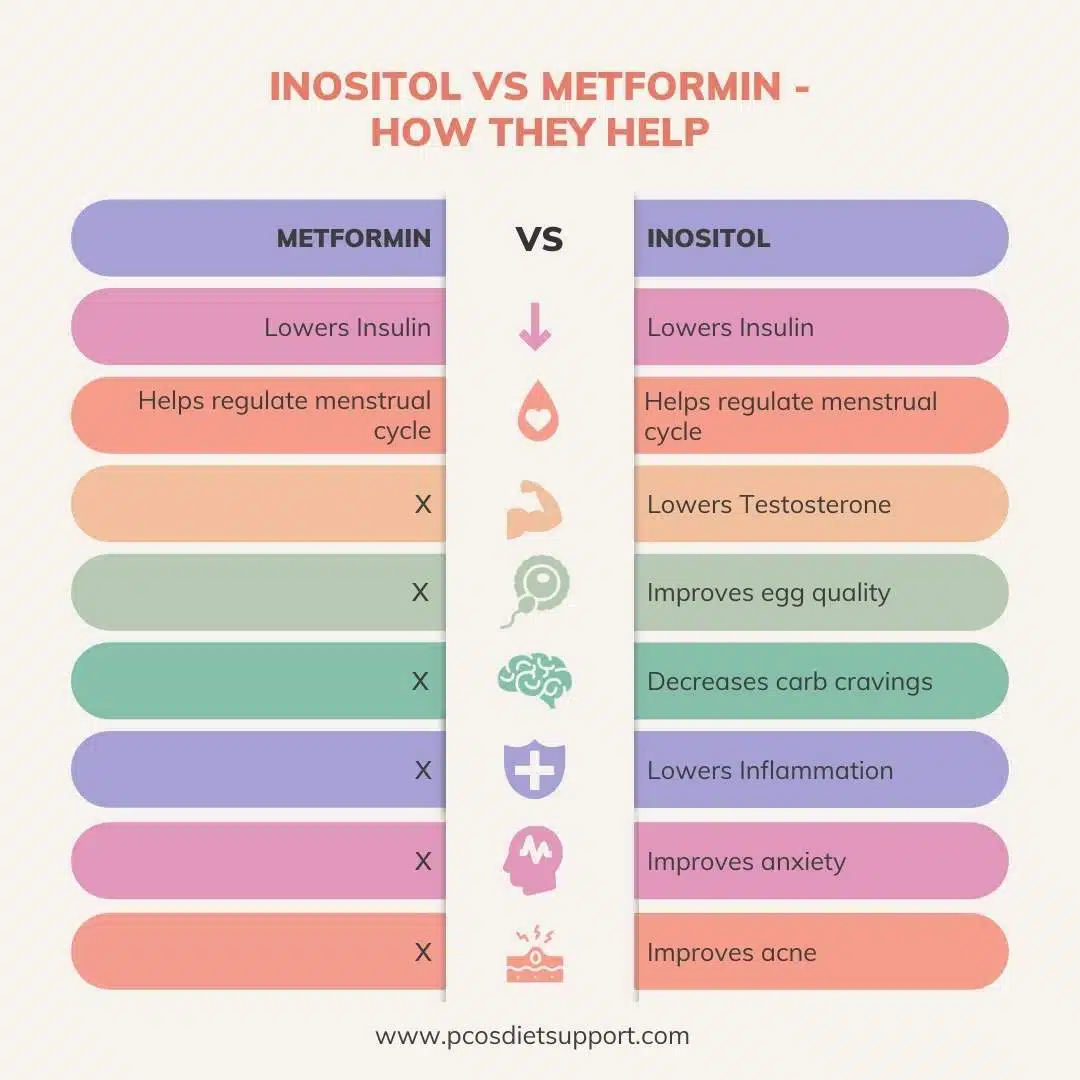
There is also growing interest in combination therapy. Because Metformin and Inositol work on different parts of the insulin pathway—Metformin on glucose production and Inositol on cellular signaling—some doctors prescribe them together. Preliminary research suggests that adding Inositol to a Metformin regimen may allow for a lower dose of the pharmaceutical drug, thereby reducing side effects while maintaining therapeutic efficacy. However, clinicians warn that combining two insulin sensitizers increases the risk of hypoglycemia (low blood sugar), requiring careful monitoring.
Broader Impact: The Future of PCOS Management
The shift toward Inositol represents a broader trend in modern medicine: the move toward "functional" and "integrative" care. As more women report dissatisfaction with the side effects of traditional medications, the validation of Inositol through rigorous clinical trials provides a blueprint for how nutritional science can meet pharmaceutical standards.
The implications of this research extend beyond reproductive health. Given that women with PCOS are at a significantly higher risk for Type 2 diabetes and cardiovascular disease later in life, the early implementation of insulin sensitizers—whether Metformin or Inositol—serves as a critical preventative measure. By stabilizing insulin levels in their 20s and 30s, women may be able to alter their long-term health trajectory, reducing the societal and personal burden of metabolic disease.
In summary, the "Inositol vs. Metformin" debate is not necessarily about which is "better" in an absolute sense, but which is more appropriate for the individual patient’s lifestyle and clinical needs. While Metformin remains a powerful, well-studied pharmaceutical with a long track record, Inositol offers a compelling, low-side-effect alternative that matches its efficacy in many of the most critical markers of PCOS health. As research continues to unfold, it is likely that both will remain essential tools in the quest to manage this complex and life-altering syndrome.
