

In a significant evolution of its prestigious awards system, the Michelin Guide has announced the discontinuation of its Green Star, a sustainability accolade introduced just six years ago. The phase-out, slated to be completed by the end of 2026, marks a notable shift for the renowned culinary authority, moving away from a distinct sustainability award towards a more integrated approach across its broader evaluation criteria. The Green Star, launched in 2020, aimed to recognize restaurants demonstrating exceptional commitment to sustainable practices, encompassing everything from responsible sourcing and waste reduction to the innovative use of materials.
The decision comes after a period of intense scrutiny and debate within the gastronomic community. While the Green Star garnered widespread attention and saw over 600 eateries worldwide receive the accolade by last year, it was not without its critics. Many chefs and industry leaders voiced concerns regarding the perceived lack of standardized criteria, which led to inconsistencies in its application and interpretation. This ambiguity fueled accusations that the award could inadvertently enable "greenwashing," allowing establishments to leverage the distinction for public relations purposes without necessarily demonstrating deep-rooted, verifiable sustainable operations.
Michelin’s rationale for retiring the Green Star centers on its perceived limitations. The organization stated that the accolade was "limited to gastronomy," suggesting a desire to broaden its scope. In its place, Michelin is launching "Mindful Voices," an editorial platform designed to spotlight individuals and establishments pioneering innovative approaches across gastronomy, hospitality, and wine. This strategic pivot signifies Michelin’s intent to embed sustainability considerations more holistically within its existing evaluation frameworks, rather than isolating it under a separate designation.
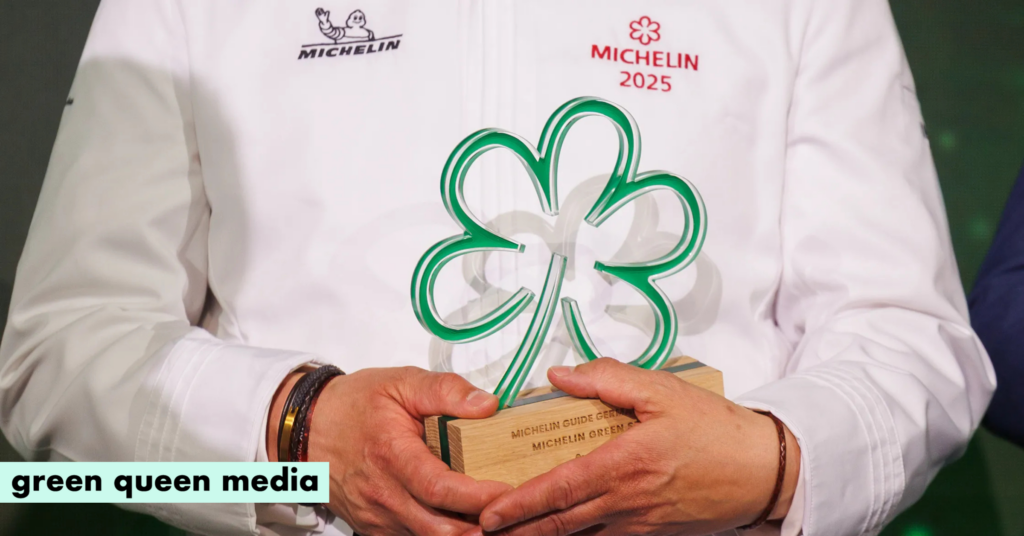
A Brief History and Initial Ambitions of the Green Star
The Michelin Green Star made its debut in France and the Nordic countries in 2020, swiftly followed by an international expansion a year later. Any restaurant already listed in the Michelin Guide was eligible to be considered for this sustainability distinction. At its inception, a spokesperson for the Michelin Guide articulated the award’s core mission in an interview with Green Queen, stating that it "aims to highlight role-model restaurants that embrace sustainability in their day-to-day operations." The selection process was described as being based on research and data gathered by Michelin Guide inspectors during their fieldwork. Restaurants were evaluated on their efforts in crucial areas such as food waste reduction, recycling initiatives, the promotion of local and ethical ingredient sourcing, and a variety of other commendable practices.
The criteria for achieving a Green Star were framed around a "truly virtuous global approach" or the implementation of "inspiring initiatives" in their management. This encompassed a wide range of considerations, including the provenance of ingredients, adherence to seasonality, strategies for minimizing and valorizing food waste, and the restaurant team’s effectiveness in communicating their sustainable ethos to clients. Michelin’s website emphasized that there was "no specific formula" for awarding a Green Star, acknowledging the unique conditions faced by each establishment and its regional context. Inspectors were tasked with identifying those restaurants "at the top of their game" regarding their sustainable practices.
Key factors considered by inspectors included:
- The provenance of ingredients: tracing the origin and ethical sourcing of food.
- The use of seasonal produce: prioritizing ingredients that are naturally available at specific times of the year.
- The restaurant’s environmental footprint: assessing its overall impact on the environment.
- Food waste systems: implementing measures to reduce and manage food waste.
- General waste disposal and recycling: robust systems for managing and recycling non-food waste.
- Resource management: efficient use of water, energy, and other resources.
- Communication with guests: educating diners about the restaurant’s sustainable practices and ethos.
Criticisms and the Unraveling of the Green Star
Despite these stated intentions, the inherent ambiguity in the Green Star’s assessment framework became a significant point of contention. Critics argued that Michelin had not established a clear, verifiable framework for the award. Furthermore, the absence of independent audits or systemic checks on supply chains and operational procedures raised questions about the rigor of the evaluation process. Restaurants were primarily required to complete a questionnaire detailing their practices, leading many to perceive the awarding of Green Stars as more of a publicity tool than a genuine, in-depth sustainability certification.

This lack of stringent verification meant that many farm-to-table restaurants, whose entire business model was built on sustainability principles, struggled to attain the Green Star. Conversely, some establishments with only superficial or limited climate-friendly practices, such as occasional foraging, managed to secure the accolade. The visual representation of the award—a green iteration of the iconic Michelin star—also contributed to confusion. Some restaurants reportedly used this symbol to imply they held a full Michelin star, further blurring the lines and potentially misleading diners. This led to frustration among restaurateurs who felt their genuine commitment to sustainability was overlooked or misunderstood.
Michelin’s Strategic Shift: Beyond Gastronomy
The decision to retire the Green Star coincides with Michelin’s broader ambition to expand its focus beyond the confines of pure gastronomy. The introduction of "Mindful Voices" represents a significant strategic maneuver, aiming to capture a more encompassing narrative of excellence in the wider hospitality sector. This new editorial platform is intended to showcase individuals and establishments that are "rewriting the rules" not just in food, but also in the realms of hospitality and wine.
A spokesperson for the Michelin Guide reiterated the organization’s unwavering commitment to "a more responsible approach to gastronomy." They clarified that the introduction of Mindful Voices should not be interpreted as a retreat from sustainability efforts but rather as a "progression designed to reinforce this commitment." The guide’s evolving vision is to present a "broader and more universal expression" of excellence, encompassing its long-standing pillars of gastronomy, hospitality, and wine. This suggests that sustainability considerations will now be woven into the fabric of these core evaluations, rather than being siloed into a separate, specialized award.
The Broader Impact and Emerging Trends
The discontinuation of the Green Star has elicited mixed reactions. While many understand Michelin’s desire for a more integrated approach, some in the industry express disappointment. Piers Milburn, owner of Pythouse Kitchen Garden in the UK, a recipient of the Green Star, voiced his dismay to The Guardian, stating, "It’s disappointing – one of our dreams was to have one." He further criticized Michelin’s decision as potentially "irresponsible" for building a platform for businesses to gain recognition and then removing it, expressing concern that the organization might be "stepping back from sustainability."

Despite the retirement of the Green Star, Michelin has demonstrably increased its recognition of sustainability through another avenue: the awarding of its traditional culinary stars to an increasing number of vegan restaurants. In recent years, plant-based eateries have been steadily climbing the ranks, achieving significant accolades. Currently, seven fully plant-based establishments boast Michelin stars: De Nieuwe Winkel in the Netherlands (two stars), Lamdre in Beijing (two stars), Seven Swans in Germany, KLE in Switzerland, Plates in London, LéGume in Seoul, and Bonvivant in Berlin (each holding one star). Notably, four of these received their stars within the last 18 months, highlighting a recent surge in recognition for plant-based fine dining.
Furthermore, the legendary three-Michelin-starred French restaurant Arpège, helmed by Alain Passard, has transitioned to an almost entirely vegan menu, with the sole exception being honey sourced from its own beehives. This move by a culinary institution underscores the growing influence and acceptance of plant-based dining at the highest echelons of the culinary world. For several years, Eleven Madison Park in New York City held the distinction of being the sole plant-based restaurant with three Michelin stars, though it controversially reintroduced meat and seafood to its menu last year.
The shift away from a dedicated Green Star and towards integrated sustainability recognition, coupled with the rising prominence of vegan and plant-forward restaurants within the Michelin Guide, suggests a dynamic evolution in how culinary excellence is perceived and awarded. While the Green Star’s legacy is marked by both its laudable intentions and its critical shortcomings, its retirement signals Michelin’s adaptation to a broader understanding of responsible gastronomy and its commitment to highlighting pioneers across the entire spectrum of food, hospitality, and wine. The success of the "Mindful Voices" platform and the continued recognition of sustainable practices within the core star system will be closely watched by the industry in the years to come.
