
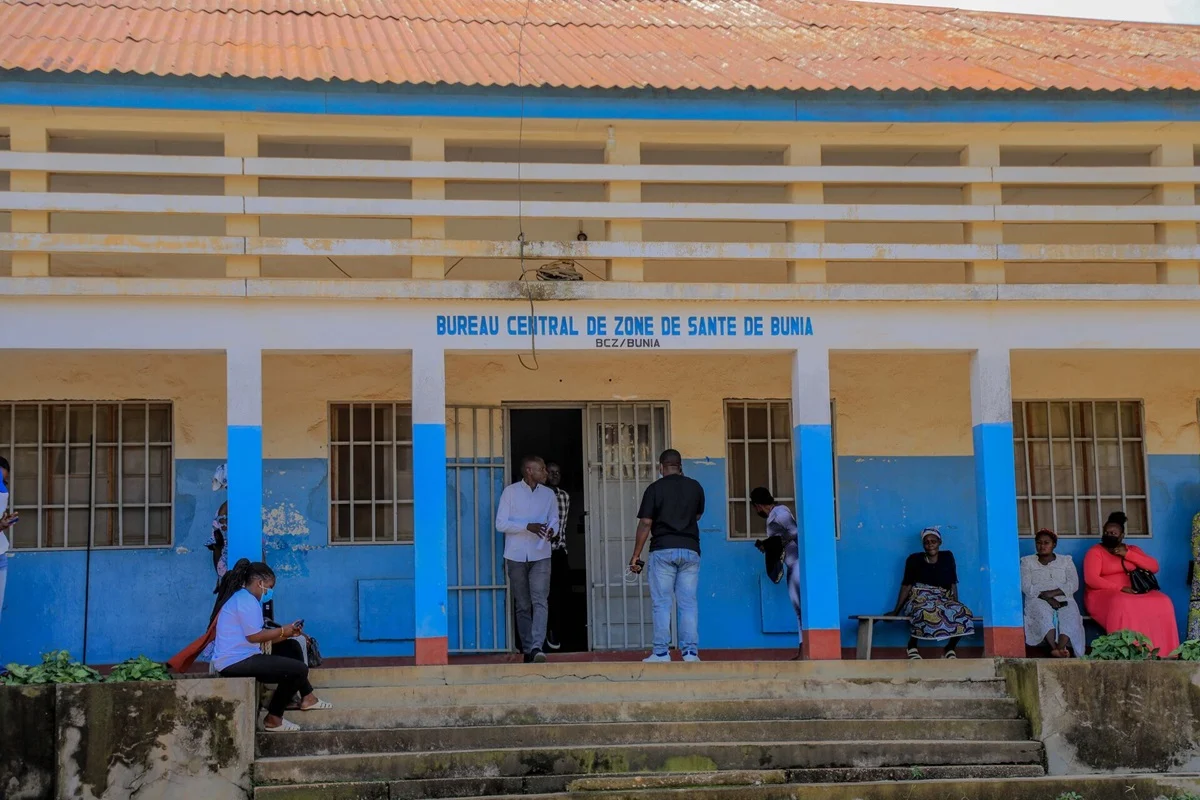
As the Democratic Republic of the Congo (DRC) continues to navigate a challenging outbreak of the Bundibugyo virus, the World Health Organization (WHO) has formally released its first-ever comprehensive guidelines for the clinical management of filovirus diseases. This landmark document encompasses all known types of Ebola and Marburg viruses, providing a standardized framework for healthcare providers globally. The publication of these guidelines marks a significant shift in the international approach to these high-consequence pathogens, moving from reactive emergency measures toward a more structured, evidence-based clinical pathway. By outlining 16 specific, evidence-based recommendations, the WHO aims to institutionalize early supportive care as the cornerstone of treatment, a strategy proven to significantly lower mortality rates even in the absence of specialized antiviral therapies.
The release comes at a critical juncture for global health security. Filoviruses, which include the various strains of Ebola (Zaire, Sudan, Bundibugyo, Reston, Tai Forest, and Bombali) and the Marburg virus, are among the most virulent pathogens known to science. Historically, these diseases have been associated with extreme case fatality rates, ranging from 25% to as high as 90% in certain outbreaks. The current Bundibugyo outbreak in the DRC serves as a poignant reminder that while science has made strides in vaccine development for the Zaire strain, other variants remain without licensed preventative or curative treatments. Consequently, the WHO’s focus on "optimized supportive care" is not merely a clinical preference but a life-saving necessity for regions facing these specific viral strains.
The Evolution of Filovirus Understanding: A Historical Chronology
The journey toward these comprehensive guidelines began more than five decades ago. The history of filovirus outbreaks is a testament to the persistent threat posed by zoonotic spillover events in sub-Saharan Africa and beyond.
The timeline began in 1967, when the Marburg virus was simultaneously discovered in laboratories in Marburg and Frankfurt, Germany, as well as in Belgrade, Yugoslavia (now Serbia). The virus was introduced through imported African green monkeys from Uganda. This initial outbreak resulted in 31 cases and seven deaths, establishing the high lethality of filoviruses.
Nearly a decade later, in 1976, the world witnessed the first recorded outbreaks of Ebola virus disease. Two simultaneous but separate outbreaks occurred: one in Nzara, South Sudan (caused by the Sudan virus), and the other in Yambuku, DRC (caused by the Zaire virus). The latter occurred near the Ebola River, giving the virus its name. For the next several decades, outbreaks remained sporadic and relatively contained within remote geographic areas.
However, the 2014–2016 West Africa Ebola outbreak changed the global perception of the disease. Affecting Guinea, Liberia, and Sierra Leone, it became the largest and most complex Ebola outbreak since the virus was first discovered. With over 28,000 cases and 11,000 deaths, the crisis exposed profound weaknesses in international response mechanisms and highlighted the desperate need for standardized clinical protocols. It was during this period that the international community realized that mortality was often driven not just by the virus itself, but by the collapse of fluid and electrolyte balance in patients.
In 2022 and 2023, outbreaks of the Sudan virus in Uganda and Marburg virus in Equatorial Guinea and Tanzania further underscored the unpredictability of these pathogens. The current Bundibugyo outbreak in the DRC is the latest chapter in this chronology, necessitating the WHO’s move to consolidate decades of learning into the newly released 16 recommendations.
Technical Specifications and the 16 Recommendations
The newly released WHO guidelines are the result of rigorous global expert consultations, including a major convening of specialists in Brazzaville, Republic of the Congo. The document translates thousands of pages of clinical data into practical, actionable steps for frontline workers. The core philosophy of the guidelines is "optimized supportive care" (OSC).
OSC involves a proactive approach to managing the physiological disruptions caused by the virus. Filoviruses typically cause systemic inflammatory response syndrome, leading to vascular leak, profound dehydration, and eventually multi-organ failure. The WHO’s recommendations focus on several key pillars:
- Early Recognition and Screening: Implementing standardized triage protocols to identify suspected cases immediately upon arrival at health facilities to prevent nosocomial (hospital-acquired) transmission.
- Aggressive Rehydration: The guidelines provide specific protocols for oral and intravenous fluid replacement. In past outbreaks, many patients died from hypovolemic shock—essentially dehydrating to death—rather than viral load.
- Electrolyte Monitoring: Filovirus patients often suffer from severe imbalances of potassium, magnesium, and calcium. The guidelines call for enhanced laboratory support to monitor and correct these levels.
- Management of Co-infections: Recognizing that many patients in affected regions may also be battling malaria, typhoid, or bacterial sepsis, the guidelines advocate for concurrent treatment of these conditions.
- Nutrition and Psychological Support: The WHO emphasizes that patient health outcomes are tied to nutritional intake and the preservation of human dignity through mental health support for both patients and their families.
- Post-Recovery Care: For the first time, the guidelines offer structured follow-up recommendations for survivors. Ebola and Marburg survivors often face long-term sequelae, including joint pain, vision loss (uveitis), and neurological challenges, as well as the potential for viral persistence in immune-privileged sites like the eyes or testes.
Official Responses and the Call for Integration
WHO Director-General Dr. Tedros Adhanom Ghebreyesus has been vocal about the necessity of these guidelines in the broader context of global health equity. "These new guidelines are a perfect example of how WHO leverages science to better protect and care for people during outbreaks and health emergencies," Dr. Tedros stated. He emphasized that the current situation in the DRC is a "stark reminder" that medical care must be holistic and person-focused.
The WHO is now urging national governments and regional health authorities to integrate these recommendations into their national preparedness plans. This involves more than just distributing a document; it requires significant investment in "biomedical equipment, laboratory support, and human resources," as noted in the WHO’s official communication.
Public health experts have reacted positively to the release. Dr. Michael Ryan, Executive Director of the WHO Health Emergencies Programme, has previously noted that the "standard of care" should not depend on the geographic location of the patient. The goal of these guidelines is to ensure that a patient in a rural clinic in the DRC receives the same evidence-based supportive care as a patient in a high-resource setting.
Supporting Data: The Impact of Early Intervention
Statistical analysis from recent outbreaks supports the WHO’s emphasis on supportive care. Data from the 2018–2020 Kivu Ebola outbreak showed that when patients were admitted to Ebola Treatment Centers (ETCs) early and received aggressive fluid resuscitation and symptom management, the case fatality rate dropped significantly compared to those who remained in the community or were admitted late in the disease progression.
Furthermore, the lack of licensed therapeutics for the Bundibugyo and Marburg viruses makes these guidelines even more critical. While the Zaire virus can be treated with monoclonal antibodies like Ebanga (Ansuvimab-eklz) and Inmazeb (atoltivimab, maftivimab, and odesivimab-ebgn), these treatments are not effective against other filovirus species. For the Bundibugyo virus currently circulating in the DRC, optimized supportive care remains the only proven method to improve the odds of survival.
The socio-economic data surrounding these outbreaks is equally compelling. Filovirus outbreaks often lead to the total shutdown of local markets, schools, and transportation hubs. A study on the 2014 West Africa outbreak estimated the economic loss to the three most affected countries at over $2.2 billion. By improving clinical management and reducing the duration and lethality of outbreaks, these new guidelines serve as a tool for economic stabilization as much as medical intervention.
Broader Implications and Future Outlook
The introduction of these guidelines represents a maturation of the global response to viral hemorrhagic fevers. It moves the conversation away from "containment at all costs" toward "care and cure." This shift is essential for building community trust. In many previous outbreaks, communities were hesitant to bring loved ones to treatment centers, viewing them as "places where people go to die." By standardizing high-quality care that visibly improves survival rates, the WHO hopes to encourage earlier healthcare-seeking behavior.
The guidelines also serve as a prerequisite for future clinical research. To accurately test the efficacy of new antiviral drugs, there must be a consistent baseline of supportive care across all study participants. Without the "foundation" described in the WHO guidelines, it is difficult for researchers to determine if a patient survived because of a new drug or because of the quality of their basic medical care.
Looking toward the future, the WHO has linked these clinical advancements to the theme of World Health Day 2026: "Together for health. Stand with science." This campaign will highlight science as the bedrock of health protection. The filovirus guidelines are a tangible manifestation of this theme, proving that even in the face of some of the world’s most terrifying diseases, rigorous scientific application and compassionate, person-centered care can prevail.
As the DRC continues its battle against the Bundibugyo virus, the implementation of these 16 recommendations will be the litmus test for the new global standard. The success of this rollout will depend on the willingness of the international community to fund the necessary infrastructure—ensuring that every frontline worker has the tools, the training, and the supplies to turn these guidelines into saved lives. In the long term, the WHO envisions a world where an Ebola or Marburg diagnosis is no longer a "death sentence" but a manageable medical emergency, handled with the full weight of global scientific expertise.
