
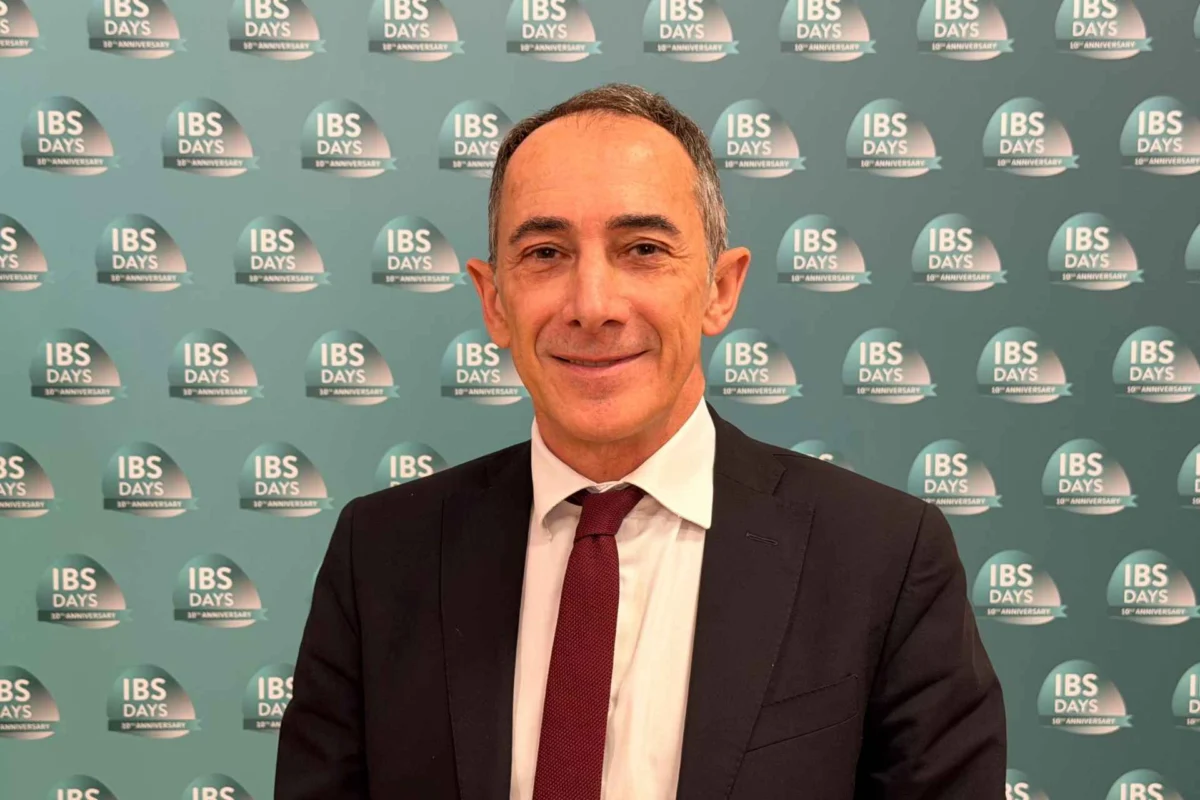
The fifth edition of IBS Days recently concluded in Bologna, Italy, serving as a landmark event that celebrated a decade of scientific advancement and clinical collaboration in the field of gastroenterology. Since its inception ten years ago, this biennial congress has grown into a premier forum for the exchange of ideas regarding Irritable Bowel Syndrome (IBS), a condition that affects a significant portion of the global population. This year’s meeting brought together approximately 500 participants, including leading researchers, clinicians, and healthcare professionals, to discuss the evolving landscape of a disorder that was once poorly understood but is now at the forefront of neuro-gastroenterology.
The congress was presided over by Professor Giovanni Barbara of the University of Bologna, a renowned figure in the study of gut-brain interactions. Under his leadership, the fifth edition focused on bridging the gap between complex laboratory findings and the daily realities of patient care. The program was meticulously structured to provide both a high-level scientific update and practical tools for practitioners, reflecting the dual necessity of innovation and application in modern medicine.
A Decade of Evolution: From Functional Disorder to Gut-Brain Interaction
The tenth anniversary of IBS Days provided a natural opportunity for reflection on how the medical community’s perception of IBS has shifted since 2014. Historically, IBS was frequently categorized as a "functional" disorder, a term that often carried the unfortunate implication that the symptoms were psychological or lacked a biological basis. However, over the last decade, the narrative has shifted toward recognizing IBS as a "disorder of gut-brain interaction" (DGBI).
This shift in terminology, formalized by the Rome IV criteria released during the decade IBS Days has been active, acknowledges the complex communication network between the central nervous system and the enteric nervous system. The discussions in Bologna highlighted how research presented at previous editions of the congress has contributed to this paradigm shift. Today, clinicians view IBS not as a single disease, but as a heterogeneous syndrome driven by various underlying mechanisms, including visceral hypersensitivity, altered gastrointestinal motility, and psychosocial factors.
Detailed Chronology of the Fifth Edition
The event commenced with a specialized postgraduate course, which Professor Barbara identified as a cornerstone of the meeting. This course was designed specifically for clinicians who manage IBS patients on a daily basis. Unlike the purely theoretical sessions that often dominate medical conferences, this course focused on the "how-to" of patient management, covering diagnostic algorithms, the interpretation of emerging biomarkers, and the nuances of patient communication.
Following the postgraduate course, the congress transitioned into a series of intensive scientific sessions. These sessions were organized around the core pillars of IBS pathophysiology. Over the course of several days, speakers presented data on:
- The Gut Microbiota: Discussions focused on the "dysbiosis" observed in IBS patients and whether specific microbial signatures can predict treatment response.
- Dietary Interventions: An analysis of the long-term efficacy of the Low-FODMAP diet and the emergence of personalized nutrition.
- Intestinal Permeability and Immunity: New evidence regarding "leaky gut" and the role of low-grade mucosal inflammation in driving symptoms.
- The Enteric Nervous System: Exploration of how the "second brain" in the gut processes pain signals and regulates motility.
The final phase of the congress was dedicated to networking and informal exchange, allowing younger researchers to interact with established experts. This communal aspect has been a hallmark of IBS Days since its founding, fostering a collaborative environment that extends beyond the lecture halls.
Supporting Data: The Global Burden of IBS
The importance of the discussions held in Bologna is underscored by the staggering statistics surrounding IBS prevalence and its socio-economic impact. Data presented and referenced during the congress indicate that IBS affects between 4% and 10% of the global population. In industrialized nations, it is one of the most common reasons for referral to a gastroenterologist and a leading cause of work absenteeism, second only to the common cold.
Recent epidemiological studies highlighted during the sessions suggest that the prevalence of IBS is not uniform; it appears higher in women and younger adults. Furthermore, the economic burden of IBS is substantial. In the United States alone, the direct and indirect costs associated with IBS are estimated to exceed $20 billion annually. These figures reinforce the urgency of the work being done by the IBS Days community to find more effective, cost-efficient diagnostic and therapeutic strategies.
The congress also addressed the high rate of comorbidities associated with IBS. Data show that up to 50% of IBS patients also suffer from anxiety or depression, and a significant number experience other functional disorders such as fibromyalgia or chronic fatigue syndrome. This data-driven approach emphasized that treating IBS requires a holistic view of the patient’s health.
Scientific Deep Dive: Pathophysiology and Mechanisms
One of the most significant themes of the 2024 meeting was the role of the intestinal barrier. Professor Barbara and other speakers detailed how a breakdown in the tight junctions of the intestinal epithelium—often referred to as increased intestinal permeability—allows pro-inflammatory substances to cross into the gut wall. This process can trigger a localized immune response, activating mast cells in close proximity to nerve endings.
This "micro-inflammation" is now considered a key driver of visceral hypersensitivity, the phenomenon where patients feel pain from normal gut functions like gas or digestion. The scientific sessions explored how these findings are leading to new therapeutic targets, such as mast cell stabilizers and agents that reinforce the intestinal barrier.
Furthermore, the role of the microbiota was a major point of contention and excitement. While probiotics have been used for years, the data presented in Bologna suggested a move toward "precision probiotics" and fecal microbiota transplantation (FMT) for specific subsets of patients. The consensus among participants was that while the microbiota holds the key to many IBS mysteries, the field requires more standardized, large-scale clinical trials to move from experimental to routine care.
Clinical Application and the Patient-Centered Approach
A recurring sentiment throughout the interview with Professor Barbara was the necessity of a patient-centered approach. Because there is no "cure" for IBS in the traditional sense, management focuses on symptom control and improving quality of life. The postgraduate course emphasized that the physician-patient relationship is, in itself, a therapeutic tool.
Clinicians were encouraged to move away from a "diagnosis of exclusion" (where IBS is only diagnosed after every other possibility is ruled out through invasive testing) and toward a "positive diagnosis" based on clinical symptoms and limited, targeted testing. This approach reduces patient anxiety, prevents unnecessary healthcare spending, and allows for the earlier initiation of treatment.
Dietary management also received significant attention. The Low-FODMAP diet remains the gold standard for many, but experts at the congress cautioned against its indefinite use. The focus has shifted toward a three-phase approach: restriction, reintroduction, and personalization. This ensures that patients do not suffer from nutritional deficiencies or social isolation due to overly restrictive eating habits.
Official Responses and Expert Reactions
Reflecting on the success of the event, Professor Giovanni Barbara emphasized the unique atmosphere of the meeting. He noted that the 10th anniversary was not just a celebration of time passed, but a testament to the resilience and curiosity of the gastroenterological community. "The fifth edition of IBS Days has once again confirmed its role as an essential forum for specialists," Barbara remarked during his closing summary. He highlighted that the blend of "solid scientific knowledge" and "clinical exchange" is what sets this meeting apart from larger, more impersonal international conferences.
Participants echoed these sentiments, noting that the smaller scale of IBS Days allows for more rigorous debate. Younger clinicians expressed appreciation for the postgraduate course, citing it as a vital resource for staying current with rapidly changing guidelines. Industry representatives also noted the value of the event, as it provides a clear picture of the unmet needs in the patient population, guiding future drug development.
Broader Impact and Future Implications
The implications of the 5th IBS Days extend far beyond the city of Bologna. The insights shared at the congress are expected to influence clinical guidelines in the coming years. As the medical community moves toward a more integrated model of care—combining gastroenterology, nutrition, and psychology—meetings like IBS Days provide the blueprint for this multidisciplinary future.
The emphasis on low-grade inflammation and the gut-brain axis suggests that the next decade of research will likely produce more targeted pharmacological treatments. Instead of generic antispasmodics, the future may hold treatments that specifically modulate the immune system within the gut or rewire the way the brain perceives gastrointestinal signals.
Furthermore, the commitment to meet again in two years, whether in Bologna or another Italian city, ensures that the momentum generated during this anniversary edition will not be lost. The IBS Days community has established a cycle of continuous improvement, where every meeting builds upon the data and clinical successes of the previous one.
As the congress concluded, the message was clear: while IBS remains a complex and often frustrating condition for both patients and doctors, the progress made over the last ten years is undeniable. With 500 experts dedicated to the cause and a growing body of scientific evidence, the next decade of IBS research promises to bring even greater clarity and more effective relief to millions of sufferers worldwide. The success of the fifth edition of IBS Days stands as a beacon of progress in the ongoing journey to master the complexities of the human gut.
