
As the world continued to grapple with the ongoing effects of the COVID-19 pandemic throughout 2021, consumer behaviors surrounding food and lifestyle choices exhibited a notable shift. A comprehensive U.S. consumer survey conducted during the year revealed a decline in certain pandemic-induced habits, while simultaneously highlighting persistent challenges in food security and the critical need for global vaccination efforts. This evolving landscape underscores the enduring importance of prioritizing healthy eating and living, a theme that remains central to public health discourse and individual well-being.
Shifting Consumer Habits in a Post-Lockdown Era
The year 2021 marked a period of adaptation, where many individuals began to re-engage with pre-pandemic routines while also integrating new hobbies and habits that emerged during the extensive lockdowns of 2020. This duality was reflected in dietary patterns. According to the 2021 Food & Health Survey, conducted by the International Food Information Council (IFIC) Foundation, a significant decrease was observed in specific behaviors that had become prevalent during the height of the pandemic.
Specifically, the proportion of Americans reporting that they were "snacking more" dropped from 32% in 2020 to 18% in 2021. Similarly, the number of individuals stating they were "eating more in general" saw a decline from 20% in 2020 to 11% in 2021. This suggests a partial return to more controlled eating patterns as external pressures and routines began to normalize for a segment of the population.
However, this trend was not uniformly positive. The same survey indicated a decrease in another key aspect of healthy living: home cooking. The percentage of consumers reporting that they were cooking at home declined from 60% in 2020 to 47% in 2021. This observation raises potential concerns, as home-cooked meals are often associated with greater control over ingredients, portion sizes, and overall nutritional quality compared to restaurant or takeout options. The potential implications of this shift could include increased reliance on less healthy convenience foods or a decrease in the consumption of nutrient-dense meals.
Persistent Challenges: Food Security and Global Health
Beyond shifts in personal dietary habits, the survey findings also underscored significant and persistent disparities in food security across the United States. While specific data points on this aspect were not elaborated upon in the initial announcement, the mention of "significant disparities in food security" is a critical reminder of the uneven impact of economic and social disruptions on access to adequate and nutritious food. Food insecurity can have profound and long-lasting negative effects on physical and mental health, exacerbating existing health inequalities.
On a broader global scale, the continued presence of COVID-19 and the emergence of new disease variants served as a stark reminder of the ongoing public health crisis. The article emphasizes the "sobering reminder of the urgency for increased vaccination globally, especially in low- and lower-middle-income countries." This highlights a critical disparity in global health equity, where access to life-saving vaccines remains uneven, leaving vulnerable populations at greater risk and potentially prolonging the pandemic’s reach and impact. The interconnectedness of global health means that progress in one region is vital for the well-being of all.
Revisiting Core Principles of Healthy Living
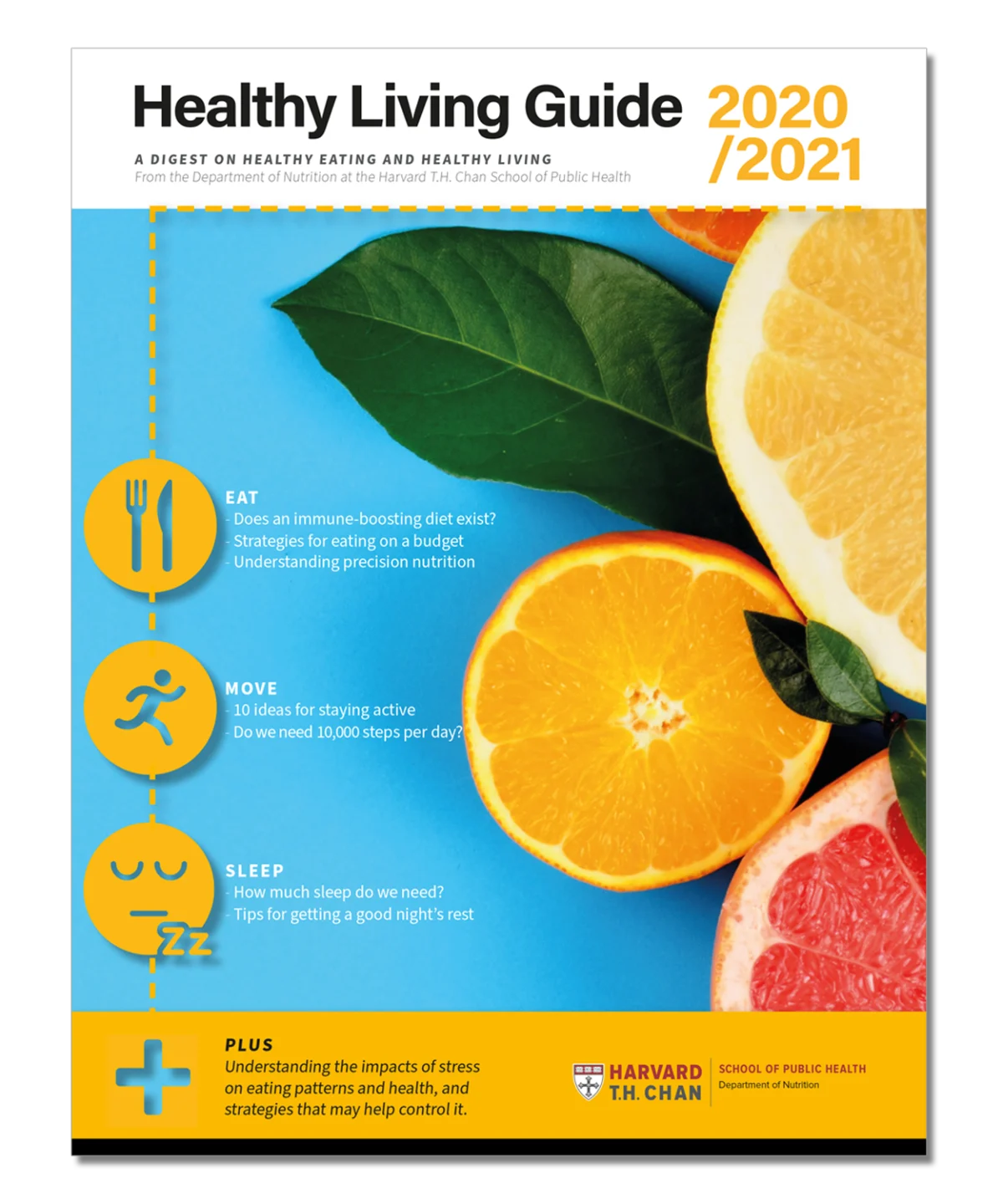
In light of these complex and evolving circumstances, the guiding philosophy behind the "Healthy Living Guide" remains more relevant than ever. The initiative aims to equip individuals with the knowledge and tools to incorporate healthy behaviors into their daily lives, regardless of external challenges. This year’s edition, building on the foundation of previous publications, revisits the fundamental pillars of well-being: eating well, being active, and getting sufficient sleep.
The guide is designed to provide practical insights and actionable advice, drawing upon selected research highlights and offering a closer examination of popular nutrition and lifestyle topics. The intention is to offer a valuable resource that supports individuals in their pursuit of a healthy and fulfilling life throughout 2022 and beyond.
Key Features and Resources
The "Healthy Living Guide" is presented as a downloadable PDF, offering printable tip sheets and concise summaries of key information. For those seeking deeper dives into specific topics, the guide also provides links to a wealth of full online articles. This multi-faceted approach caters to diverse learning preferences and ensures that users can access the information most relevant to their needs.
While the specific details of the "Key Features this issue" section were not fully elaborated in the provided text, the overarching themes are clear: a commitment to providing evidence-based guidance on healthy eating, physical activity, and sleep. These three interconnected components are widely recognized by public health organizations as critical determinants of long-term health and disease prevention.
Engaging with Knowledge: A Healthy Living Quiz
To further engage readers and reinforce learning, the "Healthy Living Guide" incorporates an interactive element: a quiz designed to test knowledge on healthy living principles. The article playfully suggests that answers can be found within the previous year’s edition of the guide, encouraging users to revisit past content and solidify their understanding. This gamified approach not only makes learning more enjoyable but also promotes a deeper engagement with the material. Access to the full 2020-2021 edition is provided for those who may not have explored it previously, ensuring continuity and comprehensive access to information.
Background and Chronology of the "Healthy Living Guide"
The "Healthy Living Guide" is an annual publication, indicating a consistent effort to provide updated and relevant health information to the public. The current edition, released in early 2022, reflects on the experiences and behavioral shifts observed throughout 2021.
- 2020: The onset of the COVID-19 pandemic led to unprecedented lifestyle changes. Lockdowns, social distancing measures, and increased uncertainty significantly impacted daily routines, including dietary habits, physical activity levels, and sleep patterns. Surveys from this period indicated a rise in home cooking, increased snacking, and a general increase in eating.
- 2021: This year represented a period of adjustment and adaptation to a "new normal." While some pandemic-related behaviors began to recede, new challenges and persistent issues like food insecurity and the ongoing global health crisis remained prominent. Consumer surveys from this year showed a decrease in behaviors like excessive snacking and general overeating, alongside a decline in home cooking. The emergence of new COVID-19 variants underscored the continuing need for global health interventions.
- 2022: The release of the latest "Healthy Living Guide" in early 2022 signifies a continued commitment to providing accessible and actionable health information. This edition focuses on revisiting core healthy living principles – nutrition, activity, and sleep – in the context of the ongoing pandemic and the evolving consumer landscape. It aims to empower individuals to make informed choices for their well-being.
Data-Driven Insights and Analysis of Implications
The reliance on data from sources like the IFIC Foundation’s Food & Health Survey is crucial for understanding the nuances of consumer behavior. The reported decline in snacking and overall eating, while potentially positive for some, is juxtaposed with the decrease in home cooking.
- Implication 1: Potential for Increased Reliance on Processed Foods: The decline in home cooking could lead to a greater reliance on pre-packaged meals, fast food, and restaurant dining, which are often higher in sodium, unhealthy fats, and added sugars, and lower in essential nutrients and fiber. This could contribute to an increase in diet-related chronic diseases in the long term.
- Implication 2: The Importance of Education on Healthy Convenience: As life becomes busier and potentially less focused on elaborate home cooking, there is a growing need to educate consumers on making healthier choices when opting for convenience. This could include guidance on reading nutrition labels, selecting nutrient-dense pre-made options, and understanding portion control in restaurant settings.
- Implication 3: Addressing Food Security Disparities: The mention of significant disparities in food security highlights a systemic issue that requires broader societal and policy interventions. Access to affordable, nutritious food is a fundamental determinant of health, and addressing these disparities is crucial for promoting health equity. This could involve supporting food assistance programs, promoting urban agriculture, and advocating for policies that ensure fair wages and economic stability.
- Implication 4: The Global Imperative of Vaccination: The emphasis on global vaccination highlights the interconnectedness of public health. Unequal access to vaccines not only prolongs the pandemic but also creates opportunities for new variants to emerge, potentially undermining progress made in vaccination campaigns worldwide. International cooperation and equitable distribution of vaccines are essential for global health security.
Official Responses and Public Health Messaging
While no direct "official responses" from specific governmental or public health bodies are detailed in the provided text, the publication of the "Healthy Living Guide" itself represents a form of public health messaging. It is a proactive initiative from an esteemed institution (implied to be Harvard’s Nutrition Source, given the URL) to disseminate evidence-based health information.
The consistent release of such guides year after year, especially during a period of significant public health challenges, indicates a commitment to public education and empowerment. The underlying message from such publications is a call to action for individuals to take ownership of their health by adopting and maintaining healthy lifestyle habits. The emphasis on core principles like diet, exercise, and sleep reflects established public health recommendations for disease prevention and well-being.
Broader Impact and Future Outlook
The "Healthy Living Guide" serves as a valuable resource in navigating the complexities of modern life, particularly in the context of ongoing global health concerns. By revisiting and reinforcing fundamental principles of healthy eating and living, it aims to equip individuals with the knowledge to make informed decisions that promote long-term health and resilience.
The trends observed in 2021, such as the decrease in home cooking, underscore the need for ongoing public health efforts to promote healthy eating habits in various contexts, not just within the confines of one’s home. Furthermore, the persistent issues of food insecurity and global health equity demand continued attention and collaborative solutions.
As society continues to adapt, the principles outlined in the "Healthy Living Guide" will remain essential. The ongoing evolution of consumer behaviors, coupled with the persistent challenges of public health, necessitates a dynamic and adaptable approach to health education and promotion. The guide’s approach of providing both concise summaries and links to in-depth resources ensures its continued relevance and utility for a wide audience. The inclusion of interactive elements like quizzes further enhances engagement, fostering a culture of continuous learning and proactive health management. Ultimately, the success of such initiatives lies in their ability to translate scientific knowledge into practical, actionable advice that empowers individuals to lead healthier and more fulfilling lives.
