

Polycystic Ovary Syndrome (PCOS) remains one of the most prevalent endocrine disorders, affecting between 8% and 13% of women of reproductive age globally. Characterized by hormonal imbalances, irregular menstrual cycles, and the presence of small cysts on the ovaries, the condition is increasingly recognized not merely as a reproductive issue but as a complex metabolic syndrome. Recent clinical inquiries and nutritional studies have highlighted the Mediterranean diet—a traditional eating pattern originating from the olive-growing regions of the Mediterranean basin—as a potent non-pharmacological intervention for managing the diverse symptoms of PCOS. While direct research specifically linking the Mediterranean diet to PCOS has historically been limited, a growing body of evidence suggests that its anti-inflammatory and insulin-sensitizing properties offer significant therapeutic potential for those navigating the condition.
Understanding the Mediterranean Dietary Framework
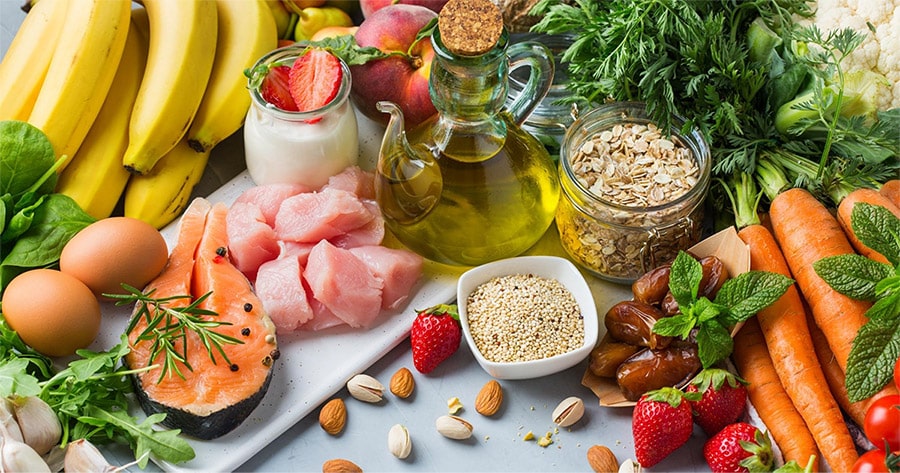
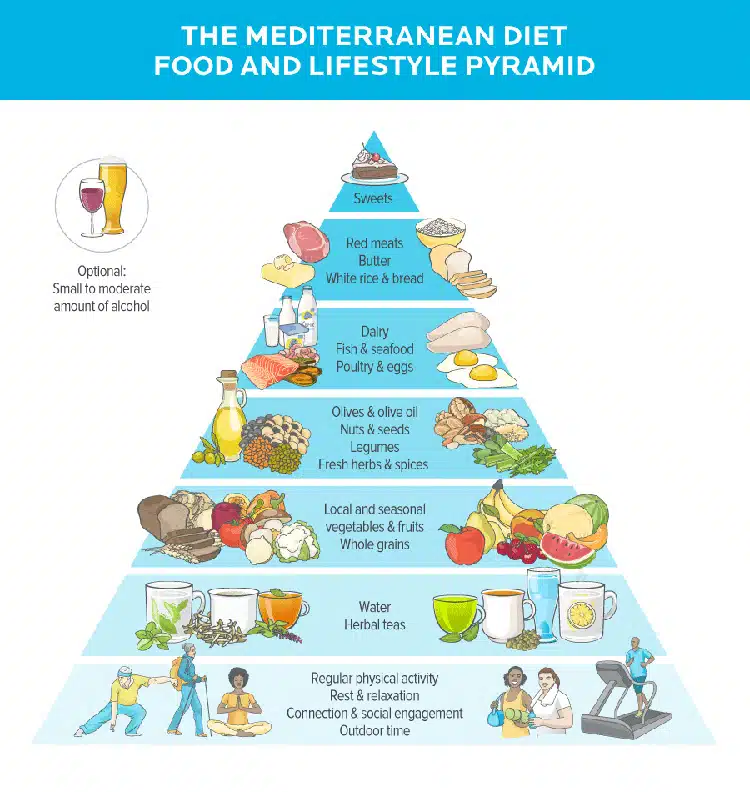
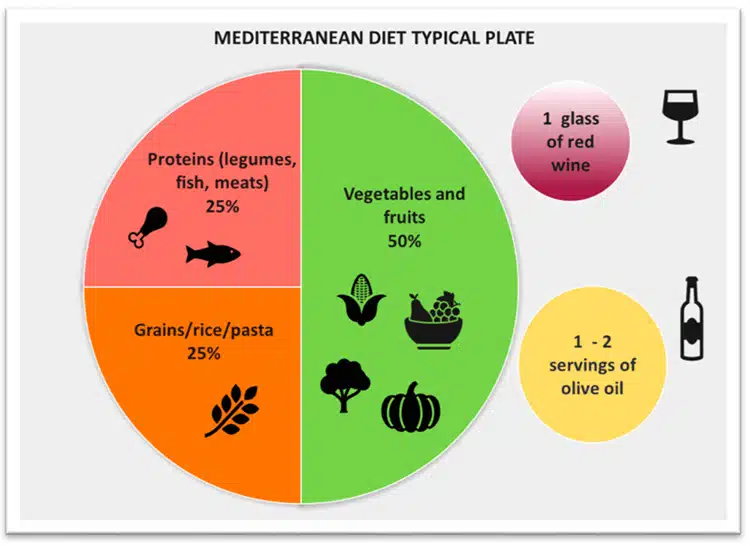
The Mediterranean diet is defined by its high consumption of plant-based foods, including fruits, vegetables, legumes, whole grains, nuts, and seeds. Central to this dietary model is the use of extra virgin olive oil as the primary source of fat, replacing saturated and trans fats found in processed foods. Protein intake is predominantly derived from fatty fish and poultry, with moderate consumption of dairy products such as yogurt and cheese, and a minimal intake of red meat and refined sugars. Unlike many restrictive dietary regimes, the Mediterranean model is characterized by its nutrient density and high fiber content, which contributes to its reputation as one of the most sustainable and health-promoting eating patterns in modern dietetics.
In the context of PCOS, this diet serves as a direct counterpoint to the "Western Diet," which is typically high in refined carbohydrates, processed meats, and inflammatory fats. By focusing on low-glycemic index (GI) carbohydrates and monounsaturated fatty acids (MUFAs), the Mediterranean diet addresses the core metabolic disturbances associated with PCOS, including systemic inflammation and hyperinsulinemia.
Chronology of Nutritional Science in PCOS Management
The evolution of dietary recommendations for PCOS has shifted significantly over the last three decades. In the 1990s and early 2000s, clinical focus was primarily centered on weight loss through caloric restriction, often without regard for the macronutrient composition of the diet. However, as the link between PCOS and insulin resistance became more apparent, researchers began investigating the impact of specific dietary patterns.
By 2010, the medical community began to recognize the role of chronic low-grade inflammation in the pathogenesis of PCOS. This led to a surge in studies evaluating anti-inflammatory diets, with the Mediterranean diet emerging as a primary candidate for study due to its proven success in cardiovascular and diabetic research. In 2018, a pivotal study published in The Obstetrician and Gynaecologist emphasized that metabolic syndrome affects approximately 33% of women with PCOS, further cementing the need for heart-healthy dietary interventions. Most recently, research in 2019 and 2020 has delved into the gut-brain axis and the microbiome, revealing that the high fiber and antioxidant content of Mediterranean foods can significantly alter gut flora to favor metabolic health.
Mitigating Systemic Inflammation and Insulin Resistance
A critical component of PCOS is chronic low-grade inflammation, which acts as a catalyst for other symptoms, including weight gain and skin issues. Research indicates that the Mediterranean diet can effectively reduce systemic inflammation by lowering markers such as C-reactive protein (CRP). This reduction is vital because a decrease in inflammation directly correlates with improved insulin sensitivity.
Data suggests that 50% to 70% of women with PCOS suffer from insulin resistance, a condition where the body’s cells do not respond effectively to insulin, leading to elevated blood glucose levels. This metabolic dysfunction is a primary driver of weight gain and increases the long-term risk of type 2 diabetes and cardiovascular disease. Clinical reviews have shown that adherence to a Mediterranean-style diet helps control blood glucose and lowers fasting insulin levels. By increasing insulin sensitivity, the diet performs a function similar to common PCOS medications like Metformin or supplements such as Inositol, aiding in the stabilization of energy levels and the reduction of metabolic stress.
Hormonal Regulation and Testosterone Reduction
Hyperandrogenism, or elevated levels of male hormones such as testosterone, is a hallmark of PCOS responsible for symptoms such as cystic acne, hirsutism (excessive hair growth), and androgenic alopecia (hair thinning). The Mediterranean diet is rich in Omega-3 fatty acids, primarily through the consumption of fish and nuts. Empirical evidence has demonstrated that Omega-3 supplementation and dietary intake help to lower testosterone levels in women with PCOS.
A study published in Nutrients (2019) found that women with PCOS who did not adhere to Mediterranean dietary principles tended to have higher levels of circulating testosterone and a higher Body Mass Index (BMI). By stabilizing insulin levels, the diet indirectly reduces the stimulus for the ovaries to produce excess androgens. This hormonal recalibration is essential for clearing skin conditions and regulating the physical manifestations of the syndrome.
Enhancing Reproductive Efficacy and Fertility Outcomes
PCOS is a leading cause of ovulatory infertility. The impact of the Mediterranean diet on reproductive health is perhaps its most compelling benefit. According to research published in Human Reproduction, women who strictly adhere to a Mediterranean-style diet have a 65% to 68% higher likelihood of achieving a successful pregnancy and live birth compared to those with low adherence.
The high intake of antioxidants from fresh produce and healthy fats from olive oil supports oocyte (egg) quality and reduces oxidative stress within the reproductive system. Furthermore, the benefits extend to male fertility; studies suggest that the diet improves semen quality, making it a recommended lifestyle choice for couples attempting to conceive. For women undergoing assisted reproductive technologies such as IVF, the nutritional foundation provided by this diet has been linked to higher success rates among non-obese patients.
Addressing the Gut Microbiome and Hepatic Health
Emerging science has identified a link between PCOS and a less diverse gut microbiome. A lack of microbial diversity is associated with increased intestinal permeability and metabolic endotoxemia, which can exacerbate PCOS symptoms. The Mediterranean diet, rich in diverse plant fibers and polyphenols, acts as a prebiotic, fostering a healthy and varied gut environment. This improvement in gut health is linked to better weight management and reduced cravings, which are common challenges for those with the syndrome.
Additionally, women with PCOS are at a significantly higher risk for Non-Alcoholic Fatty Liver Disease (NAFLD). This condition involves the accumulation of excess fat in the liver, independent of alcohol consumption. Longitudinal studies have found that following a Mediterranean diet for 12 months can improve liver fat levels and insulin sensitivity, even in the absence of significant weight loss. This suggests that the quality of the nutrients—specifically the high ratio of unsaturated to saturated fats—plays a protective role in hepatic function.
Comparative Analysis: Mediterranean vs. Western Dietary Patterns
The Western diet is often characterized by convenience and high caloric density but low nutritional value. It relies heavily on refined grains (white bread, pasta), trans fats, and added sugars, all of which trigger insulin spikes and inflammatory responses. In contrast, the Mediterranean lifestyle emphasizes whole, unprocessed foods and a different approach to consumption.
| Feature | Mediterranean Diet | Western Diet |
|---|---|---|
| Primary Fat | Extra Virgin Olive Oil (MUFAs) | Butter, Lard, Trans Fats |
| Carbohydrate Source | Whole Grains, Legumes, Fruits | Refined Sugars, White Flour |
| Protein Source | Fish, Legumes, Lean Poultry | Red Meat, Processed Deli Meats |
| Fiber Content | High (25-35g+ per day) | Low (typically <15g per day) |
| Antioxidants | Very High (Polyphenols, Vit C/E) | Low |
Beyond the food itself, the Mediterranean "lifestyle" includes sociocultural elements that aid in metabolic regulation. This includes eating slowly, which improves satiety signaling and digestion, and prioritizing locally produced, seasonal foods. These habits help mitigate the "food noise" and hunger struggles often reported by women with PCOS due to leptin and ghrelin imbalances.
Clinical Perspectives and Broader Health Implications
Medical professionals and dietitians increasingly view the Mediterranean diet as a baseline for PCOS management due to its lack of extreme restriction. Unlike ketogenic or very low-carb diets, which may be difficult to maintain long-term and can sometimes increase cortisol levels in women, the Mediterranean diet offers a balanced approach that supports thyroid health and adrenal function.
The broader implications of adopting this diet extend beyond symptom management. Given that women with PCOS are at a higher risk for breast cancer, cardiovascular disease, and stroke, the Mediterranean diet serves as a preventative measure. Research in Healthcare (2019) indicated that this dietary pattern might assist in the prevention and treatment of certain cancers through its high antioxidant and fiber profile.
Conclusion and Future Directions
The Mediterranean diet represents a robust, evidence-based strategy for addressing the multi-faceted challenges of Polycystic Ovary Syndrome. By targeting the underlying mechanisms of inflammation, insulin resistance, and hormonal imbalance, it provides a comprehensive framework for improving both reproductive and metabolic health. While the current body of research is promising, clinical experts call for more large-scale, PCOS-specific longitudinal studies to further refine dietary guidelines. For the millions of women worldwide living with PCOS, transitioning from a processed Western diet to a Mediterranean model offers a sustainable path toward symptom relief, improved fertility, and long-term wellness. Success in this transition, experts suggest, lies not in rapid, drastic changes, but in the gradual adoption of whole foods, healthy fats, and a mindful approach to eating that mirrors the traditional habits of the Mediterranean region.
