

US biotech startup Jellatech has signed a landmark deal with South Korea’s Hugel, a prominent player in the medical aesthetics industry, to co-develop and commercialize Jellatech’s cutting-edge cell-based human collagen. This strategic collaboration aims to accelerate the advancement and market introduction of next-generation collagen products for medical aesthetics and cosmetic applications, signaling a significant milestone for Jellatech and a promising step forward for the sustainable production of bioidentical human collagen.
The agreement grants Hugel exclusive global rights to Jellatech’s proprietary collagen for select aesthetic applications, establishing a collaborative development framework designed to foster innovation in the rapidly evolving medical aesthetics landscape. The initial focus will be on pioneering novel skin-boosting and aesthetic treatments, with a clear vision for future expansion into regenerative medicine and therapeutics. This partnership represents Jellatech’s first major commercial validation, underscoring the immense potential of its cell-cultured collagen technology.
"We are incredibly excited to continue building, scaling, and expanding our platform into broader applications and markets," stated Jellatech CEO Stephanie Michelsen. "This partnership with Hugel is a major inflexion point for Jellatech and a profound validation of our technology platform. Hugel’s global leadership in aesthetics, combined with our human collagen platform, creates an exciting opportunity to develop truly next-generation products for patients worldwide."
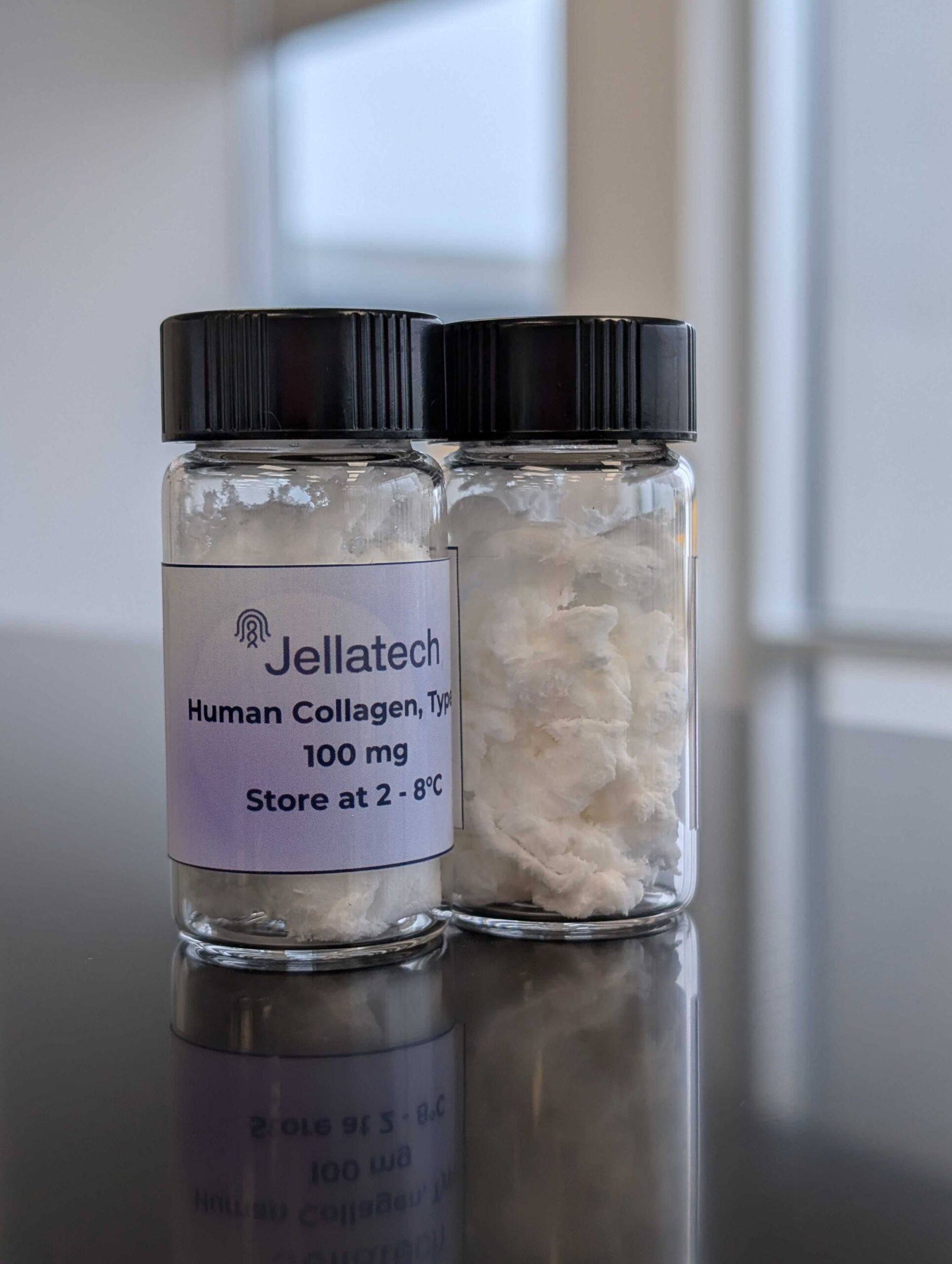
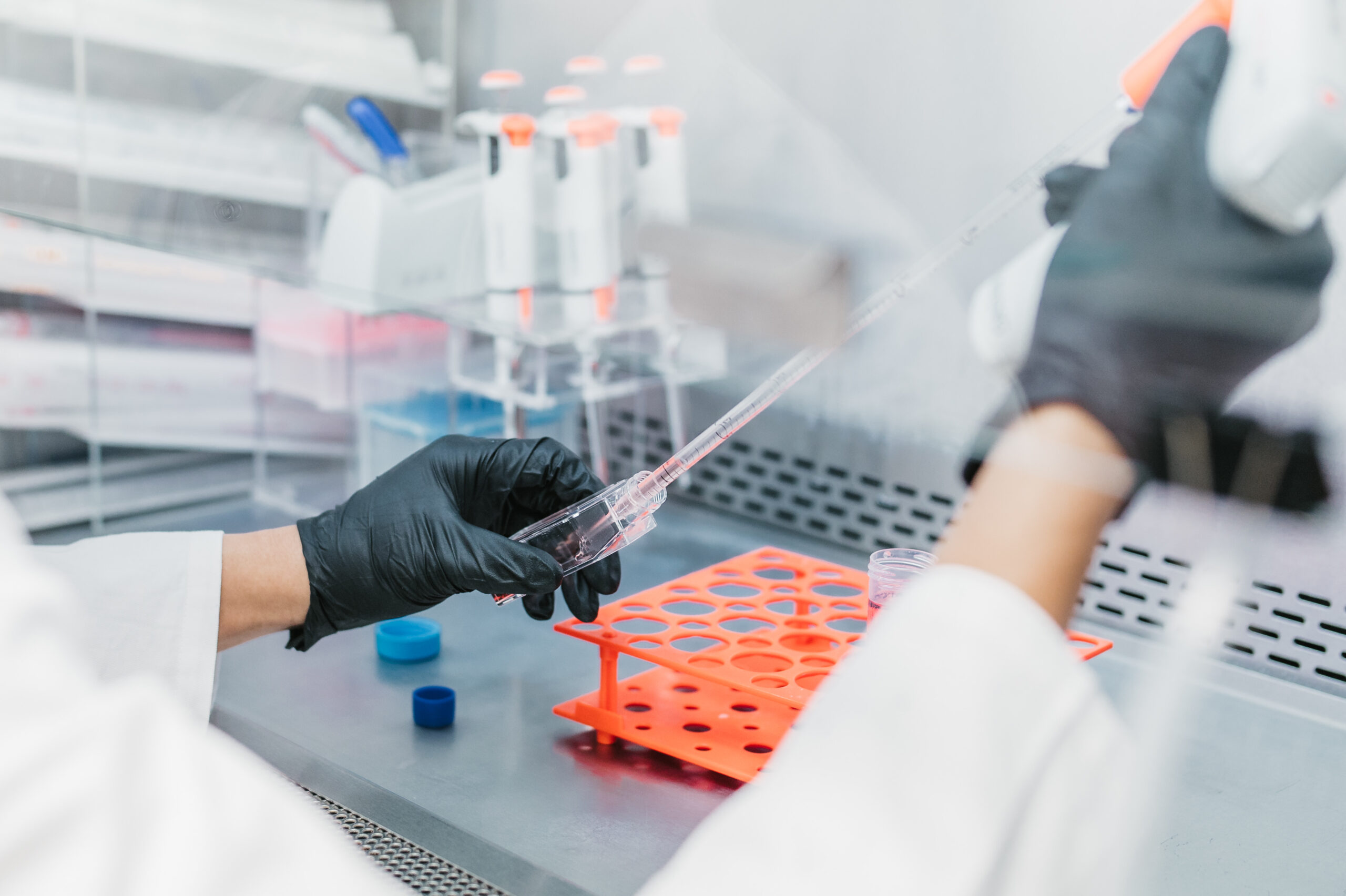
Jellatech’s innovative approach centers on producing recombinant human collagen using a proprietary cell culture platform. Unlike traditional methods that rely on animal sources, Jellatech’s technology utilizes a small, one-time 3mm skin biopsy from a human donor to initiate cell lines. These cells are then carefully sorted to identify those with the highest growth and yield potential. After approximately three weeks of cultivation in bioreactors, the collagen is harvested and purified to an exceptionally high standard, exceeding 95% purity through proprietary techniques. This process allows for the scalable manufacturing of collagen that is bioidentical to native human collagen in both structure and function, eliminating the need for animal-derived materials, peptides, or less sophisticated recombinant production methods.

The Science Behind Bioidentical Human Collagen
Jellatech’s current product portfolio showcases two distinct types of human collagen, each offering unique benefits for aesthetic and therapeutic applications. The company has meticulously developed technologies to produce both Type I atelocollagen and Type I telocollagen, both derived from human cells cultured in a laboratory setting.
Type I atelocollagen is a highly purified, full-length, triple-helical collagen that is structurally and functionally identical to collagen found in human tissues. A key feature of this product is the removal of telopeptide regions. This modification significantly enhances biocompatibility and reduces the potential for immunogenic responses, making it an ideal candidate for a wide range of medical and cosmetic applications where minimal adverse reactions are paramount. The purified form of atelocollagen also ensures consistent cell attachment, facilitates controlled fibrillar gelation, and supports precise matrix remodeling, crucial for effective tissue engineering and regenerative therapies.
Complementing the atelocollagen is Jellatech’s Type I telocollagen. In this form, the telopeptide regions remain intact. This preservation of the native structure provides exceptional biomimicry, closely replicating the mechanical properties and biological signaling of naturally occurring collagen. The intact telopeptides are vital for superior fibrillogenesis, the process by which collagen molecules assemble into fibrils. This enhanced fibril formation leads to superior tissue integration, promoting natural cell adhesion and providing long-term structural support. The distinct advantages of each collagen type allow for tailored applications, addressing specific needs related to immunogenicity, mechanical requirements, and intricate tissue interactions within the human body.
Overcoming Industry Bottlenecks with Cell Culture Technology
The global collagen market is substantial, valued at an estimated $12.7 billion and projected to grow at an impressive annual rate of 11% until 2033. However, the conventional collagen industry faces significant challenges that Jellatech’s cell-based technology is poised to address. Traditional collagen extraction from animal sources, primarily cattle, pigs, and fish, raises several concerns. These include potential biological incompatibilities, scalability issues, and the inherent difficulty in replicating the complex native structure and precise functionality of human collagen.
Furthermore, the environmental impact of animal agriculture for collagen production is a growing concern. Tens of thousands of cattle raised for collagen are linked to deforestation, particularly in critical ecosystems like the Amazon rainforest. This deforestation contributes significantly to climate change and biodiversity loss. The sourcing of animal collagen also carries risks of transmitting zoonotic diseases and potential contamination.
The scientific community also holds a nuanced view on the benefits of collagen supplementation. While many claim improvements in hair, skin, nails, and joint health, some research institutions, like the Harvard School of Public Health, caution consumers. They highlight that a significant portion of existing research has been funded by industry stakeholders, potentially introducing bias. While studies suggest benefits from consuming collagen-building foods rich in essential nutrients like vitamin C, zinc, copper, silicon, lysine, and proline, the direct efficacy of collagen supplements themselves remains a subject of ongoing scientific inquiry and debate.
Jellatech’s cell-based human collagen offers a compelling solution to these multifaceted challenges. By utilizing human cells cultured in a controlled laboratory environment, the company can produce collagen that is not only bioidentical but also ethically sourced and environmentally sustainable. This approach bypasses the ethical and environmental drawbacks associated with animal-derived collagen and provides a consistent, high-purity product that can be manufactured at scale.
Carrie Strom, President and Global CEO of Hugel, expressed enthusiasm for the partnership, stating, "Through our partnership with Jellatech, we are gaining access to an innovative, differentiated collagen technology platform that has the potential to deliver truly regenerative solutions that our aesthetics customers and consumers desire." Hugel, a recognized leader in medical aesthetics with a robust portfolio of botulinum toxin products, dermal fillers, and cosmetics, is actively enhancing its next-generation skin-boosting platform through strategic business development and investments in pioneering technologies.
A New Era for Medical Aesthetics and Regenerative Medicine
The collaboration between Jellatech and Hugel is strategically positioned to redefine the landscape of medical aesthetics. Hugel’s extensive market reach and established reputation provide an ideal platform for Jellatech’s advanced collagen products to gain traction. The focus on next-generation injectables and cosmetic products signifies a move towards more sophisticated and effective treatments for skin rejuvenation and enhancement.
Beyond aesthetics, the potential applications of Jellatech’s bioidentical human collagen extend into the realm of regenerative medicine and therapeutics. The ability to produce pure, human-derived collagen with precisely controlled properties opens doors for innovative wound healing applications, tissue repair, and the development of advanced biomaterials for medical implants and devices. The inherent biocompatibility and low immunogenicity of Jellatech’s collagen make it a promising candidate for treatments requiring seamless integration with human tissues.
Jellatech has already demonstrated significant progress in its funding endeavors, having raised over $5.5 million to date, which has been instrumental in scaling its animal-free protein production capabilities. This successful seed funding demonstrates investor confidence in the company’s vision and technological prowess.
The field of cell-based and biomimetic collagen production is experiencing a surge of innovation, with several other companies making significant strides. Geltor, a French company, employs precision fermentation to produce biomimetic human type XXI collagen. In the beauty industry, giants like L’Oréal have introduced skincare products featuring amino acid sequences identical to type III collagen found in human skin, acknowledging the importance of human-homologous ingredients. Furthermore, Singapore-based Avant has unveiled a regenerative peptide complex designed to stimulate skin cells to enhance the extracellular matrix and boost the production of collagen, integrin, and fibrinogen, highlighting a growing trend towards leveraging cellular mechanisms for skin health.
Looking Ahead: The Future of Collagen Production
The partnership between Jellatech and Hugel is more than just a commercial agreement; it represents a significant leap towards a future where high-quality, ethically produced, and highly functional collagen is readily available for a wide array of applications. By combining Jellatech’s groundbreaking cell-cultured human collagen technology with Hugel’s global market expertise and leadership in medical aesthetics, this collaboration is poised to deliver truly innovative solutions that address unmet needs in both the cosmetic and therapeutic sectors. As the demand for sustainable and effective biomaterials continues to grow, Jellatech’s approach promises to set a new standard for the collagen industry, moving away from traditional, environmentally impactful methods towards a more advanced and human-centric future. The implications of this partnership are far-reaching, potentially influencing not only the aesthetics market but also paving the way for advancements in regenerative medicine and beyond, offering a glimpse into the transformative power of biotechnology.
