

Polycystic Ovary Syndrome (PCOS) remains the most prevalent endocrine disorder among women of reproductive age globally, affecting an estimated 8% to 13% of the female population. As a complex multisystem condition, PCOS is characterized by a combination of hyperandrogenism, ovulatory dysfunction, and polycystic ovarian morphology. However, beneath these diagnostic markers lies a critical metabolic driver: insulin resistance. Clinical data indicates that up to 75% of women diagnosed with PCOS exhibit some degree of insulin resistance, regardless of their Body Mass Index (BMI). This metabolic impairment has led the medical community to focus heavily on insulin sensitizers—specifically the pharmaceutical agent Metformin and the nutraceutical supplement Inositol—as primary tools for symptom management and long-term health preservation.
The debate between the use of Metformin and Inositol has intensified in recent years as more clinical trials emerge comparing their efficacy, safety profiles, and patient adherence rates. While Metformin has long been the conventional "off-label" choice for PCOS-related metabolic issues, Inositol, particularly in its Myo-inositol form, has gained significant traction as a viable, often better-tolerated alternative.

The Pathophysiology of Insulin in PCOS
To understand the utility of these two substances, one must first examine the role of insulin in the female reproductive system. Insulin is a hormone produced by the pancreas that facilitates the uptake of glucose into cells for energy. In women with PCOS, the body’s cells often become less responsive to insulin, a state known as insulin resistance. In response, the pancreas compensates by producing excess insulin (hyperinsulinemia).
This surplus of insulin acts as a co-gonadotropin, stimulating the ovarian theca cells to produce excessive amounts of testosterone. Furthermore, high insulin levels suppress the production of Sex Hormone-Binding Globulin (SHBG) in the liver, leading to higher levels of free, active androgens in the bloodstream. This hormonal imbalance manifests as the classic symptoms of PCOS: irregular menstrual cycles, hirsutism (excess hair growth), acne, and male-pattern hair loss. Consequently, improving insulin sensitivity is not merely a metabolic goal but a reproductive necessity for many patients.
Metformin: The Pharmaceutical Foundation
Metformin, a biguanide class medication, was originally derived from the French lilac plant and has been the frontline treatment for Type 2 diabetes for decades. Its application in PCOS management, though technically off-label in many jurisdictions, is supported by extensive clinical literature.

Mechanism of Action
Metformin addresses hyperinsulinemia through three primary pathways. First, it inhibits hepatic gluconeogenesis, reducing the amount of glucose produced by the liver. Second, it decreases the intestinal absorption of glucose from the diet. Third, and perhaps most importantly for PCOS patients, it increases peripheral insulin sensitivity by enhancing glucose uptake and utilization by skeletal muscle.
Clinical Benefits and Data
Research, including a landmark study published in the Journal of Clinical Endocrinology & Metabolism, suggests that Metformin significantly improves ovulation rates and reduces androgen levels in women with PCOS. By lowering circulating insulin, Metformin helps restore the hormonal environment necessary for follicular development. Furthermore, some studies indicate a modest benefit in weight management, although its efficacy as a primary weight-loss drug remains inconsistent across diverse patient populations.
Inositol: The Nutraceutical Challenger
Inositol is a carbocyclic sugar found naturally in various foods, including citrus fruits, beans, grains, and nuts. In the human body, it serves as a structural component of secondary messengers in cell signaling. For women with PCOS, two isomers are of particular interest: Myo-inositol (MI) and D-chiro-inositol (DCI).

The Signaling Mechanism
Inositol acts as a "second messenger" in the insulin signaling pathway. When insulin binds to its receptor on a cell wall, it triggers the release of inositol phosphoglycans, which then signal the cell to activate glucose transporters. In many women with PCOS, there appears to be a defect in this signaling process—essentially a "broken link" between the insulin receptor and the internal cell response. Supplementing with Inositol helps bypass or repair this link, allowing the cell to process insulin more efficiently.
Comparative Efficacy
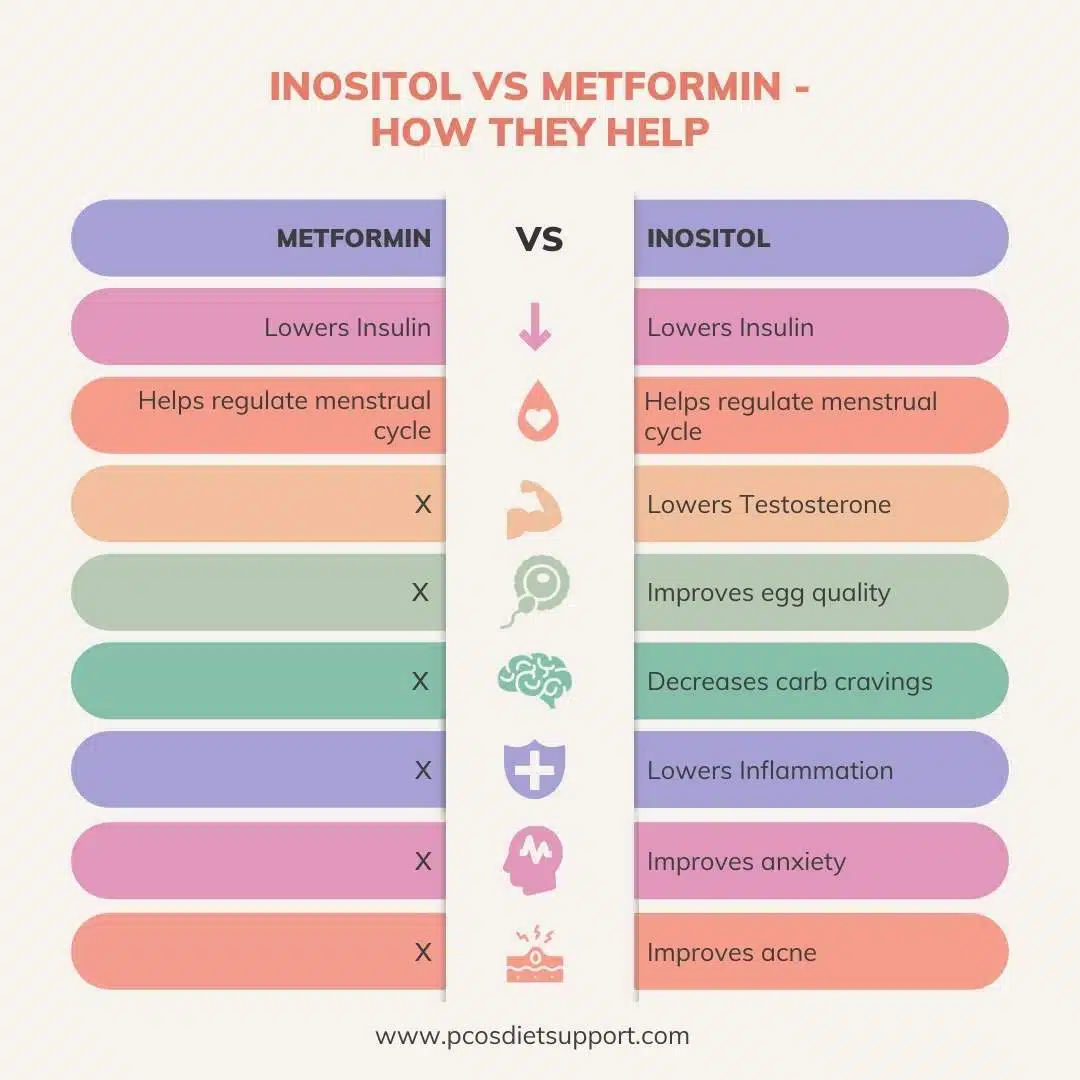
A 2021 systematic review and meta-analysis published in the European Review for Medical and Pharmacological Sciences compared the effects of Myo-inositol and Metformin on ovarian function. The findings were significant: Myo-inositol was found to be as effective as Metformin in improving insulin resistance, reducing androgen levels, and restoring regular ovulation. Notably, Inositol has also shown promise in improving oocyte (egg) quality, which is a critical factor for women undergoing assisted reproductive technologies like IVF.
Side-by-Side Comparison: Clinical Outcomes and Tolerability
The choice between Metformin and Inositol often hinges on the balance between therapeutic power and the patient’s ability to tolerate the treatment.

Metabolic and Reproductive Impacts
Both substances demonstrate a high degree of success in lowering the Homeostatic Model Assessment for Insulin Resistance (HOMA-IR) scores. In terms of reproductive outcomes, Metformin and Inositol show similar rates of restoring menstrual regularity. However, Inositol has demonstrated a slight edge in some trials regarding the reduction of follicular stimulating hormone (FSH) and luteinizing hormone (LH) ratios, which are often skewed in PCOS patients.
The Challenge of Side Effects
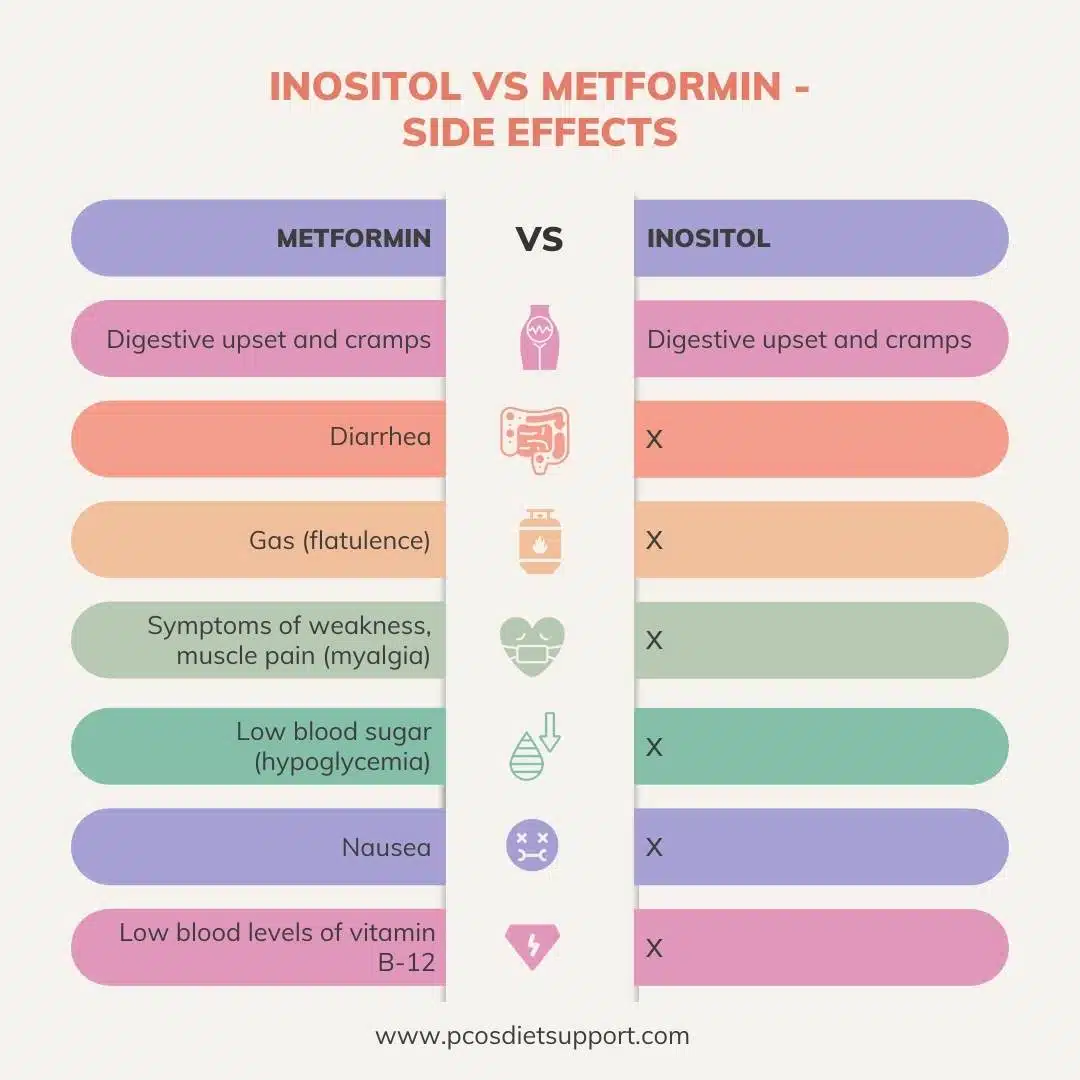
The most significant divergence between the two treatments lies in their side-effect profiles. Metformin is notorious for causing gastrointestinal distress, including nausea, diarrhea, abdominal cramping, and bloating. These symptoms are often severe enough to lead to high patient discontinuation rates. Furthermore, long-term Metformin use has been linked to Vitamin B12 deficiency, necessitating regular monitoring and supplementation. In rare cases, it carries a risk of lactic acidosis, particularly in patients with renal impairment.
Conversely, Inositol is remarkably well-tolerated. Because it is a substance naturally occurring in the human diet and body, the side effects are minimal. Some patients report mild digestive upset or headaches at very high doses, but these are generally resolved by adjusting the dosage or taking the supplement with meals.

Integration and Dual-Therapy Considerations
In clinical practice, the question is not always "either/or" but sometimes "both." Some endocrinologists and fertility specialists explore the combination of Metformin and Inositol for patients who do not respond sufficiently to monotherapy.
Synergistic Potential
Because Metformin and Inositol work on slightly different aspects of the insulin signaling pathway—Metformin primarily on the liver and muscle glucose uptake, and Inositol on the cellular second messenger system—they can theoretically provide a synergistic effect. However, healthcare providers caution that combining two insulin sensitizers increases the risk of hypoglycemia (low blood sugar). Patients embarking on dual therapy require close medical supervision and frequent monitoring of blood glucose levels.
The Role of Specific Formulations
In the nutraceutical market, products like Ovasitol have gained popularity. These products typically utilize a 40:1 ratio of Myo-inositol to D-chiro-inositol, mimicking the natural ratio found in human plasma. While the original source material notes that there is no definitive research proving these specific ratios are superior to Metformin, many clinical practitioners prefer this standardized ratio for its targeted impact on both systemic insulin sensitivity and ovarian-specific signaling.
Broader Implications and Future Directions
The evolving landscape of PCOS treatment reflects a broader shift in modern medicine toward personalized, patient-centric care. The recognition of Inositol as a peer to Metformin represents a significant milestone in the validation of evidence-based nutraceuticals.
Economic and Psychological Impact
PCOS is associated with high rates of anxiety and depression, often exacerbated by the physical symptoms of the disorder and the frustration of managing medication side effects. The availability of a highly effective, low-side-effect option like Inositol can improve the quality of life for patients who have previously struggled with pharmaceutical intolerance. Economically, while Metformin is an inexpensive generic drug, the potential reduction in long-term health complications—such as Type 2 diabetes and cardiovascular disease—offered by consistent Inositol use represents a substantial public health benefit.
The Necessity of Lifestyle Foundations
Regardless of the choice between Metformin and Inositol, clinical guidelines from organizations such as the International PCOS Network emphasize that pharmacological or nutraceutical intervention should never replace lifestyle modifications. Diet and exercise remain the cornerstone of PCOS management. Insulin sensitizers are most effective when used as adjuncts to a low-glycemic load diet and regular physical activity, which naturally enhance the body’s metabolic flexibility.
Conclusion
The comparison between Metformin and Inositol reveals two powerful tools with distinct advantages. Metformin remains a robust, well-studied pharmaceutical with a long track record of success, particularly for those with significant metabolic derangement. However, Inositol has emerged as a formidable alternative that offers comparable clinical results with a vastly superior safety and tolerability profile.
As research continues to unfold, the medical community is moving toward a more nuanced application of these treatments, often tailoring the choice to the individual patient’s metabolic profile, reproductive goals, and sensitivity to side effects. For many women living with PCOS, the transition from struggling with medication side effects to managing symptoms with a well-tolerated supplement represents a significant step forward in their health journey. Future clinical trials focusing on long-term outcomes and direct head-to-head comparisons will be essential in refining the standard of care for this complex and prevalent condition.
