
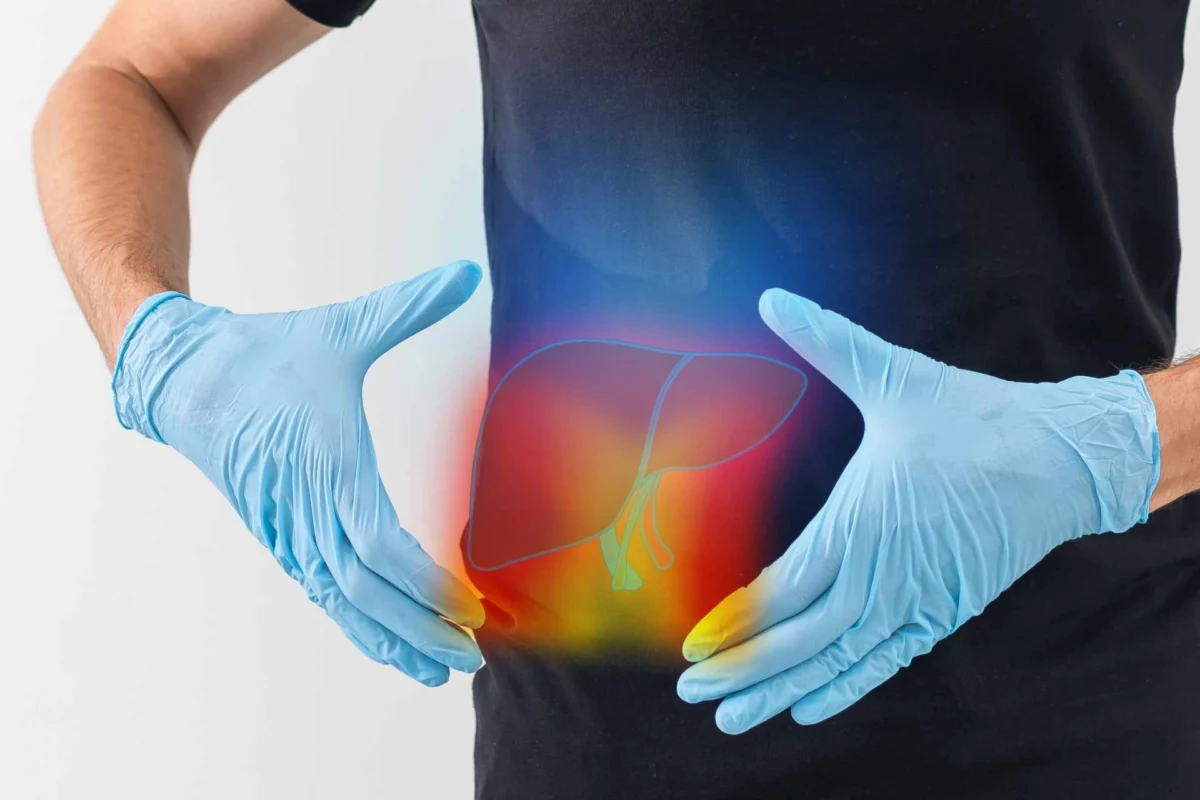
A groundbreaking study published in the journal Cell Metabolism has identified a critical link between dietary sugar intake, gut microbiota, and the progression of severe liver disease. Researchers have discovered that high levels of sugar, particularly fructose, enable specific gut bacteria to produce acetaldehyde—a toxic compound typically associated with alcohol metabolism—which directly accelerates liver scarring and inflammation. This finding provides a new mechanical understanding of how Metabolic Dysfunction-Associated Steatohepatitis (MASH) develops from simpler forms of fatty liver disease and introduces a potential therapeutic breakthrough in the form of an engineered probiotic bacterium, Ligilactobacillus salivarius, which can neutralize the toxin before it reaches the liver.
The research, led by Yajun Tang and a team of investigators at the Shanghai Jiao Tong University School of Medicine, addresses one of the most pressing challenges in modern hepatology: the "silent epidemic" of metabolic liver disease. By combining large-scale human epidemiological data with sophisticated mouse models and microbial engineering, the study clarifies the complex "gut-liver axis" and suggests that managing the microbiome may be just as important as managing caloric intake in the fight against chronic liver failure.
The Global Burden of Metabolic Dysfunction-Associated Steatotic Liver Disease
To understand the significance of this study, it is necessary to examine the broader context of liver health in the 210th century. Metabolic Dysfunction-Associated Steatotic Liver Disease (MASLD)—formerly known as Non-Alcoholic Fatty Liver Disease (NAFLD)—has become the most common chronic liver condition worldwide. Current estimates suggest that approximately one-third of the global population is affected by MASLD, a condition characterized by the excessive accumulation of fat in liver cells.
While MASLD itself is often asymptomatic and can remain stable for decades, a significant subset of patients—approximately 16%—progress to a much more dangerous stage known as MASH. In MASH, the fat accumulation is accompanied by chronic inflammation and cellular damage. This inflammation triggers the formation of fibrous scar tissue, a process known as fibrosis. If left unchecked, fibrosis leads to cirrhosis, a state of permanent liver failure, and significantly increases the risk of developing hepatocellular carcinoma (liver cancer).
The factors that drive the transition from simple MASLD to the aggressive MASH have long remained elusive. While obesity and insulin resistance are known contributors, they do not fully explain why some individuals progress rapidly while others do not. The findings from the Shanghai Jiao Tong University team suggest that the missing link lies in the interaction between a high-sugar diet and the specific composition of the patient’s gut microbiome.
The Epidemiological Link: Sugar as a Catalyst for Liver Damage
The researchers began their investigation by analyzing a massive dataset involving more than 210,000 individuals. This epidemiological phase of the study aimed to quantify the relationship between dietary habits and the incidence of severe liver disease. The data revealed a stark correlation: individuals with a high intake of dietary sugar, particularly fructose, faced a significantly higher risk of developing advanced liver disease.
Fructose is a primary component of high-fructose corn syrup and table sugar, ubiquitous in processed foods and sweetened beverages. Unlike glucose, which can be processed by cells throughout the body, fructose is almost entirely metabolized in the liver. Excessive fructose intake has long been known to drive "de novo lipogenesis," the process by which the liver converts sugar into fat. However, this study suggests that the damage caused by sugar is not merely a result of fat accumulation, but rather a result of chemical transformation within the digestive tract.
To validate these human findings, the researchers conducted experiments on mice. Animals were fed a high-fat diet, but one group was also given high doses of fructose. The results were definitive: the mice receiving both fat and fructose developed liver scarring and cellular damage much more rapidly and severely than those given fat alone. This confirmed that sugar acts as a potent accelerant for the progression of liver disease.
Deciphering the Role of the Gut Microbiome in Disease Progression
A pivotal moment in the research occurred when the team sought to determine if the liver damage was caused directly by the sugar or if an intermediary was involved. By using broad-spectrum antibiotics to deplete the gut bacteria in the mouse models, the researchers observed a dramatic shift: the severe liver damage and scarring largely disappeared, even though the mice were still consuming a high-sugar diet.
This observation led to the conclusion that the gut microbiota is a necessary component for sugar-driven liver disease progression. Through detailed analyses of stool and intestinal samples from both humans and mice, the researchers identified a shift in the bacterial populations as liver disease worsened. In patients with advanced MASH, the microbiome was significantly altered, favoring species that are capable of fermenting sugars into acetaldehyde.
Acetaldehyde is a highly reactive and toxic chemical. It is most commonly known as the primary breakdown product of ethanol (alcohol) and is responsible for many of the toxic effects of alcohol consumption, including hangovers and long-term organ damage. The study’s finding that gut bacteria can produce acetaldehyde from sugar means that individuals with MASH are essentially suffering from "auto-brewery" effects, where their own digestive system produces alcohol-related toxins without the consumption of alcoholic beverages.
The Molecular Mechanism: Acetaldehyde and the MMP7 Pathway
The research team went beyond identifying the toxin; they mapped the specific biological pathway through which acetaldehyde destroys liver tissue. Through a series of molecular experiments, they discovered that high levels of acetaldehyde in the gut travel through the portal vein directly to the liver.
Once in the liver, acetaldehyde activates hepatic stellate cells. In a healthy liver, these cells are dormant and store Vitamin A. However, when activated by toxins like acetaldehyde, they transform into myofibroblast-like cells that pump out excessive amounts of collagen, leading to the formation of scar tissue (fibrosis).
Furthermore, the researchers identified a specific protein called Matrix Metalloproteinase-7 (MMP7) that plays a starring role in this process. Acetaldehyde was found to significantly increase the expression of MMP7 in the liver. This protein acts as a driver for the remodeling of the extracellular matrix, effectively facilitating the rapid spread of fibrosis. When the researchers experimentally blocked the production of MMP7 or used chemical agents to accelerate the breakdown of acetaldehyde, the progression of liver damage was significantly halted.
Engineering a Probiotic Solution: Ligilactobacillus salivarius
Recognizing that the gut microbiome was the source of the problem, the researchers sought a microbiota-based solution. They identified a specific strain of probiotic bacteria, Ligilactobacillus salivarius, which naturally possesses the ability to break down aldehydes.
The team took this a step further by engineering the bacterium to enhance its efficiency in neutralizing acetaldehyde. When this probiotic was administered to mice on a high-fat, high-fructose diet, the results were highly promising. The L. salivarius acted as a "metabolic shield" in the gut, intercepting the acetaldehyde produced by other bacteria and breaking it down before it could enter the bloodstream.
Mice treated with the probiotic showed significantly lower levels of liver inflammation, reduced fat accumulation, and a dramatic decrease in the development of scar tissue compared to the control group. This suggests that instead of trying to eliminate all "bad" bacteria with antibiotics—which can have devastating side effects on the overall microbiome—a targeted probiotic approach could maintain a healthy bacterial balance while neutralizing specific harmful metabolites.
Chronology of the Research and Scientific Impact
The study followed a rigorous scientific chronology that moved from population-level observations to microscopic interventions:
- Epidemiological Phase: Analysis of 210,000+ people to establish the link between sugar and liver disease risk.
- Validation Phase: Mouse models were used to confirm that sugar accelerates fat-induced liver damage.
- Microbiome Depletion: Antibiotic trials proved that bacteria were the essential mediators of this damage.
- Metabolomic Analysis: Identifying acetaldehyde as the specific toxin produced by the gut in response to sugar.
- Mechanistic Discovery: Mapping the acetaldehyde-MMP7-fibrosis pathway.
- Therapeutic Engineering: Developing and testing Ligilactobacillus salivarius as a preventative treatment.
The implications of this timeline are profound. For years, the medical community has focused on the liver in isolation. This research shifts the focus toward the "gut-liver axis," suggesting that the health of our intestines determines how our liver handles the modern diet.
Analysis of Implications and Future Directions
The findings by Tang and his colleagues have several major implications for public health and clinical practice. First, it reinforces the urgent need for dietary interventions. While the "sugar is bad" message is not new, this study provides the specific "smoking gun"—acetaldehyde—that explains why sugar is uniquely toxic to the liver compared to other calorie sources.
Second, the identification of MMP7 as a driver of fibrosis opens the door for new drug developments. Pharmaceutical companies may now look toward MMP7 inhibitors as a way to treat patients who have already progressed to the scarring stage of MASH, providing a potential lifeline for those at risk of cirrhosis.
Third, and perhaps most importantly, the study heralds a new era of "precision probiotics." Rather than generic supplements, the future of liver health may involve specifically engineered bacteria designed to perform metabolic tasks, such as breaking down endogenous toxins.
"These findings highlight microbiota-targeted modulation of aldehyde metabolism as a promising therapeutic avenue to intercept the transition from MASLD to MASH," the authors noted in their concluding remarks. This statement underscores a shift in strategy: if we cannot easily change the global diet, we might be able to change how the body’s internal ecosystem reacts to it.
Conclusion
The study published in Cell Metabolism represents a significant leap forward in our understanding of metabolic liver disease. By uncovering the role of gut-derived acetaldehyde and the protective potential of Ligilactobacillus salivarius, researchers have provided both a warning and a roadmap. As MASH continues to rise globally alongside rates of obesity and high-sugar consumption, the ability to intercept the disease at the microbial level offers a glimmer of hope for millions. The transition from a "fatty liver" to a "scarred liver" is no longer an inevitable consequence of diet, but a biological process that can be understood, managed, and potentially reversed through the science of the microbiome.
