
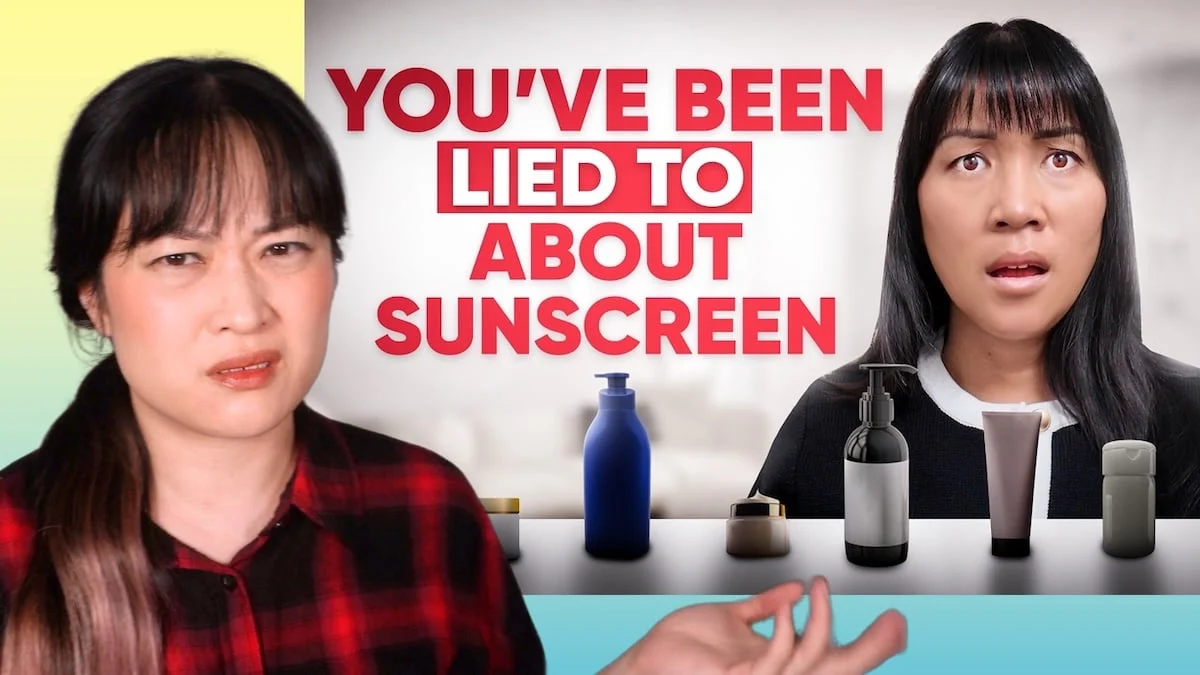
The assertion that retinyl palmitate, a derivative of vitamin A, increases the risk of skin cancer when included in sunscreens has been a persistent and widely circulated myth, particularly propagated by advocacy groups within the "clean beauty" movement, such as the Environmental Working Group (EWG) in their annual sunscreen guides. More recently, this claim gained renewed prominence through a video by toxicologist Dr. Yvonne Burkart, titled “You’ve been lied to about sunscreen: Toxicologist reveals 6 things you should know about sunscreen,” where it was highlighted as a primary concern. However, a comprehensive review of the scientific evidence, including rigorous safety assessments by leading regulatory bodies, firmly refutes this notion, concluding that retinyl palmitate is safe for use in sunscreens and does not contribute to photocarcinogenesis in humans.
The Genesis of the Controversy: Claims and Concerns
The narrative suggesting retinyl palmitate’s potential danger stems from its perceived instability when exposed to sunlight, leading to the generation of reactive oxygen species (ROS) and free radicals. Dr. Burkart articulated this concern, stating, “Some [sunscreen] ingredients can actually promote skin cancer. This one is really shocking because that’s the exact opposite of what sunscreen is supposed to do. Retinyl palmitate is a synthetic form of vitamin A that’s often added to sunscreens for its so-called anti-aging benefit. You’ll see it often promoted as helping to reduce wrinkles or even to improve the texture of your skin.” She further elaborated, “But here is what is most shocking. When exposed to sunlight, retinyl palmitate becomes highly unstable, breaks down into free radicals, which are extremely reactive. These free radicals damage DNA and lipids, as well as proteins, accelerate skin aging and may even increase the risk of tumor formation over time. In fact, studies show that retinyl palmitate when applied to the skin and exposed to sunlight generates reactive oxygen species or ROS and lipid peroxides, two well-established drivers of oxidative stress and photocarcinogenesis, which is the formation of cancer in response to sunlight.”
This alarming statement, echoed by other "clean beauty" proponents, suggests a direct link between retinyl palmitate in topical formulations and increased cancer risk. The claims are often underpinned by specific types of scientific studies, which, while factually accurate in their isolated findings, require careful interpretation within the broader context of human physiology and environmental conditions.
Unpacking the Evidence: In Vitro, Cell, and Animal Studies
The scientific arguments put forth by those raising concerns about retinyl palmitate primarily cite three categories of research:
-
In Vitro Experiments: These are laboratory studies conducted in test tubes or petri dishes. Research has shown that retinyl palmitate, when isolated and exposed to UV radiation in vitro, can break down and form reactive oxygen species. These ROS are known to have the potential to damage cellular structures, including DNA, and contribute to oxidative stress, a precursor to various cellular dysfunctions, including potential cancer formation. An example includes a 2005 study published in International Journal of Environmental Research and Public Health by Tolleson et al., which observed photodecomposition of natural retinoids.
-
Cell Studies: Building on in vitro findings, cell culture studies have demonstrated that cells exposed to UV radiation, particularly when retinyl palmitate is present, exhibit an increased rate of mutation. A 2005 Toxicological Sciences study by Mei et al. reported photomutagenicity of retinyl palmitate by UVA irradiation in mouse lymphoma cells. This suggests a potential for genotoxicity under specific experimental conditions.
-
Animal Studies: The most frequently referenced and seemingly concerning evidence comes from animal models. Dr. Burkart specifically highlighted the National Toxicology Program (NTP) study, stating, “What’s even more concerning is that animal studies conducted by the National Toxicology Program found that mice whose skin was treated with retinyl palmitate and exposed to sunlight (simulated sunlight) developed significantly more skin tumors than those animals who were not exposed to the same ingredient, but still had the simulated sunlight. But yet somehow this ingredient is still included in countless mainstream products, including sunscreens, which are marketed for daily use.” The NTP’s 2012 technical report (TR-568) indeed detailed photocarcinogenesis studies involving retinoic acid and retinyl palmitate in SKH-1 mice under simulated solar light. These findings, when presented in isolation, certainly appear to support the "skin cancer risk" narrative.
The Crucial Context: Regulatory Scrutiny and Comprehensive Safety Assessments
While the findings from these individual studies are not disputed, their interpretation and extrapolation to human skin health in real-world conditions are where the scientific consensus diverges from the "clean beauty" narrative. It is crucial to understand that such studies form only one part of a comprehensive safety assessment. Regulatory bodies worldwide employ expert panels to evaluate vast amounts of data, including human epidemiology, clinical trials, and the very studies cited by critics, to arrive at nuanced safety conclusions.
A pivotal player in this rigorous assessment is the European Union’s Scientific Committee on Consumer Safety (SCCS). Composed of highly experienced scientists, predominantly toxicologists, the SCCS conducts detailed and exhaustive safety evaluations of cosmetic ingredients for the EU market, which are significantly more rigorous than standard peer-reviewed academic papers. The SCCS specifically reviewed the safety of Vitamin A derivatives, including retinol, retinyl acetate, and retinyl palmitate, in 2016 and again in 2022. Their conclusions directly address the concerns raised by the NTP study and other foundational research.
Why Retinyl Palmitate is Deemed Safe by Expert Regulators:
The SCCS reports, particularly the 2016 "Opinion on Vitamin A (Retinol, Retinyl Acetate, Retinyl Palmitate)" and the 2022 "Revision of the Scientific Opinion (SCCS/1576/16) on Vitamin A (Retinol, Retinyl Acetate, Retinyl Palmitate)," outlined several key reasons why retinyl palmitate is considered safe for use in sunscreens:
-
In Vitro Experiments Do Not Mirror Human Skin Physiology: The SCCS acknowledged that in vitro studies show retinyl palmitate can generate ROS when exposed to UV light in isolation. However, human skin is a complex biological environment rich in endogenous antioxidants (e.g., vitamin E, vitamin C, glutathione, superoxide dismutase). In this intricate matrix, retinyl palmitate is not an isolated agent; it interacts with numerous other compounds. Depending on the overall antioxidant capacity and specific formulation, retinyl palmitate can either contribute to or, more often, decrease overall oxidative stress, acting as an antioxidant itself. This dynamic interplay means that simple test-tube observations often fail to predict real-world biological outcomes.
-
Significant Differences Between Hairless Mouse and Human Skin: The NTP study, while valuable for identifying potential hazards, utilized SKH-1 hairless mice. These mice are specifically chosen for toxicology studies due to their extreme sensitivity to UV radiation, which allows for the rapid induction of tumors and clear results within a shorter timeframe. However, this high sensitivity underscores fundamental differences from human skin. Human skin is significantly more robust and adapted to sunlight exposure, possessing superior defense mechanisms against UV-induced damage, including a thicker stratum corneum, more efficient DNA repair mechanisms, and a denser network of antioxidants. Therefore, results observed in these highly susceptible animal models do not directly translate to human risk. In fact, for human skin, retinoids can often act protectively.
-
Real-World Data Shows Retinoids are Protective, Not Harmful: A crucial piece of evidence comes from over 50 years of dermatological practice. Retinoids, a class of compounds that includes retinyl palmitate, retinol, and prescription-strength tretinoin, have been extensively used by dermatologists for a wide range of skin conditions. Notably, they are routinely prescribed for their photoprotective properties and are even used in the prevention and treatment of certain non-melanoma skin cancers and precancerous lesions. Patients using retinoids are often under close dermatological supervision, and if there were a significant increase in skin cancer risk associated with their use, particularly when exposed to sunlight, it would have been unequivocally observed and documented in clinical practice by now. The absence of such widespread observations in real-world clinical settings strongly counteracts the claims of increased cancer risk.
-
Anomalies in the NTP Mouse Study: The SCCS also identified peculiarities within the NTP mouse study itself. For instance, the study presented seemingly contradictory results where higher UV exposure sometimes led to fewer tumors, and the control cream without retinyl palmitate also resulted in an increase in tumors compared to untreated mice. These inconsistencies suggest that other factors, potentially an ingredient in the cream’s base, might have played a role in the observed effects. Specifically, the ingredient diisopropyl adipate, also present in the base cream, has been implicated in causing extra UV sensitivity in hairless mice. Importantly, human skin tests with diisopropyl adipate have not shown this effect, further highlighting the species-specific limitations of the mouse model.
The Broader Context: "Clean Beauty" and the Challenge of Scientific Communication
The persistence of the retinyl palmitate myth highlights a broader challenge in public health communication, particularly with the rise of the "clean beauty" movement. While ostensibly promoting safer products, some segments of this movement often employ a "hazard-based" approach to ingredient assessment rather than a "risk-based" one. A hazard-based approach identifies any intrinsic property of a substance that could cause harm (e.g., retinyl palmitate can generate ROS in vitro). A risk-based approach, used by regulatory bodies, considers the likelihood of that harm occurring under real-world conditions of exposure, concentration, and human physiology.
Organizations like the EWG, by selectively highlighting isolated hazard data without considering the comprehensive risk assessment framework, can inadvertently foster consumer fear and mistrust in scientifically validated ingredients. Their annual sunscreen guides, for example, often assign low ratings to sunscreens containing retinyl palmitate, contributing to the perception of danger. This approach, while well-intentioned in aiming to empower consumers, can inadvertently lead to widespread misinformation.
Implications for Consumers and Public Health
The propagation of myths surrounding sunscreen ingredients carries significant public health implications. Sunscreen is a critical tool in preventing skin cancer, the most common cancer globally. When consumers are led to believe that a common sunscreen ingredient like retinyl palmitate is harmful, they may become hesitant to use sunscreens altogether or opt for less effective alternatives, potentially increasing their overall risk of UV-induced skin damage and skin cancer. This fear-driven decision-making directly undermines decades of public health efforts promoting sun protection.
The SCCS, in its 2022 report, reaffirmed the safety of retinyl palmitate in sunscreens. It is important to note that the same report did recommend restricting the maximum concentration of retinol in skincare products due to concerns about the total cumulative intake of vitamin A from various sources (food, supplements, cosmetics). This demonstrates the SCCS’s cautious and thorough approach; they are not hesitant to recommend restrictions when scientific evidence warrants it, further validating their assessment of retinyl palmitate in sunscreens.
Conclusion: Trusting Expert Consensus
In conclusion, the scientific consensus, as articulated by leading toxicologists and expert regulatory bodies like the European Union’s Scientific Committee on Consumer Safety, unequivocally states that retinyl palmitate in sunscreens does not increase the risk of skin cancer. The claims to the contrary rely on an incomplete and often miscontextualized interpretation of scientific studies. While in vitro and animal studies provide valuable data, they must be evaluated within a comprehensive framework that considers human physiology, real-world exposure levels, and the overall chemical environment of the skin.
Consumers are encouraged to rely on the robust safety assessments conducted by independent scientific committees and regulatory authorities rather than alarmist claims from less specialized sources. Prioritizing consistent and effective sun protection, including the use of broad-spectrum sunscreens, remains paramount for maintaining skin health and preventing skin cancer. The wealth of evidence supports the continued safe use of retinyl palmitate as a beneficial ingredient in cosmetic formulations, including sunscreens, without the unfounded fear of increased cancer risk.
