
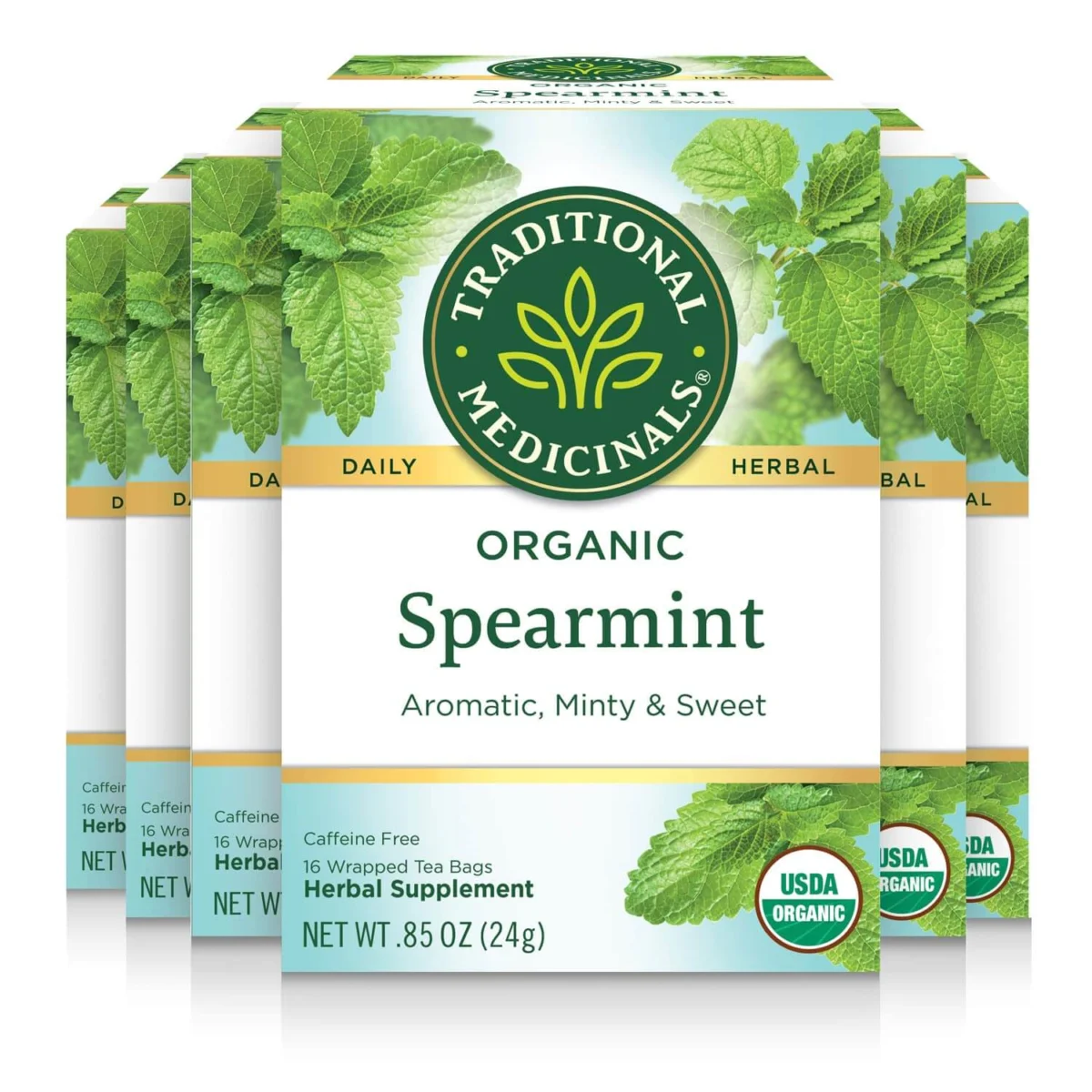
Polycystic Ovary Syndrome (PCOS) remains one of the most prevalent endocrine disorders among women of reproductive age, affecting approximately 8% to 13% of the global female population. Characterized by hormonal imbalances, irregular menstrual cycles, and the presence of small cysts on the ovaries, the condition often presents a complex clinical picture involving insulin resistance and hyperandrogenism. While pharmaceutical interventions such as metformin and oral contraceptives remain the standard of care, a growing body of clinical research suggests that botanical interventions, specifically spearmint tea (Mentha spicata), may offer a potent, natural adjunct therapy for managing the debilitating symptoms of the disorder. Recent studies indicate that the anti-androgenic properties of spearmint can significantly alter the hormonal landscape of women with PCOS, providing relief from symptoms such as hirsutism, acne, and menstrual irregularity.
Understanding the Clinical Profile of PCOS and Hyperandrogenism
To appreciate the impact of spearmint tea, one must first understand the underlying pathology of PCOS. At its core, the syndrome is often driven by an excess of androgens—male-type hormones like testosterone—in the female body. This state, known as hyperandrogenism, is responsible for many of the visible symptoms of PCOS. When testosterone levels are chronically elevated, women may experience hirsutism, which is the growth of coarse, dark hair in areas where men typically grow hair, such as the face, chest, and back. Conversely, these same hormones can cause androgenetic alopecia, or female pattern hair loss, on the scalp.
Beyond physical appearance, hyperandrogenism interferes with the delicate feedback loop of the hypothalamic-pituitary-ovarian (HPO) axis. This disruption often leads to oligomenorrhea (infrequent periods) or amenorrhea (the absence of periods), which can complicate fertility. Furthermore, PCOS is intrinsically linked to metabolic dysfunction. Approximately 70% of women with PCOS exhibit insulin resistance, a condition where the body’s cells do not respond effectively to insulin, leading to elevated blood sugar levels and an increased risk of developing Type 2 diabetes.
The Grant Study: A Landmark in Herbal Endocrinology
The scientific community’s interest in spearmint tea as a treatment for PCOS was significantly catalyzed by a randomized controlled trial conducted by Dr. Paul Grant and his colleagues, published in Phytotherapy Research. This study sought to quantify the anti-androgenic effects of the herb in a controlled clinical setting. The trial involved 42 women diagnosed with PCOS and hirsutism. Participants were divided into two cohorts: one group consumed spearmint herbal tea twice daily for a period of one month, while the control group consumed a placebo herbal tea.
The findings were statistically significant. At the end of the 30-day period, the group consuming spearmint tea showed a marked reduction in free and total testosterone levels. Simultaneously, there was a recorded increase in luteinizing hormone (LH) and follicle-stimulating hormone (FSH)—hormones essential for the maturation of ovarian follicles and the initiation of ovulation. While the one-month duration was too short to observe a clinical disappearance of unwanted hair growth (as hair follicles operate on a multi-month growth cycle), the participants reported a subjective decrease in the density and growth rate of facial hair. This study provided the first robust evidence that a simple herbal infusion could exert a measurable systemic effect on the endocrine system of women with PCOS.
Dermatological Benefits: Addressing Acne and Hirsutism
The dermatological manifestations of PCOS are often the most psychologically distressing for patients. Acne in PCOS is typically inflammatory and resistant to standard over-the-counter treatments because it is driven by internal hormonal fluctuations rather than external hygiene. High levels of androgens stimulate the sebaceous glands to produce excess oil, which clogs pores and fosters bacterial growth.
In 2015, the American Academy of Dermatology highlighted research suggesting that the consumption of two cups of organic spearmint tea daily could serve as a viable treatment for hormonal acne. The data indicated that inflammatory acne lesions were reduced by an average of 25% after only one month of consistent consumption. By the three-month mark, the reduction in lesions reached 51%. This suggests that spearmint tea acts similarly to spironolactone, a common prescription anti-androgen, but without the associated risk of pharmaceutical side effects like potassium imbalances or extreme fatigue.
For hirsutism, the timeline for improvement is longer. Because the hair growth cycle typically lasts several months, clinical improvements in hair texture and density are usually not visible until three to six months of daily tea consumption. However, by lowering the "fuel" (testosterone) that drives terminal hair growth, spearmint tea helps shift the body back toward producing vellus hair—the fine, light hair that is considered normal for women in those areas.

Metabolic and Cognitive Implications
While the anti-androgenic effects of spearmint are well-documented, its impact on metabolic health and cognitive function is an emerging area of interest. Women with PCOS frequently report "brain fog," a state of mental confusion or lack of focus often tied to insulin fluctuations and chronic inflammation.
Research published in the Journal of Alternative and Complementary Medicine by Herrlinger et al. (2018) examined the effects of spearmint extract on cognitive function. Although the study focused on age-associated memory impairment, the results showed that spearmint polyphenols significantly improved working memory and mental focus. For a woman with PCOS, these cognitive-enhancing properties can help mitigate the lethargy and mental fatigue associated with the condition.
Furthermore, animal studies have suggested a hypoglycemic effect of spearmint. In trials involving diabetic rats, aqueous extracts of Mentha spicata were shown to lower blood glucose levels and improve lipid profiles. While human trials are needed to confirm these specific metabolic outcomes in PCOS patients, the antioxidant properties of the tea are undeniable. Women with PCOS often exhibit higher markers of oxidative stress, which can damage eggs and worsen insulin resistance. The high concentration of flavonoids and limonene in spearmint tea helps neutralize free radicals, potentially protecting the ovaries from oxidative damage.

Chronology of Usage and Preparation Guidelines
The transition of spearmint from a culinary garnish to a therapeutic agent has followed a specific timeline in the wellness and medical communities:
- Pre-2000s: Spearmint was primarily used for digestive relief and as a flavoring agent in oral hygiene products.
- 2007-2010: Initial pilot studies and the Grant study established the hormonal link, specifically regarding testosterone reduction.
- 2015-Present: Major dermatological associations and PCOS advocacy groups began recognizing spearmint tea as a "Stage 1" natural intervention for hormonal acne and hirsutism.
To achieve therapeutic results, the preparation of the tea is critical. Clinical recommendations suggest:
- Dosage: Two cups (approximately 10 to 12 ounces each) per day.
- Quantity: One gram of dried spearmint leaves (or one high-quality tea bag) per cup.
- Steeping Time: The tea should be steeped in boiling water for a minimum of 10 minutes. This duration is necessary to extract the essential volatile oils and polyphenols responsible for the anti-androgenic effects.
- Temperature: The tea can be consumed hot or iced, as the temperature does not degrade the active compounds, provided the initial extraction was done with hot water.
Safety Profiles and Contraindications
Despite its natural origin, spearmint tea is a potent bioactive substance and should be used with caution in certain populations. The primary side effect reported is gastrointestinal upset, particularly for those with gastroesophageal reflux disease (GERD). Mint can relax the lower esophageal sphincter, potentially worsening acid reflux symptoms.
Additionally, because spearmint tea significantly impacts hormone levels, it is generally advised that women who are pregnant or breastfeeding consult with their obstetrician before use. There is also a theoretical risk of interaction with other anti-androgen medications or hormonal birth control; therefore, integration into a treatment plan should be supervised by a healthcare provider. It is important to note that most adverse effects reported in literature are associated with highly concentrated spearmint supplements or essential oils rather than the standard infusion of tea leaves.
Broader Impact on PCOS Management
The integration of spearmint tea into the PCOS management toolkit represents a shift toward integrative medicine, where lifestyle and natural remedies complement clinical protocols. For many women, the side effects of standard PCOS medications—such as the nausea associated with metformin or the mood swings linked to certain birth control pills—make long-term adherence difficult. Spearmint tea offers a low-cost, accessible, and palatable alternative that empowers patients to manage their symptoms proactively.
The broader implications for public health are significant. As the medical community continues to struggle with the rising tide of endocrine-related disorders, the validation of traditional herbal remedies through rigorous clinical trials provides a pathway for more holistic care. While spearmint tea is not a "cure" for PCOS—a condition that currently has no known cure—it serves as a powerful tool for symptom suppression and hormonal stabilization.

In conclusion, the current scientific literature supports the use of spearmint tea as a functional beverage for women with PCOS. Its ability to lower testosterone, improve dermatological outcomes, and potentially enhance cognitive focus makes it a multifaceted intervention. As research continues to evolve, it is likely that spearmint will remain a cornerstone of natural PCOS therapy, bridging the gap between ancient herbal wisdom and modern clinical endocrinology.
