

Polycystic Ovary Syndrome (PCOS) remains one of the most prevalent endocrine disorders affecting women of reproductive age globally, characterized by a complex interplay of hormonal imbalances, ovulatory dysfunction, and metabolic disturbances. As clinical understanding of the condition evolves, medical practitioners and researchers are increasingly looking toward integrative therapies to supplement traditional pharmacological interventions. Among the most researched and promising of these natural compounds is berberine, a plant-derived alkaloid that has demonstrated significant efficacy in addressing the multifaceted symptoms of PCOS.
The Biochemical Profile of Berberine
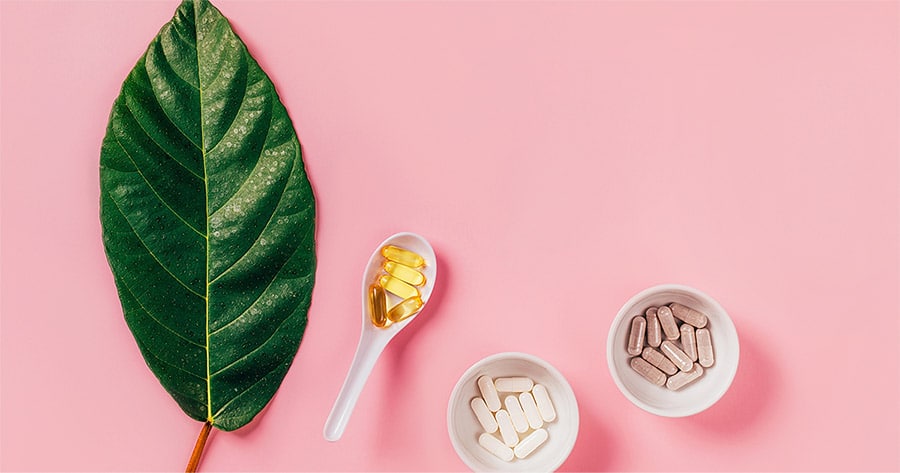
Berberine is a quaternary ammonium salt belonging to the protoberberine group of benzylisoquinoline alkaloids. It is naturally occurring in the roots, rhizomes, and stems of various medicinal plants, most notably within the Berberis genus, such as barberry (Berberis vulgaris), goldenseal (Hydrastis canadensis), and Oregon grape (Mahonia aquifolium).
While its use in Traditional Chinese Medicine (TCM) and Ayurvedic practice dates back over 3,000 years, contemporary pharmacology has identified its primary mechanism of action: the activation of Adenosine Monophosphate-activated Protein Kinase (AMPK). Often referred to as the body’s "metabolic master switch," AMPK plays a critical role in regulating energy homeostasis, glucose uptake, and lipid metabolism. For women with PCOS, who frequently suffer from impaired metabolic signaling, the activation of this pathway offers a targeted approach to symptom management.

Addressing the Core Pathology: Insulin Resistance and Glucose Regulation
The primary driver of PCOS symptoms in a vast majority of patients is insulin resistance. In this state, the body’s cells become less responsive to insulin, necessitating higher levels of the hormone to maintain stable blood glucose. This hyperinsulinemia triggers the ovaries to produce excess androgens (male hormones), leading to acne, hirsutism, and ovulatory failure.
Clinical data suggests that berberine acts as a potent insulin sensitizer. A prospective randomized study published in Cureus (2022) monitored women with PCOS over a 12-week period. The results indicated that those administered berberine showed marked improvements in insulin sensitivity, comparable to the results seen with metformin, the standard pharmaceutical treatment for insulin resistance. By enhancing the expression of glucose transporter type 4 (GLUT4) and inhibiting the enzyme protein tyrosine phosphatase 1B (PTP1B), berberine facilitates the efficient transport of sugar from the bloodstream into the cells, thereby reducing plasma glucose levels and the subsequent demand for insulin.

Weight Management and Metabolic Syndrome
Obesity and an elevated Body Mass Index (BMI) exacerbate PCOS symptoms, yet the hormonal environment of the condition makes weight loss notoriously difficult for many patients. Berberine has emerged as a significant aid in weight management through its ability to reduce fat storage and increase energy expenditure.
A systematic review published in Biomedicine & Pharmacotherapy highlighted a clinical trial involving 37 participants with metabolic syndrome. After 12 weeks of berberine supplementation, the average BMI of the participants dropped significantly from 31.5 to 27.4. This effect is attributed to berberine’s ability to inhibit adipogenesis—the process by which undifferentiated cells become fat-storing adipose cells—and its role in improving the thermogenic activity of brown adipose tissue. Furthermore, berberine has been shown to reduce visceral fat, the "hidden" fat surrounding internal organs that is most closely linked to cardiovascular disease and chronic inflammation.

Cardiovascular Health and Lipid Profile Optimization
Women with PCOS face a disproportionately high risk of developing cardiovascular complications later in life. This risk is driven by dyslipidemia, characterized by high triglycerides and Low-Density Lipoprotein (LDL) cholesterol, alongside low levels of High-Density Lipoprotein (HDL) cholesterol.
Research published in Nutrients and PubMed indicates that berberine is highly effective in optimizing lipid profiles. One meta-analysis of randomized controlled trials found that berberine was nearly as effective as simvastatin, a common statin medication, in reducing LDL levels. It achieves this by increasing the expression of LDL receptors in the liver, which allows the body to clear "bad" cholesterol more effectively from the blood. Additionally, berberine has been shown to lower triglycerides and total cholesterol while concurrently boosting HDL levels, providing a comprehensive protective effect for the heart.

Reproductive Health and Menstrual Regularity
The restoration of a regular menstrual cycle is often the primary goal for PCOS patients seeking to improve their quality of life or achieve pregnancy. Berberine contributes to reproductive health by addressing the hormonal imbalances that cause anovulation.
A comparative study in the Natural Medicine Journal evaluated 100 women with PCOS, comparing the effects of berberine against metformin. While both treatments improved ovulation rates, the berberine group showed a significantly higher increase in Sex Hormone-Binding Globulin (SHBG). SHBG is a protein that binds to testosterone in the blood; when SHBG levels are low, as is common in PCOS, "free" testosterone levels rise, causing symptoms like hair loss and unwanted facial hair. By increasing SHBG, berberine effectively lowers the free androgen index.

Furthermore, berberine has been shown to improve the luteinizing hormone (LH) to follicle-stimulating hormone (FSH) ratio. A balanced LH/FSH ratio is essential for the development of healthy follicles and the successful release of an egg during the menstrual cycle.
Fertility and Gestational Outcomes
For women attempting to conceive, berberine offers dual benefits: improving the frequency of ovulation and enhancing endometrial receptivity. Endometrial receptivity refers to the window of time when the uterine lining is prepared for the implantation of an embryo. By reducing inflammation and improving blood flow to the uterus, berberine may increase the chances of a successful pregnancy.

Importantly, research in Oxford Academic’s Human Reproduction suggests that pre-conception interventions that improve SHBG and insulin levels—such as berberine—can act as a predictor for a lower risk of gestational diabetes once pregnancy is achieved. This makes berberine a valuable tool in the "pre-conception care" phase of PCOS management.
Mitigation of Chronic Inflammation and Oxidative Stress
PCOS is increasingly recognized as a state of chronic, low-grade inflammation. This inflammation is both a result of and a contributor to insulin resistance, creating a self-perpetuating cycle of metabolic distress. Berberine possesses significant anti-inflammatory properties by inhibiting the production of pro-inflammatory cytokines, such as TNF-alpha and IL-6.
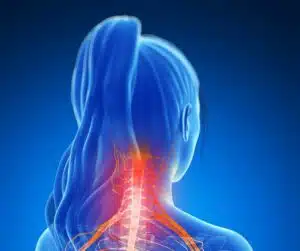
Moreover, berberine acts as an antioxidant, neutralizing reactive oxygen species (ROS) that can damage egg quality and ovarian tissue. By lowering oxidative stress, berberine helps preserve the follicular environment, which is vital for both fertility and long-term hormonal health.
Neurological Impact: Combating Depression and Anxiety
The psychological burden of PCOS is often overlooked, yet women with the condition are significantly more likely to experience depression and anxiety. These mood disorders are often linked to the gut-brain axis and the inflammatory state of the body.

According to a 2018 study in PubMed Central, berberine exerts neuroprotective effects and can modulate neurotransmitters like dopamine and serotonin. Its anti-inflammatory action in the brain may alleviate some of the biological drivers of mood disorders, providing a holistic approach to PCOS that includes mental well-being.
Liver Health and Non-Alcoholic Fatty Liver Disease (NAFLD)
Data from BMJ Open Gastroenterology reveals that women with PCOS are four times more likely to develop Non-Alcoholic Fatty Liver Disease (NAFLD) than those without the syndrome. NAFLD occurs when excess fat is stored in the liver, leading to scarring and potential liver failure.

Berberine has been identified as an effective therapeutic agent for NAFLD. By improving insulin sensitivity and reducing the liver’s production of new fats (lipogenesis), berberine helps clear accumulated fat from liver cells. This not only improves liver function tests but also enhances the body’s overall metabolic efficiency.
Support During the Menopausal Transition
As women with PCOS enter perimenopause and menopause, the decline in estrogen can exacerbate existing metabolic issues, increasing the risk of Type 2 diabetes and osteoporosis. Berberine’s role as an insulin sensitizer makes it a valuable supplement during this transition. Research in PubMed Central suggests that berberine can help manage the metabolic shifts associated with declining estrogen, protecting cardiovascular health and maintaining bone density during the later stages of life.

Clinical Guidelines and Safety Considerations
While berberine is a natural compound, it is a potent bioactive agent that should be used with informed care. The standard clinical dosage utilized in most studies is 500mg, taken two to three times daily, typically before or with meals to maximize its impact on postprandial glucose.
The most common side effects reported are gastrointestinal in nature, including cramping, diarrhea, or constipation. These effects are often transient and can be minimized by starting with a lower dose and gradually increasing it. It is also recommended to look for berberine hydrochloride (HCl) or phospholipid formulations, as these forms offer superior bioavailability and absorption.

Patients should consult with a healthcare provider before starting berberine, particularly if they are already taking glucose-lowering medications like metformin or blood thinners, as berberine can enhance the effects of these drugs.
Broader Implications and Future Research
The growing body of evidence supporting berberine represents a shift in the management of PCOS toward a more integrative, "whole-body" approach. By targeting the root cause of the syndrome—metabolic dysfunction—rather than merely masking symptoms, berberine offers a sustainable path to long-term health.

As research continues, the medical community expects further clarity on the long-term use of berberine and its potential synergies with other supplements like myo-inositol. For now, berberine stands as a scientifically validated, effective, and natural option for women seeking to reclaim control over their PCOS symptoms and metabolic destiny.
