
Food manufacturers are experiencing unprecedented challenges in sourcing whey protein, a byproduct of cheesemaking that has become a cornerstone ingredient in a vast array of products. The surging consumer obsession with protein-enhanced foods and beverages has created a supply-demand imbalance so severe that it threatens to leave shelves bare. This crisis is compelling the industry to rapidly explore and adopt alternative protein sources, particularly those derived from advanced fermentation and novel farming technologies, to meet market needs and mitigate future supply chain risks.
The pervasive presence of whey protein in everything from chips and ice cream to lattes and sodas is a direct response to a market driven by heightened consumer awareness of protein’s health benefits. Despite existing overconsumption in many Western nations, the demand continues to escalate. Whey’s popularity stems from its remarkable functional and nutritional properties: it is a complete protein, highly digestible, promotes satiety, and possesses excellent emulsifying, gelling, and foaming capabilities, making it exceptionally versatile for food formulators.
However, this very demand has pushed the whey protein market into a critical state. Manufacturers are struggling to fulfill orders, with contracts in the United States extending into 2026 and significant portions of current supply already sold out for the remainder of the year. The price of whey protein concentrate has surged by an astonishing 108% over the past two years, while whey protein isolate has nearly doubled in cost, setting new records in 2025 and continuing an upward trend. Efforts to secure supply from European markets have been met with limited availability, indicating that the shortage is not a temporary dip but a sustained challenge with ongoing price implications.
The Structural Limitations of Whey Production
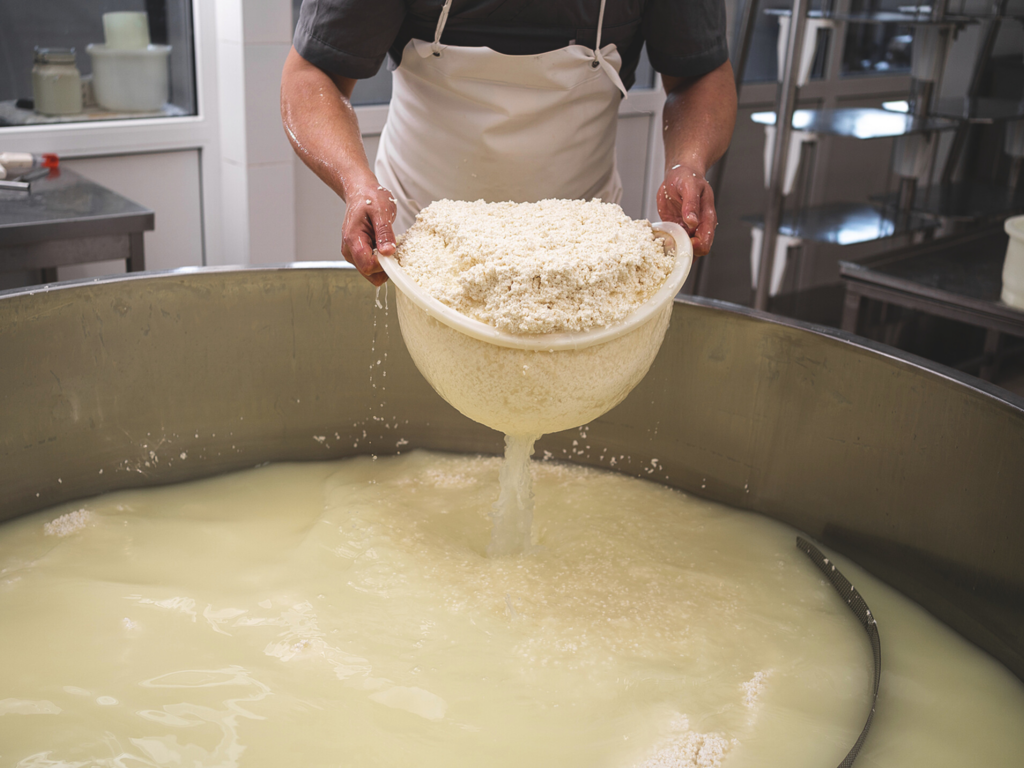
The fundamental issue lies in whey’s origin: it is a co-product of the dairy industry, specifically cheesemaking. "Whey protein used to be a co-product of the cheese industry. Now it tends to be the reverse," explains Stéphane Mac Millan, co-founder and CEO of French precision fermentation startup Verley. This inversion means that the supply of whey is intrinsically capped by the volume of cheese production, which is, in turn, dependent on dairy capacity and the global population of dairy cows. "You can’t surge it," states Magi Richani, founder and CEO of Californian startup Alpine Bio, highlighting the inherent inflexibility of traditional whey sourcing.
This structural limitation has become increasingly apparent as consumer demand for protein-rich products has grown exponentially. The need for unprecedented scaling of whey production clashes directly with the inherent constraints of agricultural output and processing capacity within the dairy sector. The situation is further exacerbated by external factors such as rising input costs for dairy farmers, including fertilizers, which can lead to reduced feed production and, consequently, lower milk yields. Moreover, the potential for climate events like El Niño to cause droughts in key agricultural regions adds another layer of uncertainty, potentially impacting feed availability and milk production precisely when protein demand is accelerating.
The growing influence of GLP-1 medications, which promote satiety and can lead to muscle mass loss if not adequately counteracted by protein intake, has also significantly amplified the demand for protein, including whey. While these medications offer therapeutic benefits, their widespread use has indirectly boosted the general consumer interest in protein consumption for health and wellness, creating a feedback loop that further strains existing supply chains.
The Rise of Alternative Proteins: Precision Fermentation and Novel Plant-Based Solutions
In response to this escalating crisis, food manufacturers are increasingly turning to alternative protein sources that can offer comparable or superior functional and nutritional profiles to whey, while also providing greater supply chain stability and sustainability. Two primary avenues of innovation are emerging: precision fermentation and novel plant-based technologies.
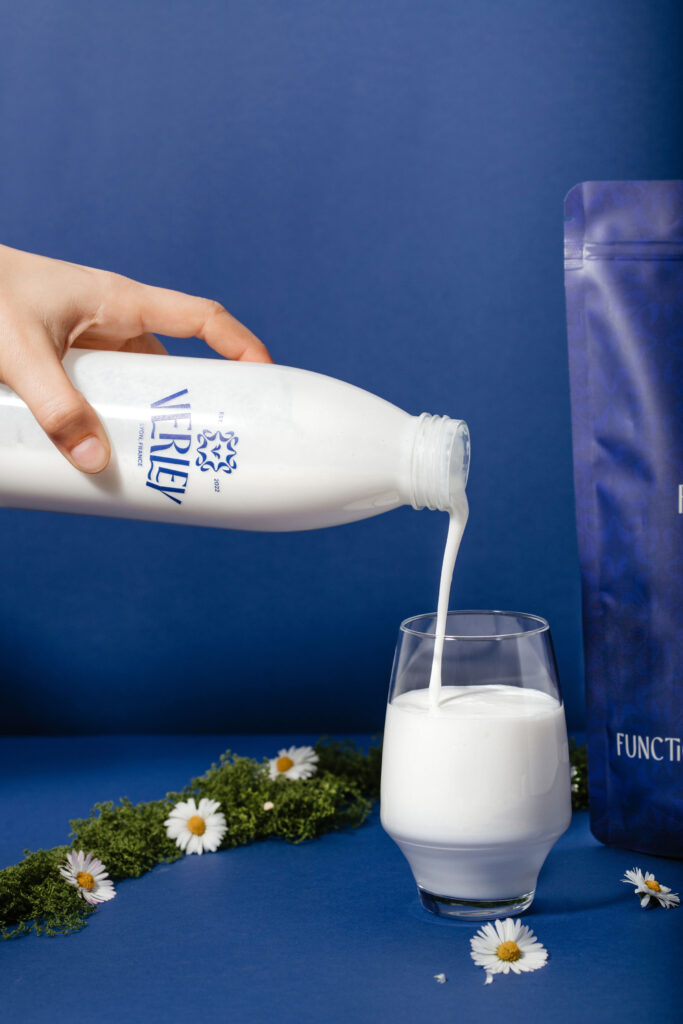
Precision fermentation, exemplified by companies like Verley, involves using microorganisms as cellular factories to produce specific proteins. Verley inserts the DNA sequence for milk proteins into microbes, which are then cultivated in fermentation tanks. These microbes consume sugar and nutrients to produce the desired proteins, which are subsequently purified. Verley specifically focuses on producing beta-lactoglobulin, the primary whey protein found in dairy, and can tailor its structure for enhanced properties like solubility or thermal resistance. This process bypasses the need for cows altogether, offering a controlled and scalable method for producing animal-free whey protein.
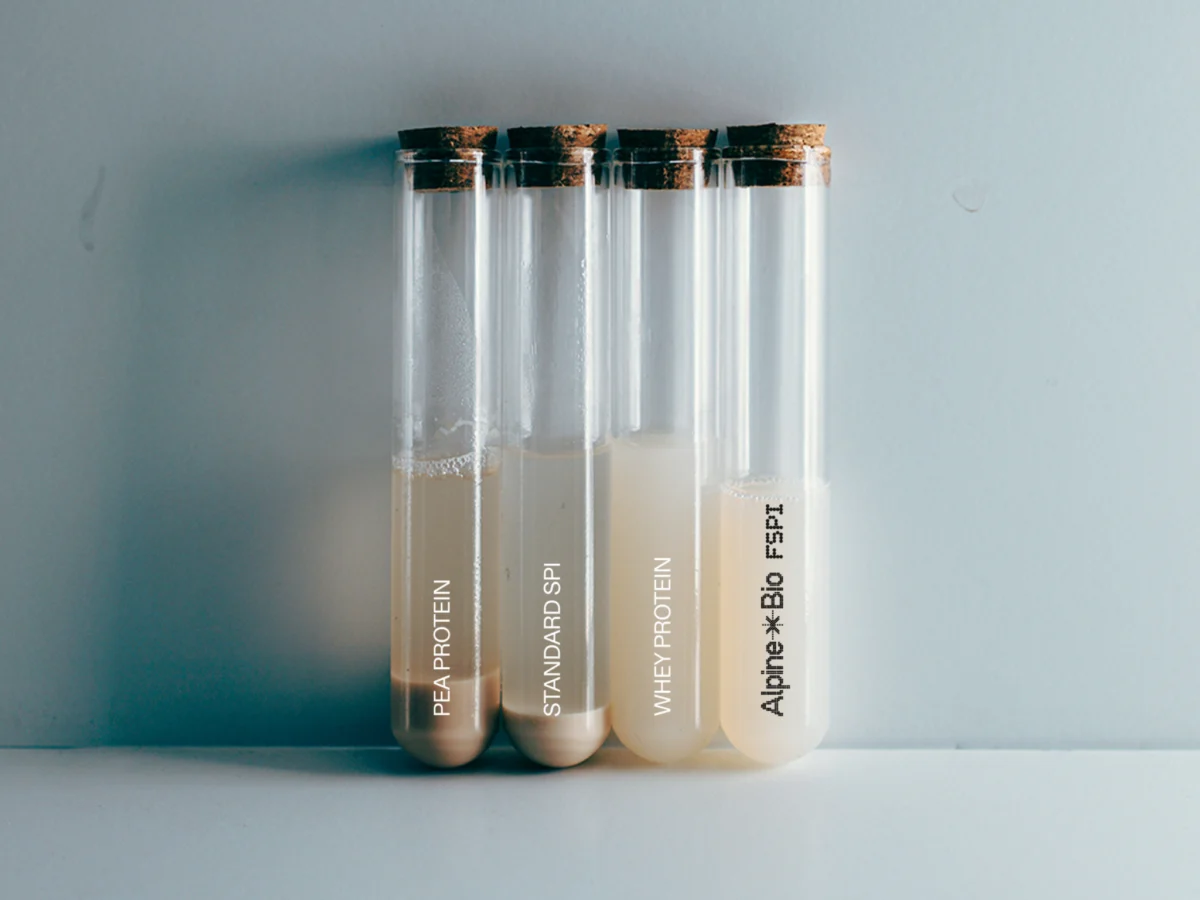
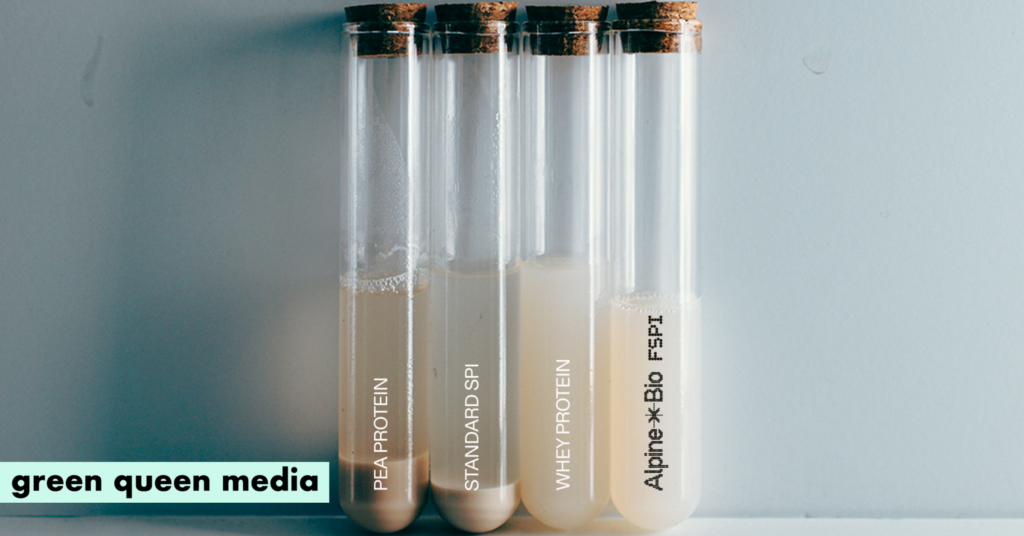
Alpine Bio, on the other hand, is pioneering novel plant-based protein isolation. Their proprietary process extracts specific protein fractions from non-GMO soybeans, meticulously removing components that have historically deterred their use in premium food applications. The resulting fractionated soy protein isolate (FSPI) is an "ultra-soluble, neutral-tasting, complete protein" that is engineered to replicate the functionality of whey protein isolate. "We purposefully designed a soy protein to do whey’s job," explains Richani. FSPI offers a compelling solution to common plant protein drawbacks, such as grittiness, gelling, and off-flavors, providing formulators with a neutral-tasting, highly soluble protein base.
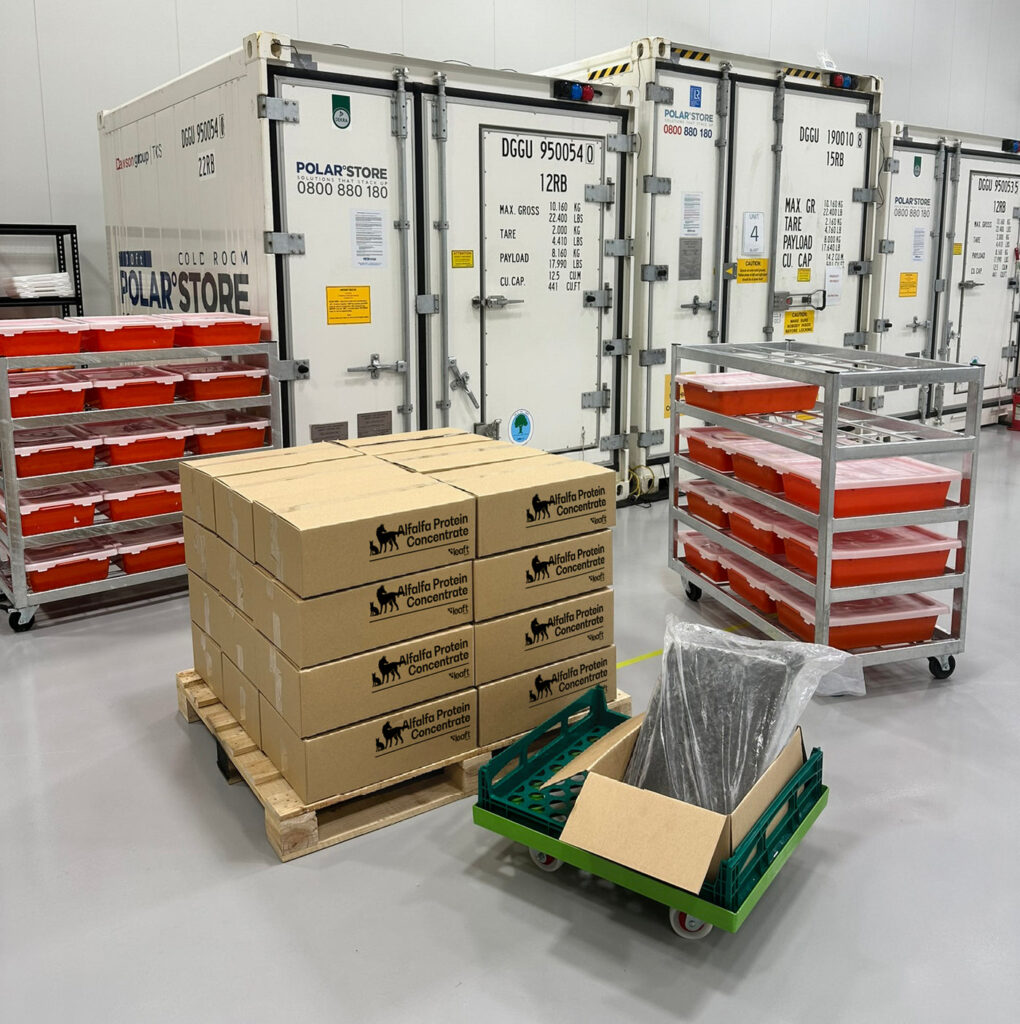
Another innovative approach comes from Leaft Foods, which is utilizing Rubisco, a protein abundant in the leaves of all green plants. Rubisco is described as the world’s most abundant source of protein, yet extracting it in a food-grade form has been a long-standing scientific challenge. Leaft Foods has developed a gentle, food-safe process to extract Rubisco from alfalfa leaves, preserving its delicate structure. "Rubisco has the best essential amino acid profile of any protein available in the industry today," states Leaft Foods CEO Ross Milne. He further emphasizes that it "exceeds WHO/FAO recommendations across all EAAs, without blending or fortification. It’s also digested five to six times faster than whey in the gastric phase." Unlike seed-based plant proteins, which are storage proteins designed for dormancy, Rubisco is an enzyme protein with a dynamic structure capable of dissolving, foaming, gelling, and emulsifying, mirroring whey’s functional attributes.
Functional Advantages and Environmental Benefits
These alternative protein sources are not only addressing the supply crisis but also offering significant functional and environmental advantages over conventional whey. Leaft Foods’ Rubisco protein isolate, for instance, boasts a superior amino acid profile and faster digestion compared to whey. Its dynamic structure allows it to perform similarly to whey in various food applications, but without the "beany notes or grainy texture" often associated with other plant proteins.
Alpine Bio’s FSPI is engineered for superior solubility across a wide pH range, a critical factor for protein drinks and other liquid formulations. "Solubility makes or breaks a protein drink, and it’s historically been whey’s biggest advantage over plant proteins," notes Richani. The neutral taste profile of FSPI is another key differentiator, allowing food developers to build flavors on a "blank canvas" rather than expending resources on masking undesirable off-notes.
The environmental benefits of these alternative proteins are also substantial. While traditionally, the environmental footprint of whey has been largely attributed to the overall impact of dairy farming, the inversion of cheese and whey economics means that whey’s footprint can no longer be solely offloaded. Life-cycle assessments (LCAs) consistently demonstrate a significantly lower environmental impact for plant-based and fermentation-derived proteins. DuPont’s analysis, for example, shows soy protein isolate producing approximately 2.4 kg of CO2e per kg of product, compared to 16 kg of CO2e for whey protein concentrate – a nearly sevenfold difference.
Verley’s LCA indicates that a liter of their animal-free milk has 72% lower emissions, consumes 81% less water, and uses 99% less land compared to a liter of cow’s milk. These figures would be even more favorable when compared to conventional whey protein, which involves either cheese production or milk cracking. Similarly, Leaft Foods reports that its Rubisco protein isolate emits 97% fewer greenhouse gases per kilogram than whey protein. Furthermore, alfalfa, the source of Rubisco, is a perennial crop that fixes its own nitrogen, requires minimal cultivation, and can be harvested multiple times a year, contributing to a highly efficient and sustainable production system.
A Strategic Shift in Industry Strategy
The persistent whey shortage has triggered a "dramatic shift" in the strategic thinking of food companies. Previously, the focus for many was on securing plant-derived proteins that could match whey’s performance. Now, the primary drivers are supply uncertainty, escalating costs, and, in some cases, the outright unavailability of whey. Companies are actively seeking to "derisk their supply chains" by diversifying their protein sources.

"Over the past year, we’ve noticed a dramatic shift in what these companies care about," says Richani of Alpine Bio. "Before, food and nutrition companies came to us because they wanted a plant-derived protein that performed. Now, they’re coming to us because their whey supply is uncertain, their costs have spiked, and in some cases, they simply can’t secure it." This indicates a move towards viewing protein sourcing as a strategic imperative rather than a tactical procurement issue.
The industry is deliberately building towards more diversified protein portfolios to avoid future over-reliance on any single supply chain. This proactive approach is driven by the recognition that the single-source protein supply is a structural risk, not merely a temporary gap.
Leaft Foods is observing a growing interest in hybrid approaches, where Rubisco protein is blended with dairy products to enhance protein content while simultaneously mitigating supply constraints. This is particularly relevant for dairy companies seeking to meet consumer demand for higher protein content on product labels without compromising texture. For instance, in yogurts, increasing whey concentration can lead to a grainy texture before desired protein levels are achieved. Rubisco’s functional properties offer a solution to this challenge. Similar interest is emerging in the bakery sector, where Rubisco’s gelling and emulsification capabilities make it a viable alternative to egg protein, which is also facing its own supply pressures.
Overcoming Hurdles in the Alternative Protein Landscape
Despite the promising advancements, alternative proteins still face certain hurdles. For precision fermentation companies like Verley, the primary challenge is scaling up production to meet the massive volumes required by the global food industry. "Until you reach very high volumes, your costs cannot decrease," notes Mac Millan, although he points out that conventional beta-lactoglobulin is now priced comparably to Verley’s animal-free version. Verley’s strategy to address this involves initially targeting premium and health-focused applications where price sensitivity is lower, with the aim of reducing costs through economies of scale as production volumes increase.
For companies like Alpine Bio, the key challenge is ensuring that alternative proteins are not only functional and sustainable but also desirable to consumers. "No one is buying into ‘sustainability’ as a business case on its own," states Richani. "Once alt-protein companies start solving real pain points at the right price, customers will come." While scaling presents challenges, strong demand and guaranteed revenue can significantly ease the path to scaling and attract necessary capital investment.
Leaft Foods emphasizes the importance of maintaining both yield and quality throughout the development process. "Without yield, you can’t scale and the economics never work. Without quality, if you’ve denatured the protein in the extraction process, there are no customers," explains Milne. Achieving both without compromising on the other is a complex undertaking.
Furthermore, scaling alternative protein production requires significant infrastructure investment, which, in the current economic climate, faces challenges. Funding for the alternative protein sector saw a 20% decline in 2025, falling below the $1 billion mark for the first time since 2018. However, companies like Leaft Foods believe their approach offers an economic advantage. Producing Rubisco from a low-input perennial crop with high land productivity—around 2,000 kgs of Rubisco protein per hectare compared to approximately 500 kgs from a dairy system—makes the economics increasingly compelling as they scale.
The current whey shortage, while disruptive, may ultimately serve as a catalyst for the alternative protein sector. The substantial price increases and supply uncertainties associated with whey are creating a fertile ground for innovative protein solutions that offer both functional equivalence and superior sustainability. As the food industry navigates this protein protein crunch, the widespread adoption of these next-generation proteins appears not only probable but essential for future growth and resilience.
