
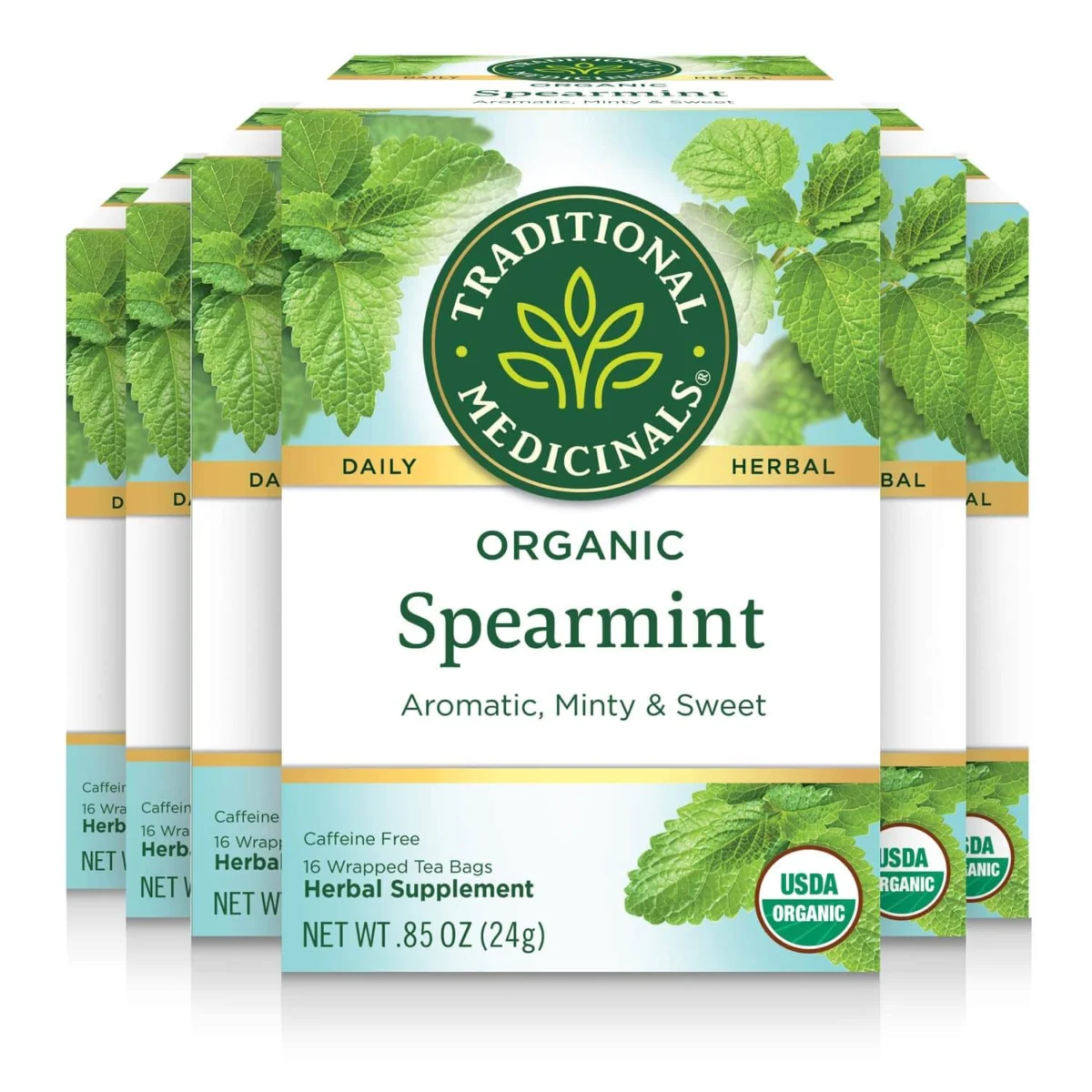
Polycystic Ovary Syndrome (PCOS) remains one of the most prevalent endocrine disorders among women of reproductive age, affecting approximately 8% to 13% of the global female population. Characterized by a complex interplay of hormonal imbalances, metabolic dysfunction, and reproductive challenges, the condition often necessitates a multi-faceted management approach. While pharmacological interventions such as oral contraceptives, metformin, and anti-androgens are standard, a growing body of clinical research is illuminating the efficacy of botanical interventions. Specifically, spearmint tea (Mentha spicata) has emerged as a scientifically backed, non-pharmaceutical agent capable of modulating androgen levels and alleviating some of the most distressing symptoms of the syndrome.
The Clinical Landscape of PCOS and Hyperandrogenism
To understand the significance of spearmint tea, one must first examine the pathophysiology of PCOS. The syndrome is fundamentally rooted in hyperandrogenism—the overproduction of male hormones like testosterone—and insulin resistance. These physiological disruptions manifest as hirsutism (excessive terminal hair growth in a male-pattern distribution), persistent acne, androgenetic alopecia (female pattern hair loss), and ovulatory dysfunction.
For many patients, the psychological burden of these visible symptoms is profound. Clinical surveys indicate that women with PCOS experience higher rates of anxiety and depression compared to the general population, often linked to the physical changes caused by high androgen levels. Consequently, the search for natural anti-androgens that can complement traditional medicine has led researchers to investigate the bioactive properties of common herbs.
Chronology of Research: From Traditional Use to Clinical Validation
The transition of spearmint from a culinary herb to a clinical subject began with observations in traditional medicine, where mint varieties were often used to treat digestive distress. However, its specific impact on female hormones became a focal point of Western clinical study in the late 2000s.
In 2007, preliminary studies in Turkey suggested that spearmint tea could reduce free testosterone levels in women with hirsutism. This paved the way for a more rigorous assessment. In 2009, a landmark randomized controlled trial conducted by Paul Grant and published in Phytotherapy Research provided the most definitive evidence to date. This 30-day study involved 42 women diagnosed with PCOS and clinical hirsutism. The participants were divided into two groups: one consumed spearmint tea twice daily, while the control group consumed a placebo herbal tea.
By the conclusion of the 30-day period, the results were statistically significant. The spearmint group showed a marked decrease in free and total testosterone levels. Simultaneously, there was a recorded increase in luteinizing hormone (LH) and follicle-stimulating hormone (FSH)—hormones essential for the maturation of ovarian follicles and the triggers of ovulation. While the 30-day window was too short to observe a total disappearance of excess hair growth (due to the long cycle of hair follicles), the subjective reports from patients indicated a perceived reduction in the severity of hirsutism.
The Anti-Androgenic Mechanism and Dermatological Impact
The primary value of spearmint tea lies in its anti-androgenic properties. High levels of testosterone in women with PCOS stimulate the sebaceous glands and hair follicles, leading to inflammatory acne and unwanted facial hair. Spearmint appears to work by inhibiting the activity of androgens at the receptor level or by reducing the overall synthesis of these hormones in the ovaries.
In 2015, the American Academy of Dermatology highlighted research suggesting that two cups of organic spearmint tea daily could reduce inflammatory acne lesions by approximately 25% after one month and by 51% after three months. This trajectory suggests that the benefits of the tea are cumulative, requiring consistent long-term consumption to reach peak efficacy. For patients struggling with hormonal acne that is resistant to topical treatments, this provides a systemic, low-risk alternative.

Furthermore, spearmint tea addresses the issue of female pattern hair loss. By lowering circulating testosterone, the herb may help prevent the miniaturization of hair follicles on the scalp, a process driven by dihydrotestosterone (DHT), a potent byproduct of testosterone. While human trials specifically focusing on spearmint and scalp hair regrowth are still limited, the underlying hormonal mechanism remains a promising area for those managing PCOS-related thinning.
Metabolic Health and Insulin Sensitivity
Beyond its effect on visible skin and hair symptoms, spearmint tea may play a role in managing the metabolic underpinnings of PCOS. Insulin resistance is a hallmark of the condition, where the body’s cells do not respond effectively to insulin, leading to elevated blood sugar levels and a higher risk of Type 2 diabetes.
While human data in this specific area is still emerging, animal models have provided compelling insights. A 2017 study published in the Iranian Journal of Pharmaceutical Research examined the effects of spearmint extract on diabetic rats. The findings indicated that the extract helped lower blood sugar levels and possessed hypolipidemic (lipid-lowering) properties. For women with PCOS, reducing insulin resistance is critical, as high insulin levels further stimulate the ovaries to produce more testosterone, creating a self-perpetuating cycle of hormonal dysfunction. By potentially improving glucose metabolism, spearmint tea acts as a supportive tool in breaking this cycle.

Cognitive Function and the Combat of Brain Fog
A frequently overlooked symptom of PCOS is "brain fog"—a state of cognitive fatigue, forgetfulness, and lack of mental clarity often exacerbated by hormonal fluctuations and oxidative stress. Spearmint contains high concentrations of polyphenols, including rosmarinic acid, which have neuroprotective qualities.
Research published in the Journal of Alternative and Complementary Medicine in 2018 focused on the cognitive benefits of spearmint extract. In a study of 90 individuals with age-associated memory impairment, a 90-day course of spearmint extract resulted in significant improvements in working memory and spatial memory. Additionally, participants reported improved mental focus and a greater ease in falling asleep. For the PCOS patient, these findings suggest that spearmint tea may offer a dual benefit: stabilizing the endocrine system while simultaneously sharpening cognitive performance and reducing the mental fatigue associated with chronic illness.
Antioxidant Properties and Oxidative Stress Reduction
Oxidative stress is defined as an imbalance between free radicals and antioxidants in the body, leading to cellular damage. Systematic reviews, including a 2013 meta-analysis in Human Reproduction Update, have confirmed that women with PCOS exhibit significantly higher markers of oxidative stress than those without the condition.
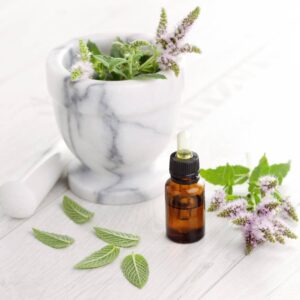
Spearmint is a potent source of antioxidants. These compounds neutralize free radicals, potentially reducing the systemic inflammation that drives many PCOS symptoms. By lowering oxidative stress, spearmint tea helps protect the quality of oocytes (eggs) and may improve overall reproductive health. This systemic "clean-up" of the body’s internal environment is a foundational aspect of long-term PCOS management.
Therapeutic Preparation and Recommended Dosage
To achieve the results observed in clinical settings, the method of preparation and the consistency of consumption are vital. Medical experts and researchers generally recommend the following protocol:
- Dosage: Two cups (approximately 8 to 12 ounces each) per day.
- Quantity: Roughly 1 gram (or one standard tea bag) of dried spearmint leaves per cup.
- Preparation: Use boiling water and allow the tea to steep for a minimum of 10 to 12 minutes. This duration is necessary to extract the essential oils and bioactive polyphenols from the leaves.
- Duration: Consistency is key. Hormonal shifts are gradual, and most studies indicate that a period of three to six months is required to see visible changes in hair growth patterns or acne reduction.
Safety Considerations and Medical Perspectives
While spearmint tea is generally recognized as safe (GRAS) by food safety authorities, it is not without potential side effects. The most common issue reported is gastrointestinal upset. Because mint can relax the lower esophageal sphincter, it may exacerbate symptoms of gastroesophageal reflux disease (GERD) or heartburn in susceptible individuals.
Medical professionals also advise caution regarding the use of spearmint essential oils as a substitute for tea. Essential oils are highly concentrated and can be toxic if ingested incorrectly. Oral supplementation should only be conducted under the guidance of a healthcare provider. Furthermore, while spearmint is beneficial for lowering high testosterone, its effect on those with already low androgen levels or those who are pregnant or breastfeeding has not been extensively studied, necessitating a prior consultation with an endocrinologist or primary care physician.
Broader Implications for Women’s Health
The integration of spearmint tea into PCOS treatment regimens represents a shift toward "integrative medicine"—a discipline that combines conventional Western treatments with evidence-based complementary therapies. For many women, the ability to manage their condition with a natural, accessible, and affordable beverage provides a sense of agency over their health.
As the medical community continues to investigate the "food as medicine" philosophy, spearmint stands as a primary example of how botanical agents can influence complex endocrine pathways. While it is not a "cure" for PCOS—a condition that currently has no known cure—it serves as a powerful adjunctive therapy. When combined with a balanced diet, regular physical activity, and medical supervision, spearmint tea offers a scientifically validated path toward hormonal harmony and improved quality of life for millions of women worldwide.
