
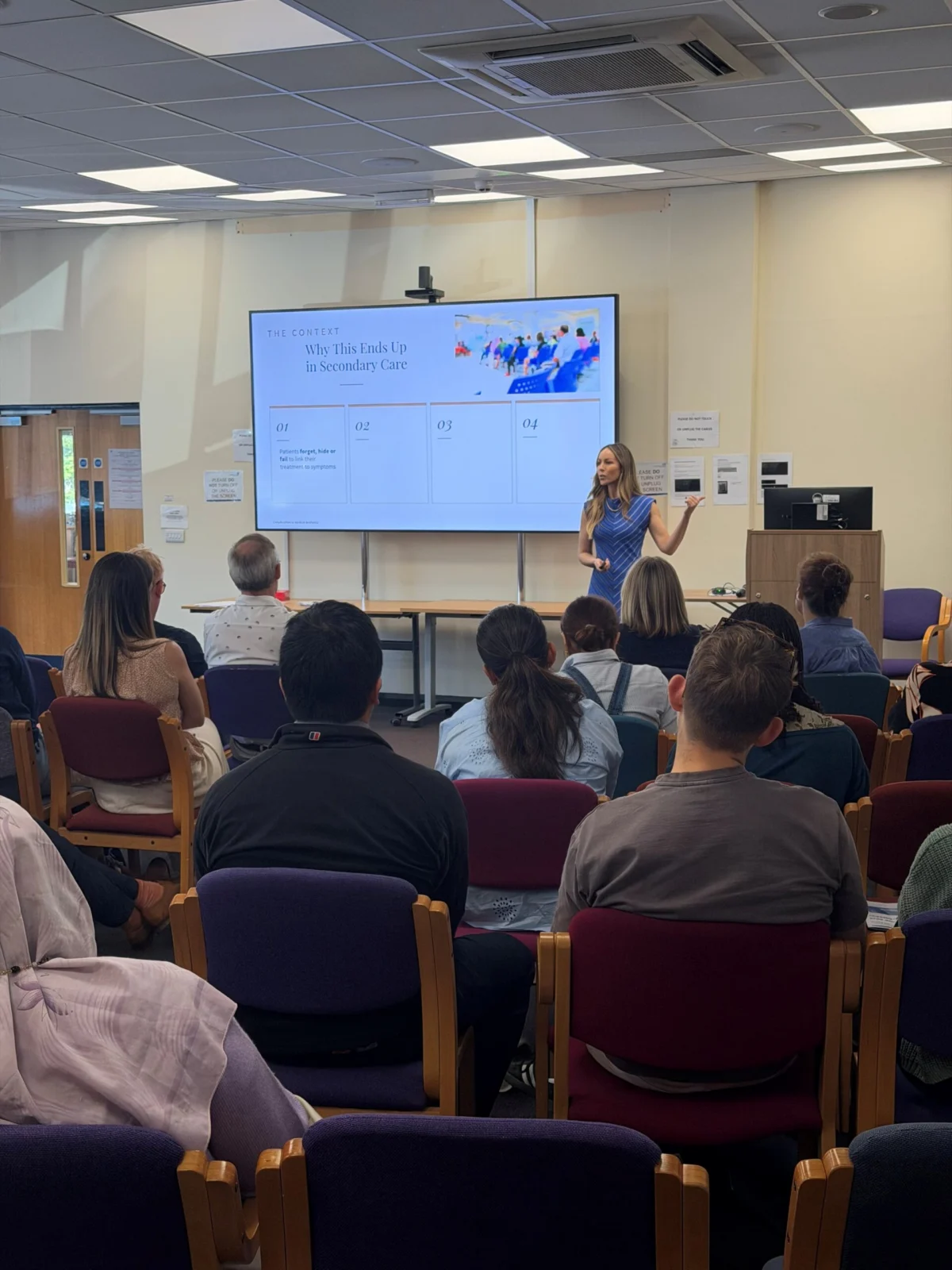
The Gloucestershire Enhance Programme recently convened a comprehensive study day titled Aesthetics – The Pros and Cons at Cheltenham General Hospital, marking a significant milestone in the ongoing effort to integrate medical aesthetics education into the broader National Health Service (NHS) framework. This event brought together an extensive cohort of multidisciplinary specialists, including plastic surgeons, dermatologists, hair restoration experts, psychologists, and regulatory authorities, to address the complexities of contemporary medical aesthetics within the United Kingdom. The primary objective of the session was to equip NHS healthcare professionals with the knowledge necessary to navigate the intersection of private aesthetic practice and public healthcare, with a rigorous focus on patient safety, the management of clinical complications, and the evolving standards of sectoral governance.
The Strategic Importance of the Gloucestershire Enhance Programme
The Gloucestershire Enhance Programme is part of a broader educational initiative designed to foster professional development and multi-professional working within the healthcare sector. By hosting a dedicated study day on medical aesthetics, the programme acknowledged the reality that aesthetic procedures, while often performed in the private sector, frequently impact the NHS when complications arise. The event served as a bridge between these two spheres, ensuring that frontline NHS staff—from emergency department clinicians to general practitioners—are better prepared to identify and treat adverse outcomes resulting from non-surgical cosmetic interventions.
The day’s agenda was meticulously structured to cover the clinical, psychological, and legal facets of the industry. It provided a platform for experts to dispel myths surrounding aesthetic treatments while highlighting the genuine risks associated with an under-regulated market. By involving specialists from diverse fields like psychology, the programme also addressed the "body dysmorphia" and mental health considerations that are often intertwined with the pursuit of cosmetic enhancements, emphasizing a holistic approach to patient care.
Keynote Insights: Safety, Stigma, and Secondary Care
A central figure of the study day was Dr. Alison Colville, a prominent aesthetic practitioner and advocate for clinical excellence. Dr. Colville delivered a series of keynote lectures that delved into the dual nature of the aesthetics industry. She addressed the "stigma" often attached to patients seeking cosmetic treatments, noting that this social perception can sometimes lead to a delay in patients seeking medical help when a procedure goes wrong.
Dr. Colville’s presentations focused heavily on the management of aesthetic complications as they present to secondary care. In the context of the UK healthcare system, "secondary care" refers to the acute services provided by hospitals. As the popularity of dermal fillers, botulinum toxins, and thread lifts has surged, NHS hospitals have seen a corresponding rise in patients presenting with vascular occlusions, infections, and late-onset inflammatory responses. Dr. Colville emphasized that for the NHS to effectively manage these cases, there must be a standardized protocol and an open line of communication between private injectors and hospital specialists.
“What a fantastic opportunity to represent the UK medical aesthetics field,” Dr. Colville remarked following the event. She highlighted the "engagement and openness" of the NHS staff, noting that as the field continues to expand, "improving awareness, education and collaboration is vital to creating a safer environment for patients." Her contributions underscored the necessity of viewing medical aesthetics not merely as a commercial enterprise but as a clinical discipline requiring the same level of rigour as any other medical specialty.
Navigating the Regulatory Landscape: The JCCP and the Alice Webb Case
The study day also featured a critical analysis of the UK’s regulatory environment by Andrew Rankin, the acting co-chair of the Joint Council for Cosmetic Practitioners (JCCP). The JCCP serves as a self-regulatory body that maintains a register of accredited practitioners and lobbies for stricter government oversight. Rankin’s session provided a sobering look at the "Wild West" reputation that has occasionally plagued the UK aesthetics industry due to a lack of mandatory licensing for many years.
A significant portion of the regulatory discussion was dedicated to the lasting implications of the Alice Webb case. Alice Webb, a 33-year-old mother, became the first person in the UK to die following a non-surgical Brazilian Butt Lift (BBL) procedure, a tragedy that sparked a national outcry and a subsequent manslaughter investigation. This case has become a catalyst for legislative change, highlighting the catastrophic risks associated with high-risk procedures being performed by individuals who may lack the necessary surgical or medical training.
Rankin explained how the Alice Webb tragedy has accelerated the timeline for the government’s proposed licensing scheme for non-surgical cosmetic procedures in England. This scheme, currently under development by the Department of Health and Social Care, aims to ensure that all practitioners are qualified and that the premises where they operate meet stringent hygiene and safety standards. The discussion at Cheltenham General Hospital emphasized that the era of "self-regulation" is rapidly coming to an end, to be replaced by a more robust, legally enforceable framework.
Statistical Context: The Growth and Risk of the UK Aesthetics Market
To understand the urgency of the Gloucestershire Enhance Programme’s initiative, it is essential to examine the data surrounding the UK’s aesthetic industry. The market is currently estimated to be worth over £3.6 billion, with non-surgical treatments—such as fillers and "tweakments"—accounting for roughly 75% of the total cosmetic market.
However, this growth has been accompanied by a rise in patient grievances. According to data from Save Face, a government-approved register for non-surgical cosmetic practitioners, there was a record number of complaints in recent years. In 2022 alone, Save Face received nearly 3,000 complaints from patients who had experienced botched procedures. Key statistics from their annual reports include:
- Dermal Fillers: Approximately 64% of all complaints related to dermal filler treatments, with many involving vascular occlusions which, if left untreated, can lead to tissue necrosis (skin death) or blindness.
- Unqualified Practitioners: Over 80% of the complaints received were regarding procedures carried out by non-healthcare professionals, such as beauticians or individuals with no formal medical background.
- Corrective Costs: It is estimated that the NHS spends millions of pounds annually to rectify complications arising from private aesthetic procedures, as many private practitioners do not have the facilities or the expertise to manage emergency complications.
These figures illustrate the "pros and cons" referenced in the study day’s title. While the industry provides economic value and psychological benefits for many, the lack of oversight has created a public health challenge that the NHS is now forced to address.
Multidisciplinary Collaboration and the Role of Hair Restoration and Psychology
The inclusion of hair restoration and psychology specialists at the event highlighted the diversifying nature of the aesthetics sector. Hair restoration, once a niche field, has seen a surge in demand, partly driven by the "Zoom effect" and the increased visibility of male grooming. Specialists discussed the importance of managing patient expectations and the medical necessity of diagnosing underlying conditions, such as alopecia areata or scarring alopecia, before proceeding with surgical interventions like hair transplants.
The psychological component of the study day focused on Body Dysmorphic Disorder (BDD). Experts noted that a significant percentage of patients seeking repeat aesthetic procedures may suffer from BDD, a mental health condition where a person spends a lot of time worrying about flaws in their appearance. The programme stressed that healthcare professionals have a duty of care to screen patients for such conditions, as performing cosmetic procedures on individuals with BDD often exacerbates their distress rather than alleviating it.
Analysis of Implications: A Shift Toward Integrated Governance
The event at Cheltenham General Hospital signals a shift in how the medical establishment views aesthetics. For years, there was a palpable divide between traditional "medicine" and "cosmetic" practice. However, as the Gloucestershire Enhance Programme demonstrated, the two are becoming increasingly intertwined.
The implications of this study day are manifold:
- Standardization of Care: By educating NHS staff, the programme promotes a standardized approach to identifying aesthetic-related injuries. This ensures that a patient presenting at an A&E in Gloucestershire receives the same high level of care for a filler-induced vascular occlusion as they would for any other vascular emergency.
- Professional Accountability: The involvement of the JCCP reinforces the message that medical aesthetics is a clinical practice. This puts pressure on practitioners to maintain high standards of training and insurance, effectively "pricing out" or "regulating out" those who do not prioritize patient safety.
- Policy Influence: Events like these provide the "clinical evidence" needed to inform government policy. The feedback from NHS staff regarding the types of complications they see can be used to refine the upcoming licensing laws.
Conclusion and Future Outlook
The Gloucestershire Enhance Programme’s "Aesthetics – The Pros and Cons" study day has set a precedent for how regional health trusts can engage with the complexities of the modern cosmetic landscape. By prioritizing education, the event has moved the conversation beyond the aesthetic results of procedures and toward the fundamental principles of medical ethics and patient protection.
As the UK government moves closer to implementing a mandatory licensing scheme, the role of education will remain paramount. The collaboration between the NHS and bodies like the JCCP is essential for creating a "safety-first" culture. The positive reception from the staff at Cheltenham General Hospital suggests a growing recognition that medical aesthetics is no longer a peripheral concern but a core component of contemporary healthcare that requires diligent oversight, specialized knowledge, and a commitment to the highest clinical standards.
In the wake of the Alice Webb tragedy and the rising tide of complications, the medical community’s proactive stance is a necessary evolution. The work of practitioners like Dr. Alison Colville and regulators like Andrew Rankin, supported by initiatives like the Enhance Programme, ensures that the UK is moving toward a future where "aesthetic medicine" is synonymous with "safe medicine."
