
As the world navigated the unprecedented challenges of 2020 and transitioned into 2021, the pervasive influence of the COVID-19 pandemic reshaped virtually every facet of daily life. For a significant portion of the global population, this health crisis precipitated a cascade of unique and individual impacts, ranging from disruptions in food access and significant income instability to heightened levels of emotional distress. In this context, the importance of maintaining a robust immune system and overall well-being has never been more apparent.
While direct, definitive scientific evidence linking specific dietary factors to a reduced risk of contracting COVID-19 remains elusive, a substantial body of research underscores the critical role of a healthy lifestyle in bolstering immune function. Beyond immediate immunity, longitudinal studies have revealed a profound long-term benefit: individuals who consistently adhere to five key healthy habits—namely, consuming a nutritious diet, engaging in regular physical activity, maintaining a healthy body weight, moderating alcohol consumption, and abstaining from smoking—stand to gain more than a decade of life expectancy compared to their counterparts who do not. Furthermore, the advantages extend beyond mere longevity. Research has indicated that embracing these five pillars of healthy living during middle age can significantly increase the number of years individuals live free from debilitating chronic diseases, including type 2 diabetes, cardiovascular disease, and various forms of cancer.
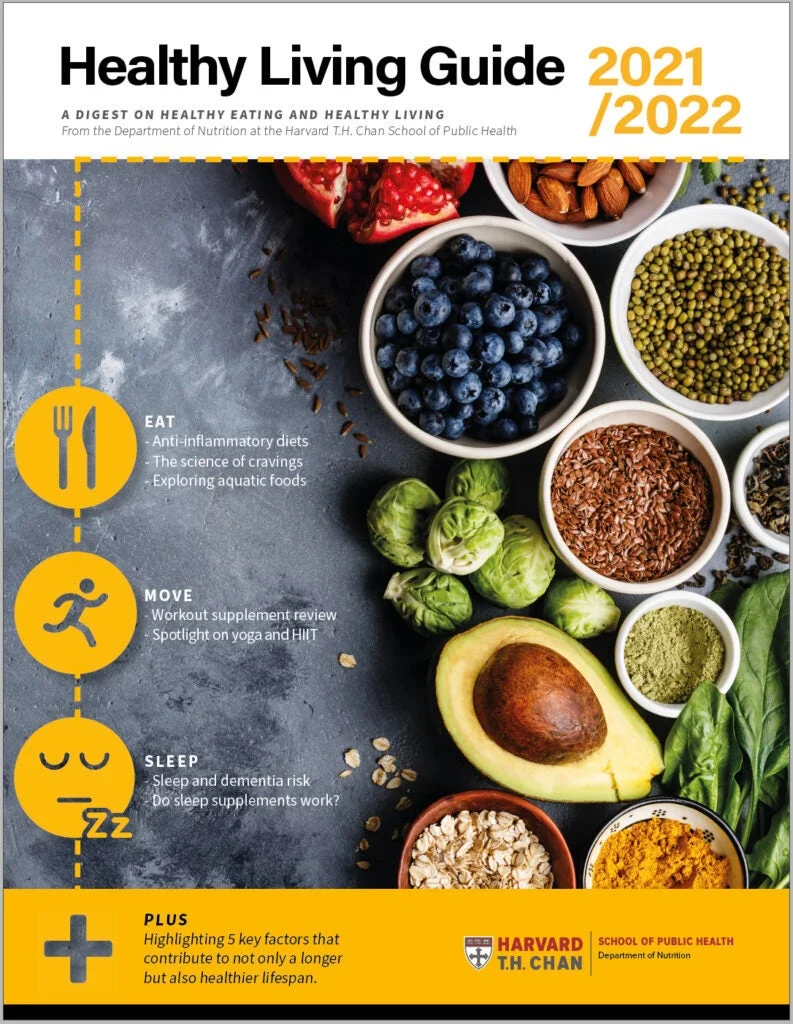
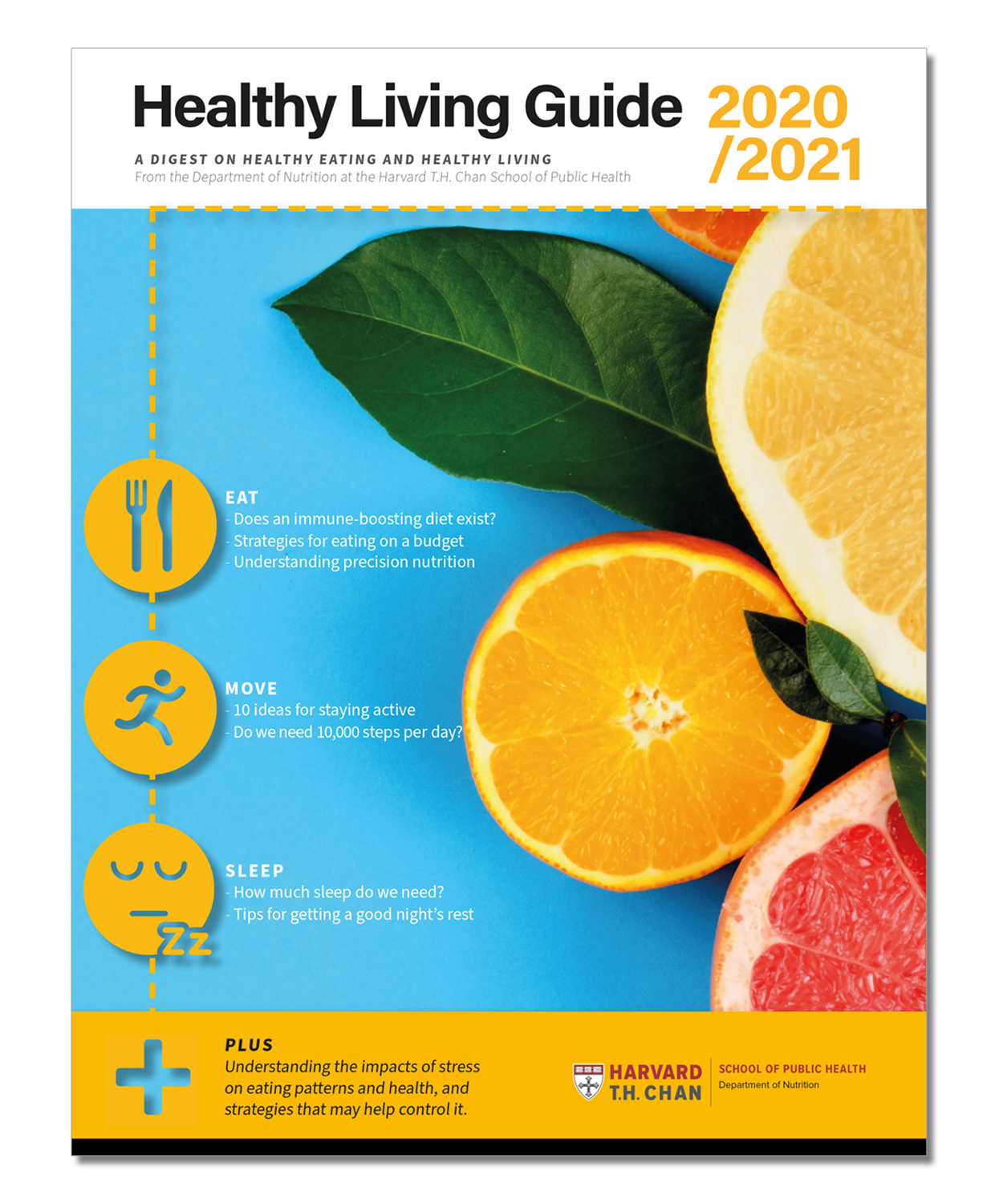
The inherent difficulty in consistently adhering to healthy habits, particularly amidst widespread disruption and uncertainty, necessitates accessible and practical guidance. Recognizing this, the Harvard T.H. Chan School of Public Health, through its renowned Nutrition Source initiative, has developed a comprehensive "Healthy Living Guide." This resource is designed to offer actionable tips and effective strategies to empower individuals in their pursuit of a healthier lifestyle. In these particularly challenging times, the guide encourages individuals to do their utmost to preserve their well-being, with the hope that exploring new recipes, incorporating novel exercise routines, or cultivating fulfilling hobbies might also provide a source of much-needed enjoyment and positive engagement.
The Healthy Living Guide, available for download as a printable PDF, consolidates key information and provides concise summaries of essential health recommendations. For those seeking deeper insights, the guide also offers direct links to the full online articles, allowing for a more in-depth exploration of the scientific evidence and practical applications of healthy living principles.
The Enduring Impact of Lifestyle Choices on Health Outcomes
The scientific community has long recognized the profound correlation between lifestyle choices and long-term health. Decades of epidemiological research have consistently demonstrated that adopting and maintaining healthy habits are among the most powerful determinants of disease prevention and overall longevity. The five habits highlighted in the Harvard guide—diet, exercise, weight management, alcohol moderation, and smoking cessation—represent the cornerstones of a preventative health strategy.
Supporting Data and Research:
- Longevity: A landmark study published by Harvard researchers in 2018, analyzing data from over 120,000 men and women over a 30-year period, found that individuals adhering to all five low-risk lifestyle factors (healthy diet, regular exercise, healthy BMI, moderate alcohol, no smoking) lived, on average, 12.2 years longer than those who did not. This finding was consistent across different racial and ethnic groups.
- Disease-Free Years: The same study also revealed that middle-aged adults who adopted these five habits experienced an increase of 10.3 years free from major chronic diseases, including cardiovascular disease, cancer, and type 2 diabetes. This emphasizes that healthy living not only extends lifespan but significantly enhances quality of life by reducing the burden of chronic illness.
- Economic Implications: Beyond personal well-being, the collective impact of a healthier population has significant economic implications. Reduced rates of chronic disease translate to lower healthcare expenditures, increased workforce productivity, and a stronger overall economy. According to the Centers for Disease Control and Prevention (CDC), chronic diseases are responsible for the vast majority of the nation’s $3.8 trillion in annual healthcare costs. Lifestyle interventions represent a cost-effective approach to mitigating these burdens.
Navigating Health in the Shadow of a Pandemic
The COVID-19 pandemic introduced a unique set of challenges that amplified existing health disparities and created new obstacles to healthy living. Lockdowns, social distancing measures, and widespread economic uncertainty disrupted established routines, leading to increased stress, reduced access to healthy foods, and decreased opportunities for physical activity.
Background Context and Timeline:
- Early 2020: The emergence of COVID-19 and its rapid global spread led to widespread public health interventions, including stay-at-home orders and the closure of gyms and recreational facilities. This abruptly altered daily life for billions worldwide.
- Mid-2020: Reports began to surface detailing the disproportionate impact of the pandemic on individuals with pre-existing chronic conditions, many of which are linked to lifestyle factors. This underscored the vulnerability of those with compromised health. Simultaneously, supply chain disruptions and increased food prices affected food security for many, making healthy eating more challenging.
- Late 2020 – Early 2021: As the pandemic persisted, mental health concerns escalated due to isolation, economic anxiety, and fear. This period also saw a heightened awareness of the importance of immune health and the role of lifestyle in supporting it. The development of the Healthy Living Guide during this time reflects a proactive response to these evolving public health needs.
Official Responses and Expert Recommendations
Leading health organizations, including the World Health Organization (WHO) and national public health agencies, have consistently emphasized the foundational role of healthy lifestyle choices in building resilience against infectious diseases and managing chronic conditions.
Statements and Analysis from Related Parties:
- World Health Organization (WHO): In its guidance on nutrition and physical activity during the COVID-19 pandemic, the WHO stated, "Maintaining a healthy diet and adequate hydration, along with regular physical activity, can help to support a healthy immune system and improve overall well-being." The organization also highlighted the importance of mental health and suggested that engaging in enjoyable activities, such as cooking healthy meals or light exercise, can contribute to emotional resilience.
- National Institutes of Health (NIH): The NIH has continuously funded research into the complex interplay between lifestyle, immunity, and disease. While cautioning against unsubstantiated claims, NIH experts have consistently advocated for evidence-based healthy living practices as a critical component of public health. Dr. Francis Collins, former Director of the NIH, has often spoken about the power of lifestyle interventions in preventing chronic diseases and enhancing overall healthspan.
- Harvard T.H. Chan School of Public Health: The publication of the Healthy Living Guide by Harvard’s Nutrition Source represents a direct response from a leading academic institution to the pressing public health needs of the era. By providing accessible, evidence-based information, the school aims to empower individuals to make informed decisions about their health, particularly during a period of significant stress and uncertainty. The guide’s emphasis on practical strategies acknowledges the real-world barriers individuals face.
Broader Impact and Implications
The continued emphasis on healthy eating and healthy living, especially highlighted by resources like the Harvard guide, carries significant implications for both individual well-being and public health initiatives.
Analysis of Implications:
- Empowerment and Agency: In times of global crisis, where many aspects of life feel beyond individual control, focusing on personal health habits can provide a sense of agency and empowerment. This is crucial for mental resilience.
- Long-Term Health Equity: By providing accessible information and tools, initiatives like the Healthy Living Guide can help to bridge knowledge gaps and promote health equity. However, addressing systemic barriers such as food deserts, lack of safe recreational spaces, and economic instability remains critical for ensuring that these recommendations are achievable for all.
- Public Health Investment: The enduring benefits of healthy lifestyles, including reduced chronic disease burden and increased longevity, underscore the importance of sustained public health investments in education, preventative care, and community-based health promotion programs. The pandemic has served as a stark reminder that a healthy population is a more resilient population.
- Shift Towards Preventative Care: The challenges posed by COVID-19 have accelerated a global conversation about shifting healthcare paradigms from reactive treatment to proactive prevention. Lifestyle interventions are at the forefront of this necessary transformation.
The "Healthy Living Guide" serves as a timely and valuable resource, offering practical guidance grounded in scientific evidence. Its availability underscores the enduring principle that while external factors may pose challenges, the consistent adoption of healthy lifestyle habits remains one of the most potent tools individuals possess for safeguarding their health, enhancing their quality of life, and building resilience against present and future health threats. The inclusion of elements like a "Healthy Living Bingo Challenge" within the guide suggests an innovative approach to promoting engagement and making the pursuit of wellness more interactive and enjoyable, particularly for families and individuals seeking structured ways to adopt healthier routines.
