
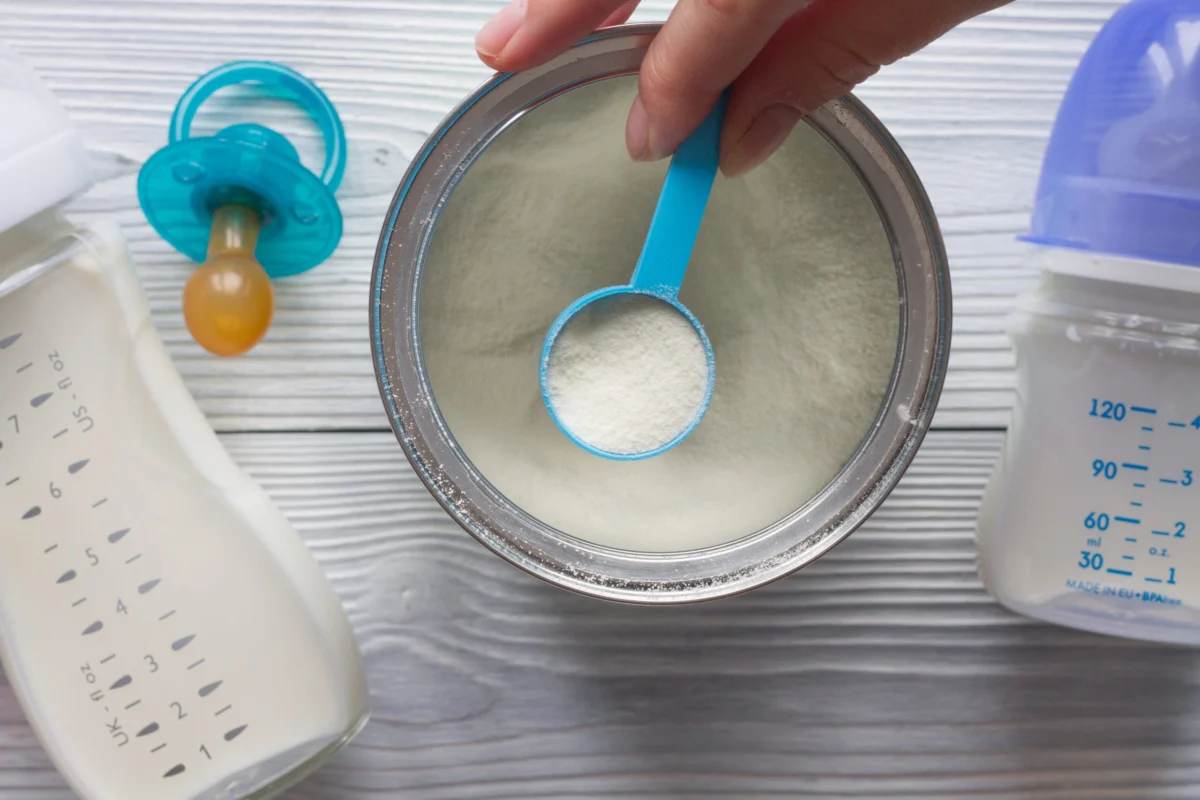
The United States has grappled with significant infant formula shortages over the past two years, a crisis largely exacerbated by pandemic-related disruptions to global supply chains. This alarming situation underscores the critical reliance of many American families on commercially produced infant formula when human milk is not accessible or sufficient, highlighting broader systemic issues in maternal health support and manufacturing resilience. The scarcity of this essential infant nutrition has ignited widespread concern among parents, healthcare providers, and policymakers alike, prompting urgent calls for reform and proactive measures to prevent future crises.
The Unfolding Crisis: A Timeline of Scarcity
The roots of the recent infant formula shortage can be traced back to compounding factors that began to coalesce in late 2020 and early 2021. The COVID-19 pandemic, with its widespread lockdowns, labor shortages, and transportation bottlenecks, began to strain the delicate global network responsible for producing and distributing infant formula. Manufacturers faced challenges in sourcing raw ingredients, packaging materials, and qualified labor, leading to slower production and increased shipping times.
A critical turning point in the U.S. occurred in February 2022, when Abbott Nutrition, one of the nation’s largest formula manufacturers, initiated a voluntary recall of several of its powdered infant formulas. This recall was prompted by reports of bacterial infections, including Cronobacter sakazakii, in infants who had consumed formula produced at its Sturgis, Michigan, manufacturing facility. The U.S. Food and Drug Administration (FDA) launched an investigation, which subsequently led to the shutdown of that facility for several months.
The closure of the Sturgis plant, responsible for a significant portion of the U.S. formula supply, sent immediate shockwaves through the market. Retailers quickly saw their shelves emptied, and parents, already struggling with pandemic-related supply chain issues, faced an even more dire situation. The shortage intensified rapidly, with national out-of-stock rates for infant formula soaring. By May 2022, the situation had reached crisis levels, with reports indicating that over 40% of infant formula products were unavailable in stores across the country, according to data from market research firm IRI. This percentage fluctuated but remained alarmingly high for an extended period.
Beyond Breastfeeding: The Indispensable Role of Formula
While breastfeeding is widely encouraged by health organizations as the optimal source of nutrition for infants, it is not a universally feasible or sufficient option for all mothers. The original article correctly identifies several critical scenarios where infant formula becomes an indispensable necessity:
- Mothers Returning to Work: Many mothers face pressure to return to their jobs shortly after childbirth due to economic necessity or lack of adequate paid parental leave. This can make exclusive or even substantial breastfeeding challenging, especially without robust workplace support like on-site childcare or accessible lactation rooms.
- Limited Access to Lactation Support: While lactation consultants and support groups are vital, not all mothers have equitable access to these resources. Geographical location, insurance coverage, and socioeconomic factors can all create barriers.
- Infant Medical Conditions: A significant portion of the market for specialized infant formulas caters to infants with specific medical needs. These include:
- Allergies: Many infants are allergic to cow’s milk protein or soy protein, requiring specialized hypoallergenic formulas.
- Metabolic Disorders: Conditions like phenylketonuria (PKU) necessitate highly specialized metabolic formulas that are strictly controlled in their nutrient composition.
- Gastrointestinal Disorders: Infants suffering from severe reflux, malabsorption issues, or other digestive problems may require specialized formulas designed for easier digestion or specific nutrient profiles.
- Prematurity and Low Birth Weight: Premature infants often require specialized formulas that are higher in calories and specific nutrients to support their rapid growth and development.
- Infant Disabilities: Certain disabilities in infants can impact their ability to latch, suck, or swallow effectively, making direct breastfeeding difficult or impossible.
The reliance on specialized formulas underscores a crucial point: the infant formula market is not a monolithic entity. It comprises a range of products, from standard formulas to highly specialized medical foods, all of which are essential for the health and survival of vulnerable infants. The shutdown of a major facility that produced not only standard but also specialized formulas had a disproportionately severe impact on infants with these critical medical needs.
What Families Faced and What They Were Advised
During the peak of the shortage, parents described a harrowing experience of constant searching, driving to multiple stores, and facing the emotional toll of not being able to secure adequate nutrition for their babies. Many turned to online forums and social media groups, sharing information about where formula might be in stock, creating informal networks of support amidst the crisis.
Healthcare providers, including pediatricians and WIC (Women, Infants, and Children) program counselors, were inundated with calls from distressed parents. They provided guidance on safe alternatives and stressed the importance of avoiding dangerous DIY formulas or diluting existing supplies.

The guidance offered to families during this period often centered on two key areas:
What You Can Do Now:
- Consult Your Pediatrician: Healthcare providers were crucial in advising parents on appropriate formula choices, including whether a different brand or type of standard formula might be suitable for their baby, or if a hypoallergenic or specialized formula was necessary. They could also guide parents on accessing specialty formulas through prescription channels.
- Explore WIC and Government Programs: The WIC program, which provides supplemental nutrition assistance to low-income pregnant, breastfeeding, and non-breastfeeding postpartum individuals and to infants up to age five, plays a significant role in formula distribution. Families were encouraged to check their WIC benefits and understand how to use them for available formula brands.
- Check Online Retailers: While in-store availability was scarce, online retailers sometimes had stock, albeit often with increased shipping times or higher prices.
- Consider Larger Container Sizes: If available, purchasing larger containers could stretch the supply further.
- Explore Specialty Formula Options (with medical guidance): For infants requiring specialized formulas, pediatricians and specialists could help navigate the availability of these critical products, sometimes through compounding pharmacies or direct orders.
- Contact Manufacturers Directly: Some manufacturers offered direct-to-consumer options or had customer service lines that could provide information on availability or alternatives.
What Not to Do:
- Do Not Make Homemade Formula: This cannot be stressed enough. Homemade formulas lack the precise balance of nutrients essential for infant growth and development. They can be deficient in critical vitamins and minerals or contain harmful levels of certain substances, leading to serious health consequences, including developmental delays, malnutrition, and even death.
- Do Not Dilute Formula: While seemingly a way to stretch supply, diluting formula reduces its caloric and nutrient density. This can lead to malnutrition and failure to thrive in infants, who have very specific nutritional needs for their rapid growth.
- Do Not Use Expired Formula: Formula loses its nutritional value and can become unsafe after its expiration date.
- Do Not Import Formula from Outside the U.S. Without Caution: While some desperate parents looked to import formula, it is crucial to ensure that imported products meet U.S. safety standards. Formulas from other countries may have different ingredients or nutritional profiles that are not suitable for American infants.
- Do Not Share Formula: Sharing formula between families is unsafe due to the risk of contamination and the potential for differing infant needs.
Future Directions: Strengthening the System
The infant formula crisis has illuminated critical vulnerabilities within the U.S. food supply chain and maternal health infrastructure. The American Journal of Clinical Nutrition article cited in the original piece likely outlines a comprehensive set of recommendations for policymakers and industry stakeholders. Based on the analyses and discussions surrounding the shortage, these future directions can be broadly categorized:
1. Enhancing Domestic Manufacturing Capacity and Resilience:
- Diversification of Manufacturing: Reducing reliance on a small number of large manufacturers and fostering competition among a wider array of domestic producers is crucial. This includes encouraging new entrants and supporting the expansion of existing facilities.
- Strategic Stockpiling: Establishing a national strategic reserve of infant formula, similar to the strategic petroleum reserve, could provide a critical buffer during emergencies. This reserve would need to be managed carefully to ensure product rotation and safety.
- Modernizing Manufacturing Facilities: Investing in upgrading and modernizing existing manufacturing plants to meet current safety standards and enhance production efficiency is vital. This includes incorporating advanced technologies and automation.
- Strengthening Regulatory Oversight: While the FDA’s role is critical, ensuring it has sufficient resources and clear authority to conduct robust inspections, monitor supply chains, and respond rapidly to emerging threats is paramount. Streamlining the process for approving new manufacturing facilities and ensuring swift action in cases of contamination or non-compliance are also key.
2. Reforming Government Policies and Programs:
- Reviewing and Modernizing WIC Program Rules: The WIC program, while essential, has specific contract requirements that can limit flexibility in formula procurement. Re-evaluating these contracts and exploring ways to allow for greater brand flexibility during shortages could improve access.
- Increasing Funding for Infant Nutrition Research and Support: Investing in research to better understand infant nutritional needs, explore novel formula ingredients, and develop more robust lactation support systems is essential.
- Expanding Access to Paid Parental Leave: Comprehensive paid parental leave policies would allow more mothers to breastfeed for longer durations, potentially reducing the overall demand for formula, especially in the initial months of an infant’s life.
- International Collaboration and Trade Agreements: While domestic production is a priority, exploring international trade agreements that ensure access to safe and reliable formula sources from allied nations could provide an additional layer of security.
3. Improving Supply Chain Transparency and Responsiveness:
- Enhanced Data Collection and Monitoring: Implementing robust systems for tracking infant formula production, inventory levels, and distribution patterns across the entire supply chain would enable early detection of potential shortages.
- Real-Time Risk Assessment: Developing sophisticated risk assessment models to identify potential vulnerabilities in the supply chain, from raw ingredient sourcing to final delivery, can help preempt crises.
- Industry Collaboration and Information Sharing: Encouraging greater collaboration and transparent information sharing among formula manufacturers, distributors, retailers, and regulatory bodies is essential for a coordinated response.
The infant formula shortage was more than just a logistical hiccup; it was a stark reminder of the fragility of systems designed to support the most vulnerable among us – our infants. Addressing this crisis requires a multi-faceted approach that strengthens domestic manufacturing, reforms policy, and fosters a more resilient and transparent supply chain, ensuring that no parent has to face the agonizing choice between their baby’s nutrition and the emptiness of store shelves. The lessons learned from this period must translate into sustained action to safeguard the health and well-being of America’s youngest generation.
