
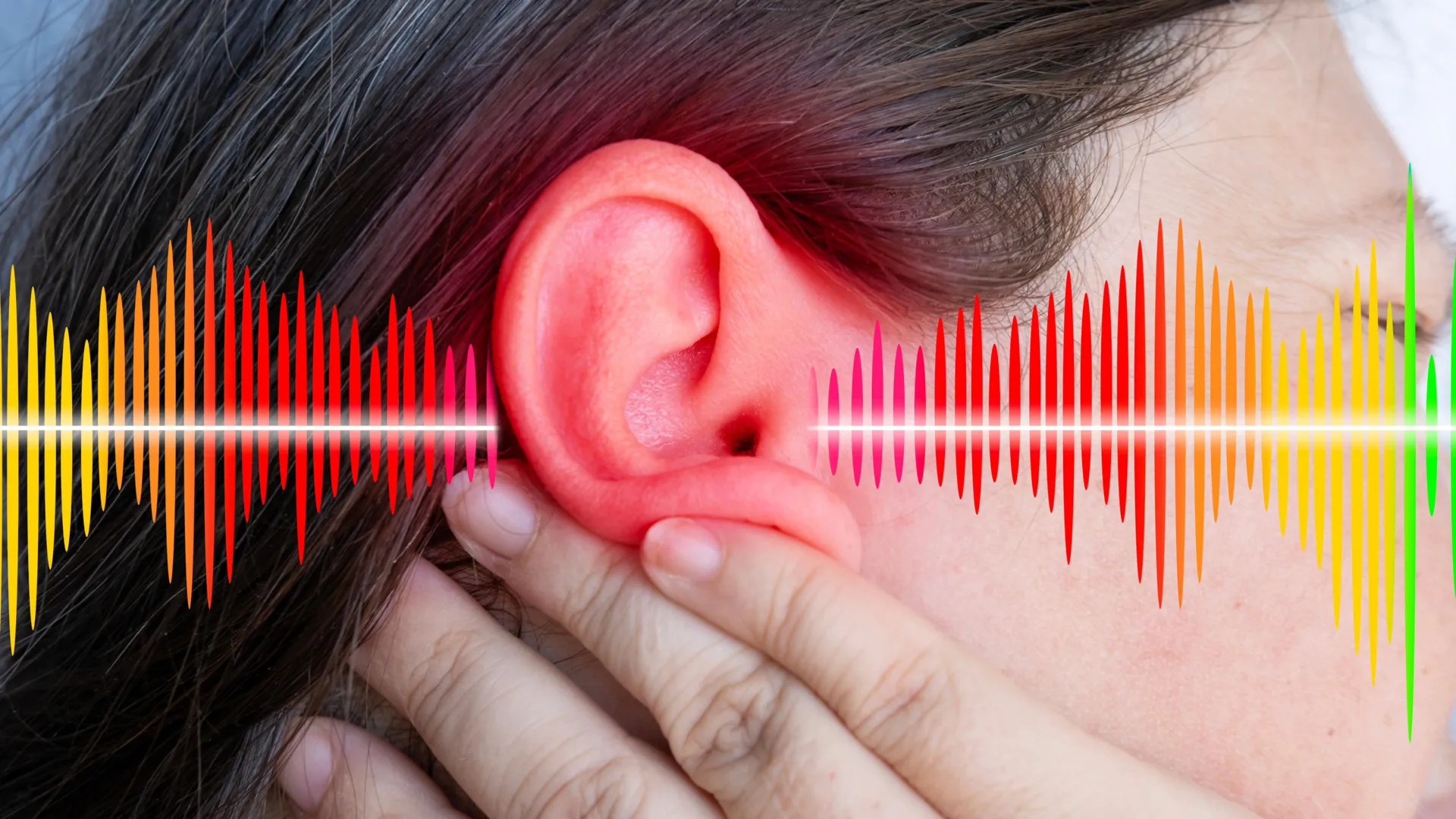
Scientists have uncovered new evidence that serotonin, a brain chemical best known for helping regulate mood, may also worsen tinnitus, the persistent ringing or buzzing sound that affects millions of people worldwide. The research, published in the prestigious journal Proceedings of the National Academy of Sciences, sheds new light on the complex mechanisms underlying this often-debilitating auditory condition and has significant implications for treatment strategies, particularly for individuals reliant on certain psychiatric medications.
Tinnitus, a phantom auditory sensation, can manifest as a wide spectrum of sounds, including ringing, buzzing, hissing, clicking, or roaring, and its intensity can range from a mild annoyance to a severe and pervasive distress. For a substantial portion of sufferers, this incessant noise can trigger significant anxiety, disrupt sleep patterns, impair concentration, and profoundly diminish overall quality of life. Globally, estimates suggest that as many as 14% of the population experiences tinnitus, with a considerable percentage of these cases being severe and resistant to conventional therapies. The economic burden of tinnitus is also substantial, encompassing healthcare costs, lost productivity, and disability benefits.
The groundbreaking study was a collaborative effort between researchers at Oregon Health & Science University (OHSU) in the United States and Anhui University in China. Utilizing a model system of mice, the scientific team meticulously investigated the relationship between serotonin levels in the brain and behaviors indicative of tinnitus. Their findings revealed a direct correlation: increasing serotonin levels in the brain also corresponded with an increase in behaviors that mimicked those observed in animals experiencing tinnitus. This discovery provides the most compelling biological evidence to date of serotonin’s potential role in the genesis or exacerbation of tinnitus.
The Serotonin-Tinnitus Connection: Unraveling the Mechanism
The implications of these findings are far-reaching, particularly for the vast number of individuals worldwide who take antidepressant medications that modulate serotonin levels. Selective serotonin reuptake inhibitors (SSRIs), a class of drugs widely prescribed for moderate to severe depression and anxiety disorders, function by increasing the availability of serotonin in the brain. While these medications are crucial for managing mental health conditions, this new research suggests a potential trade-off for some patients, where the therapeutic benefits for mood may be accompanied by an unwelcome amplification of tinnitus symptoms.
Dr. Laurence Trussell, a co-senior author of the study and a professor of otolaryngology at OHSU, emphasized the importance of this connection. "People with tinnitus should work with their prescribing physician to find a drug regimen that gives them a balance between relief of psychiatric symptoms like depression and anxiety, while minimizing the experience of tinnitus," Dr. Trussell advised. He further underscored the critical need for clinicians to acknowledge and validate patient reports of medication-associated increases in tinnitus, a phenomenon that has often been anecdotal but now has a robust scientific basis.
The research team’s investigation delved into the specific neural pathways involved. For years, the scientific community has harbored suspicions that serotonin played a role in tinnitus, but the precise biological mechanism remained elusive. "We’ve suspected that serotonin was involved in tinnitus, but we didn’t really understand how," stated Dr. Zheng-Quan Tang, a co-author from Anhui University. "Now, using mice, we’ve found a specific brain circuit involving serotonin that goes straight to the auditory system, and found that it can induce tinnitus-like effects. When we turned that circuit off, we were able to ameliorate the tinnitus significantly." This breakthrough offers a much clearer picture of the brain’s intricate workings in relation to tinnitus and opens promising avenues for novel therapeutic interventions. Dr. Tang initiated this project during his postdoctoral tenure in Dr. Trussell’s laboratory, highlighting the long-term commitment and collaborative spirit behind the discovery.
Mapping the Brain Circuitry: Optogenetics and Auditory Pathways
The current study builds upon earlier foundational research, including a significant publication in 2017 that hinted at the complex interplay of neural networks involved in tinnitus. The latest investigation employed a sophisticated technique known as optogenetics, a revolutionary method that combines genetic engineering with light to precisely control the activity of specific neurons. By targeting neurons that produce serotonin, the researchers were able to selectively activate these cells and observe their impact on the auditory regions of the brain.
Using this technique, the scientists were able to stimulate serotonergic neurons and, in turn, observe a direct increase in neural activity within the auditory cortex of the mice. Crucially, this stimulation was accompanied by behavioral changes in the animals that strongly suggested the presence of tinnitus. "When you stimulate these serotonergic neurons, we can see that it stimulates activity in the auditory region in the brain," Dr. Trussell explained. "We also saw that animals then behaved as if they were hearing tinnitus. In other words, it’s producing symptoms that we would expect to be experienced as tinnitus in humans." These findings provide a direct, experimentally validated link between serotonin signaling in specific brain circuits and the manifestation of tinnitus-like symptoms. The results align remarkably well with subjective reports from some human patients who have noted an intensification of their tinnitus when taking serotonin-boosting medications, such as SSRIs.
The Historical Context and Emerging Understanding of Tinnitus
Tinnitus has been a recognized medical condition for centuries, with ancient physicians documenting the subjective experience of internal sounds. However, a comprehensive scientific understanding of its causes and mechanisms has remained a significant challenge. Historically, tinnitus was often attributed to earwax impaction, loud noise exposure, or age-related hearing loss. While these factors are indeed common triggers and contributing elements, the persistent nature and varied presentation of tinnitus pointed towards more complex central nervous system involvement.
The advent of advanced neuroimaging techniques and molecular biology has gradually peeled back layers of this complexity. In the late 20th and early 21st centuries, research began to focus on how the brain adapts to hearing loss, leading to the concept of "central sensitization" – a phenomenon where the nervous system becomes hypersensitive. This hypersensitivity is thought to create abnormal neural activity that the brain interprets as sound. Serotonin, with its widespread influence on neuronal excitability and neurotransmission throughout the brain, emerged as a plausible candidate neurotransmitter involved in these maladaptive neural changes. Previous studies had observed alterations in serotonin receptor expression in animal models of tinnitus and had also noted the presence of serotonin in auditory brain regions. However, the specific circuit and the causal relationship remained speculative until the recent optogenetic studies.
The publication of this research in the Proceedings of the National Academy of Sciences signifies a major advancement, placing it within a peer-reviewed framework of high-impact scientific discovery. This journal is known for publishing cutting-edge research across all scientific disciplines, and its rigorous review process lends significant weight to the findings.
Implications for Future Tinnitus Treatments and Pharmacological Management
The discovery of a specific serotonin-mediated brain circuit that can induce tinnitus-like effects holds immense promise for the development of more targeted and effective treatments. Current therapeutic approaches for tinnitus are largely focused on management rather than cure, and often include sound therapy, cognitive behavioral therapy (CBT), and pharmacological interventions that address associated symptoms like anxiety and depression. However, the potential for some of these medications to exacerbate tinnitus presents a significant clinical dilemma.
The OHSU and Anhui University findings suggest a potential pathway for developing novel pharmaceuticals that can selectively target the problematic aspects of serotonin signaling without compromising its beneficial effects on mood. "Our study suggests a delicate balance," Dr. Trussell articulated. "It may be possible to develop cell- or brain region-specific drugs that steer the elevation of serotonin in some brain regions but not others. In that way, it may be possible to separate the beneficial and important effects of the antidepressant from the potentially harmful effects on hearing." This would represent a paradigm shift in pharmacological treatment, allowing for personalized medicine approaches that optimize both mental well-being and auditory health.
Furthermore, the identification of this specific circuit could pave the way for non-pharmacological interventions. Techniques that aim to modulate neural activity in this pathway, perhaps through neuromodulation technologies, could offer new therapeutic avenues for individuals who do not respond well to or cannot tolerate current treatments.
Broader Impact and Expert Reactions (Inferred)
While the study focused on mice, the conserved nature of neural systems and neurotransmitter functions between rodents and humans suggests that these findings are likely to have direct relevance to human tinnitus. The scientific community is expected to welcome this research as a significant step forward in understanding a condition that affects a substantial portion of the global population.
Inferred Reactions from Related Parties:
- Patient Advocacy Groups: Organizations dedicated to supporting individuals with tinnitus are likely to express cautious optimism. They will likely emphasize the need for continued research and highlight the importance of patient-reported outcomes in guiding clinical practice. They may also advocate for greater awareness among healthcare providers about the potential link between SSRIs and tinnitus exacerbation.
- Psychiatrists and Neurologists: Clinicians in these fields will likely view the study as a crucial piece of evidence that necessitates a more nuanced approach to prescribing SSRIs to patients with a history or predisposition to tinnitus. They may begin to incorporate more detailed screening for tinnitus symptoms before and during SSRI treatment.
- Otolaryngologists (ENT Specialists): These specialists, who frequently manage tinnitus patients, will find the research invaluable. The findings provide a biological rationale for patient complaints and could lead to more effective diagnostic and treatment strategies within their field. They may also collaborate more closely with neurologists and psychiatrists on complex cases.
- Pharmaceutical Companies: The research could spur interest in developing new drug candidates that target the identified serotonin circuit. This might involve modifying existing SSRI structures or exploring entirely new classes of compounds that offer greater specificity.
The research was supported by a grant from the National Institutes of Health (NIH) through award RO1DC004450. The authors responsibly noted that the findings and conclusions presented are solely their own and do not necessarily reflect the official views of the NIH, a standard disclaimer in federally funded research. This study represents a significant milestone in the long quest to understand and alleviate the burden of tinnitus, offering a beacon of hope for millions seeking relief from the relentless sound of phantom ringing.
